Category Archives: Uncategorized

A Complete Analysis On The Height Increase Book School Of Height By A S Palko

When the website was first started, when I spent many hours going through Google trying to find any type of real books written by a person showing them how to grow taller, there was only one books which I thought could be valid based on the authority and credentials of the Author. This book is “School of Height” (Free Download HERE), written by a guy named A.S. Palko, but translated and edited by someone named Michael Yessis.

I would write two posts about this “book”. They are…

In the first post referenced, I did a short outline on what you would find in this “book” if you went through it. However it seems that this document is not the size of a book, because it is very short, in the same size as a scientific paper.

For this post, I wanted to do a complete analysis on everything that is written in this document to see if we can take something away to be used in our everyday regular routines. Like I said in the two previous posts, there are 7 main sections…

The 7 sections are supposed to go…

    1. General preparation
    2. Specific flexibility
    3. Asymmetric exercises
    4. Nutrition 
    5. Pressure massage 
    6. Breathing and autogenic training
    7. Training aids

I will write a summary and analysis for each section

Section #1: General Preparation

A few interesting things are found out before the actual “book” starts. The orthopedic surgeon who supposedly wrote the article first name is Anatoly Palko. There seems to be this magazine or maybe professionally peer reviewed journal called Legkava Atletika where an article entitled “So you want to grow a little?” was published.

The first point made is that apparently most people never reach the optimum, maximum adult height or go through the highest level of growth possible. It can be due to vitamin deficiency, injuries, or inflammation. So almost everyone’s possible height potential is never fully reached.

It is said that the spinal cord grows in spurts, at a very random, non linear way. Girls supposed go through the greatest amount of growth between the age of 10-14. For boys, the growth is greatest between the ages of 13-18. Almost everything can halt or decrease the vertical growth of the spinal column or the tubular long bones. The author notes that something known as hypophysis hormone production is important.

Note #1: The chemical compound nicotine has been found to be extremely bad for growth. It is said to “suppress the hypophysis, causes vascular spasms, and slows down the metabolism.

It is interesting and slightly profound to read that the writer states that normal exercises won’t help in giving someone the height increase they desire. Hanging on bars and jumping will NOT make you taller.

The system that the person has created supposedly has no extraneous information and that the sequence of actions in the program must be followed exactly for the height increase.

The first thing that the writer notes is that a person should increase their range of motion and flexibility. Pay close attention to the lumbar and hip regions. The muscles that you are using should  be kept tense while the muscles that you are not using should be kept loose.

For the psychological aspect, the program must be done with

  1. Persistence
  2. Consistency
  3. Purposefulness
  4. Willpower

The thing that is noted again is that many people will try to grow taller by hanging on a horizontal bar and attaching progressively heavier weights to their legs or ankles trying to stretch out the overall body. This is noted to not produce any results.

The reason this doesn’t work is that the ankles would cause the muscles in the trunk to tense up and contract. Those muscles in the trunk are supposed to be relaxed so that the spinal disks can be given an actual chance to decompress. When the tension in the muscles are relaxed (say through massage or heat therapy) there will be an increase in circulation and the blood supply increases.

The exercise program starts with gymnastics. The main thing we do here is to just get the muscles prepared for higher flexibility exercises.

From this point on, there is a 15 step guide on stretching and flexibility just to make the muscles in the body more flexible and loose. Click and download the PDF file HERE for the 15 step instructions on how to do section #1.

Section #2: Specific Flexibility

The 2nd section is where the more advanced flexibility exercises are. It is important that you focus on mastering how to do the flexibility exercises from the 1st section before moving on to this section. The exercises in this section are supposed to have these benefits which correlate to increased height…

  1. Loosen the spine
  2. Strengthen the spinal and trunk muscles
  3. Enhance Coordination
  4. Increase the range of movement
  5. Lengthen the spine including the cervical portion.

These things will increase height and force the person doing them to develop better posture.

The focus is to pay really close attention to posture because it really affects one’s height. If the spine is sagging, the shorter the height. It seems that if the muscles are weak, the spinal column will ‘sit’ or go into a state of dropping down. The writer claims that the loss in height can be as much as 10 cms. A little bit of spinal curvature is okay and natural but one should focus on within curvature limits.

The spinal curvature limits are…

  • Cervical Spine – 2-2.5 cm
  • Lower Spine – 2.53 cms

The correct way to measure height is to stand in front of the wall and have 5 points of the body touching the wall: heel, calf, buttocks, spine, back of the head.

Again, the writer makes the point that the 2nd section exercises should not be worked on without getting the exercises from the 1st section mastered. The exercises can be done at any time except  after meal time up to 1.5-2 hours after eating. Also don’t do the exercises if you feel fatigue, or in chronic or acute illnesses.

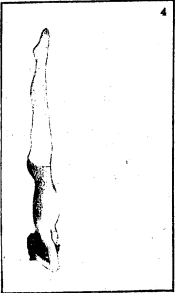
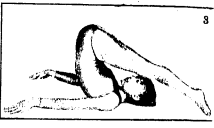
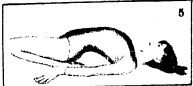
The rest of the section is directions on how to perform the stretching exercises to improve flexibility. There are 5 exercises in total. The actual instructions are in the PDF of the file.


Screen Shot 2013-07-14 at 2.31.51 AM

Screen Shot 2013-07-14 at 2.32.29 AM

Screen Shot 2013-07-14 at 2.32.47 AM

Screen Shot 2013-07-14 at 2.32.37 AM

Screen Shot 2013-07-14 at 2.32.54 AM

Section #3: Asymmetric Exercises

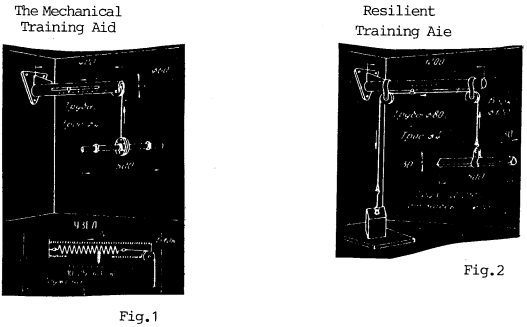
Screen Shot 2013-07-14 at 2.40.18 AMThe third section has a training aid which seems to be a device which involves two pulleys. The device is a rope where a weight around 1/3rd the weight of the person is attach on one end and on the other end is a horizontal bar.

The pulley can be in any configuration, like in a doorway or corner of a room.

It is noted that this device should not be used until a set of certain exercise is mastered first. It seems that people can gain several cms of height increase from using the machine but they can lose all that increase due to habitual motor pattern from bad posture.

The answer to the affect of losing the gained height which they say is due to automatic muscle reflex in the trunk is to do a special type of exercise known as asymmetrical exercises. The exercises involve combining a certain rhythm with a movements with symmetric parts of the body. they state…

“Systematic workouts teach one to exceed the limits of conditioned reflexes. Having internal control and adapting easily to rhythm changes makes it happen.”

This third set of exercises should be done either after or in parallel with the 2nd set of exercises. The rest of the section is the actual exercise routine that is given on how we should do the exercises. Refer to the PDF about how they are done exactly.

Section #4: Nutrition

I personally don’t wish to put anything in this section. The nutrition main point is that one should focus on eating nutritious vegetables and meat which have the right amount of vitamins and proteins. There are suggestions on the types of vegetable, and even recipe guides. I don’t think this section is very helpful for the person who wants to grow taller.

Section #5: Pressure Massage

The 5th section involves doing a type of massage involving using rugs, needles, and pins. The author supposedly developed a method for massage involving a piece of plastic and needles.

The idea is to have the needles already embedded in a fatty skin plastic material. It should last more than 15 minutes. Before massage, you should wash the area of skin and cover it with vaseline.

There is a 9 step method in the 5th section on how you should take the plastic rug and rub it on your legs.

Section #6: Breathing and Autogenic Training

This section involves the idea that if we focus on improving our breathing combined with something called autogenic training, we can decrease the amount of tension in our bodies. First that is a small biology lesson, on the function of the alveoli of the lungs. There is supposed to be 700 million of these alveoli and they combined together form about 100 sq meters. The alveoli is supposed to be where Oxygen will be coming from and where CO2 will be excreted (I am not sure how accurate this information is at this time. It might be wrong).

There is supposed to be two types of breathing based on the level of duration between inhalation and exhalation. They are 1. mobilizing and 2. sedative.

  • Sedative Breathing – Involves longer exhalation
  • Stimulating Breathing – Involves longer inhalation

Lie down for the breathing exercises if possible. Put the hand on the stomach. You want the breathing to be diaphragmatic. Get a stopwatch of count in your head.

Practice in a place with fresh air or is well ventilated.

The whole idea behind the breathing is that by using the sedative breathing way, you can voluntarily relax the muscles and possibly increase the body’s flexibility.

So what about the autogenic training?

It seems that using goal directed active con stage inhalation is deeper and sciousness is a powerful resource for tapping the bodys physical reserves. This training is not physical but mental. Autogenic training is supposed to be a real scientific, psychological  discipline based on autosuggestion with techniques and methods like visualization, imaging, concentration, increased focus, etc.

The the autogenic training, one is supposed to be able to reach a point when they can consciously control muscle tone. The ultimate goal is to be able to relax the muscles in the trunk of the body.

The author claims that “A person can attain complete muscle relaxation only if he possesses the skills of autotraining, which allows him to disengage all muscles from the motor centers of the cerebral cortex

A person would get in a comfortable position, and then go into a state similar to meditation and consciously contract and tense up their muscles and then using the brain let go of the muscle, each individual muscle group at a time. Over time, the idea is that one will be able to use the mind to control all of the individual muscle groups tensing up and be able to relax all of the muscles in the trunk.

Section #7: Training Aids

The author of the book uses this section (the last section) of the book to clear up some issues since some people have noted that even after hours of hanging on a horizontal bar they never grew even a few millimeters. They first explain why the idea of using weight resistance exercises to grow taller does not work.

It is noted that to stand or sit down, the person needs to have continuous muscle tension to hold the trunk/torso up. The muscle groups are supposed to be on top of the joints and ligaments. They use the metaphor that the muscle groups act almost like an armor that is wrapped around the skeletal structure, preventing its flexibility and movement.

The habitual motor patterns that are supposed to result from years of continuous loading makes the muscles tense up automatically. this is supposed to explain why when people hand on the horizontal bar they increase their muscle mass but not their height.

The reason why the training of the muscle will lead to height is stated to be from improved posture.  The activity to lead to results is supposed to be 1.5-2.5 hours in time duration. They tell you to avoid strenuous physical loads during exercise.

A typical plan is described as follows…

  1. Light Warm-Up
  2. Flexibility Exercises – warm the muscle using one of the passive methods
  3. Do pressure type massage (which is combined with autogenic breathing)
  4. Start using the training aids

Height Increase DEvice

The training approach has certain training aids. You are supposed to start with the weight suspension device from around 20-25% of your body weight. At the end of the year, the weight will be slowly increased until it is around 80% of one’s body weight. Again, start the training aid workouts with light resistance. There is supposed to be some advantage from using the spring operated training aid with a weighted scale over the more simple pulley and weight design.

The design of the device is gone into quite detail. The handle is suggested to be triangular. The handle has a pulley wrapped around it, controlling the length of the wire. The actual movement that is done is supposed to be smoothly, slowly, and rhythmically. Fast jerking movements should be avoided.

The actual exercises should start with only a few sets. The first dozen times that the person uses the machine, they should figure out how to relax their trunk by 3-4 cms in terms of voluntary muscle relaxation while their torso and arms are completely outstretching from pulling at the handle bar. Start with 15-20 minutes and gradually move up the exercise duration to 1.5-2 hours.

I personally am having a lot of trouble understanding what this person is describing. It seems that the idea is that the person should be using only the expansion of their torso to move the pulley and weight device.

The last part of the exercises is to do a type of exercise called “damping exercises” to increase the range of motion. The idea as I interprete it is that when the extension of the muscles is almost about to be lessened, increase the tensile load of the muscle still further to stretch out the muscles just slightly more than before. The movements are supposed to be in the directions of forward-backward, left-right, and in circles. I have no idea what this part means.

The last part to this 7 section book on how to grow taller is probably the most revealing of all the sections because it shows that overall, the amount of height we all should probably expect to get is only in the range of 0.3 – 2 cms in extra height. Not only that, the amount of height increase we do get is NOT permanent but will only last a few hours to a day at most. 

They do stated that if we systematically continue to do the exercises, that height increase we do get will stay around longer, and possibly increase slightly.

Restore Spinal Disk Height And Increase Height Temporarily Through Land Based Supine Flexion

The idea of doing what are known as the supine flexion exercise to increase spinal disk height and relieve lower back from disk decompression is an idea which I actually forgot about which would definitely work.

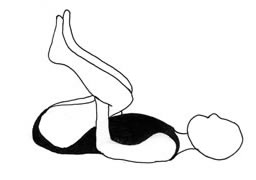
back-stretching-flexion-supineFrom WikiAnswers the Supine Flexion exercise is defined as “supine flexion is lying in supine (on your back) while “flexing” (bending) your knees into your stomach and keeping your head off the floor“. Refer to the picture to the right.

From the Clinical Study “Interventional Study of Effects on Spine Height With Two Unloading Positions” we see that these researchers were actually testing to see how useful it is to do this exercise to restore spinal torso height and decrease lower back pain and other pains which might be in the upper leg area, probably due to either bulging disks, herniated disks, or sciatica.

The way the subjects did the exercise was by….

“…lying on their back with hip and knees flexed to a 90 degree angle. The height of each person will be measured before and after completion of each intervention using a specially designed measuring tool…”

“…The subject will lay supine with the legs supported by a foam wedge with hips flexed to 90 degrees and knees flexed to 65 degrees. They will maintain this unloaded position for 15 minutes.”

From the same PubMed study cited in the previous post about Aquatic Vertical Suspension, Immediate changes in spinal height and pain after aquatic vertical traction in patients with persistent low back symptoms: a crossover clinical trial, the result was that after going through with this specific exercise where the lower vertebrate bones are completely unloaded, the height increase is 4.21 ± 2.53 mm.

Analysis:

Supine Flexion is a good land based stretching exercise to gain temporary height. It however is not as good in getting temporary height as using the Aquatic Vertical Suspension technique, which is only slightly better by providing about 1-2 extra millimeters. In addition, the water way of unloading the body seems to show better results on reducing pain and reducing the compression of nerve endings. I would guess that the smartest way to get as much height increase as possible is to do BOTH types of exercises, to unload the lower back region on land and in water.

imagesSo to get some noticeable height increase very quickly, like Tyler said, do both the Supine Flexion stretching when you are on land and when you decide to go swimming or to the pool, carry some weights with you to try out the Aquatic Vertical Suspension.

Restore Spinal Disk Height Through Aquatic Vertical Suspension (Breakthrough!)

This idea that I just read about is actually one of the only ideas that I have seen which have a really good chance of working in at least restoring the lost height in the lower back of the torso from diurnal variation of height throughout the day.

Of all the stretching exercises that I have looked at, this is one of the most creative and smartest. I am actually rather surprised that I did not consider this idea since it has many of the elements to at least temporarily increased height in a person from spinal disk decompression.

I was reading this Clinical Study entitled “Interventional Study of Effects on Spine Height With Two Unloading Positions” from the Clinical Studies government website where these researchers wanted to see if a person who suffers from lower back pain and upper leg pain can find pain relief from doing certain exercises which will restore their height back. ClinicalTrials.gov Identifier:NCT01048749. It is sponsored by the Texas Tech University Health Sciences Center.

“This study will compare two such positions; 1) floating in deep warm water with weights attached to the ankles, to take the load off of the spine…”

Experimental hypothesis:

  1. Subjects with low back and leg pain suggestive of nerve root compression syndrome will experience increase in spinal height when completing aquatic vertical suspension and/or land-based supine flexion.”

Other: aquatic vertical suspension.

  1. Subject is suspended in a warm water deep pool with two pool noodles around the subject and directly under the axilla. Five pound weights are placed on the ankle and the subject maintains this unloaded position for 15 minutes.

Other Name: Physical Therapy Treatment

Detailed Description:

Spinal height is affected throughout life from many different physiological changes and mechanical stresses, but a large portion is thought to occur primarily from intervertebral disc degeneration with resultant reduction in overall spinal height. The use of specific postures and rest periods to increase the overall spinal height has been suggested through various stadiometric research studies. This overall spinal height change can be used as a treatment tool for management of symptoms of chronic low back pain and signs of nerve root compression.

The purpose of the study is to investigate the effect of aquatic vertical suspension on spinal height, symptom location and pain intensity compared to a more commonly used land based supine flexion position.

Analysis:

The physical therapist are telling people who are between 40-60 to use the pool and use a combination of pool floats and pool weights to pull the body in the tensile fashion.

Note what is written for this study about how the technique is done…

Subject is suspended in a warm water deep pool with two pool noodles around the subject and directly under the axilla. Five pound weights are placed on the ankle and the subject maintains this unloaded position for 15 minutes 

So the person should get in the deep end of the pool, where the depth must be so deep that the person’s feet can not touch the ground. They will take two swimming noodles, which are just those straw-like large cylindrical foam devices around most pools, and wrap the noodles either around their shoulder or around their torso to be used as the device to hold the upper body up.

THe 2nd part of this technique involves attaching weights to the ankles which will pull the lower part of the body downward. This technique then just becomes a weaker version of a traction machine. The person is not supposed to move around but just hold this static position for over 15 minutes, which is a rather long time. After 15 minutes, I guess the subject removes the noodles and weights can get their heights remeasured to show that their height was indeed increased temporarily.

If I was to make a guess on the effectiveness of this technique, I would say that it has a better chance of working than many other ideas that are easy, simple, and rather cheap to implement for a fast way to temporarily increase height.

The result of what were the results was published in the study “Immediate changes in spinal height and pain after aquatic vertical traction in patients with persistent low back symptoms: a crossover clinical trial.”

The results from trying out the aquatic vertical suspension method instead of the land based supine flexion…

Height Increase from Aquatic Vertical Suspension: 5 mm with an average of almost 3 mm in variation. This means that a person can either gain only 2 mm of extra height, or they gain upwards of 8 mm of extra height, which is really impressive considering that it took only 15 minutes to achieve this result of almost 1 extra cm of temporary height.

It is interesting that Tyler already wrote about this idea in the post “Gain Temporary Height With Spinal Traction?” almost an entire year ago.

He noted that there was another study [Acute effects of mechanical lumbar traction with different intensities on stature]. which showed similar results, for much younger subjects.

Using weights that were either 10% or 50% of their weight, after 15 minutes suspended in the water, the resultant increased height was around 0.567 ± 0.049 for the 50% weight vs. 0.298 ± 0.041 cm for the 10% weight. Interestingly, it took 10 minutes for the height increase from the 50% weight to go away while for the 10% ankle weights, the temporary height increase goes away after just 5 minutes. Tyler would suggest at the end of the post to maybe increase the weight to 75% of our weight.

The difficulty is to ask just how are we supposed to get something that is 75% of our weight uploaded to a public pool if we are in excess of say 200 lbs. However this idea is reasonable and useful to gain temporary height of around half a centimeter.

How Does Matrix Gla Protein Contribute Towards Endochondral Ossification

Recently the commenter who goes by the name Matheus from Brazil gave me a lot of studies which showed the effects on longitudinal bone growth by a multiple of chemical compounds. His research has been very extensive and broad and it took me many hours to figure out what exactly he was saying and to condense all that information into a format that the average reader can take and understand.

I had talked about his research in Podcast Episode #11. Click on “Natural Height Growth Podcast, Episode 11: I Review And Outline All The Research And Studies Matheus Has Shown To Me” to listen

Some of the compounds he talked about I am aware of since some of his references are to posts I had written months ago. However there was a few compounds which I have never heard about and seem to be rather important in either epiphyseal growth plate cartilage physiology or in the endochondral ossification process.

The first compound I wanted to do more research on is something called Matrix Gla Protein.

From the podcast post I had listed this about Matrix Gla Protein

MGP (Matrix Gla Protein-derived K2) which is produced by Vitamin K2 – inhibits the calcification of tissues and cartilages – is the major inhibitor of human body tissue calcification and seems to have much influence on chondrocytes. (Coordinated expression of matrix Gla protein is required during endochondral ossification for chondrocyte survival)

The study: Coordinated expression of Matrix Gla protein is required during endochondral ossification for chondrocyte survival

Summary of the study:

So first a little background on this compound. It weighs on average around 14 kiloDaltons, which is considered average size for proteins and peptides. It is part of of the family known as Gla which has the function of binding to minerals. There is two primary functions that is listed, both in terms of decalcification of specific types of tissue. So the Matrix Gla Protein inhibits…

  1. extracellular matrix calcification in arteries
  2. extracellular matrix calcification in the epiphyseal growth plate

MGP binds calcium ions and hydroxyapatite via its five γ-carboxylated glutamic acid (Gla) residues

Other things that show how the MGP regulates or functions within growth plate is noted below from the study…

“…the epiphyseal growth plate is disorganized in the MGP-deficient mouse, in that the proliferative chondrocytes fail to form regular palisaded columns and hypertrophic chondrocytes are absent. In this situation, it is unclear whether the aberrant calcification causes disruption of the normal proliferative chondrocyte zone architecture, or if MGP has a direct influence on chondrocyte maturation. However, misexpression of MGP in chick embryo limb buds has been shown to inhibit the formation of hypertrophic chondrocytes during endochondral bone growth…”

The location where this compound is expressed seem to be in two regions that are not next to each other, at the proliferative and late hypertrophic chondrocyte zones. In vitro studies showed the same pattern of biphasic expression pattern as in vivo. There is supposed to be a type of compound known as MGP anti-serum which seem to have the reverse effects as the MGP. When the anti-serum is used for the proliferative chondrocytes that are expressing the MGP in that zone, the chondrocytes started to die much early that they were supposed to be.

From the study, we learn that the Matrix Gla Protein has 4 main types of effects when either overexpressed or underexpressed in specific regions. They are…

  1. overexpression of MGP in maturing chondrocytes induces apoptosis
  2. underexpression of MGP in proliferative and hypertrophic chondrocytes induced apoptosis
  3. overexpression of MGP during the hypertrophic phase has no effect on chondrocyte viability
  4. overexpression of MGP during the hypertrophic phase does reduce mineralization.

If we combine all the effects of changing the expression level of MGP together we realize that increase of MGP expression is a good thing for epiphyseal cartilage health, in not becoming mineralized too fast. However it might be important to also control the expression level of mature chondrocytes so that they can go through the necessary steps for apoptosis in the ossification layer.

Increase Height And Grow Taller Using Vitamin K2 aka Menaquinone (Important!)

Ever since I found out about this unique vitamin known as Vitamin K2 which Dave Asprey from the Bulletproof Executive has claimed can sometimes even reverse cavities and fill in teeth dentin cracks, I have wondered whether it might be possible to use Vitamin K2 as a type of supplement a person can take to either increase height or at least prevent too much height loss later in life.

I personally have tried searching for the Vitamin K2 supplement and in the US when going into a GNC, I have managed to find maybe only 1-2 bottles with Vitamin K2, which is also known as Menaquinone. Compared to the much more popular and easier to obtain Calcium & Vitamin D combination or Glucosamine Sulfate w/ Chondroitin combination, Vitamin K2 is a much rarer compound. I personally have not found any places (at least in the major department stores) which sell Vitamin K2 supplement pills in Seoul, South Korea.

So the question is “Does taking Vitamin K2 help increase height?”

From the forum section in the website for the National Osteoporosis Foundation, Support Community there is a linke to a post where some people have claimed that from taking Vitamin K2 they actually increased in height. The website is called Pheonic Rising, which is a website dedicated to providing information and support to people who suffer from (or know someone who suffer from) ME or Chronic Fatigue Syndrome. The actual thread asks “Has K-2 (mk-4 and mk-7) Helped You?”

Some poster claims that Vitamin K2 and other soluble vitamins in fat cause inflammation of their tendons.

There was 3 studies that were referenced which gave me some evidence that there might be a link between Vitamin K2 intake and some effect on final adult height. They are…

  • Effects of the blood coagulation vitamin K as an inhibitor of arterial calcification.
  • Menaquinone-4 enhances testosterone production in rats and testis-derived tumor cells.
  • Inhibition of matrix metalloproteinase expression by menatetrenone, a vitamin K2 analogue.

The really interesting study that got my attention was

Vitamins D and K as pleiotropic nutrients: clinical importance to the skeletal and cardiovascular systems and preliminary evidence for synergy.

Since I did research just today on the possibility that pleiotrophin might be used to increase height, the fact that Vitamin D and Vitamin K2 both are pleiotropic nutrients shows that there is a link.

From the thread, on the third page, in a post written by a poster named “Asklipia” who has been commenting on the forum for a long time, they state a very interesting story of increased height. The original post was written in July 19, of 2012…


Hi Dannybex,

You want to know it all!!!

This is how it happened :

By 2001 we had identified ingestion of MSG and glutamates as being at least a switch to our sickness episodes (now convinced it is more than that). It took 4 more years until we could avoid glutamates entirely (man-made glutamates that is). Very long story.

Once we were successful, we got huge improvements and then could not improve further.

Then we lived in Japan-Korea-Hong Kong and wondered : how do all these Japanese eat so much MSG and are still alright? The place was like a special MSG hell. The answer is : they are not. Next question : What do they do about it? Answer : they take all kinds of supplements on the sly. In Tokyo executives start their day with a bottle of an amino-acid drink, chockfull with B12 and taurine (a known MSG antagonist).

At a massage spa a lady told me about menatetrenone. Generics selling in spas in 2000 pill bottles. One wonders why if it is a prescription drug for old ladies with brittle bones!?!
I did some research as you can imagine. A lot of research, including using Google translate to find out about Japanese and Korean research. A lot of thought has come from that.

Since one of the virtues of menatetrenone is the mopping up of extra glutamates, I thought it was worth a try.

So we started on menatetrenone 15 mg a day. A small dose to fight let’s say osteoporosis. Which I was starting to suffer from on top of the rest. My husband did not but he had what they had diagnosed as a deficiency in growth, meaning some of his bones never grew totally (happily it doesn’t show from the outside). For osteoporosis in Japan, the dose is 45 mg in three doses a day for a lady weighing 45 kgs. So we reckoned 15 mg was peanuts for us.

No way could we take the 45 mg. Immediately I felt a general improvement on all kinds of symptoms, but at the same time we could feel our livers were having a hard time. Not too bad, but I thought we should wait before taking more. From time to time we tried taking a second dose, and it took 6 months before we could ramp up to 30 mg then 45 mg per day.

Strange things started to happen :

I grew up 2 cms then a third and last cm at 58 years of age. This has now stopped. Might mean that I too had a deficiency in growth. My jaw which had osteoporosis, especially around one of the articulations (if I yawned it would pop out), filled up and I did not need to have extra bone added to it as the dentist had planned. I stopped having teeth problems and periodontal problems. My face became wider, it seems the bones under my eyes filled up and became more round as in a youthful look.

My husband did not grow in height but in width. He suffered a little every night for months from growing pains behind his heart as his ribs grew to make a wider thoracic cage. At that place on his back he had a strange red spot which at the moment is still there but a different colour. A calcified place at the top of his lungs (which doctors had said was caused by TB) has now turned normal and he can use his lungs fully. We had to give away all of his suits and shirts. The cuffs did not reach the wrists by 10 cms. He has not put on any weight though.

All this is only for bones.
I am not ready to explain all of my theory. Not that I want to keep it a secret or that I want to make money from it. It is just that writing this down takes a lot of energy. Also diving into the murky waters of deceit to retrieve these pearls of discovery is very intense. The more I find out, the more I find out and it all falls into place. It is huge and terrible. I am so small.

Heal the sick, raise the dead, cleanse those who have leprosy, drive out demons. Freely you have received, freely give.
Matthew 10:8

For the moment let’s call it Fake Folate Poisoning.

I hope this answers your question.
Lots of good wishes,
Asklipia


Hi Lou, sorry I took so much time to answer, I was away.

There are no miracles most probably, just things that work in a way we don’t understand yet!!!!!

My growth was documented. When I got a passport at age 19 the police measured me with a big wooden gauge (I don’t know how this is called in english) and the result was 1m 69. I was measured in the same way every time I had to get new identification, the last time when I was 32 with the same results. After that they did not measure me anymore and just copied the 1m 69 on my new passports. When I was 58 I went for blood tests in a hospital where they wouldn’t let me have the tests if they were not prescribed by a doctor. The nurse “prepared” me for the doctor by taking down my weight, blood pressure and height too with the same kind of wooden gauge. She found 1 m 70. I thought she was wrong and she did it again. At that time I had already started taking MK-4.

Six months later I went to another hospital for blood tests in another country and I was similarly measured : result = 1 m 71.

So I am sure I grew 2 cms and it is documented. Well, I have not changed my passport and I am a bit weary of disclosing my growth to the authorities because nobody will believe me and this will cast a doubt on my identity with potential problems.

I do not know if I have grown more since then. I did not feel the change when I grew 2 cms and this did not make a difference in my clothes etc. Maybe I have. I am not ready to rush to a hospital that provides this service to find out!

This cannot be a result of better posture because I have been a strong swimmer (1 km a day until I was 35) and my back was perfectly straight, maybe be less so nowadays, which would have contrary results on my height.

Analysis On This Height Growth By Vitamin K-2 Story

So let me summarize just what the critical facts are. The first time she had her ‘adult’ height measured definitively was when she was 19. Some guys used some wooden gauge and found she was 1.69 meters tall. All the subsequent measurements she needed to do to get ID got the same height. At the age of 32, her height was still 1.69 cm. Then at the age of 59, she had to see a doctor to get some blood work done and she was measured at 1.70 meters, which is only a 1cm of increase. She started to take MK-4, a type of Vitamin K2. 6 months later, she got another blood work done and her height was measured again. The height now increased to 1.71 meters tall. She states that it is note from a better posture. She has been a strong swimmer in all of her younger days adn her back has always been very straight.

In terms of the actual supplements she has been trying out over the last few years she states the following…

So she and her husband, both suffering from bone growth issues like osteoporosis found out that ingestion of MSG and glutamate is really bad so they spent years trying to find diets and lifestyle ways to avoid easting man-made glutamates. They lived in east asia like Japan and they founf out that the Japanese don’t eat MSG, but take a bottle of amino acid drink which has B12 and taurine in the morning. Taurine she states is a MSG antagonist.

A person she talked to got her to start taking Menatrenone, which is supposed to remove excess glutamate. She started to take 15 mg a day and then slowly increase the dosage to 45 mg/day (3 pills a different times of the day).

This resulted in her being 2 cms taller, her jaw bone being strong again, joints becoming stronger and filled out, her teeth & periodontal problems went away, jaw got wider. Her husband did not increase in height, but his bones seemed to have gotten much wider since his wrist got wider .  It seems that the chest region of the husband became much wider, as his ribs grew out (note that there is cartilage tissue in the sternum area in adult humans). Liver problems came and went away.

—————–

The study Vitamin K2 supplementation improves hip bone geometry and bone strength indices in postmenopausal women gives a slight suggestion that maybe the key in the efficacy of Vitamin K2 is its ability to increase the thickness of long bones and make them stronger by creating more appositional growth forming a stronger area.

I would look for other sources and websites that link Vitamin K2 (MK-7) to increased height. One source states…

MK-7 intake significantly improved vitamin K status and active osteocalcin levels, and decreased the age-related decline in bone mineral concentration (BMC) and BMD at the lumbar spine and femoral neck. It did not increase either measure at the total hip. Bone strength was also favorably affected by MK-7 – a key determinant of fracture risk. Lastly, MK-7 significantly decreased the loss in vertebral height of the lower thoracic region at the mid-site of the vertebrae.

The website Life Extension mentions the same study which showed that taking of MK-7 seemed to reduce bone loss in post-menopausal women. The article is entitled “Vitamin K2 supplements reduce bone loss in women”

An article that appeared online on March 23, 2013 in the journal Osteoporosis International reports the outcome of a trial conducted by researchers in the Netherlands which found a benefit for supplementing with vitamin K2 in postmenopausal women—a group that has an increased risk of developing osteoporosis.

Participants who received vitamin K also had better bone strength and a reduction in the loss of vertebral height in the middle site of the lower thoracic region after two and three years of supplementation.

Conclusion

I am not sure how viable is the idea of taking Vitamin K2 ,whether MK-4 or MK-7 is for height increase. There is only one case (this case) I found which links Vitamin K2 consumption with increased height in adulthood and the compound was the MK-4 version, which is also known as menatetrenone. The dosage was at 15 mg per day and the result was 2 cms of extra height. However the vitamin is critical in healthy keep bone density high so that at least women won’t loss height so dramatically later in life. The writer states that Japanese women who are around 45 kg is supposed to take 45 mg of MK-4 every day, in proportion to their weight.

If we read the study “Vitamin K2 (menatetrenone) effectively prevents fractures and sustains lumbar bone mineral density in osteoporosis.” it shows that fractures are reduced in women who take Vitamin K2/Menatetrenone/ MK-4.

I think that for the future, for anyone who wants to make sure that they decrease the effects of height loss as much as possible in old age should start taking Vitamin K2, both MK-7 and MK-4.

From the study “Use of Vitamin K2 (Menatetrenone) and 1,25-dihydroxyvitamin D3 in the Prevention of Bone Loss Induced by Leuprolide”

the study states clearly that apparently Menaquinone-$ has 2 basic functions

  1. It increases the formation of osteoblasts
  2. It induces the apoptosis of osteoclast, preventing bone resorption.

From the study above…

“Menatetrenone (menaquinone-4), the form of vitamin K2 with 4 isoprene units at the 3 position of the quinone structure, has been reported to be the most potent vitamin K (7). As a result, menatetrenone has been developed for the treatment of osteoporotic patients. It has two effects: enhancement of osteoblast function, and inhibition of osteoclast function. Vitamin D3 supplementation has been proven to prevent bone loss in elderly women, mainly by increasing calcium (Ca) availability (8). Vitamin K2 improved bone mass in patients with high 1,25(OH)2D3 serum levels more than in patients with low 1,25(OH)2D3 serum levels”

It says that of all the types of Vitamin K, menaquinone-4 aka menatetrenone seems to be the most potent. It seems that also Vitamin K2 (MK-4) can be combined with Vitamin D3 for a much stronger effect due to synergy.

The researchers conclude with the summary…

“We hypothesize that of 1,25-(OH)2D3, added to vitamin K2, promotes the coupling of bone and restores homeostasis of osteocalcin and osteoblast balance faster than in nontreated or vitamin K2-only or 1,25-(OH)2D3-only patients. It is possible that the combination therapy of 1,25-(OH)2D3and vitamin K2 is more effective in longer periods of treatment.”

Tyler’s Notes:

Here’s a review on Vitamin K2:

The role of menaquinones (vitamin K2) in human health.

“menaquinones, also known as vitamin K2, may be more effective in activating extra-hepatic vitamin K-dependent proteins than phylloquinone, also known as vitamin K1. ”

“Dietary intake of menaquinones accounts for up to 25 % of total vitamin K intake and contributes to the biological functions of vitamin K.”<-If we already get Vitamin K2 in the diet that doesn’t explain the height increase anecdote from the 35 year old swimmer.

“Phylloquinone is a single compound with a side chain of four isoprenoid residues, three of which are saturated . Menaquinones, commonly found in nature, have side chains of varying length between four and thirteen isoprene residues, most of which are unsaturated”

“MK-4 is unique among the menaquinones in that it is not synthesised by bacteria. Instead, MK-4 is alkylated from menadione (vitamin K3), a synthetic form of vitamin K that is present in animal feeds, or is the product of tissue-specific conversion directly from dietary phylloquinone, with menadione as the postulated intermediate. There is also speculation that longer-chain menaquinones, such as MK-7, can be converted to MK-4 as well. The most abundant menaquinones in the human diet are the short-chain MK-4, which originates from animal products, and the long-chain MK-7, MK-8, MK-9 and MK-10.”<-So MK-4 is already in the human diet.

“All forms of vitamin K have one well-known function. They all serve as a cofactor for the post-translational enzyme γ-glutamate carboxylase, which is established by the common naphthoquinone ring structure. This enzyme converts certain protein-bound glutamate residues into γ-carboxyglutamate, generally known as Gla. Currently, seventeen members of the Gla protein family are known, including seven proteins involved in blood coagulation (all synthesised in the liver), osteocalcin (OC; bone), matrix Gla protein (MGP; mainly cartilage and vessel wall), growth arrest-specific protein 6, Gla-rich proteins, two proline-rich Gla proteins, two transmembrane Gla proteins, periostin and periostin-like factor”<-MGP inhibits cartilage mineralization but remember that inhibiting cartilage mineralization does not always increase height and in some instances decreases it.

“Menaquinones generally are of microbial origin. Important dietary sources are cheese, curd and natto (a traditional Japanese food composed of fermented soya beans), while dietary phylloquinone is mainly found in green vegetables, notably spinach, broccoli, kale and Brussels sprouts. Estimated intake of phylloquinone and menaquinones in The Netherlands and Germany has suggested that between 10 and 25 % of total vitamin K intake are provided by menaquinones”<-More Americans eat cheese than green vegetables so it’s more likely that americans are lacking in Vitamin K1 than K2.

“long-chain menaquinones, MK-7 to MK-10, are predominantly consumed by high dairy intake populations, such as the Dutch population.”<-a possible link of Vitamin K2 to height as the dutch are tall.

I think if Vitamin K2 does increase height it’s due to an undocumented effect as MGP overexpression hasn’t been found to be linked to tall stature in gene expression studies and MGP seems more like an equilibrium quantity gene.

Another Case Of Pregnancy Causing Woman To Grow Taller And Increase In Height

Update Nov. 24, 2014: I can’t explain what is going on, but it seems that at least 3 new people have left comments on this post expressing that they noticed this phenomena. They, being females who have gone through, or are going through pregnancy, have noticed changes in their height.

Pregnancy Height Increase 1


Pregnancy Height Increase 2

Pregnancy Heght Increase 3


So more and more females are coming out and telling us their unique individual stories

First, obviously this phenomena is NOT a common thing. It probably happens to just 0.01% of all women who go through pregnancy, and that is a guess on the high side. However, just the fact that more than a dozen females have claimed this phenomena makes me really wonder what is going on.

I have had a recent new idea, which is that the irregular bones in the feet might have grown larger appositionally pushing the overall female skeleton higher up. However, that is a real stretch.

The connection and theory that all this increase in height is due to the chemical relaxin however is still the most viable theory.

Refer to one of the most explosive posts I have ever written on this website – “The Chemical That Would Make Adults Grow Taller Has Been Found

However, the recent claim made by my own girlfriend that she grew 1 full cm herself made me wonder whether this phenomena may be due to more than 1 main human physiological process.

One thing that is very obvious however is that about 98% of all the claims ever made about growing taller in adulthood (which I will assume to be around the age point of 21-22_ has been by females. Is there something within the human female bone physiology which makes them more likely to grow slightly taller?

Update Feb 14th, 2014: It seems that just in the span of 24 hours, two women have come forth and sent messages to the website expressing the fact that they either have open epiphyseal growth plates at the age of almost 30 or even later.

Case Study #1: This women went to get X-Rays for her ankle bone area/ distal tibia after a fall and she noticed that her bones had scars across the ankle bones. She messaged me and commented that she apparently found out that she still had growth plates. The post that she commented on is “A Theory That Epiphyseal Growth Plates Never Fuse For Certain People

Open Growth Plates in Adults


Case Study #2: This 2nd women commented that apparently she has grown by about 4 inches in the last of her 2 pregnancies, out of a total of 5 pregnancies. This case is extremely unusual because most cases we have found have the mother increase in height during the first and/or the 2nd pregnancies. The fact that this women is in her late 30s is absolutely amazing. I would suspect that her bone maturity is very unique, but possible due to cases I’ve found before.

Height Increase In Pregnancy


There is now too much evidence coming through in the form of anecdotal stories, forum postings, cases and instances where adult females who went through pregnancy have noticed that they increased in height. Me and the follow researchers will focus much more on this pressing issue in the future. Currently, I have documented at least 11 cases of women who went through the phenomena. At least one of these women have found this website and contacted me personally through the website email and we have exchanged messages. The latest case has a women increase her height by 3 inches from 5′ 2″ – 5′ 5″.


Update 8/13/2013: It is noted that another commenter who goes by the name of guiselka wrote on the post More Evidence That Pregnancy Can Increase Height, WOW!recently wrote the following comment…

I used to be 5’2.5″ before pregnancy. I was just measured at my doctor visit and I am 5’5″. I am amazed! I also have many back problems now though. I’ve always had some issues but after pregnancy they became unbearable. I have a total of 4 hernias and 2 bulging discs among other problems.


Update 7/28/2013: I became aware that there has been at least another case where a pregnant women noticed that she gained height from her pregnancy. The source of the case is from the news website Reddit on a thread entitled “Has anyone else noticed a increase in their height during pregnancy?”

  • She noticed that her height increased from 5′ 2″ to 5′ 3″. 
  • Her feet increased from shoe size 5 to 6. 5.
  • The length from her elbow to her wrist is supposed to be the same length as her feet. After checking, it was the same. This implies that her forearm might have lengthened as well.
  • She was born at a length of 16 inches.
  • Husband is 6′ 2″ and born with a length of 23 inches.
  • The baby has been much lower in her pelvis

Some responses to the original post has been rather insightful and forced me to rethink some issues between the link of pregnancy and noticeable increases in height.

  • I think it’s because I can’t slouch so much with baby taking up so much of my torso. I have to sit and stand straighter.
  • Yeah, I’m not as far along as you, but I’ve definitely noticed I’m standing straighter with my shoulders back. My gait is changing, too

Update #2: Now there is another two cases of other women who noticed a 1 inch increase in height who responded to the poster!

  • Maybe! I have also been 5’2″ since I was in middle school. Last time I went to the doctor I measured 5’3″. That was the first time I was measured since baby #1. Maybe I will be 5″4″ by the end of #2 and tower over my small Italian family – Joyfulgirl36
  • I have to agree! 5′ 4 when I started now 5’5″!!! – Alaxamber

A visitor recently came on the website to leave a message which shows that there is more cases where an expectant mother might actually have so much stuff going through her body that she increases in height.

She (named Stacie) noticed that her husband/father of the baby is noticeably shorter from looking at pictures and she informed me that at 5′ 10″ already she does does not wish to be any taller.

I have written about this idea in multiple posts before where in certain rare cases of females, they notice from pregnancy they end up 1-2 inches (sometimes even 3 inches) taller. 

Main Post: Analysis On The Possible Cause For Height Increase During Pregnancy

Some other results from Google on places where mothers and expectant mothers notice that they ended up taller than before.

  • http://community.thebump.com/cs/ks/forums/thread/48132386.aspx
  • http://www.justmommies.com/forums/f449-january-2008-playroom/951090-growing-taller-during-your-pregnancy.html
  • http://wiki.answers.com/Q/Is_it_possible_for_a_woman_to_grow_taller_while_pregnant
  • http://answers.yahoo.com/question/index?qid=20080330121816AAnAzC7
  • http://www.cafemom.com/group/3019/forums/read/14437087/Height_growth_during_pregnancy
  • http://www.babycenter.com/400_can-you-get-taller-during-pregnancy_11662458_831.bc
  • http://www.mothering.com/community/t/986965/getting-taller-during-pregnancy
  • http://www.thepregnancyforum.com/general-discussion/6401-possble-woman-grow-taller-after-having-baby.html

These questions asked on the various internet forums, blogs, and websites on the internet seems to validate what Stacie is saying. She is noticing that her partner/husband/father of the baby is looking rather shorter than average lately. The message was short and she wrote at the end that she was going to go to the doctor, whether normal family physician, gynecologist, or endocrinologist, about her noticing that she might be taller than before.

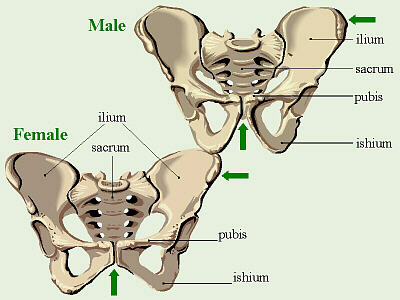
pelvisThe conclusion that was reached by Tyler was that the cause was from this muscle relaxing protein called Relaxin, and his claim has a little bit of validity. We both found a study in PubMed which showed that the hip wide and hip size of heifers (young female cows before giving birth) seemed to have have gotten bigger from before the first pregnancy and after it.

Could it be that from pregnancy, the hip bone in some women are twisted or bend open in such a way to actually stretch out the pubis symphysis?

Could the Pubis Symphysis be pulled in a way during the pregnancy and during the labor when the women is actually giving birth to make the alignment between the hip joint socket to the overall skeletal structure straighter, thus allowing for increased height?

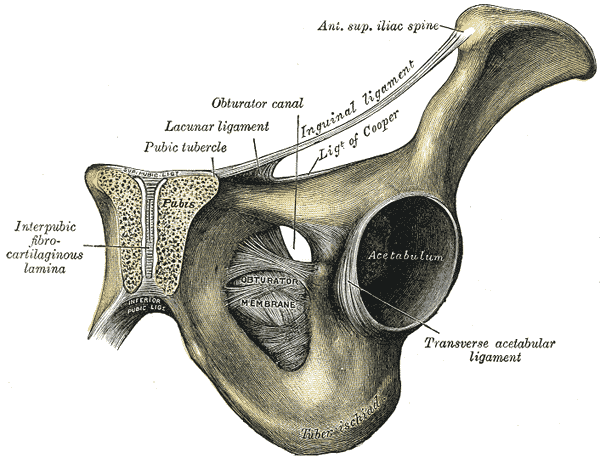
Possibly but the height increase should be a few millimeters at most due to how the femur is attached to the hip bone. Pubis Bone

If we note that the epiphysis region of the proximal end of the femur is not attached to the hip bone in a vertical fashion, but horizontally, then it would not make sense to say that the stretching of such a small cartilage area in the middle of the hip should be able to cause the women to grow 1 inch, let alone 3 inches as reported by one person on an internet discussion board.

However we do have to note one thing that is well medically established. The documented phenomena of pregnant women who notice that their feet and hands and fingers becoming wider and even longer has been well observed.

This article from Discovery News indicates that the feet in pregnant women do get bigger and the increase in feet size never goes away.

“…Researchers measured the arch height and foot length of 49 women during their pregnancy and five months after they had given birth. On average, the women’s arch height decreased, and in turn, their foot length increased between 2 and 10 millimeters (about 0.1 to 0.4 inches) — during this period.

Overall, about 60 to 70 percent of the women had longer feet and shorter arches after childbirth, the researchers said. Eleven of the women reported changes in their shoe size, the researchers said”

So it seems to show that for the feet, they get longer by upwards of even 1 cm, which means that during and after pregnancy the women would could go up 2 shoe sizes. I guess that means it is time to go back shoe shopping to buy a whole new set of shoes.

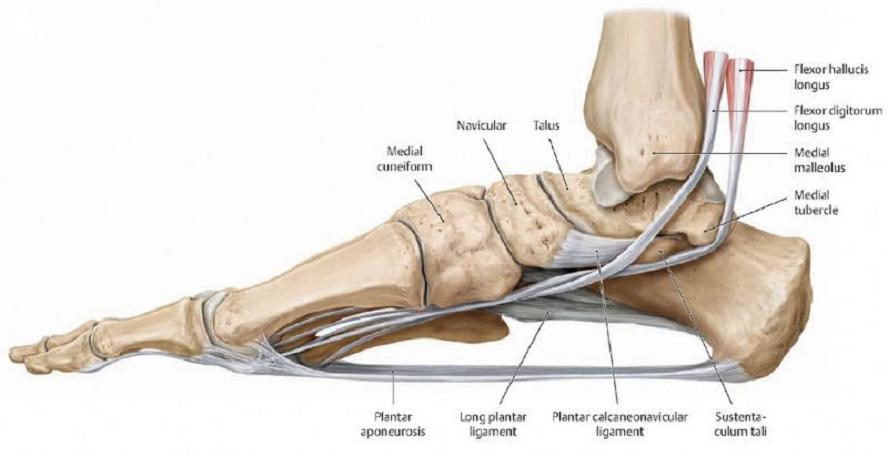
The thing that is more interesting for us as height increase researchers is that the feet arch height is supposed to be decreased. The foot arch is the arch in the middle of the feet that gives the the feet its unique structure at the bottom. Most human feet at least in young kids have an arch. Older people from decades of walking and standing upright have flatter feet. So it seems that pregnancy causes women to have flatter feet.

So does having a shorter feet arch translate to a shorter overall height? It DOES.

The structure in the human feet that determines the overall height is composed of at least 4 small irregular tarsal bones. They are…

  1. The navicular bone
  2. The talus (aka ankle bone)
  3. The calcaneus
  4. Cuboid Bone

These four irregular bones are the Cuboid-bone-5bones that are in the dorsal position of the feet. I chose to focus on these bones and NOT the tarsal bones in ventral side because these are the real bones that would be the main factors on determining height. If we look at the rest of the feet, we realize that how far up the human body is is slightly determined by how high the ankle is above the ground level. If the feet has a higher arch, it would be slightly taller, maybe by even 1 inch.

So this means that pregnancy should in fact then make women shorter then with slightly flatter, longer feet. The case where women get shorter from pregnancy seems to happen to the majority of women who go through pregnancy and notice any type of height variation.

The occasional case where women get taller should make no sense.

From the same article…

“…between 30 to 60 percent of women who had been pregnant at least once said their shoe size had changed.

The change in foot size may be due to the extra weight women carry around during pregnancy, which puts greater stress on the feet, and, thus, may flatten the arch, the researchers said. In addition, pregnant women produce hormones that increase the looseness of the joints and ligaments (tissue that connects bone to bone), possibly making the foot structure more malleable.

Most of the women involved in the new study who experienced changes in their foot length and arch height were first-time mothers. Women had given birth to two or three children did not experience such significant changes.”

So what is exactly going on then? 

Tyler’s explanation currently is that from the type of hormone known as Relaxin released during pregnancy, the women develop looser ligaments and tendons so that when they stand up straight for say a height measurement during their annual physician checkup, the measured height goes up. That is plausible. However the logic would not explain why a new mother staying at home after giving birth, walking around with a regular posture, not stretching out completely for any height measurement, would notice that her husband/partner looks shorter than before. She is not stretching out her now looser ligaments for anything on purpose. This should mean that looser ligaments would do nothing for a women in average posture walking around in the privacy of their own home.

Humans in general are very good at noticing height changes between themselves and other people.

My explanation is that the same hormone that causes the tarsals to grow wider is also causing the cuboid, navicular, talus, and calcaneus to grow wider and bigger from appositional growth. The growth of the bones in width, since they are NOT long bones, but irregular bones, means that the feet should be getting taller if you measured the ankle protrusion relative to the ground level from before by upwards of even 1-2 cms. However this would not be enough to explain why any women should be able to gain 2-3 inches in extra height. That difference is too large.

Other than this explanation I would have no longer idea on how pregnancy makes some women taller.

Tyler’s Comments:  If appositional increased as a result of pregnancy, it would have to be a huge increase to get a noticeable increase in height.  I haven’t found any anecdotal accounts of people who would have potential for significant increases in appositional growth to have height increase like weight lifters, strong men, etc.  Bone deposition can occur even on the longitudinal ends of long bones.  Here’s a related study on non-periosteal bone growth and a study I mentioned here related to subchondral plate advancement.  If bone apposition increased enough to increase longitudinal bone growth significantly enough to increase height then it would produce noticeable effects in terms of bone width.  For example, did these females have to get bigger shoes because of the foot length or their foot width?

Here’s a recent study:


Anthropometric foot changes during pregnancy: a pilot study.

“Women’s feet change during pregnancy owing to hormonal and anatomical changes, thus having a strong influence on the decrease in their quality of life during pregnancy. This preliminary study aimed to value the anthropometric and positional changes that affect their feet. Methods: Ten pregnant women were measured during their gestational period to analyze the anthropometric changes in their feet from the 12th week of pregnancy. We examined the changes that occured in foot length, forefoot width, arch of the foot height, and the fixed position of the foot by using the Foot Posture Index, and we analyzed three intervals corresponding to pregnancy weeks 12, 24, and 34. Results: The most significant finding, with a reliability rate of 95%, is the decrease in internal arch height, which descends 0.65 mm (0.0394 inches) on average at the final stage of the pregnancy period. This change happened in 18 of the feet analyzed, tending toward pronation according to the measure provided by the Foot Posture Index, with a change of 3.78 points on this scale. Conclusions: The foot of the pregnant woman tends to flatten during gestational weeks 12 to 34, taking a more pronated posture, and the anthropometric changes in late pregnancy result in increases in foot length and forefoot width, changes that seem to be moderate.”

Will go back and look at this full study for additions but foot width does increase indicating that there may be more appositional growth but the change is said to be moderate so unlikely enough increase in appositional growth to be increasing height.

Also, the bones in the feet are different from typical long bones.  For example the toe bone is not covered by articular cartilage.

Here’s my comments on relaxin and height in pregnancy and prolactin and height.  Other potential hormones involved in the height increase could be HcG or HPL.  According to this study(Suppression of streptococcal cell wall–induced arthritis by human chorionic gonadotropin), HcG can increase circulating TGF-Beta levels.  However, the study Human placental lactogen directly inhibits rat cartilage growth processes in vivo and in vitro., found that HPG inhibits cartilage growth although it could be a different story for human cartilage.