Screws cause bone overgrowth

Epiphysiodesis involves either removing the growth plate or taking it and modifying it before reinsertion.  Prophylactic Fixation involves inserting a metal into the bone.  A cannulated screw has a hollow central shaft.

Persisting Growth After Prophylactic Single-Screw Epiphysiodesis in Upper Femoral Epiphysis.

“Prophylactic fixation of the contralateral hip in cases of slipped upper femoral epiphysis is controversial. Using a single-cannulated screw has been widely accepted. Differing reports exist on the occurrence of persisting growth after prophylactic epiphysiodesis. The aim of this study was to evaluate the presence of persisting growth of the upper femoral epiphysis after prophylactic fixation.
From 2006 until 2009, 11 children underwent prophylactic pinning using a single-cannulated 6.5-mm cancellous screw. Time to fusion, persisting growth, and overgrowing of the screw were measured on plain radiographs taken postoperatively and at least after the growth plate was fused.
All patients except 1 (91%) showed a persisting growth of the epiphysis, and in 2 cases a hardware replacement was necessary. The mean increase of the femoral neck length was 8.2% (SEM 1.46%). Mean follow-up was 37 months (range, 12 to 49 mo). All patients had a Risser sign grade 0 at the time of surgery, and equal or less than grade 3, when the growth plate was fused{Riser 5 equals cessation of growth}.
Prophylactic fixation using a single-cannulated cancellous screw showed in our series growth persistence was the rule and in some cases the physeal overgrowth necessitates a hardware replacement.”

“After placing the guidewire under fluoroscopic guidance in a central position and drilling with a 5.0-mm drill just over the proximal femoral growth plate, the insertion of the 6.5-mm cannulated cancellous screw was carried out through a 0.5-inch incision.”

“The mean increase of femoral neck length at the time of physeal closure in patients without further surgeries was 8.6%, 7.5% in the 16mm threaded group and 10% in the 32mm threaded group.”<-The bigger the screw the larger the overgrowth.

Maybe placing a screw in adult bone will also cause a length increase?

MGF

 Insulin-Like Growth Factor I (IGF-1) Ec/Mechano Growth Factor – A Splice Variant of IGF-1 within the Growth Plate

“Human insulin-like growth factor 1 Ec (IGF-1Ec), also called mechano growth factor (MGF), is a splice variant of insulin-like growth factor 1 (IGF-1), which has been shown in vitro as well as in vivo to induce growth and hypertrophy in mechanically stimulated or damaged muscle. Growth, hypertrophy and responses to mechanical stimulation are important reactions of cartilaginous tissues, especially those in growth plates.  We wanted to ascertain if MGF is expressed in growth plate cartilage and if it influences proliferation of chondrocytes, as it does in musculoskeletal tissues. MGF expression was analyzed in growth plate and control tissue samples from piglets aged 3 to 6 weeks. Furthermore, growth plate chondrocyte cell culture was used to evaluate the effects of the MGF peptide on proliferation. MGF is expressed in considerable amounts in the tissues evaluated. We found the MGF peptide to be primarily located in the cytoplasm, and in some instances, it was also found in the nucleus of the cells. Addition of MGF peptides was not associated with growth plate chondrocyte proliferation.

“IGF-1 and MGF are up-regulated in exercised and damaged skeletal muscle, probably inducing muscle growth and hypertrophy. MGF has been shown to stimulate proliferation and suppress differentiation, while IGF-1 also supported differentiation”

“Cyclic stretching of osteoblasts enhanced cell proliferation and induced expression of Mgf on the mRNA level. MGF has been observed to inhibit osteoblast differentiation and mineralization in osteoblast cell culture medium”

“Injecting MGF into [a] bone defect gap for 5 consecutive days resulted in accelerated bone healing”

“Comparison of mRNA expression revealed that the Mgf fraction of total Igf1 ratios varied between the tissues examined ranging from 8% in muscle to 31% in Ranvier’s groove “<-So MGF and IGF-1 correlates between muscle, bone, and cartilage tissue.

“Igf1 and Mgf expressions were lower in the proliferative zone than in the resting and hypertrophic zones”

“[No] statistically significant effects of the MGF peptides on the proliferation of monolayer growth plate chondrocytes in concentrations ranging from 0.1 to 500 ng/ml. Differences between concentrations could be detected when growth plate explants were treated with IGF-1 alone”

“In contrast to mature IGF-1, MGF has been reported to activate ERK1/2 without influencing Akt phosphorylation”

Pathways Associated with Height Increase by Age

Human growth is associated with distinct patterns of gene expression in evolutionarily conserved networks.

“the expression of 688 genes (ANOVA false discovery rate modified p-value, q < 0.1) was associated with age, and subsets of these genes formed clusters that correlated with the phases of growth — infancy, childhood, puberty and [adult] height.”<-It seems that the genes are correlated with stage of development and not directly associated with differences in height.

“Network analysis on these clusters identified evolutionarily conserved growth pathways (NOTCH, VEGF, TGFB, WNT and glucocorticoid receptor)”

“Similar biological pathways were observed to be associated with development-related gene expression in other tissues (conjunctival epithelia, temporal lobe brain tissue and bone marrow) suggesting the existence of a tissue-independent genetic program for human growth and maturation.”

Gene expression from peripheral blood mononuclear cells were obtained.

Pathways associated with Adult Stage of Growth:

Ephrin Receptor Signaling:

Related genes upregulated by LSJL:

Epha5, Epha3

Downregulated:

Efnb3

Erythropoietin Signaling(associated with red blood cell production which means that bone marrow could be linked to height)

Related genes downregulated by LSJL:

Zc3h15

Wnt-Beta-Catening Signaling

Related Genes Upregulated by LSJL:

Fzd3, Fzd2, Dkk3,

Downregulated:

Fbxw2, Dvl1, Csnk1e, Hbp1, Tcf7, Csnk1d, Tle2, Senp2

Chemokine Signaling(Chemokines are related to inflammatory and leukocyte signaling)

LSJL Upregulated:

Ccr1, Cxcr7

Downregulated:

Ccrl2, Ccr9

Reelin Signaling Neurons(mostly associated with the brain which is why it’s not detected in LSJL.

Pathways Correlated with height in infancy and puberty are more traditional like BMP, GH, and TGF-Beta.

Pathways associated with Development in Infancy:
PDGF Signaling
VEGF Family Lig and-Receptor Interactions
VEGF Signaling
Angiopoietin Signaling
NGF Signaling
Melanocyte Development and Pigmentation Signaling
Renin-Angiotensin Signaling
NF-B Signaling
Notch Signaling
IGF-1 Signaling
Erythropoietin Signaling
Chemokine Signaling
Wnt/Beta-catenin Signaling
TGF-Beta Signaling
BMP signaling pathway
Neurotrophin/TRK Signaling
Ephrin Receptor Signaling
Growth Hormone Signaling
Axonal Guidance Signaling

Pathways Associated with Development in Puberty:

IGF-1 Signaling
Chemokine Signaling
Actin Cytoskeleton Signaling
Axonal Guidance Signaling
Wnt/B-catenin Signaling
TGFB- Signaling
Ephrin Receptor Signaling
VEGF Signaling
VEGF Family Lig and-Receptor Interactions
Renin-Angiotensin Signaling
NF-B Signaling
Notch Signaling

Regarding Reelin Signaling Neurons and Bone:

 Adult Rat Bones Maintain Distinct Regionalized Expression of Markers Associated with Their Development

“Limb bones contain greater amounts of polysulphated glycosaminoglycan stained with Alcian Blue and have significantly higher osteocyte densities than skull bone. Site-specific patterns persist in cultured adult bone-derived cells both phenotypically (proliferation rate, response to estrogen and cell volumes), and at the level of specific gene expression (collagen triple helix repeat containing 1, reelin and ras-like and estrogen-regulated growth inhibitor). Based on genome-wide mRNA expression and cluster analysis, we demonstrate that bones and cultured adult bone-derived cells segregate according to site of derivation. We also find the differential expression of genes associated with embryological development (Skull: Zic, Dlx, Irx, Twist1 and Cart1; Limb: Hox, Shox2, and Tbx genes) in both adult bones and isolated adult bone-derived cells.”

Reeln expression is elevated in limb versus skull bones.  Reeln is speculated to be involved in the osteocytic mechanical response of long bones.

Both Reeln and Cthrc1 are mentioned as therapeutic targets albeit for bone mass and not height growth.

The skin and LSJL

Since the skin is under contact via LSJL it’s important to note whether LSJL will do any damage.  The goal pressure of LSJL is around 10 MPa.

The Rapid Inactivation of Porcine Skin by Applying High Hydrostatic Pressure without Damaging the Extracellular Matrix

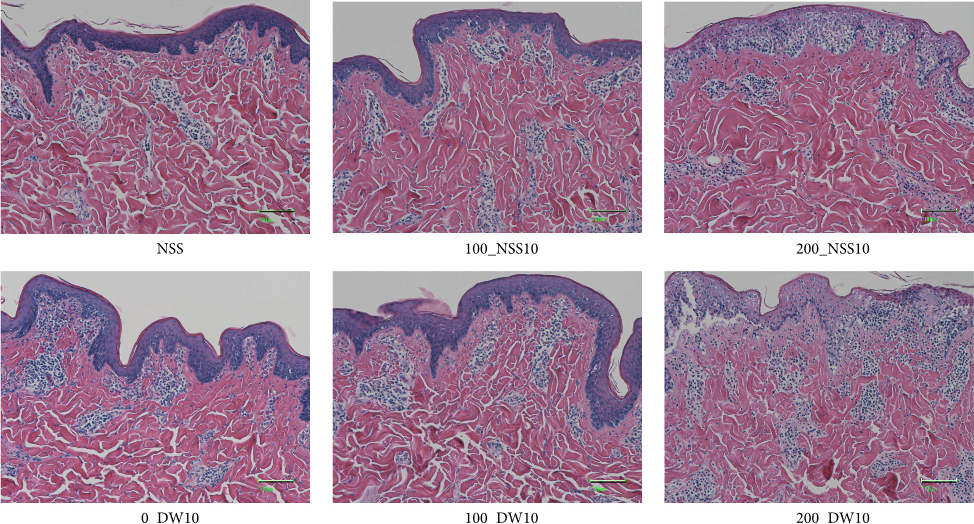
“We previously reported that high hydrostatic pressure (HHP) of 200 MPa for 10 minutes could induce cell killing. In this study, we explored whether HHP at 200 MPa or HHP at lower pressure, in combination with hyposmotic distilled water (DW), could inactivate the skin, as well as cultured cells. We investigated the inactivation of porcine skin samples 4 mm in diameter. They were immersed in either a normal saline solution (NSS) or DW, and then were pressurized at 100 and 200 MPa for 5, 10, 30, or 60 min. Next, we explored the inactivation of specimens punched out from the pressurized skin 10 × 2 cm in size. The viability was evaluated using a WST-8 assay and an outgrowth culture. The histology of specimens was analyzed histologically. The mitochondrial activity was inactivated after the pressurization at 200 MPa in both experiments, and no outgrowth was observed after the pressurization at 200 MPa. The arrangement and proportion of the dermal collagen fibers or the elastin fibers were not adversely affected after the pressurization at 200 MPa for up to 60 minutes. This study showed that a HHP at 200 MPa for 10 min could inactivate the skin without damaging the dermal matrix.”

So basically the 10 MPa goal is well under the 200 MPa that “damages” the skin.  And really it just inactivates mitochondrial activity.

” high hydrostatic pressure (HHP) of more than 600 MPa for 10 minutes could destroy cell membranes uniformly and in a short treatment time (within one hour, including the increasing and decreasing process of pressure), regardless of the thickness or hardness of the tissue ”

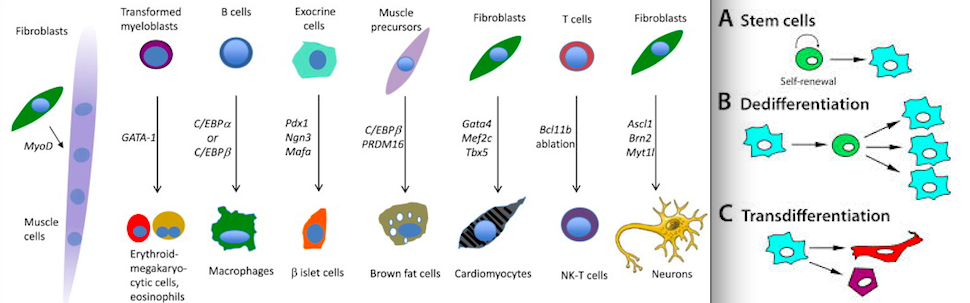
Here’s the fibrostic cells in response to 0 to 200 HP:   No more chondrogenic looking than it appeared before unfortunately.