Category Archives: Uncategorized

How do growth plates regenerate?

Growth plate regenaration has been covered before here and here.  Ultimately, this provides more evidence that the presence of germ immature cells are the key limiting factor in creating new growth plates.  Thus our primary focus should be on developing mechanical and supplemental methods that alter the structure of cells to be more like these growth plate chondrocyte precursor cells.

Regeneration of the Growth Plate

Pdf-growth plate regeneration

“The occurrence of growth plate regeneration has been doubted. However, in 5 different series of experiments reported between 1950 and 1986 regeneration of injured parts of growth plates in long bones of rabbits and pigs could be demonstrated. The 1st series implied partial X-ray injury of growth plates in rabbits aged 3–6 weeks.The 2nd series implied autotransplantation of the head of the fibula in rabbits aged 10–21 days. The 3rd, 4th and 5th series implied transplantation of autologous fat grafts into provoked defects of growth plates in rabbits and pigs. The findings show that regeneration of a growth plate occurs when a part of it is injured in such a manner that a bone bridge is not formed between the epiphysis and the metaphysis. Regeneration of a plate is much faster in relation to the growth in length of the bone in the rabbit than in the pig. The 1st and 2nd series suggest that regeneration takes place by interstitial proliferation of cells from the germinal layer of the uninjured parts of the plate. Signs of partial regeneration of growth plates have been seen in radiographs after operation for partial closure of growth plates in children. ”

Growth plate regeneration refers to the healing of damaged growth plates but if we learn the mechanisms by which growth plates are repaired we could potentially use those mechanisms to create new growth plates.

“Microscopic examination showed that injured portions of cartilage were pushed aside by the unirradiated carti­lage growing into the irradiated area transversely in rela­tion to the axis of the bone. In several experiments defor­mities and radiolucent foci appeared which showed similarity to those seen in dyschondroplasia{ectopic masses of cartilage}. When one  half of the distal  growth  plate  of the radius  had  been  irradiated then lagging  behind of  ossitication could  be demonstrated after 9 days.”  Part of the injured cartilage was left behind in the metaphysis as the bone was growing.  Another part adhered to the bony plate of epiphysis.  In between, there was what appeared to be normal growing regenerating cartilage.

2nd series. Another set of experiments describes growth plate regeneration via interstitial growth.  This type of growth would be very promising in terms of inducing adult height growth.  No perichondrium and no zone of ranvier ossification groove was present.  So there was no pool of typical growth plate progenitor cells.

“The regeneration seemed to take place from the viable parts of the germinal cell layer.”<-Bone and cartilage tends to come from the mesodermal layer.  But mesodermal cells implies the type of immature cells like embryonic stem cells.  But perhaps the right mechanical forces can still induce more adult mesenchymal stem cells into becoming more immature cells and into pre-chondrocyte growth plate cells.

“lt is generally accepted that interstitial latitudinal growth occurs in the very young animal, when the germinal zone cells of the growth plate are adjacent to a largely cartilaginous epiphysis as the tissues are plastic.”<-Plastic refers to irreversible deformation rather than elastic deformation where the object returns to normal.  You can get plastic deformation in adult bones it’s just much harder.

Later the study states that interstitial growth can still occur even against a more rigid epiphysis as long as the germ cells are present.

Occurding to Figure 16 area C, the germinal cells look much like resting zone cells.  We’ll have to study how much LSJL and other mechanical stimuli can induce mesenchymal stem cells to be more like mesodermal germinal cells.

A Mechanical Jack-like Mechanism Drives Spontaneous Fracture Healing in Neonatal Mice

“To study the mechanism underlying spontaneous regeneration of fractured bones, we left humeral fractures induced in newborn mice unstabilized, and rapid realignment of initially angulated bones was seen. This realignment was surprisingly not mediated by bone remodeling, but instead involved substantial movement of the two fragments prior to callus ossification. Analysis of gene expression profiles, cell proliferation, and bone growth revealed the formation of a functional, bidirectional growth plate at the concave side of the fracture. This growth plate acts like a mechanical jack, generating opposing forces that straighten the two fragments. Finally, we show that muscle force is important in this process, as blocking muscle contraction disrupts growth plate formation, leading to premature callus ossification and failed reduction.”

“The ossification of soft callus bares similarities to the process of endochondral ossification during skeletogenesis”

“another type of growth plate known as synchondrosis{these do fuse though} is located between the bones of the skull base. The synchondroses exhibit a remarkably organized structure, as each consists of two mirror-image growth plates facing opposite directions. These growth plates are fed by a shared resting zone located between them. The formation of double layers of prehypertrophic and hypertrophic chondrocytes drives growth in opposite directions, leading to expansion of the skull volume”

“the growth plate must also be able to generate considerable forces. Indeed, studies in various animal models as well as in humans suggest that the different growth plates can generate forces that range from the equivalent of 40% to 200% of body weight”

“an active bidirectional growth plate is formed at the concave side of the callus to mediate bone growth. This finding strongly supports our hypothesis that bone growth by the bidirectional growth plate generates the force required for the movement of the two fracture fragments during reduction, similar to a “mechanical jack” mechanism.”

“Expression analysis of SRY box containing gene 9 (Sox9), Col2a1, and Col10a1 revealed that the absence of muscle contraction led to symmetric chondrogenesis and loss of the bidirectional growth plate organization”

“in the absence of muscle contraction the callus fails to organize and act as a growth plate and undergoes early ossification”

“all of the characteristics of an active growth plate exist in the callus at the concave side of the fracture site, including gene expression profiles, cell proliferation, and bone growth. We therefore argue that the growth plate in the callus serves not only for intermediate stabilization, but also to actively promote bone reduction. However, unlike the epiphyseal growth plates and similar to the synchondroses that mediate cranial base expansion, the bidirectional growth plate at the fracture site drives growth in opposite directions. This generates force that moves the fragments toward straightening in a mechanical jack-like effect.”

Game Changing Breakthrough OTC Height Supplement-Meclozine

Meclozine is available without a prescription: Meclizine Chewable Tablets – 25mg – Model 85207 – Btl of 100.  Open growth plates only though but it looks like it could be very effective as it is similar to CNP which has a pretty big impact on height.
Even if you don’t understand anything below.  Please spread the word about this study.  It looks like a quite promising OTC height increase supplement.

Unfortunately, there have been no studies on Meclizine and human height and as shown by the study below there is cell toxicity to Meclizine.  Since Meclizine is a well established supplement, anyone who is currently undergoing longitudinal growth and wants to grow taller should take Meclizine at dosages recommended on the bottle and following all other directions about directed use.

Meclozine Facilitates Proliferation and Differentiation of Chondrocytes by Attenuating Abnormally Activated FGFR3 Signaling in Achondroplasia.

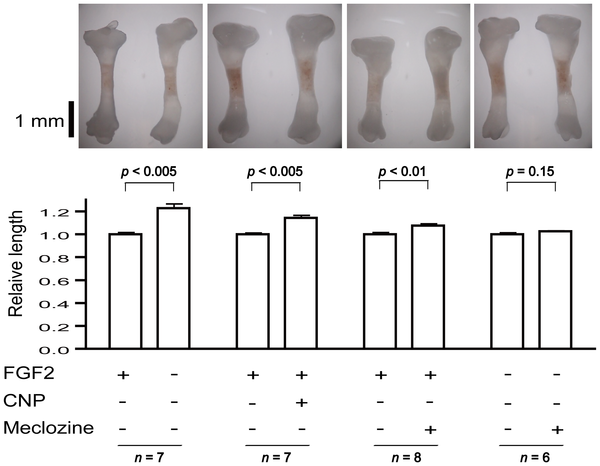
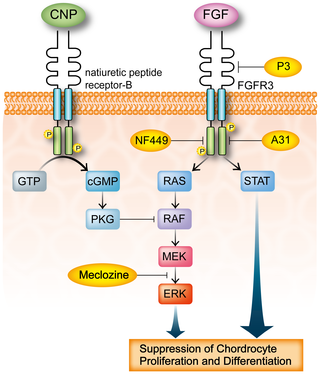
“Achondroplasia (ACH) is one of the most common skeletal dysplasias with short stature caused by gain-of-function mutations in FGFR3 encoding the fibroblast growth factor receptor 3. We used the drug repositioning strategy to identify an FDA-approved drug that suppresses abnormally activated FGFR3 signaling in ACH. We found that meclozine, an anti-histamine drug that has long been used for motion sickness, facilitates chondrocyte proliferation and mitigates loss of extracellular matrix in FGF2-treated rat chondrosarcoma (RCS) cells. Meclozine also ameliorated abnormally suppressed proliferation of human chondrosarcoma (HCS-2/8) cells that were infected with lentivirus expressing constitutively active mutants of FGFR3-K650E causing thanatophoric dysplasia, FGFR3-K650M causing SADDAN, and FGFR3-G380R causing ACH. Similarly, meclozine alleviated abnormally suppressed differentiation of ATDC5 chondrogenic cells expressing FGFR3-K650E and -G380R in micromass culture. We also confirmed that meclozine alleviates FGF2-mediated longitudinal growth inhibition of embryonic tibia in bone explant culture. Interestingly, meclozine enhanced growth of embryonic tibia in explant culture even in the absence of FGF2 treatment!!!!!!!. Analyses of intracellular FGFR3 signaling disclosed that meclozine downregulates phosphorylation of ERK but not of MEK in FGF2-treated RCS cells. Similarly, meclozine enhanced proliferation of RCS cells expressing constitutively active mutants of MEK and RAF but not of ERK, which suggests that meclozine downregulates the FGFR3 signaling by possibly attenuating ERK phosphorylation{Since everything . We used the C-natriuretic peptide (CNP) as a potent inhibitor of the FGFR3 signaling throughout our experiments, and found that meclozine was as efficient as CNP in attenuating the abnormal FGFR3 signaling!!!!!!!!{And CNP is a huge height increase disease}. ”

Loss of function of FGFR3 leads to tall stature and Meclozine decreases FGFR3 function even in normal cells.

“CNP has a short half-life and continuous intravenous infusion is required for in vivo experiments. The CNP analog with an extended half-life, BMN 111, has recently been developed and significant recovery of bone growth was demonstrated in ACH mice by subcutaneous administration of BMN 111″

” 0, 1, 2, 5, 10, and 20 µM of meclozine exhibited dose-dependent increases in RCS[Rat Chondrosarcoma cells] proliferation. We did not observe dose-dependency at 50 µM, which was likely due to cell toxicity. We also confirmed that 10 and 20 µM of meclozine increased the number of RCS cells”

“treating RCS cells with FGF2 for four hours induced expressions of matrix metalloproteinase 10 (Mmp10), Mmp13, and a disintegrin-like and metalloproteinase with thrombospondin type 1 motif 1 (Adamts1) transcripts{LSJL upregulates Admts1 and MMP13 but still increases height, LSJL in conjunction with Meclozine could increase height more}. We found that meclozine and CNP significantly suppressed expressions of these matrix metalloproteinases. We also quantified expressions of Col2a1 and Acan transcripts, but FGF2 treatment for 72 hours did not reduce the expression levels of these genes in RCS cells”

meclozine longitudinal bone growthThe rightmost figure(the one with n=6) is the Meclozine solo group.  Eyeballing it, it looks like it could be about 5% increase in longitudinal growth.  Note that a 5% increase on 5’9″ is 6’0″.

FGFR3 signalingFGFR3 signaling in chondrocytes.  LSJL does increase ERK phosphorylation.  Maybe that is a side effect of the boost of LSJL on longitudinal growth and not a cause of longitudinal growth.  And that both Meclozine and LSJL would have additive effects.

” a synthetic compound A31 is an inhibitor of the FGFR3 tyrosine kinase by in silico analysis. They demonstrated that A31 suppresses constitutive phosphorylation of FGFR3 and restores the size of embryonic femurs of Fgfr3Y367C/+ mice in organ culture. In addition, A31 potentiates chondrocyte differentiation in the Fgfr3Y367C/+ growth plate.  P3 has a high and specific binding affinity for the extracellular domain of FGFR3. They showed that P3 promotes proliferation and chondrogenic differentiation of cultured ATDC5 cells, alleviates the bone growth retardation in bone rudiments from TD mice (Fgfr3Neo-K644E/+ mice), and finally reversed the neonatal lethality of TD mice”

“These novel FGFR3 tyrosine kinase inhibitors, however, may inhibit tyrosine kinases other than FGFR3 and may exert unexpected toxic effects in humans. Meclozine may also inhibit unpredicted tyrosine kinase pathways, but we can predict that there will be no overt adverse effect, because meclozine has been safely used for more than 50 years.”

Here’s a study that will provide some insight into FGFR3 and why it inhibits growth in some cases but not in others:

The paradox of FGFR3 signaling in skeletal dysplasia: why chondrocytes growth arrest while other cells over proliferate.

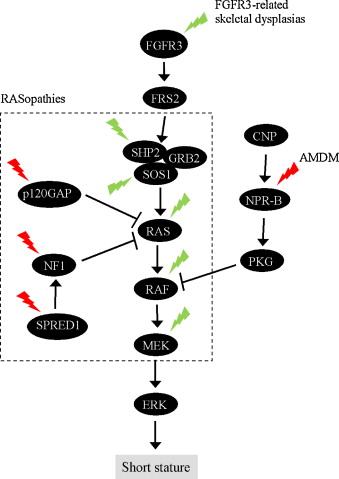
Somatic mutations in receptor tyrosine kinase FGFR3 cause excessive cell proliferation, leading to cancer or skin overgrowth. Remarkably, the same mutations inhibit chondrocyte proliferation and differentiation in developing bones, resulting in skeletal dysplasias, such as hypochondroplasia, achondroplasia, SADDAN and thanatophoric dysplasia{So maybe the longitudinal growth induced by LSJL is not produced by chondrocytes but rather by the stem cells which would be promising evidence for post LSJL-inducable height growth}. A similar phenotype is observed in Noonan syndrome, Leopard syndrome, hereditary gingival fibromatosis, neurofibromatosis type 1, Costello syndrome, Legius syndrome and cardiofaciocutaneous syndrome. Collectively termed RASopathies, the latter syndromes are caused by germline mutations in components of the RAS/ERK MAP kinase signaling pathway. This article considers the evidence suggesting that FGFR3 activation in chondrocytes mimics the activation of major oncogenes signaling via the ERK pathway. Subsequent inhibition of chondrocyte proliferation in FGFR3-related skeletal dysplasias and RASopathies is proposed to result from activation of defense mechanisms that originally evolved to safeguard mammalian organisms against cancer.”

“FGFR3 [inhibits] chondrocyte proliferation. FGFR3/ERK signaling triggers disintegration of the cyclin D3-cdk6 complex in the G1 phase of the cell cycle, followed by increased association of p21WAF1 and p27Kip1 cell cycle inhibitors (CKI) with cyclin-cdk2 and cyclin-cdk4 complexes, leading to inhibition of their kinase activities. Upon FGFR3 activation, CKIs accumulate at the protein level, due to the interaction with transcriptionally induced cyclin D1. cyclin D1 upregulation also mediates the pro-mitogenic effects of FGFR/ERK signaling. Duration, magnitude and timing of cyclin D1 and p21WAF1 induction in the G1 phase of a cell cycle determines the nature of the response to an ERK signal. A strong but transient ERK activation in the early G1 induces intermittent p21WAF1 accumulation and stable cyclin D1 expression, leading to cell proliferation. In contrast, robust and persistent ERK activation leads to stable p21WAF1 accumulation and growth inhibition despite the concomitant induction of cyclin D1.

In chondrocytes, unlike most other cell types, FGFR3 activation elicits highly prolonged ERK activation lasting for up to 24 h. This phenotype is likely to stem from the maintenance of ERK pathway activation within the protein complexes interacting directly with FGFR3. ”

So FGFR3 inhibits growth in chondrocytes but not other cell types is because FGFR3 activates ERK for too long which leads to growth inhibition due to excess levels of p21WAF1.

Another FGFR3 pathway“In chondrocytes, the premature senescence caused by FGFR3 activation does not involve the p53 pathway but appears CKI-dependent as induction of several CKIs (p21WAF1, p27Kip1, p16INK4a, p18INK4c, and p19INK4d) accompanies FGFR3-mediated inhibition of chondrocyte proliferation in vitro and in vivo”

NEW:

Meclozine Promotes Longitudinal Skeletal Growth in Transgenic Mice with Achondroplasia Carrying a Gain-of-Function Mutation in the FGFR3 Gene.

“Achondroplasia (ACH) is one of the most common skeletal dysplasias causing short stature owing to a gain-of-function mutation in the FGFR3 gene, which encodes the fibroblast growth factor receptor 3. We found that meclozine, an over-the-counter drug for motion sickness, inhibited elevated FGFR3 signaling in chondrocytic cells. To examine the feasibility of meclozine administration in clinical settings, we investigated the effects of meclozine on ACH model mice carrying the heterozygous Fgfr3ach transgene. We quantified the effect of meclozine in bone explant cultures employing limb rudiments isolated from developing embryonic tibiae from Fgfr3ach mice. We found that meclozine significantly increased the full-length and cartilaginous primordia of embryonic tibiae isolated from Fgfr3ach mice. We next analyzed the skeletal phenotypes of growing Fgfr3ach mice and wild-type mice with or without meclozine treatment. In Fgfr3ach mice, meclozine significantly increased the body length after two weeks of administration. At skeletal maturity, the bone lengths, including the cranium, radius, ulna, femur, tibia, and vertebrae were significantly longer in meclozine-treated Fgfr3ach mice than in untreated Fgfr3ach mice. Interestingly, meclozine also increased bone growth in wild-type mice. The plasma concentration of meclozine during treatment was within the range that has been used in clinical settings for motion sickness. Increased longitudinal bone growth in Fgfr3ach mice by oral administration of meclozine in a growth period indicates potential clinical feasibility of meclozine for the improvement of short stature in ACH.”

“A CNP analog with an extended half-life, BMN-111, has recently been developed, and significant bone growth recovery was demonstrated in amouse model of ACH by subcutaneous administration of BMN-111”

“Meclozine was administrated to 2-week-old wild-type mice for 3 weeks. As wild-type mice were weaned at 2 weeks after birth, we started meclozine treatment 1 week earlier than that for Fgfr3ach mice.  The body length of meclozinetreated mice was significantly longer than that of untreated mice after 1 week

“the plasma concentrations of meclozine used in the current study (0.2 or 0.4 g of meclozine per kilogram food).”

“Meclozine, an OTC H1 inhibitor, has been safely used for motion sickness for more than 50 years, and its optimal dose and adverse effects have already been established”

“in patients with ACH [given treatment with meclozine], the patients could be expected to increase 6.7 to 7.1 cm in height, based on the average height of adults with ACH.”


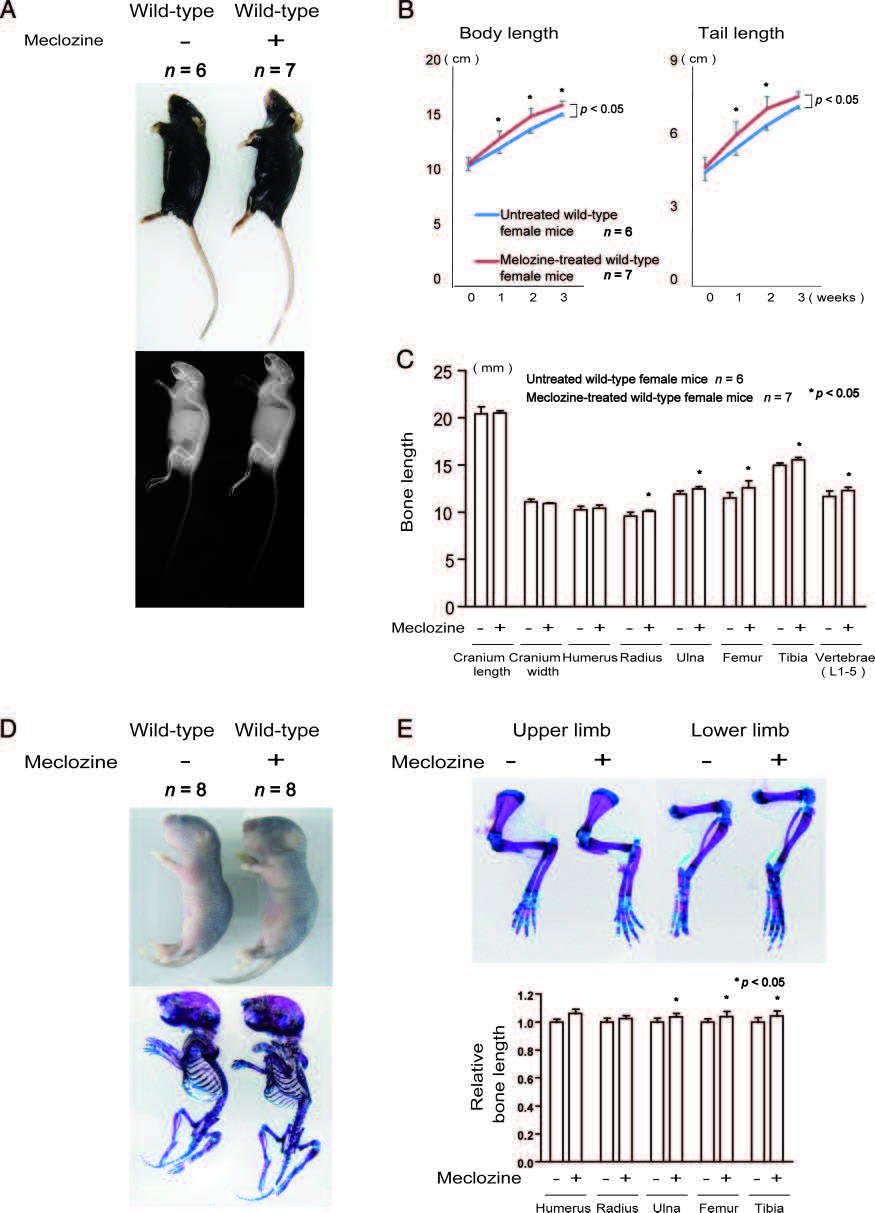
melcozone<-Treatment of mice with meclozine without FGFR3 deficiencies.  The meclozone treated mice are noticeably taller and lengthier.

“A-C, Wild-type mice were treated with meclozine 2 weeks after birth for 3 weeks. A, Visual images and soft X-ray images of wild-type female mice with or without meclozine. Meclozine-treated mice were larger than the untreated mice. B, Body and tail lengths of meclozinetreated
wild-type female mice were significantly longer than those of untreated wild-type female mice. Statistical significance analyzed by two-way ANOVA is shown on the right side of each graph. *P  .05 by Fisher’s LSD test for each pair. C, The lengths of the radius, ulna, femur, tibia, and vertebrae on the soft X-ray films were significantly increased by meclozine treatment by unpaired t test. D and E, Pregnant mice were treated with meclozine from embryonic day 14. D, Visual images and skeletons stained with Alizarin red and Alcian blue of wild-type mice at postnatal day 5, with or without meclozine. Meclozine-treated offspring were larger than untreated offspring. E, The lengths of the ulna, femur, and tibia measured using stained skeletons were significantly increased after meclozine treatment, as assessed by unpaired t test.”

The Calcium and Vitamin D In Milk Doesn’t Seem To Make Bones Stronger Either

I was driving home today and heard over the radio that there was news that a certain Dr. Karl Michaelsson in Sweden conducted a very large observational study to try to get the definitive answer on whether drinking milk does help make bones stronger or not. After looking at the carefully tabulated data of more than 100,000 subjects who took careful notes of their life over time, it seems that drinking more milk over a 20 year time span does NOT make the bones less likely to fracture.

This would seem to be going against what we were taught as little kids. The idea was that drinking milk was supposed to make young children taller and make the bones stronger. So far, we have proven that the correlation between young kids drinking milk and them ending up taller as adult is extremely weak. Now it seems that the claim that milk should make the bones stronger has also been sort of disproven.

Refer to the article written a month ago http://www.telegraph.co.uk/health/healthnews/11193329/Three-glasses-of-milk-a-day-can-lead-to-early-death-warn-scientists.html

Other Sources –  http://www.washingtonpost.com/news/to-your-health/wp/2014/10/31/study-milk-may-not-be-very-good-for-bones-or-the-body/

From what I could get out of the radio, drinking 3 glasses of milk a day doesn’t decrease the chances of fracture, and may in fact cause the person to die earlier. For women, the risk of fracture actually increases.

The theory proposed by Dr. Michaelsson on why this is is the following – The two types of sugar in milk, glucose and lactose, seem to cause the human body to go through even more oxidative stress. Oxidative stress is supposed to be one of the main causes for the human body to go through aging/senescence.

It turns out that when we were babies first coming out of our mothers, the first source of food was our mother’s breast milk. That breast milk had a lot of lactose in it. However, the new born baby as the lactase enzyme in the body to break down that lactose sugar. Over time, as the human develops and grows older, the level of lactase in their bodies seem to drop at a dramatic rate. In some countries like Asia, the level of the lactase enzyme is so low that people develop the condition “lactose intolerance”. The just don’t have enough of the enzyme in their body that is specifically used to break down the lactosse sugar found in milk and other dairy products.

What was shown was that instead of milk, hard cheese seemed to be able to decrease fractures. The difference between why hard cheese is effective and milk is not seems to come down to the fact that hard cheese has less levels and concentrations of lactose.

Conclusion

The first thing to realize is that drinking more than average milk does NOT decrease fracture incidences. In fact, it might have the opposite effect. This point is further validated by the PubMed Study “Milk, dietary calcium, and bone fractures in women: a 12-year prospective study.

What has been traditionally believed is that calcium is something that is desired for a developing children who is still growing taller. In the medical textbook that I have been reading, it seems that to have a developing child to be growing at their optimum level, they should be adding around 0.5 grams of extra calcium into their body everyday, and most especially during the puberty years, when they get their huge growth spurts, which should be around 1 gram of extra calcium each day

The reason milk doesn’t work in strengthening the bone is guessed by the researchers to be the negation of the effects of the calcium by the fat content in the milk.

Based on what I do know, it would still not be a good idea to stop giving the developing human child milk. Getting a reasonable amount of milk into a child is still somewhat important.

It might be that bovine derived milk is not completely compatible with the human stomach bacterial ecosystem. However, it does have some type of negligible effect.

Final TIp: Based on our research for the last two years, I am happy to tell the person who is worried about or suffers from low bone mineral density that they should instead look into a much better BMD(Bone Mineral Density) stimulant. –  Sclerostin Inhibitors (Refer to study “Sclerostin inhibition for osteoporosis–a new approach.”)

This Chemical Formulation Injection Will Make You Taller

Chemical Formulation InjectionAfter writing the recent long post about the fact that articular cartilage can go back into growth more from increased HGH stimulation after growth plate closure, I thought I would leave a real formulation which will definitely work to make the interested reader taller.

If the reader is rich enough, I would tell them to get the following three compounds.

  1. Real Human Growth Hormone
  2. Relaxin
  3. Growth Differentiation Factor-5

The last 2 years of my life dedicated to the pursuit of this knowledge has made me realize that this formulation of 3 compounds, when you inject it into your feet area, will cause the bones in the feet to loosen up, and then grow wider through periosteal appositional growth. The end result is that the feet bones now have more layers of bone and when the patient stands back up again, the overall skeletal structure has been “lifted” up slightly.

In addition, one would also have to keep their feet elevated for more than 6 months, while at the same time stretching the feet from the ankle area in a physical therapy type of situation.

The result would be a noticeable few millimeters or even 1 centimeter of increase. This formulation would absolutely work.

As always, all 3 chemicals are extremely hard to obtain, being very expensive. The normal person might be able to get their hands on real HGH these days, but the other two, I have no idea.

Overstimulation Of HGH After Growth Plate Closure Does Cause Slight Height Increase

HGHThis is probably the first really long post I have written in maybe 2 months. However, there have been an accumulation of new evidence suggesting that for some people even in their mid-20s, after full epiphyseal growth plate closure, could notice height increases, but at a smaller level.

So why do I now believe in this theory which goes against everything that the medical literature claims?

The first thing is that I have finally gotten around to reading this book “Bones and Bones, 2nd Edition” by Weinmann and Sicher for the last 4 months on my desk which I only cracked a few times. Tonight I took a really close look at what the medical authors wrote in the section on abnormal pituitary stimulation causing gigantism and acromegaly.

From page 210 to 228, the focus was on the overproduction of hGH from the pituitary gland. The stuff on Gigantism wasn’t too helpful, but the stuff written about Acromegaly was.

If the readers would ever buy the book, on page 214 I quote the following sentences….

“The elongation of the hands and feet is often first noted by the patient since he is forced to buy larger gloves and shoes….Probably the fact that each digit in the hand and foot consists of four segments (three in the thumb and big toe) is responsible for the considerable lengthening of the digits by small increments at the articular ends

“Although increased endochondral ossification of the articular cartilages cannot contribute significantly to the length of the humerus, femur, or similar long bones, an accumulation of small increments on seven sites on the three-phalangeal digits will result in marked elongation…”

The authors would then go on to notice that the excess of HGH in adulthood would cause the thorax area of the chest to become distorted, since in the adult human, the thorax/chest area is still fibrocartilage. HGH can make even fibrocartilage get wider/go into hypertrophy.

As for the irregular vertebral bones, the HGH release causes the bones to grow thicker, growing periosteally, on the anterior and lateral sides.

Along with the bones, the discs between them also get wider.

However, the fibrocartilage next to the discs differentiates, especially at the periphery of the disc and adjacent to the bone, into hyaline cartilage!

As the author, says “Thus, a new site for endochondral ossification is established, which creates a spur and a shelflike hyperostosis at the edges of the vertebral bodies.” Of course, we need to realize that they are talking about bone growth in the horizontal direction, not vertical. However, that doesn’t mean that there is no stimulation for the hyaline cartilage to also push against gravity in the vertical direction.

The last thing to realize is that for people who suffer from acromegaly, their mandible jaw bone over time starts to grow and become longer. That is because of the synovial joint in the area which the zygomatic cheek bone bridge meets the temporal bone with the mandible That is known as the Temporal-Mandibular Joint, or the TMJ. On a related note, it seems that the surgery of limb lengthening is done quite often to the TMJ area to make it longer (why, I don’t know)

So here is what the reader should take away. The following points…

  • Even after the long bones have no “growth plates”, growth will still be going on everywhere else, including even the organs inside the body.
  • Acromegalic people notice that their fingers and feet seem to get wider and longer, similar to how pregnant females notice the same thing
  • The fibrocartilage in their IVD area changes into hyaline cartilage!
  • The slight bit of articular cartilage also starts to go into over-activity.
  • When it comes to fingers, they will continue to get wider and longer
  • The TMJ jaw area of the person which never ossifies slowly makes the person’s skull “longer”

What is most surprising to me is the statement made that the fibrocartilage tissue differentiates into hyaline cartilage! And also remember, that between the fibrous and collagenous type of tissue in the discs and the vertebrate bone, there will always be a very, VERY thin layer of hyaline cartilage tissue, usually only at the thickness of say 3-5 cells across.

Now, let’s take a look at a well known case of a person who became tall due to overactive pituitary gland function. Anthony Robbins. He recently did a video interview with Lewis Howes to promote his first new book in 25 years, dealing with Money, Investing, and how to take control of one’s finances. I clipped one picture from their interview (to see the interview, Click Here).

While I was listening to the interview, I couldn’t help noticing how much bigger Robbin’s head was compared to Lewis’s. Lewis is probably around 6’5″- 6’6″ and Tony is well known for being 6′ 7″. However, Tony doesn’t look proportional. His skull, his upper chest/torso area, and his hands are abnormally large, but the length of his femur/upper leg is disproportionally short. Lewis in comparison looks very proportional.

Grow Taller

This reveals (and validates) something which I have theorized for a long time, but may never be proven.

I don’t know anything about Anthony Robbin’s biological father, but I would say that he was not genetically not pre-programmed to end up super-tall, unlike Yao Ming or Shaq, who had tall parents and grandparents. He said he was only 5′ 2″ as a 15 year old kid. The HGH that caused his body to grow seemed to really make his head, torso, and hands, and feet bigger.

That means that when it comes to the long bones, the effect they have didn’t do as much as to the irregular bones.

I remember once theorizing that the disproportionate torso/leg ratio of Michael Phelps was because of his eating habits. For a person who ate a lot as a kid, their torso/leg length ratio would increase.

Now, compare that to a person who was not a big eater as a kid, but still ended up tall, like most NBA players. NBA players are notoriously well known for being “long” which means that their legs, and their arms are super-long, compared to their height. If you look at an old interview with Yao Ming and Tracy McGrady together, you would notice that Yao is 1 foot taller than Tmac when sitting down. That means that for a person like Yao, his height came from his torso mostly, which explains why Yao was known for abnormally short arms, with a wingspan of only 7’4″-7’4.5″. For Yao, his limbs were short.

So I will reiterate my theory again.

  • People who are genetically pre-programmed to be tall get their height from their long limbs (arms and legs)
  • People can change their pre-programming a little to become taller as adult by eating a lot as a kid, to change the length of their torso relative to the length of their legs, which are more or less set by the height of their “genetics”

Now I am not saying that Robbins was a big eater when he was younger. He probably wasn’t since he lived in a very poor family. His height came from this “gift from god” or stupid luck.

Of course, when it comes to Gigantism, I could play Devil’s Advocate and show another case, Elisany Da Silva, who would attribute her height from the lengthening of her limbs, not her torso. However, I would counter-argue that the proportionality is determined by the age at which the onset of overactive HGH started.

Getting back to the subject, I once wrote a post here on Maurice Tillet, the French Angel, who was actually quite short (5’6″ maybe) but developed acromegaly. The argument I made back then was that Tillet didn’t get any taller even though HGH was overactive in his system, to show that HGH stimulation after growth plate closure was not possible. Now, I am reversing my opinions, but only to show that there are exceptions to the rule. However, I suspect that his acromegaly started later in his life. There is a time limit for when HGH is no longer effective, and it is not at the point of growth plate closure, but some time after it. 

Why would I claim this idea? Well, the body of a 30 year old and a 23 year old is very different. I suspect that even at the age of say 24 or 25, even after the growth plates are supposedly “closed” a person who gets a high enough HGH stimulation would find that they would be able to increase their height, but only by as much as 1-1.5 inch though.

The human body is not a fixed entity, similarly to a bone. It is possible to shake the body to made certain biochemical physiological processes to accelerate enough to cause dramatic changes in the body. The very fact that my own girlfriend of the last two years would say that she grew 1 cm makes me wonder whether the human body is capable of making much more dramatic changes in a short period of time.

If the person is young enough, a high enough HGH injection into the body would shock the body into vertical growth for the last time.

It would stimulate the following areas of the body to grow…

  1. The fibrocartilage in the region of the IVDs would differentiate into hyaline cartilage.
  2. The 2 very thin layers of hyaline cartilage sandwiched between the discs and the vertebrate bone will start to proliferate just a little.
  3. The irregular shaped bones in the feet will grow periosteally, have the macroscopic effect of  pushing the overall skeletal system upwards, thus grow taller.
  4. The layer of articular cartilage in the hip joint will increase as well, as well as the articular cartilage of the tibia and femur in the knee joint.

All of the following physiological processes would accumulate in millimeters until the person gets maybe an overall 1 inch of extra height. That is not a lot, but it does prove a concept. The articular cartilage layer will indeed start to get thicker if you get the growth hormone into the system. 

If the person needs even more indication that articular cartilage growth is going to contribute to bones lengthening, realize this…

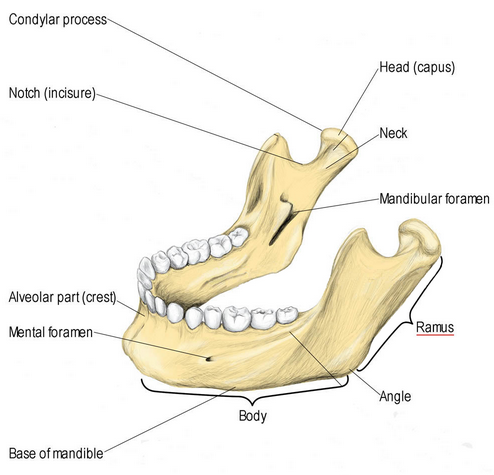
Mandibular CondyleThe mandible grows by endochondral ossification at the condyle and by surface apposition in certain areas. The condylar growth increases the height of the ramus and the overall length of the mandible!!

What that means is that for the human who has his/her normal growth plates closed, and they are have GH overstimulated, thus develop the medical condition known as acromegaly, the condylar growth, which is only from an articular cartilage layer, is enough to increase the length of the ramus, which is just the outer posterior lateral section of the mandible!!

This would suggest that if we could get off of our feet, and into an environment of lower gravity, HGH would work in increasing the length of the much bigger long bones like the femur trough articular cartilage layer deposition. If we were able to lie down on a horizontal bed for 24 hours for maybe 3-4 years, or live in a spaceship with 0 G, our long bones would grow longitudinally, at least up to a noticeable amount.

Concluding statement – Finally, let me reference page 220 of the book, the first paragraph “In acromegaly, growth of the mandible can again be initiated and continued even at a time when growth has normally ceased because of the peculiar histologis structure of the condyle. Here, the bone in younger individuals is covered by a cap of hyaline cartilage, which in turn, is covered by a thick layer of fibrous tissue. Remnants of the hyaline cartilage, which serves as a site of growth in the same way as the epiphyseal cartilage of the long bones, persist even in old individuals. As long as this hyaline cartilage is present, its proliferation can again be set in motion by a hyperactive pituitary gland, and it will then assume its function as a growth center of the mandible where it left off at the termination of normal growth. But even in cases in which an eosinophil adenoma or the hypophysis develops after the disappearance of the cartilaginous cap, a differentiation of hyaline cartilage from the fibrous covering of the condyle is not only possible, but also highly probably. If a new layer of hyaline cartilage has developed, endochondral growth can again set in after resorption of the terminal plate. As in other bones, the periosteal appositional growth is stimulated by the growth hormone; but this growth does not keep pace with the endochondral condylar growth, and the effect is a gradual increase in the mandibular angle.”

What the above paragraph shows is that you can make a bone longer even with just a cap of articular hyaline cartilage, similarly to how the antlers of deers grow out, which I did research more than 2 years ago. The key is to not be pushing down on the cartilage cap, which is not possible since we humans must walk. If we were upside down or had our overall weight lifted from the knee cap cartilage, the tibia bone will most likely start to slowly get longer.

Tyler’s Notes:

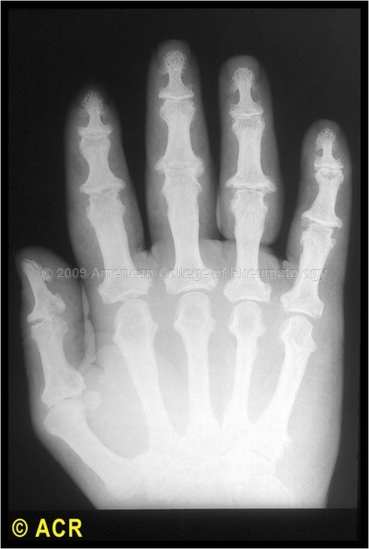
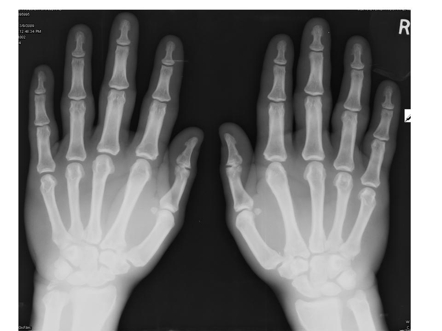
Here’s some hand xrays from an acromegalic hand:


Acromegaly: Hand

First, notice how white it is indicating very high levels of bone density.  The epiphysis is much wider than normal.

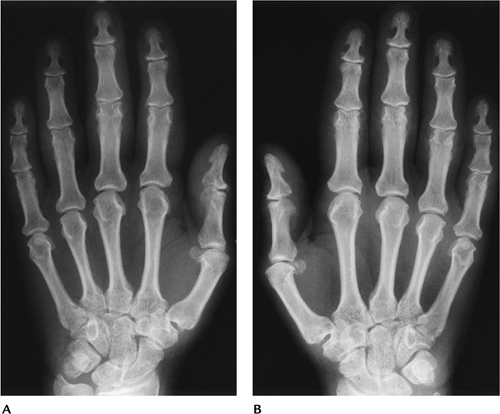
Here’s another acromegalic hand xray:

Acromegalic_hand_x-ray 2The bones are again much whiter than normal indicating increased density but the increase in epiphyseal width isn’t there.

Here is another acromegalic hand xray more like the first:

Acromegalic_hand_x-ray 3

There is epiphyseal widening but not as extreme as the first xray.

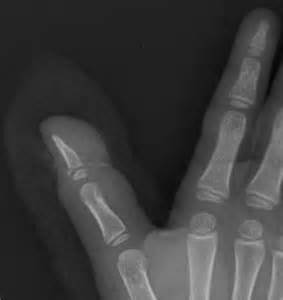
Let’s look at some developing fingers:
finger growth plates

You can see that not only is the growth plate region not fully developed but the articular end without the growth plate too.  It is possible that this development which could occur with physical stimulation or with elevated HGH due to acromegaly could continue into adulthood and contribute to longitudinal bone growth.

My Girlfriend Claims She Grew 1 cm

I had said in a few posts back that I would not be doing too much posting on this website for the next 4-5 months as I am building up another project of mine. However, something interesting did happen today which made me start to rethink some theories I have had ever since last year.

I was on Skype with my girlfriend, and she told me that she found out from a recent Medical Exam that she was measured at 1.62 meters in height. Before that, she had always claimed that she was just 1.61 meters in height. Now, 1 cm is only about 0.394 inches, but since the rest of the world bases the measure of length on the meter, and thus the centimeter, that 1 extra centimeter in height is noticeable.

How was I supposed to take that type of news, since I am probably one of the only researchers in the world who has been actively looking for this type of phenomena??.

She is 26 now, with a birthday in January. It makes no sense for a girl of her age to ever increase in height.

However, females increasing in height in their late 20s is NOT completely unheard of.

She almost completely validates a theory I had about a year ago.

It seems that females who have been abnormally thin and with low bone density seem to have height increasing capabilities later than most other women.

In addition, she has been suffering from cold knees and knee pain for the longest time.

Recently she went to get 3 of her wisdom teeth removed, almost a dozen cavities filled, and had to see multiple medical specialists over medical problems.

In addition, she has been complaining for more than a year that she feels a strange feeling of pressure on her eyelid. A trip to the eye doctor suggested that she might very likely develop glaucoma. When the likelihood of glaucoma was ruled out, she went to see a Neuro-Specialist, who suggested that she might have a tumor developing in her brain, causing the optic nerve behind her eyeball to become pinched, causing that feeling of pressure on the eyelid. She did go get a CT Scan. Was it possible that she has some type of tumor in her pituitary causing pituitary adenoma?

So let me list the types of medical conditions she has been suffering from

  • Childhood history of being abnormally thin
  • She has the most common symptoms of a person with low bone density
  • She suffers from having knees which are always “cold”
  • Her knees have been developing pain, which has started to affect also her lower back.
  • Her blood test shows that her iron level is low, suggesting maybe anemia.
  • Has a long history of extremely heavy bleeding during menstration.

In response to all this, she has being taking the following supplements

  • Iron
  • Multivitamin
  • Magnesium
  • Vitamin D3
  • Glucosamine HCL (not the Sulphate type)
  • Lexapro

I don’t really know what to think right now since someone very close to me has gone through the small big of transformation which we have been searching for the last two years.

Could her claim to be a fluke, maybe a measurement error, or she just hasn’t measured herself in the last 10 years, ever since she noticed that she leveled off in height at the end of puberty?

If I was to be a sceptic, I would say that she has been at 1.62 meters in height for a long time, but she just never realized it. I remember more than a year ago, at a Zoo in Everland (South Korea), there was a height scale on the side of an exhibit to compare ourselves to the giraffe. You walk by it to get an idea of just how much taller a giraffe is to you. She walked under that height scale and stated that she was just 1.61 meters in height. Where I was standing, it looked like she was closer to the 1.62-1.63 meters range, and she was wearing TOMS shoes, the ones which only have less than 1 cm of heel height. If I was to guess, she was already 1.62 meters in height already.

However, let’s say that she did miraculously grow by 1 cm in the last few months. How would I even be able to validate that idea?

The only thing that I can think of is to maybe wait another 6 months or 1 year to see if she has pushed up in height again, to say 1.63 meters. If that happens, then I know that what I have been searching for the longest time may be already right next to me.

If she is growing, then it is time to ask myself, as probably the worlds most extensive amateur height increase researcher, how is it that my own girlfriend has grown at this late stage of her life?

Tyler’s Notes:  Due to being abnormally thin in childhood, it could be catch up growth due to lack of nutrients.  Remember there’s a proliferative capacity of the resting stem cells.  During the lack of nutrients this proliferative capacity is maintained, but there does some to be some height loss permanently that could not be caught up.