Author Archives: Senior Researcher

Psychosocial Short Stature aka Kaspar Hauser Syndrome And The Relationship Between Mental Health And Height

I recently found a Wikipedia article (HERE) on a topic which made me really think about a critical element to what determines our overall height, which is our mental and emotional state.

We all know that genetics, sleep, nutrition, and exercise plays a role in determining our height, but what about our mental health? There are many claims going around the height increase and grow taller niche and one of them is that of using hypnosis. A lot of people state that for you to be taller, you have to really be positive and believe you WILL grow taller and increase your height. So the obvious question is. How much does our mental state affect our height?

From the article on Psychosocial Short Stature, it seems that the effects are really dramatic, at least when it some to how it can limit our grow if we are not in the healthiest of mental states.

From the wiki article…

Psychosocial short stature (PSS) or psychosocial dwarfism, sometimes called psychogenic or stress dwarfism, or Kaspar Hauser Syndrome,[3] is a growth disorder that is observed between the ages of 2 and 15, caused by extreme emotional deprivation or stress.

The symptoms include decreased growth hormone (GH) secretion, very short stature, weight that is inappropriate for the height, and immature skeletal age. This disease is a progressive one, and as long as the child is left in the stressing environment, his or her cognitive abilities continue to degenerate. Though rare in the population at large, it is common in feral children and in children kept in abusive, confined conditions for extended lengths of time. It can cause the body to completely stop growing but is generally considered to be temporary; regular growth will resume when the source of stress is removed.

Etiology

Children with PSS have extremely low levels of growth hormone. These children possibly have a problem with growth hormone inhibiting hormone (GHIH) or growth hormone releasing hormone (GHRH). The children could either be unresponsive to these hormones or too sensitive.

Children who have PSS exhibit signs of failure to thrive. Even though they appear to be receiving adequate nutrition, they do not grow and develop normally compared to other children of their age.

An environment of constant and extreme stress causes PSS. Stress releases hormones in the body such as epinephrine and norepinephrine, engaging what is known as the ‘fight or flight’ response. The heart speeds up and the body diverts resources away from processes that are not immediately important; in PSS, the production of growth hormone (GH) is thus affected. As well as lacking growth hormone, children with PSS exhibit gastrointestinal problems due to the large amounts of epinephrine and norepinephrine, resulting in their bodies lacking proper digestion of nutrients and further affecting development.

While the cure for PSS is questionable, some studies show that placing the child affected with the disease in a foster or group home increases growth rate and socialization skills.

Me: I asked a person I am working with on what she can find on the link between mental health and human growth and she pointed out two articles which I looked over. They are located HERE (resource 1) and HERE (resource 2).

From resource 1, HERE

Other endocrine interactions

Growth, reproductive function, and the thyroid axis are also influenced by stress system activation. In the acute setting of stress, glucocorticoids stimulate the growth hormone gene, leading to enhanced growth hormone secretion.53 However, with more prolonged stress, growth hormone release is suppressed by CRH‐induced elevations in somatostatin levels.54 This results in an inverse relationship between the diurnal concentrations of cortisol and growth hormone. Also, glucocorticoids directly inhibit growth hormone effects at target tissues by inhibiting insulin‐like growth factor‐1 (IGF‐1) and other growth factors.55 The effects of stress on the growth axis may account for the delay in growth often seen in chronic disease and emotional deprivation in childhood.

CRH, β‐endorphin, and glucocorticoids inhibit GnRH secretion from the hypothalamus. Glucocorticoids also suppress pituitary gonadotrophin release and inhibit gonadal tissue.56 Patients with illnesses associated with increased HPA‐axis activity, such as anorexia nervosa, hyperthyroidism, and malnutrition, may experience abnormalities of menstrual and reproductive function.57–,59

From resource 2, HERE

Me: I really coudn’t figure out the link to the study and how human height is effected. The conclusion is that behavior created from stress is from the Corticotropin-releasing hormone receptor, but don’t need the actual hormone. The Abstract below…

Stress-induced behaviors require the corticotropin-releasing hormone (CRH) receptor, but not CRH

+

Author Affiliations

  • *Program in Neuroscience, Howard Hughes Medical Institute, and Division of Endocrinology and Department of Neurology, Children’s Hospital, and Harvard Medical School, Boston, MA 02115; Department of Pharmacology, Louisiana State University Medical Center, Shreveport, LA 71130; Department of Psychology, Tufts University, Medford, MA 02155; and **Department of Psychology, University of Wisconsin, Madison, WI 53706
  • Edited by Bruce S. McEwen, The Rockefeller University, New York, NY, and approved April 30, 1999 (received for review October 6, 1998)


Next Section

Abstract

Corticotropin-releasing hormone (CRH) is a central regulator of the hormonal stress response, causing stimulation of corticotropin and glucocorticoid secretion. CRH is also widely believed to mediate stress-induced behaviors, implying a broader, integrative role for the hormone in the psychological stress response. Mice lacking the CRH gene exhibit normal stress-induced behavior that is specifically blocked by a CRH type 1 receptor antagonist. The other known mammalian ligand for CRH receptors is urocortin. Normal and CRH-deficient mice have an identical distribution of urocortin mRNA, which is confined to the region of the Edinger–Westphal nucleus, and is absent from regions known to mediate stress-related behaviors. Since the Edinger–Westphal nucleus is not known to project to any brain regions believed to play a role in anxiety-like behavior, an entirely different pathway must be postulated for urocortin in the Edinger–Westphal nucleus to mediate these behaviors in CRH-deficient mice. Alternatively, an unidentified CRH-like molecule other than CRH or urocortin, acting through the CRH receptors in brain regions believed to mediate stress-induced behaviors, may mediate the behavioral response to stress, either alone or in concert with CRH.

Stress, defined as the response of the body to any threatening demand (1), can be broadly separated into physiological responses, including the stimulation of adrenal glucocorticoid secretion, and behavioral responses, including anxiety and fearful behavior. Alterations in the stress-response system are believed to underlie many anxiety-related disorders (2–5). Corticotropin-releasing hormone (CRH) has been implicated in both physiological and behavioral stress responses. CRH was identified by its ability to stimulate adrenocorticotropic hormone (ACTH) secretion from anterior pituitary corticotrophs, thus activating the hypothalamic–pituitary–adrenal (HPA) axis (6). In addition, infusion of CRH into the brain was found to cause stress-like behaviors (7), suggesting that CRH integrates physiological and behavioral activities into a generalized stress response. Subsequently, many other pharmacological studies have implicated CRH in the behavioral response to stressors. These studies confirmed that intracerebral infusion of CRH induces stress-like behaviors and additionally that intracerebral infusions of CRH antagonists blunt the behavioral response to a stressor (8–10). Furthermore, transgenic mice that overexpress CRH exhibit increased anxiety-like behavior (11).

The role of the CRH receptor in the behavioral stress response has been further evaluated. The two known CRH receptors, type 1 and type 2 (12), both consist of a 7-transmembrane helix functionally coupled to adenylate cyclase via Gs. For the most part, the anatomical distributions of the two CRH receptors are distinct, with the type 1 receptor expressed in the central nervous system in regions including neo-, olfactory, and hippocampal cortices, subcortical limbic structures in the septal region and amygdala, certain relay nuclei in the brainstem, and the cerebellum (13). One splice variant of the type 2 receptor is expressed in the periphery, whereas another splice variant is expressed in specific subcortical structures, the lateral septal nuclei, and the hypothalamus (14, 15). Two reports of mice lacking the CRH type 1 receptor have confirmed a role for this receptor in anxiety-related behavior (16, 17). CRH type 1 receptor-deficient mice display decreased anxiety-like behavior in the dark–light emergence task and the elevated-plus maze, both behavioral paradigms thought to measure anxiety in rodents. Both studies conclude that CRH mediates the behavioral responses to stressors by means of the CRH type 1 receptor (16, 17). More recently, a CRH type 1 receptor antagonist has been found to block both the acquisition and expression of stress-induced behaviors in rats (18).

Thus, the CRH type 1 receptor clearly mediates behavioral responses to stress, with the evidence to date implicating CRH as its most likely ligand (9, 10, 19). The other known mammalian ligand for CRH receptors is urocortin (20). Urocortin, acting either alone or in concert with CRH, is a potential mediator of in vivo stress responses, because in the studies cited above, infused or transgenically overexpressed CRH could act at receptor sites normally occupied by urocortin, and CRH antagonists could block urocortin actions as well as those of CRH (21). Therefore, we examined the role of CRH in this pathway by characterizing the behavioral responses to stressors of CRH-deficient (knockout, KO) mice (22) and the effects of CRH antagonists on these responses. We also examined the expression of urocortin mRNA in wild-type (WT) and CRH KO mouse brain to assess whether its distribution provides insight into its potential role in mediating stress-induced behaviors.

Me: What I can say is that stress does cause the human brain to release certain hormones that seems to inhibit the human longitudinal growth process. Here is my theory, from using evolutionary biology. The human body can be viewed as a system of work done that needs energy input. For the body/system to become bigger, it needs a lot more energy than before to even get it to grow to that size. 

So, while you are still young, stay happy and dont get too stress out. There is really no good point and you won’t be inhibiting your growth process.

If we view stress, as a form of resistance or internal conflict, we can use the analogy froom physics that stress is like friction, which is lost energy. If we are losing the energy, we don’t have the energy to go through our growth spurts. So stress is taking away the energy our young bodys/minds need to make that quantum energy leap. 

From the researcher, she states…

“cortisol is released during stress, and cortisol inhibits growth,….Yes, being in a happier less stressful situation, a person raising their chances of growing.”


Increase Height By Quad Rod Implants Into The Vertebrate For Scoliosis Patients

Me: I wanted to make this post be about using surgery to correct for spinal deformities. In effect, the rod implanted into the vertebrate to stop the curvature of the spine and relieve much pain will also increase height.

I found this article HEY Clinic For Spine & Surgery at Raleigh, NC where a spine surgeon talks about using a new 4-rod implant to make a patient who already had implants in her back stronger and more durable since her current rods have broken apart..


The Hey Clinic for Scoliosis and Spine Surgery

This is where Dr. Hey shares his thoughts regarding recent patients he has cared for, and shares photos and case summaries to benefit patients, their families and friends, other physicians, medical students, residents, and fellows. Dr. Hey works at the Hey Clinic for Scoliosis and Spine Surgery, Raleigh, NC USA http://www.heyclinic.com.

FRIDAY, SEPTEMBER 14, 2007

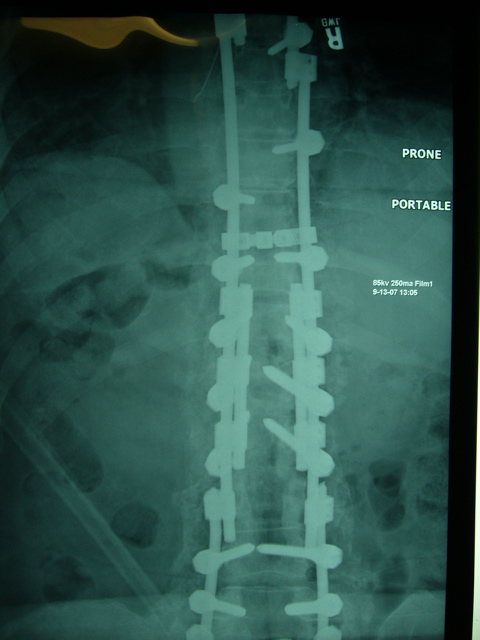
Hey Clinic Sep 13 2007 AM Surgery: New “QUAD ROD” technique for stabilizing thoracic kyphotic fracture with history of rod breakage.

Yesterday morning, September 13th 2007, we helped a Nancy, a 75 yo woman who had a T12 severe wedge fracture above a previous fusion which caused myelopathy and severe pain. This was fixed using a laminectomy, and extension instrumentation and fusion. Postoperatively, she had trouble with rod breakages at that high load area around T12, with 2 rod construct, and then 3 rod construct. She how presented with recurrent rod breakage at that same T12 area, breaking both rods, and breaking conectors for the triple rod, resulting in recurrent kyphosis and pain. Given the amount of wedging at T12, we had discussed possibility of fixing this problem with an anterior/posterior procedure, removing body of T12 and replacing the vertebra with a strut expandable cage with graft, then instrumenting posteriorly. However, that is a very big operation, which involves having to take down diaphragm, etc., and Nancy was not interested in that at all. So, for the past couple of months, I have been working on several different engineering designs to make a stronger construct across this junction, “playing” with my set of Synthes “erector set” tools, and trying to come up with a new design which would be at least ten times stronger than the last one, but also be low profile enough that it would not cause problems with soft tissue prominence.

What seemed to be the best solution is a new surgical technique that I call the “Quad Rod”. Instead of just having 2 rods going across the area of the fracture, there are actually four rods, all closely coupled to each other with very strong rod to rod connecters. The combination of this second rod on each side closely coupled to the main rod means that there is major improvement in bending and twisting strength and rigidity, while still keeping a low profile instrumentation, while leaving the lateral “gutter” over the transverse processes wide open for BMP and bone graft.

Over the past couple months, I have done a bunch of different permutations of the “Quad Rod” on the spine model, and also experimented with other combinations including a 6 rod construct, which proved to be very strong, but very bulky. I also got a chance to try a small version of the Quad Rod unilaterally on a surgery a couple weeks ago which went well, and helped me think through some of the complexities of the rod insertion.

For my resident and fellow and younger spine surgeon readers, let me go over a few basic points.

1. Rods and/or screws are not meant to be able to withstand a lifetime of loading for most normal-sized people: they are meant to hold things in position hopefully long enough for the bone to heal, forming a fusion along the spine. This fusion can be thought of as “cement” that very slowly “hardens” around the metal superstructure, forming a very solid construct. However, the bone can take up to a year or even more to completely heal, especially in older patients who have weaker bone that does not make bone as quickly. If the bone does not heal, it is possible that the rods could break, or that the screws could loosen in the bone, and start to “toggle”. This could cause pain and deformity.

2. Whenever you face a revision instrumentation case, you always want to be thinking about making your new construct much stronger than the old one, while trying to get the bone to heal quicker using biological enhancers like bone morphogenic protein (BMP) and local or autologous bone graft. My military analogy here is this: If you get beaten in battle with 20 guys, don’t go back the next time with 20 or 21 guys —-> bring 100+ guys the next time, maybe with fire power from aircraft and a tank or two!

In this particular case, my first revision instrumentation used a triple rod technique with BMP, which had been my rock-solid revision instrumentation technique for broken rods, which had worked without fail for past 3 years or so without fail… Until Nancy broke the Triple Rod a couple months ago! So this time I am calling out the Marines, Air Force, Army, Navy and the Six Million Dollar Man! Here are the things I planned to do, and did differently with this revision:

1. Replace the screws above and below the unstable fracture with new screws, at least 1mm in diameter larger than the last ones. Putting in new screws here helps since the old ones had a lot of “cycles of load” on them and could break. 1mm larger diameter for each of these screws also makes the screw much stronger — the strength of the screw goes up as the 4th power of the diameter! (That’s like way bigger than double, or square or triple). So, for example, if you were to double the diameter of the screw, the strength would go up 16 time!

2. Put pedicle screws into the body of T12, where the fracture occurred. While I could not do this originally when the fracture occurred, since the body was “smashed”, now that it has been a year or more since her original fracture, I had hoped that the bone would have healed. Much to my delight today, I found that the bone had healed. It was still very tricky to get the screws placed, given previous laminectomy and scar, etc, but thankfully I got in 2 very solid screws at T12. This extra vertebral body support directly adjacent to where the fracture was unstable helped tremendously to improve the strength of the overall construct.

3. Stronger Rods. Thankfully, Synthes just recently released a new Titanium Alloy rod which is much stronger than the old rod, but is the same 7mm diameter. One of the fun things that occurred in this particular case was my interactions not only with Nancy, but with Nancy’s husband, Bob, who has a phenomenal background in metallurgy and engineering. One of Bob’s initial suggestions for this last revision was to use larger diameter rods, which from an engineering standpoint makes a lot of sense, but from a biologic standpoint doesn’t work as well, since the rods would become prominent. It would also require all of the screws and other connectors to be re-machined, and then retested. The best we could do was to get a stronger rod, but in the same diameter by changing the titanium alloy.

4. “HEY QUAD ROD”. This is one strong construct. The close coupling of 2 rods almost right next to each other with three encasing titanium block sleeves, which are then locked to each other with set screws makes for an incredible “I-Beam” that resists bending and twisting greatly. We recently received a grant, and are working with Professor Mazzolini and others at NC State Department of Mechanical Engineering to study the strength of some of these new constructs using computer models and lab testing. This “Quad Rod” is tough to put together, but once together is very low profile, and very strong. I have a bunch of tips that make it work very well. I used the new Quad Rod with the Synthes USS Titanium system, which has a special cap and nut locking system that locks the rod to the screw. One of the troubles you may have trying to do the Quad Rod with another system is that the screw diameter may be too large to allow the second joining rod to fit with the rod to rod connector. The rod to rod connector is something that other systems may have, which is used usually for doing extension instrumentations, where one rod is added onto another rod. In this case, I actually used a total of 5 rod to rod connectors on each side, and 10 altogether: three are used around the apex of the fracture, with the middle one right over the T12-L1 toggle point, and then one above at T11-T12 interspace, and L1-L2 interspace just below the apex of the “toggle”. The other 2 rod to rod connectors are placed at the top and bottom of the whole section of rod I replaced, which were down at L2 and up at T6 on each side. It turns out that the rod to rod connectors are almost the perfect length to “fill” the interspace between each of the pedicle screws, creating an additional thick “sheath” around the rod for extra bending resistance. The closely coupled rod next to the main rod provides additional bending and twisting support as a very tightly joined and/or cross-linked rod.

5. Additional cross-link between L and R rods just above the Quad Rod. There was too much fusion mass below the Quad Rod to put another cross-link, plus the large fusion mass below worked like a “cross link”.

6. Very aggressive cleanout of the pseudarthrosis at T12-L1, and the lateral “gutter” on either side, out over some of medial rib on both sides. This decoricated old fusion mass made a great new organic “bed” for two long strips of Medtronic Bone Morphogenic Protein (BMP) soaked sponges, followed by a layer of local bone graft, followed by a thick layer of allograft finely morselized chips.

Overall, the surgery went very well, taking right around 4 hours total.
I was able to accomplish all six of the steps above, although there were some real “fiddle factors” that needed to be dealt with. Here are a few pearls:

  1. Your replacement long rod needs to be just the right length to connect between the very top and bottom connectors, but not significantly longer. When you go to insert the final construct, you need to slide it in one end, and then reduce it into the screw channels above, and then slide it up and into the rod to rod connectors at the very top.
  2. Keeping those top and bottom connectors a little bit loose so they can rotate helps to get the new rod into the hole, and then rotated down into position and into the screw slots.
  3. Measure your “partner rod”, the second rod on each side to bridge across 3 interspaces around the max stress point, with middle rod to rod connector over where the rods broke the last time.
  4. Bend the rod in that area for both rods as little as possible, to avoid weakening the rod, and also to allow the rod to rod connectors to slide easily.
  5. Attach the “partner rod” before inserting the overall construct, and put it medial to the main rod, with pedicle screw openings also facing medial. You will not be able to slide in partner rod when the first rod is in place. Placing it medial leaves the lateral gutter totally free for BMP and bone graft.
  6. Mark the main rod with a pen where the 3 rod to rod connectors need to go to fall between the pedicle screws.
  7. Put the middle of the 3 connectors on the partner and main replacement rod first, then slide the other two connectors over either end. Much easier than trying to guide the smaller partner rod through 3 connectors.
  8. Insert the longer replacement rod at one end of the distal connectors first, as mentioned above, and then slide it into the upper connector, taking advantage of the rod to rod connector’s ability to rotate 90 degrees, and then down into position next to the screws.
  9. Use the “Pursuader” to push the rod into the pedicle screws — it even works across the two rod construct! Tighten your set screws a little bit before you “pursuade” the double-rod construct into the screw slot.
  10. As you are tapping the cap down over the main rod, there is very little space between the 2 rods — back off the compressor on the Pursuader a little bit, and the narrow “skirt” of the cap will go right between the 2 rods, and lock into position. Yahoo!
  11. Torque down your set screws before tightening your nuts on top of the caps, for maximum strength.
  12. Do thorough cleanout of lateral gutter and takedown of pseudarthrosis.
  13. Strongly consider prior to placing rods putting additional screw points of fixation around the area of the “toggle” as I did, by putting T12 screws into old fractured vertebra. The more points of fixation you have, the better the load is shared to the spine, with less bending moment between screws.
  14. Cut the BMP sponges into 2 longitudinal strips, and lay them down as a floor to the “gulley” over the transverse processes, ribs, and old fusion mass.
  15. Undercut the paraspinal muscle flaps to allow for tension-free fascial closure at the end of surgery.

We will be studying this and other constructs in the future.

I encourage you to spend a lot of time “playing” with this and other constructs, using the plastic spine models with points of fixation, but also experimenting with other potential constructs as a pure erector set, to understand the possibilities. I see some possible very interesting constructs by joining 2 rod to rod connectors serially together, forming a double hinge. This allows you to have a “Quad Rod” where the rods are further apart, thereby potentially creating a better “I Beam” , by increasing the distance between the 2 beams. However, there are prominence problems, and the need for 2 connectors connected by a short intermediate rod I think is not half as strong as having 2 rods locked side by side. Perhaps a wider rod to rod connector would be a possibility, to allow the second rod to have more flexibility as to where it lies, and to potentially increasing the distance between the rods to increase strength.

Below are some pictures of our performance of our first real “Hey Quad Rod”.

I am happy to say that we got an excellent correction of her deformity, and we still have load sharing on the middle column anteriorly. However there is a big “divit” in the anterior portion of T12, which would have been nice to “fill in” with an anterior strut, but too invasive for Nancy. Our posterior Quad Rod tension band, combined with our “quick dry” BMP/bone graft combination, combined with even stricter postoperative patient restrictions for bending and lifting should hopefully lead to a long-term fix for Nancy.

This evening she was looking great in ICU, ready to get up and be probably 3-4 inches taller.

I hope these notes and pictures are helpful to my fellow surgeons out there. Please do not hesitate to call or email me if you have further questions or thoughts.

My email is “hey” at heyclinic.com, and my phone is available through website http://www.heyclinic.com.

Lloyd A. Hey, MD MS

Hey Clinic for Scoliosis and Spine Surgery

Raleigh, NC USA

http://www.HeyClinic.com

Height Increase – Do You Realize How Close We Are?

This article was sort of in the middle of nowhere and when I found it, I thought it was written by Tyler.  However, Tyler did comment to it. I wanted to continue this discussion further to get some more thought going on this topic.

Of all the articles written about height increase, this article was one of the most advanced and scientifically valid I have seen.

The areticle is found HERE.

Height Increase-Do you realize how close we are?

PLEASE NOTE: The validity of this article has been questioned. We do not have the resources to verify its claims, so please read the article with this in mind. We do not endorse or promote the views expressed by this guest post writer.

It’s frustrating that we are so close to finding a way for people to increase height, but we’re held up because scientists have to get funding and they’re not doing the right studies. Do you realize that their are no studies on height increase with mesenchymal stem cells? I mean come on harvest some red bone marrow from the trabecular bone and inject it into the hyaline cartilage growth plate line. Do you realize that hyaline cartilage composes the resting zone of the growth plate and since it has already excreted extracellular matrix, it does not undergo apoptosis like the rest of the chondrocytes in the growth plate?

Mesenchymal stem cells by definition are capable of inducing chondrogenesis. Scientists have found that a stem cell-like cancer cell was able to re-create a growth plate in hyaline cartilage. We are so close and yet we have to wait for the scientific method to go through it’s big, ugly steps.

Do you realize also that dynamic compressive loading of chondrocytes has been shown to alter gene expression in the cartilage? What would happen if this gene expression induced chondrogenesis in the hyaline cartilage in the growth plate line? Hmm, height increase by mechanotransduction.

It is so frustrating to see people get caught up in trying to grow taller with HGH or IGF-1 when their are so many other answers available. If IGF-1 works then it works by increasing Mesenchymal Stem Cell proliferation and Lithium also increases mesenchymal stem cell proliferation but it has the advantage of being legal (Me: I don’t believe this part is true. I needed Lithium once and I had to go to a doctor for this). The reason that gigantism works the way it does is by an alteration in the bodies homeostasis. It’s not just increased levels of HGH, the tumor in the pituitary gland(or whatever it is that alters the bodies homeostasis) works by altering the bodies negative feedback mechanisms to high levels of HGH. Robert Wadlow never stopped growing. You know why? Because his elevated levels of IGF-1 increased stem cell proliferation to the point where it never stopped.

The growth plates do not fuse. The hyaline cartilage is still there, it just becomes inactive. – (Me: This is the part which is controversial)

We are so close to finding a way to increase height but we’re too caught up on HGH and not caught up enough on mutagenics and stem cells. Do your part to help change that.

{ 2 comments… read them below or add one }

anonymous

There are no studies on height increase with mesenchymal stem cell because it is not worth considering. You can’t increase height with mesenchymal stem cell after puberty or prepuberty.

Even though there’s a little interrelationship between mesenchymal stem cell and epiphyseal plates, that doesn’t mean you can increase height with mesenchymal stem cell.

You need to do some more research.

Tyler Davis

There are some inaccuracies in this article that I the author want to correct:

The hyaline cartilage does disappear after endochondral ossification but as a separate process then chondrocytes differentiating into bone cells. However, stem cells don’t need hyaline cartilage to differentiate into chondrocytes.

Also, Lithium Supplementation is not legal without a prescription. However, having the Lithium ion in your body is legal.

If you have information about why mesenchymal stem cells can’t cause height growth I would like to hear them.


Me: I have looked at the same research and it appears the growth plate line does completely disappear over time. Stem cells have shown to be able to differentiate. Even though much of the original writer’s points are flawed, I think he/she does raise a really good point. I do believe also that we have the science and theory down well enough to develop some form of surgical process that allows us to implant a growth plate/stem cells/ hyaline cartilage  implant and make it work.

For anyone who is willing to separate their legs just temporarily, we can add a 3-4 mm thick plate with the right layers inside and allow endochondral ossification to do the rest of the work. All that is needed is to be able to inject stem cells into the plate or get the stem cells inside the bone to differentiate into the right types of chondrocytes. 

If anyone can show me why that can’t work, they have to go into some deep explanation since everything I have learned and read so far shows that it is already possible to get people to increase in height through stem cell implantations.

Regrow Joint Cartilage Using Chondroitin Sulfate, Bone Marrow Stem Cells, And Scaffold Implantations

Released: 7/17/2012 1:30 PM EDT 

Source: Johns Hopkins Medicine

Newswise — Johns Hopkins tissue engineers have used tiny, artificial fiber scaffolds thousands of times smaller than a human hair to help coax stem cells into developing into cartilage, the shock-absorbing lining of elbows and knees that often wears thin from injury or age. Reporting online June 4 in the Proceedings of the National Academy of Sciences, investigators produce an important component of cartilage in both laboratory and animal models. While the findings are still years away from use in people, the researchers say the results hold promise for devising new techniques to help the millions who endure joint pain.

“Joint pain affects the quality of life of millions of people. Rather than just patching the problem with short-term fixes, like surgical procedures such as microfracture, we’re building a temporary template that mimics the cartilage cell’s natural environment, and taking advantage of nature’s signals to biologically repair cartilage damage,” says Jennifer Elisseeff, Ph.D., Jules Stein Professor of Ophthalmology and director of the Translational Tissue Engineering Center at the Johns Hopkins University School of Medicine.

Unlike skin, cartilage can’t repair itself when damaged. For the last decade, Elisseeff’s team has been trying to better understand the development and growth of cartilage cells called chondrocytes, while also trying to build scaffolding that mimics the cartilage cell environment and generates new cartilage tissue. This environment is a 3-dimensional mix of protein fibers and gel that provides support to connective tissue throughout the body, as well as physical and biological cues for cells to grow and differentiate.

In the laboratory, the researchers created a nanofiber-based network using a process called electrospinning, which entails shooting a polymer stream onto a charged platform, and added chondroitin sulfate—a compound commonly found in many joint supplements—to serve as a growth trigger. After characterizing the fibers, they made a number of different scaffolds from either spun polymer or spun polymer plus chondroitin. They then used goat bone marrow-derived stem cells (a widely used model) and seeded them in various scaffolds to see how stem cells responded to the material.

Elisseeff and her team watched the cells grow and found that compared to cells growing without scaffold, these cells developed into more voluminous, cartilage-like tissue. “The nanofibers provided a platform where a larger volume of tissue could be produced,” says Elisseeff, adding that 3-dimensional nanofiber scaffolds were more useful than the more common nanofiber sheets for studying cartilage defects in humans.

The investigators then tested their system in an animal model. They implanted the nanofiber scaffolds into damaged cartilage in the knees of rats, and compared the results to damaged cartilage in knees left alone.

They found that the use of the nanofiber scaffolds improved tissue development and repair as measured by the production of collagen, a component of cartilage. The nanofiber scaffolds resulted in greater production of a more durable type of collagen, which is usually lacking in surgically repaired cartilage tissue. In rats, for example, they found that the limbs with damaged cartilage treated with nanofiber scaffolds generated a higher percentage of the more durable collagen (type 2) than those damaged areas that were left untreated.

“Whereas scaffolds are generally pretty good at regenerating cartilage protein components in cartilage repair, there is often a lot of scar tissue-related type 1 collagen produced, which isn’t as strong,” says Elisseeff. “We found that our system generated more type 2 collagen, which ensures that cartilage lasts longer.”

“Creating a nanofiber network that enables us to more equally distribute cells and more closely mirror the actual cartilage extracellular environment are important advances in our work and in the field. These results are very promising,” she says.

Other authors included Jeannine M. Coburn, Matthew Gibson, Sean Monagle and Zachary Patterson, all from Johns Hopkins University.

The research was supported by grants R01 EB05517, F31 AG033999 and F30 AG034807 from the National Institutes of Health.

Properties And Usefulness Of Aggregates Of Synovial Mesenchymal Stem Cells As A Source For Cartilage Regeneration

Found from the website Arthritis Research & Therapy

[Note: Just read the very first beginning part where everything is summarized in the abstract, introduction, results, and conclusion. This article is very long ]

Me: So the study was mainly done to see how to grow articular cartilage, not the type found in the growth plates exactly. 


Properties and usefulness of aggregates of synovial mesenchymal stem cells as a source for cartilage regeneration

Shiro Suzuki1, Takeshi Muneta1,2, Kunikazu Tsuji2, Shizuko Ichinose3, Hatsune Makino4, Akihiro Umezawa4 and Ichiro Sekiya5*

  • *
    Corresponding author: Ichiro Sekiya sekiya.orj@tmd.ac.jp

Author Affiliations

1Section of Orthopedic Surgery, Graduate School, Tokyo Medical and Dental University, 1-5-45 Yushima, Bunkyo-ku, Tokyo 113-8519, Japan

Global Center of Excellence Program, International Research Center for Molecular Science in Tooth and Bone Diseases, Tokyo Medical and Dental University, 1-5-45 Yushima, Bunkyo-ku, Tokyo 113-8519, Japan

Instrumental Analysis Research Center, Tokyo Medical and Dental University, 1-5-45 Yushima, Bunkyo-ku, Tokyo 113-8519, Japan

Department of Reproductive Biology, National Research Institute for Child Health and Development, 2-10-1 Okura, Setagaya-ku, Tokyo 157-8535, Japan

5 Section of Cartilage Regeneration, Graduate School, Tokyo Medical and Dental University, 1-5-45 Yushima, Bunkyo-ku, Tokyo 113-8519, Japan

For all author emails, please log on.

Arthritis Research & Therapy 2012, 14:R136 doi:10.1186/ar3869

The electronic version of this article is the complete one and can be found online at: http://arthritis-research.com/content/14/3/R136

Received: 24 November 2011
Revisions received: 30 April 2012
Accepted: 7 June 2012
Published: 7 June 2012

© 2012 Suzuki et al.; licensee BioMed Central Ltd.

This is an open access article distributed under the terms of the Creative Commons Attribution License (http://creativecommons.org/licenses/by/2.0), which permits unrestricted use, distribution, and reproduction in any medium, provided the original work is properly cited.

Abstract

Introduction

Transplantation of mesenchymal stem cells (MSCs) derived from synovium is a promising therapy for cartilage regeneration. For clinical application, improvement of handling operation, enhancement of chondrogenic potential, and increase of MSCs adhesion efficiency are needed to achieve a more successful cartilage regeneration with a limited number of MSCs without scaffold. The use of aggregated MSCs may be one of the solutions. Here, we investigated the handling, properties and effectiveness of aggregated MSCs for cartilage regeneration.

Methods

Human and rabbit synovial MSCs were aggregated using the hanging drop technique. The gene expression changes after aggregation of synovial MSCs were analyzed by microarray and real time RT-PCR analyses. In vitro and in vivo chondrogenic potential of aggregates of synovial MSCs was examined.

Results

Aggregates of MSCs cultured for three days became visible, approximately 1 mm in diameter and solid and durable by manipulation; most of the cells were viable. Microarray analysis revealed up-regulation of chondrogenesis-related, anti-inflammatory and anti-apoptotic genes in aggregates of MSCs. In vitro studies showed higher amounts of cartilage matrix synthesis in pellets derived from aggregates of MSCs compared to pellets derived from MSCs cultured in a monolayer. In in vivo studies in rabbits, aggregates of MSCs could adhere promptly on the osteochondral defects by surface tension, and stay without any loss. Transplantation of aggregates of MSCs at relatively low density achieved successful cartilage regeneration. Contrary to our expectation, transplantation of aggregates of MSCs at high density failed to regenerate cartilage due to cell death and nutrient deprivation of aggregates of MSCs.

Conclusions

Aggregated synovial MSCs were a useful source for cartilage regeneration considering such factors as easy preparation, higher chondrogenic potential and efficient attachment.

Introduction

Synovial mesenchymal stem cells (MSCs) are an attractive cell source for cartilage regeneration because of their high expansion and chondrogenic potentials [1-5]. We previously reported that more than 60% of synovial mesenchymal stem cells placed on osteochondral defects adhered to the defect within 10 minutes and promoted cartilage regeneration [6,7]. With this local adherent technique, we can transplant synovial MSCs without scaffold. One of the disadvantages in this method is that the cell component in the suspension is invisible to the naked eye.

One of the solutions for this problem is to make aggregates of synovial MSCs [8-10]. This could enable MSCs not only to be visible but also to be heavier. Consequently, aggregates of MSCs will sink faster in the suspension medium than dispersed MSCs. The use of aggregates of MSCs may help to avoid loss of MSCs from targeted cartilage defects and improve the procedures of transplantation of synovial MSCs. However, there are still concerns; properties of synovial MSCs will be altered when synovial MSCs are aggregated. We do not know whether aggregates of MSCs adhere on the cartilage defect as we expect it will, and the proper number of aggregates is unclear.

In this study, properties of aggregates of human synovial MSCs were analyzed from the standpoints of morphology, gene profile and in vitro chondrogenic potential. Also, the effect of transplantation of aggregates of synovial MSCs was investigated in a rabbit cartilage defect model in terms of aggregate number, cell behavior and influential factors in the in vivo chondrogenesis of aggregates of synovial MSCs. Finally, we demonstrated the usefulness of aggregates of synovial MSCs as a source for cartilage regeneration therapy.

Materials and methods

Isolation and culture of human synovial MSCs

This study was approved by an institutional review board of Tokyo Medical and Dental University (No.1030), and informed consent was obtained from all subjects. Human synovium was harvested from donors during anterior cruciate ligament reconstruction surgery for ligament injury and digested in a 3 mg/ml collagenase D solution (Roche Diagnostics, Mannheim, Germany) in α-minimal essential medium (αMEM) (Invitrogen, Carlsbad, CA, USA) at 37°C. After three hours, digested cells were filtered through a 70 μm nylon filter (Becton, Dickinson and Company, Franklin Lakes, NJ, USA), and the remaining tissues were discarded. The digested cells were plated in a 150 cm2 culture dish (Nalge Nunc International, Rochester, NY, USA) in complete culture medium (CCM): αMEM containing 10% fetal bovine serum (FBS; Invitrogen), 100 units/ml penicillin (Invitrogen), 100 μg/ml streptomycin (Invitrogen), and 250 ng/ml amphotericin B (Invitrogen) and incubated at 37°C with 5% humidified CO2. The medium was changed to remove nonadherent cells one day later and cultured for 14 days as passage 0, then replated at 100 cells/cm2 in a 150 cm2 culture dish, cultured for 14 days and cryopreserved as passage 1. To expand the cells, a frozen vial of the cells was thawed, plated in 60 cm2 culture dishes, and incubated for four days in the recovery plate. These cells were replated at 100 cells/cm2 in a 150 cm2 culture dish (passage 3), and cultured for an additional 14 days. These passage 3 cells were harvested and used in this study.

Isolation and culture of rabbit synovial MSCs

This study was approved by the Animal Experimentation Committee of Tokyo Medical and Dental University (No.0120296A). Wild type skeletally mature Japanese White Rabbit and GFP transgenic rabbits [11,12] were anesthetized with an intramuscular injection of 25 mg/kg ketamine hydrochloride and with an intravenous injection of 45 mg/kg sodium pentobarbital and 150 μg/kg medetomidine hydrochloride. Synovium was harvested aseptically from knee joints of the rabbits, and digested in a 3 mg/ml collagenase type V in aMEM for three hours at 37°C. The digested cells were plated at 5 × 10⁴ cells/cm2 in a 150 cm2 culture dish in CCM and incubated at 37°C with 5% humidified CO2. The medium was changed to remove nonadherent cells one day later and cultured for seven days as passage 0. The cells were then trypsinized, harvested and resuspended to be used for further assays. The cells that were transplanted in animals to be sacrificed at Day 0 and Day 14 were labeled for cell tracking by the fluorescent lipophilic tracer DiI (Molecular Probes, Eugene, OR, USA). For labeling, synovial MSCs were resuspended at 1 × 10⁶ cells/ml in αMEM without FBS and a DiI was added at a final concentration of 5 μl/ml. After incubation for 20 minutes at 37°C with 5% humidified CO2, the cells were centrifuged at 450 g for 5 minutes and washed twice with phosphate-buffered saline (PBS) and the cells were then resuspended in CCM and cultured in hanging drops. We already reported that these cells had characteristics of MSCs [3,6,7,11].

Preparation of aggregates of synovial MSCs

A total of 2.5 × 10⁵ synovial MSCs were trypsinized, harvested and resuspended in 35 μl of CCM, plated on an inverted culture dish lid. The lid was inverted and placed on a culture dish containing PBS. The cells were cultured at 37°C with 5% humidified CO2 for three days in hanging drops.

Histology of aggregates of human synovial MSCs

Aggregates of human synovial MSCs were fixed with 2.5% glutaraldehyde in 0.1 M PBS for two hours. The aggregates were washed overnight at 4°C in the same buffer and post-fixed with 1% OsO4 buffered with 0.1 M PBS for two hours. The aggregates were dehydrated in a graded series of ethanol and embedded in Epon 812. Semi-thin (1 μm) sections for light microscopy were collected on glass slides and stained for 30 seconds with toluidine blue.

In vitro chondrogenic differentiation assay

A total of 2.5 × 10⁵ human synovial MSCs cultured as a monolayer were pelleted by trypsinization and centrifugation. The pellets or aggregate of human synovial MSCs cultured for three days in hanging drops were cultured in 400 μl chondrogenic medium consisting of high-glucose Dulbecco’s modified Eagle’s medium (Invitrogen) supplemented with 1,000 ng/ml BMP-7 (Stryker Biotech, Boston, MA, USA), 10 ng/ml transforming growth factor-β3 (R&D Systems, Minneapolis, MN, USA), 100 nM dexamethasone (Sigma-Aldrich Corp., St. Louis, MO, USA), 50 μg/ml ascorbate-2-phosphate, 40 μg/ml proline, 100 μg/ml pyruvate, and 1:100 diluted ITS+Premix (6.25 μg/ml insulin, 6.25 μg/ml transferrin, 6.25 ng/ml selenious acid, 1.25 mg/ml bovine serum albumin, and 5.35 mg/ml linoleic acid; BD Biosciences Discovery Labware, Bedford, MA, USA). The medium was changed every 3 to 4 days for 21 days.

Histology of pellets of human synovial MSCs

The pellets were embedded in paraffin, cut into 5-μm sections and stained with 1% Toluidine Blue. For immunohistochemistry, sections were treated with 0.4 mg/ml proteinase K (DAKO, Carpinteria, CA, USA) in Tris-HCl and normal horse serum after deparaffinization. Primary antibodies for type II collagen (Daiichi Fine Chemical, Toyama, Japan) and a secondary antibody of biotinylated horse anti-mouse IgG (Vector Laboratories, Burlingame, CA, USA) were employed. Immunostaining was detected with VECTASTAIN ABC reagent (Vector Laboratories) followed by 3,3′-diaminobenzidine staining.

Real-time RT PCR analysis

Total RNA was extracted from human synovial MSCs in a monolayer culture, aggregates of human synovial MSCs cultured for 1, 2 and 3 days, and the pellets cultured for 7, 14 and 21 days using QIAzol (Qiagen, Hiden, Germany) and the RNeasy mini kit (Qiagen). cDNA was synthesized with oligo-dT primer from total RNA using the Transcriptor High Fidelity cDNA Synthesis kit (Roche Diagnostics) according to the manufacturer’s protocol. Reverse transcription (RT) was performed by 30 minutes incubation at 55°C followed by 5 minutes incubation at 85°C. Real-time PCR was performed in a LightCycler 480 instrument (Roche Diagnostics). Primer sequences and TaqMan probes are listed in Table 1. After an initial denaturation step (95°C for 10 minutes), amplification was performed for 40 cycles (95°C for 15 seconds, 60°C for 60 seconds). Relative amounts of mRNA were calculated and standardized as previously described [13,14].

Table 1. Real time-RT PCR primer sequences

DNA microarray analysis

Total RNA was extracted from human synovial MSCs in a monolayer culture, aggregates of human synovial MSCs cultured for three days. Human Genome U133 Plus 2.0 Array (GeneChip; Affymetrix, Santa Clara, CA, USA) containing the oligonucleotide probe set for more than 47,000 transcripts was used. The fluorescence intensity of each probe was quantified by using the GeneChip Analysis Suite 5.0 (Affymetrix). Gene expression data were normalized in Robust MultiChip Analysis (RMA). To analyze the data, we used hierarchical clustering using TIGR MultiExperiment Viewer (MeV) [15]. The microarray data have been deposited to the public database (GEO accession# GSE 31980).

In vivo transplantation

Under anesthesia, the left knee joint was approached through a medial parapatellar incision, and the patella was dislocated laterally. Full-thickness osteochondral defects (5 mm × 5 mm wide, 1.5 mm deep) were created in the trochlear groove of the femur. A total of 5, 10, 20, 40 and 80 aggregates of autologous rabbit synovial MSCs (2.5 × 10⁵ cells/aggregate) or 25 and 100 smaller aggregates of autologous rabbit synovial MSCs (1.0 × 10⁵ cells/aggregate) suspended in PBS were transplanted to the defect. To trace the transplanted cells, DiI-labeled aggregates of autologous rabbit synovial MSCs and aggregates of allogenic synovial MSCs derived from GFP transgenic rabbit were transplanted to the defect. For the control group, the defect was left empty. All rabbits were returned to their cages after the operation and were allowed to move freely. Animals were sacrificed with an overdose of sodium pentobarbital at 1, 2, and 4 days and at 12 weeks after the operation (n = 5 at each time).

Macroscopic examination

The cartilage defects were examined macroscopically for color, integrity and smoothness. Osteoarthritic changes and synovitis of the knee were also investigated. Digital images were taken using an Olympus MVX10 (Olympus, Tokyo, Japan).

Histological examination and fluorescent microscopic examination

The dissected distal femurs were immediately fixed in a 4% paraformaldehyde (PFA) solution. The specimens were decalcified in 4% ethylenediamine tetraacetic acid solution, dehydrated with a gradient ethanol series and embedded in paraffin blocks. Sagittal sections 5 μm thick were obtained from the center of each defect and were stained with toluidine blue and Safranin O. For fluorescent microscopic examination and terminal deoxynucleotidyl transferase dUTP nick end labeling (TUNEL) staining, the fixed specimens were incubated at 4°C for three hours in 5%, 10%, 15% and 20% sucrose solution, respectively. After incubation, the fixed specimens were mounted on a holder. Then 30% optimal cutting temperature (OCT) (Sakura Finetek, Tokyo, Japan) in sucrose solution was added gently into the holder. The holder was frozen in hexan chilled by dry ice and stored at -80°C. Cryosections (10 μm) were prepared with an ultracut S microtome (Reichert, Wien, Austria) and a Microm HM560 cryostat.

Histological score

Histological sections of the repaired tissue were analyzed using a grading system consisting of five categories (cell morphology, morphology, matrix staining, surface regularity, cartilage thickness and integration of donor with host), which were modified from the repaired cartilage score described by Wakitani and colleagues [16], so that overly thick, regenerated cartilage could not be overestimated [6]. The scoring was performed in a blinded manner by two observers and there was no significant interobserver difference. The ratio of the safranin-O positive area over the defect was evaluated. Zeiss AxioVison software (Carl Zeiss, Oberkochen, Germany) was used for measurement of defects and safranin-O positive areas.

In vitro viability assay

Aggregates of rabbit synovial MSCs were plated at 1 or 40 aggregates/well in 96-well plates (Nunc) in CCM, and incubated at 37°C with 5% humidified CO2 for seven days without medium change. Aggregates were fixed in 4% PFA for TUNEL staining.

TUNEL staining

For TUNEL staining, an apoptosis in situ detection kit (Wako Pure Chemical Industries, Ltd, Osaka, Japan) was used. The frozen semi-thin sections were incubated with terminal deoxynucleotidyl transferase for 10 minutes at 37°C in a moist chamber. The sections were washed with 0.1 M PBS for 15 minutes. Peroxidase-conjugated antibody was then applied to the specimens at 37°C for 10 minutes in a moist chamber. The sections were developed with 3,3-diaminobenizidine and counterstained with methyl green.

Statistical analysis

Comparisons between two groups were analyzed using the Mann-Whitney U test. Comparisons between multi groups were analyzed using the Kruskal-Wallis test and the Steel test. A P-value of < 0.05 was considered statistically significant.

Results

Appearance of aggregates of human synovial MSCs

Human synovial MSCs were aggregated using the hanging drop technique (Figure 1A). Three days after being cultured in the drop (Figure 1B), the aggregate, consisting of 250,000 MSCs, became approximately 1 mm in diameter (Figure 1C). The aggregate was not easily broken by manipulation. Sagittal sections of the aggregates showed heart-shape as a whole (Figure 1Da). The superficial layer was composed of spindle cells parallel to the surface, whereas the deep layer was comprised of round cells both at top and bottom of the aggregate (Figure 1Db, c). Though cells positive for TUNEL staining were observed, the number was only approximately under 5% (Figure 1Dd).


Figure 1. Preparation and appearance of aggregates of human synovial MSCs. (A): Scheme of preparation of aggregates using hanging drop technique. (B): Drops hanging on the cover of 15 cm dish. (C): Macroscopic image of aggregate consisted of 250,000 MSCs, three days after cultured in hanging drop. (D): Sagittal sections of aggregates stained with toluidine blue (a, b, c) and TUNEL (d). TUNEL positive cells are indicated with arrows.

Transcriptome profile of aggregates of human synovial MSCs

To examine the sequential changes of gene expression profiles during aggregation of human synovial MSCs, microarray analyses were performed. The differences of gene profile between before and after aggregation exceeded those among donor variances (Figure 2A). The number of genes up-regulated more than five-fold was 621. The number of genes up-regulated more than 100-fold was 10, and these genes were related to hypoxia (integrin, alpha 2 (ITGA2), stanniocalcin 1 (STC1), chemokine (C-X-C motif) receptor 4 (CXCR4)), nutrient (BMP2, proprotein convertase subtilisin/kexin type 1 (PCSK1), secreted phosphoprotein 1 (SPP1), ITGA2, STC1), extracellular region (MMP1, MMP3), and cell adhesion (SPP1, ITGA2) (Table 2). The most up-regulated gene was BMP2, increased to 273 folds (Table 2). STC1 was also highly up-regulated in aggregates of synovial MSCs. The number of genes down-regulated less than one-fifth was 409, and the ontology for the genes was related to cell cycle. The microarray data are available at the public database (GEO accession# GSE 31980).


Figure 2. Transcriptome changes after aggregation of human synovial MSCs. (A): Hierarchical clustering analysis for gene expression profile of aggregates of MSCs. The color code for the signal strength in the classification scheme is shown in the box left. High expression genes are indicated by shades of red and low expression genes are indicated by shades of green. (B): Expressions of chondrogenesis-related genes (SOX5, SOX6, SOX9, BMP2) and anti-inflammatory genes (TSG-6, STC-1) in aggregates of MSCs at Days 0 to 3 by real time RT-PCR analysis. The results are shown in four individual donors respectively.

Table 2. The top 10 upregulated genes in aggregates of MSCs

To further investigate gene expressions during aggregation of human synovial MSCs, real time RT-PCR analyses were additionally used for chondrogenesis-related genes (SRY (sex determining region Y)-box (SOX)5, -6, -9, and BMP2) and anti-inflammatory genes (TNFα inducible gene 6 (TSG-6), and STC-1) in four donors. In most cases, expressions for these genes increased sequentially (Figure 2B).

In vitro chondrogenesis of aggregates of human synovial MSCs

In vitro chondrogenic ability of human synovial MSCs after hanging drop culture was compared to that of MSCs after monolayer culture (Figure 3A). Aggregates of MSCs differentiated into chondrocytes as well (Figure 3B). The wet weight of pellets derived from MSCs after hanging drop culture was heavier than that of pellets derived from MSCs after monolayer culture in all four donors at 14 or 21 days (Figure 3C). Real time RT-PCR analysis showed higher expression levels of collagen (COL)2A1, aggrecan and SOX9 for pellets derived from MSCs after hanging drop culture compared to MSCs after monolayer culture at 14 and 21 days (Figure 3D). Cartilage extracellular matrix synthesis and accumulation of type II collagen were confirmed by histological analysis stained with toluidine blue and immunohistochemical analysis (Figure 3E).


Figure 3. In vitro chondrogenic ability of human synovial MSCs after hanging drop culture (A): Scheme for the analyses. (B): Macroscopic images of pellets derived from aggregates of MSCs and those of pellets derived from MSCs in a monolayer culture. (C): Wet weight in four individual donors. Values are the means with standard deviation (SD) (P < 0.05 by the Mann-Whitney U test). (D): Expressions of chondrogenesis-related genes by RT-PCR analyses. Values are the means with SD among four donors. The fold changes of SOX9 and AGGRECAN expression levels were shown when the gene expression levels at Day 0 were normalized as 1. The fold changes of COL2A1 expression levels were shown when the gene expression levels in MSCs in monolayer at Day 7 were normalized as 1 because COL2A1 expression level at Day 0 was undetectable. (E): Histological sections of pellets stained with toluidine blue and immunohistochemical analysis for type II collagen.

In vivo analysis for cartilage regeneration by transplantation of aggregates of synovial MSCs in rabbits

To examine whether transplantation of aggregates of synovial MSCs promotes cartilage regeneration, in vivo study was performed in rabbits. To further investigate the optimal number of aggregates consisting of 250,000 MSCs, 0 to 80 aggregates were transplanted into the defect.

At 0 days, in the case of 40 and 80 transplanted aggregates, the osteochondral defects were filled with aggregates labeled with DiI macroscopically (Figure 4A).


Figure 4. Cartilage regeneration by transplantation of aggregates of synovial MSCs in rabbits. (A): Macroscopic observation of osteochondral defects one minute after transplantation of indicated number of aggregates of MSCs. The aggregate consisted of 250,000 MSCs, labeled with DiI for visualization. (B): Macroscopic and histological observation. For histologies, sagittal sections were stained with safranin-O (SO) and toluidine blue (TB). (C, D): Magnified histology of the indicated area. (E): Histological score. Values are the means with SD. (n = 5; P < 0.05 by the Kruskal-Wallis test and the Steel test). (F): Ratio of the safranin-O positive area to the defect area. Values are the means with SD. (n = 5; P < 0.05 by the Kruskal-Wallis test and the Steel test).

At four weeks, in the case of 5 and 10 transplanted aggregates, the osteochondral defect was mostly covered with a thick cartilage matrix (Figure 4B, C). In the case of 20 and 40 transplanted aggregates, the defect was partially covered with cartilage matrix. In the case of 80 transplanted aggregates, the defect was filled with only fibrous tissue, which appeared to be similar to the control (Figure 4B).

At 12 weeks, in the case of 10 transplanted aggregates, the border between cartilage and bone moved up, and thickness of the regenerated cartilage became similar to the neighboring cartilage (Figure 4B, D). In the case of 5 and 20 transplanted aggregates, the bone defect was repaired, but the cartilage defect was filled partially with cartilage matrix. In the case of 40 and 80 transplanted aggregates, the osteochondral defect was poorly repaired, similar to the control (Figure 4B). Histological score was the best and the safranin-O positive area ratio was highest in the case of 10 transplanted aggregates both at 4 and 12 weeks (Figure 4E, F).

To trace MSCs, 10 aggregates of GFP positive MSCs were transplanted into the defect. At Day 1, no GFP positive aggregates could be observed in the knee joint except the defects with a fluorescent stereomicroscope. Histologically, aggregates changed their forms but have not fused yet (Figure 5A). At four weeks, the defect was filled with cartilage matrix and the GFP positive cells were still observed both at the bottom and the center of the regenerated cartilage (Figure 5B). Regenerated cartilage consisted of both GFP positive cells and GFP negative cells.


Figure 5. Transplantation of 10 aggregates of synovial MSCs derived from a GFP rabbit. (A): Sagittal sections of osteochondral defect under fluorescence for GFP at one day. (B): Macroscopic and histological observation four weeks after transplantation. Nuclei were shown as blue in higher magnified pictures.

Influences of cell number per aggregate and of aggregate number for transplantation

Cell number per aggregate as well as aggregate number may be a factor affecting properties of the aggregates. To answer this question, 25 or 100 aggregates, in which an aggregate consisted of 100,000 MSCs, were transplanted into the osteochondral defect.

At four weeks, in the case of 25 transplanted aggregates, the defect was fully filled with cartilage matrix (Figure 6A), in which the result was different from the case of 20 or more aggregates, in which an aggregate consisted of 250,000 MSCs. In the case of 100 transplanted aggregates, the defect was filled with fibrous tissue, and the histological score was inferior and the safranin-O positive area ratio was smaller. (Figure 6B, C).


Figure 6. Influences of cell number per an aggregate and of aggregate number for transplantation. (A): Macroscopic and histological observation four weeks after transplantation of 25 or 100 aggregates in which an aggregate consisted of 100,000 MSCs. (B): Histological score. Values are the means with SD (n = 4; P < 0.05 by the Mann-Whitney U test). (C): Ratio of the safranin-O positive area to the defect area. Values are the means with SD. (n = 4; P < 0.05 by the Mann-Whitney U test). (D): Histological observation two weeks after transplantation of 10 and 80 aggregates in which an aggregate consisted of 250,000 MSCs labeled with DiI. Sagittal sections under fluorescence and the serial sections stained with TUNEL were shown. (E): In vitro analyses of aggregates of rabbit synovial MSCs. One or 40 aggregates, in which an aggregate consisted of 250,000 MSCs, were cultured in a well of 96-well plates. Macroscopic images for the wells and sagittal sections of the aggregates stained with TUNEL were shown.

Influences of aggregate number on viability of MSCs

To clarify why transplantation of aggregates over a certain number resulted in poor outcome, viability of cells was first examined by TUNEL staining. Compared to the case of 10 transplanted aggregates, much more TUNEL positive cells could be observed in the case of 80 transplanted aggregates (Figure 6D).

Another factor might be a nutrient deprivation and in vitro analyses using aggregates of rabbit synovial MSCs were performed. Seven days after 1 or 40 aggregates were cultured in a well of 96-well plates, the medium color changed to yellow in the case of 40 aggregates, while the color remained red in the case of only 1 aggregate (Figure 6E). TUNEL positive cells were much higher in the case of 40 aggregates than in the case of only 1 aggregate.

Discussion

In this study, to form aggregates of synovial MSCs, the hanging drop technique was used [8-10]. This is a simple method; expensive or specific tools are not required. Three days after cultured in the drop, the aggregate, consisting of 250,000 MSCs, became approximately 1 mm in diameter, large enough to be visible and solid enough to aspirate with a pipette. Aggregates of MSCs sank faster in the suspension medium than dispersed MSCs and helped to avoid loss of MSCs from targeted cartilage defect. The use of aggregates was practically convenient for transplantation of MSCs.

In the previous report, the number of apoptotic or necrotic cells was greater in aggregates prepared with 100,000 or 250,000 human bone marrow MSCs, which was examined by flow cytometry, measuring propidium iodide uptake and annexin V labeling [10]. We examined the viability of aggregates of MSCs by TUNEL staining and confirmed that cells positive for TUNEL staining were observed; the number was small compared to the previous report. This difference may have been due to the difference of methods. Microarray analysis showed up-regulation of genes with ontology for regulation of cell death. The microarray data are available at the public database (GEO accession# GSE 31980). These results suggest that aggregation of 250,000 MSCs affect the viability of cells. However, we thought that aggregates of MSCs could be used as a source for cartilage regeneration because most cells which are cultured in drops for three days are viable.

Aggregation of synovial MSCs changed the gene expression profile dramatically without any special tools or chemical factors. This is possibly due to environmental changes, including cell-to-cell contact, hypoxic condition and low nutrient condition. Aggregation of human synovial MSCs increased expressions of several chondrogenesis-related genes and the most up-regulated gene was BMP2, which was also up-regulated in bone marrow MSCs [8,10].

In this study, we compared in vitro chondrogenesis potential of synovial MSCs after hanging drop culture with that of MSCs after monolayer culture. We used 1,000 ng/ml BMP7 for in vitro chondrogenic differentiation assay. We previously examined the dose effect of BMP6 between 0 to 500 ng/ml for in vitro chondrogenesis of bone marrow MSCs. Cartilage pellets increased in size along with the concentration of BMP6, and a maximal effect was at 500 ng/ml [17]. Our preliminary experiments showed that 1,000 ng/ml BMP6 induced larger cartilage pellets than 500 ng/ml BMP6 in bone marrow and synovial MSCs. We obtained similar results with BMP7. Real time RT-PCR analysis showed higher expression levels of COL2A1, aggrecan and SOX9 for pellets derived from MSC-aggregates after hanging drop culture compared to those of MSCs in a monolayer culture. Furthermore, the wet weight of pellets derived from MSC-aggregates after hanging drop culture was heavier than that of pellets derived MSCs in a monolayer culture. These indicate that chondrogenic potential increased in aggregates of MSCs after hanging drop culture.

In this study, we used an osteochondral defect model of rabbits, which have a higher, self-renewal capacity than bigger animals and humans. Therefore, the results obtained here should be critically evaluated. However, we prepared negative controls, which healed poorly at 4 and 12 weeks. We previously confirmed that the osteochondral defect created in the trochlear groove of the femur, similar to this study, was not repaired without any treatments 24 weeks after surgery [6]. These findings indicate that this rabbit model is useful to evaluate the effects of the treatments for cartilage regeneration.

For in vivo analysis of cartilage regeneration by transplantation of aggregates of synovial MSCs in rabbits, successful cartilage regeneration was observed in the cases of a relatively small number of transplanted aggregates of MSCs, and the worst results were observed when the highest number of aggregates of MSCs was transplanted. These results were not what we expected, because we previously reported that better cartilage regeneration was obtained when higher cell densities of MSCs were embedded in collagen gel [3].

Why were poor results obtained when more than a certain number of aggregates were transplanted? We listed three possible reasons. First, nutrition to maintain transplanted MSCs was depleted and the environment around transplanted MSCs worsened when too many aggregates were transplanted. As shown in Figure 6E, in the case of 40 aggregates that were cultured for seven days in a well of 96-well plates, medium color changed to yellow. This means that adjustment of pH could not be controlled. Second, TUNEL positive cells increased when too many aggregates were transplanted. The number of TUNEL positive cells was higher when too many aggregates were transplanted (Figure 6D) than before transplantation (Figure 1D) and after a suitable number of aggregates were transplanted (Figure 6D). Third, transplantation of too many aggregates prevented chondro-progenitor cells from moving to the osteochondral defect from bone marrow and from synovial fluid.

We confirmed that transplanted aggregates of synovial MSCs were directly differentiated into chondrocytes by transplanting MSCs derived from GFP transgenic rabbit. This result suggests that aggregates of synovial MSCs were involved in the reparative process. However, as shown in Figure 5B, in the case of aggregates of GFP positive MSCs being transplanted, regenerated cartilage consisted of both GFP positive cells and GFP negative cells. MSCs existed in synovial fluid [18] and these MSCs contributed to the repair of cartilage injury [6,19]. These results suggest that some host MSCs were also involved in the reparative process. In addition, host MSCs may have been involved in the anti-inflammatory process. In our rabbit osteochondral defect model, inflammation like a synovitis was not severe even in the control group. Therefore, we could not confirm the anti-inflammatory effect of MSCs. It would be interesting to investigate the anti-inflammatory effect of transplantation of aggregates of synovial MSCs and host MSCs in other arthritis models.

As previously reported, in bone marrow MSCs [10], aggregates of human synovial MSCs expressed anti-inflammatory genes TSG6 and STC1. TSG6 is secreted by synoviocytes, mononuclear cells and chondrocytes under inflammatory conditions and has an anti-inflammatory effect. Overexpression of TSG6 or administration of recombinant TSG6 inhibited inflammation and joint destruction in a murine collagen induced arthritis model [20-23]. STC1 is reported to have an anti-apoptotic effect as well as an anti-inflammatory effect [24,25]. However, their roles in joint homeostasis are unknown.

In this study, transplantation of low numbers of aggregates, in other words, low density of aggregates to the volume of the cartilage defect, showed better regeneration (Figures 4 and 6). This is favorable for clinical application. We have performed clinical trials of autologous human synovial MSCs transplantation for cartilage defects. In the experiences of 12 patients, approximately 50 million synovial MSCs at passage 0 were transplanted for approximately 280 mm2 cartilage defects (unpublished data). In a rabbit model, we transplanted synovial MSC-aggregates into the osteochondral defects without any loss of cells, and 10 MSC-aggregates (2.5 × 10⁶ cells) per 25 mm2 defects were needed for better cartilage regeneration. According to these data, we can prepare a sufficient amount of human synovial MSCs at passage 0.

In this study, we did not use scaffolds for transplantation of aggregates of synovial MSCs. We were able to adhere aggregates of synovial MSCs on the osteochondral defect without scaffolds; however, the use of scaffolds or materials to improve survival of transplanted cells is attractive. One of the methods is the use of a fibrin glue, which has an effect of improving survival of transplanted cells [26]. In addition, cell transplantation of MSCs with a fibrin glue can probably be performed under arthroscopic surgery. Further studies are needed to improve cell transplantation procedures.

Conclusion

Aggregated synovial MSCs were a useful source for cartilage regeneration considering such factors as easy preparation, higher chondrogenic potential and efficient attachment.

Abbreviations

αMEM: α-minimal essential medium; BMP: bone morphogenetic protein; CCM: complete culture medium; COL: collagen; CXCR4: chemokine (C-X-C motif) receptor 4; EDTA: ethylenediaminetetraacetate; FBS: fetal bovine serum; GFP: green fluorescent protein; GJB2: gap junction protein, beta 2; ITGA2: integrin, alpha 2; MeV: MultiExperiment Viewer; MMP: matrix metalloproteinase; MSC: mesenchymal stem cell; OCT: optimal cutting temperature; PBS: phosphate-buffered saline; PCSK1: proprotein convertase subtilisin/kexin type 1; PFA: paraformaldehyde; RMA: Robust MultiChip Analysis; RT: reverse transcription; SD: standard deviation; SO: safranin-O; SOX: SRY (sex determining region Y)-box; SPP1: secreted phosphoprotein 1; STC1: stanniocalcin 1; TB: toluidine blue; TFPI2: tissue factor pathway inhibitor 2; TNF: tumor necrosis factor; TSG6: TNFα inducible gene 6; TUNEL: terminal deoxynucleotidyl transferase dUTP nick end labeling.

Competing interests

The authors declare that they have no competing interests.

Authors’ contributions

SS participated in the design of the study, carried out the animal experiments, analyzed the results and drafted the manuscript. TM participated in the design of the study and provided the administrative and financial support. KT participated in the design of the study. SI helped with histological analysis. HM and AU carried out the microarray analysis and participated in the evaluation of the results. IS participated in the design of the study, provided the financial support and completed the final manuscript. All authors read and approved the final manuscript.

Acknowledgements

This study was supported by “the Project for Realization of Regenerative Medicine” and “the Global Center of Excellence (GCOE) Program” by the Ministry of Education, Culture, Sports, Science and Technology (MEXT), Japan to IS, grants from the Japanese Ministry of Education Global Center of Excellence Program, International Research Center for Molecular Science in Tooth and Bone Diseases to TM, and from a Health and Labor Sciences Research Grant, Research on Regenerative Medicine for Clinical Application to IS. Recombinant human BMP-7 was distributed by Stryker Biotech. We thank Miyoko Ojima for her expert help with histology and Izumi Nakagawa for management of our laboratory.

References

  1. Sakaguchi Y, Sekiya I, Yagishita K, Muneta T: Comparison of human stem cells derived from various mesenchymal tissues: superiority of synovium as a cell source.
    Arthritis Rheum 2005, 52:2521-2529. PubMed Abstract | Publisher Full Text
  2. Shirasawa S, Sekiya I, Sakaguchi Y, Yagishita K, Ichinose S, Muneta T: In vitro chondrogenesis of human synovium-derived mesenchymal stem cells: optimal condition and comparison with bone marrow-derived cells.
    J Cell Biochem 2006, 97:84-97. PubMed Abstract | Publisher Full Text
  3. Koga H, Muneta T, Nagase T, Nimura A, Ju YJ, Mochizuki T, Sekiya I: Comparison of mesenchymal tissues-derived stem cells for in vivo chondrogenesis: suitable conditions for cell therapy of cartilage defects in rabbit.
    Cell Tissue Res 2008, 333:207-215. PubMed Abstract | Publisher Full Text
  4. Nimura A, Muneta T, Koga H, Mochizuki T, Suzuki K, Makino H, Umezawa A, Sekiya I: Increased proliferation of human synovial mesenchymal stem cells with autologous human serum: comparisons with bone marrow mesenchymal stem cells and with fetal bovine serum.
    Arthritis Rheum 2008, 58:501-510. PubMed Abstract | Publisher Full Text
  5. Koga H, Engebretsen L, Brinchmann JE, Muneta T, Sekiya I: Mesenchymal stem cell-based therapy for cartilage repair: a review.
    Knee Surg Sports Traumatol Arthrosc 2009, 17:1289-1297. PubMed Abstract | Publisher Full Text
  6. Koga H, Shimaya M, Muneta T, Nimura A, Morito T, Hayashi M, Suzuki S, Ju YJ, Mochizuki T, Sekiya I: Local adherent technique for transplanting mesenchymal stem cells as a potential treatment of cartilage defect.
    Arthritis Res Ther 2008, 10:R84. PubMed Abstract | BioMed Central Full Text | PubMed Central Full Text
  7. Shimaya M, Muneta T, Ichinose S, Tsuji K, Sekiya I: Magnesium enhances adherence and cartilage formation of synovial mesenchymal stem cells through integrins.
    Osteoarthritis Cartilage 2010, 18:1300-1309. PubMed Abstract | Publisher Full Text
  8. Potapova IA, Gaudette GR, Brink PR, Robinson RB, Rosen MR, Cohen IS, Doronin SV: Mesenchymal stem cells support migration, extracellular matrix invasion, proliferation, and survival of endothelial cells in vitro.
    Stem Cells 2007, 25:1761-1768. PubMed Abstract | Publisher Full Text
  9. Potapova IA, Brink PR, Cohen IS, Doronin SV: Culturing of human mesenchymal stem cells as three-dimensional aggregates induces functional expression of CXCR4 that regulates adhesion to endothelial cells.
    J Biol Chem 2008, 283:13100-13107. PubMed Abstract | Publisher Full Text | PubMed Central Full Text
  10. Bartosh TJ, Ylostalo JH, Mohammadipoor A, Bazhanov N, Coble K, Claypool K, Lee RH, Choi H, Prockop DJ: Aggregation of human mesenchymal stromal cells (MSCs) into 3D spheroids enhances their antiinflammatory properties.
    Proc Natl Acad Sci USA 2010, 107:13724-13729. PubMed Abstract | Publisher Full Text | PubMed Central Full Text
  11. Miyamoto T, Muneta T, Tabuchi T, Matsumoto K, Saito H, Tsuji K, Sekiya I: Intradiscal transplantation of synovial mesenchymal stem cells prevents intervertebral disc degeneration through suppression of matrix metalloproteinase-related genes in nucleus pulposus cells in rabbits.
    Arthritis Res Ther 2010, 12:R206. PubMed Abstract | BioMed Central Full Text | PubMed Central Full Text
  12. Takahashi R, Kuramochi T, Aoyagi K, Hashimoto S, Miyoshi I, Kasai N, Hakamata Y, Kobayashi E, Ueda M: Establishment and characterization of CAG/EGFP transgenic rabbit line.
    Transgenic Res 2007, 16:115-120. PubMed Abstract | Publisher Full Text
  13. Niikura T, Hak DJ, Reddi AH: Global gene profiling reveals a downregulation of BMP gene expression in experimental atrophic nonunions compared to standard healing fractures.
    J Orthop Res 2006, 24:1463-1471. PubMed Abstract | Publisher Full Text
  14. Willems E, Leyns L, Vandesompele J: Standardization of real-time PCR gene expression data from independent biological replicates.
    Anal Biochem 2008, 379:127-129. PubMed Abstract | Publisher Full Text
  15. Saeed AI, Bhagabati NK, Braisted JC, Liang W, Sharov V, Howe EA, Li J, Thiagarajan M, White JA, Quackenbush J: TM4 microarray software suite.
    Methods Enzymol 2006, 411:134-193. PubMed Abstract
  16. Wakitani S, Goto T, Pineda SJ, Young RG, Mansour JM, Caplan AI, Goldberg VM: Mesenchymal cell-based repair of large, full-thickness defects of articular cartilage.
    J Bone Joint Surg Am 1994, 76:579-592. PubMed Abstract | Publisher Full Text
  17. Sekiya I, Colter DC, Prockop DJ: BMP-6 enhances chondrogenesis in a subpopulation of human marrow stromal cells.
    Biochem Biophys Res Commun 2001, 284:411-418. PubMed Abstract | Publisher Full Text
  18. Morito T, Muneta T, Hara K, Ju YJ, Mochizuki T, Makino H, Umezawa A, Sekiya I: Synovial fluid-derived mesenchymal stem cells increase after intra-articular ligament injury in humans.
    Rheumatology (Oxford) 2008, 47:1137-1143. Publisher Full Text
  19. Koga H, Muneta T, Ju YJ, Nagase T, Nimura A, Mochizuki T, Ichinose S, von der Mark K, Sekiya I: Synovial stem cells are regionally specified according to local microenvironments after implantation for cartilage regeneration.
    Stem Cells 2007, 25:689-696. PubMed Abstract | Publisher Full Text
  20. Wisniewski HG, Hua JC, Poppers DM, Naime D, Vilcek J, Cronstein BN: TNF/IL-1-inducible protein TSG-6 potentiates plasmin inhibition by inter-alpha-inhibitor and exerts a strong anti-inflammatory effect in vivo.
    J Immunol 1996, 156:1609-1615. PubMed Abstract | Publisher Full Text
  21. Maier R, Wisniewski HG, Vilcek J, Lotz M: TSG-6 expression in human articular chondrocytes. Possible implications in joint inflammation and cartilage degradation.
    Arthritis Rheum 1996, 39:552-559. PubMed Abstract | Publisher Full Text
  22. Mindrescu C, Dias AA, Olszewski RJ, Klein MJ, Reis LF, Wisniewski HG: Reduced susceptibility to collagen-induced arthritis in DBA/1J mice expressing the TSG-6 transgene.
    Arthritis Rheum 2002, 46:2453-2464. PubMed Abstract | Publisher Full Text
  23. Mindrescu C, Thorbecke GJ, Klein MJ, Vilcek J, Wisniewski HG: Amelioration of collagen-induced arthritis in DBA/1J mice by recombinant TSG-6, a tumor necrosis factor/interleukin-1-inducible protein.
    Arthritis Rheum 2000, 43:2668-2677. PubMed Abstract | Publisher Full Text
  24. Block GJ, Ohkouchi S, Fung F, Frenkel J, Gregory C, Pochampally R, DiMattia G, Sullivan DE, Prockop DJ: Multipotent stromal cells are activated to reduce apoptosis in part by upregulation and secretion of stanniocalcin-1.
    Stem Cells 2009, 27:670-681. PubMed Abstract | Publisher Full Text
  25. Huang L, Garcia G, Lou Y, Zhou Q, Truong LD, DiMattia G, Lan XR, Lan HY, Wang Y, Sheikh-Hamad D: Anti-inflammatory and renal protective actions of stanniocalcin-1 in a model of anti-glomerular basement membrane glomerulonephritis.
    Am J Pathol 2009, 174:1368-1378. PubMed Abstract | Publisher Full Text | PubMed Central Full Text
  26. Guo HD, Wang HJ, Tan YZ, Wu JH: Transplantation of marrow-derived cardiac stem cells carried in fibrin improves cardiac function after myocardial infarction.
    Tissue Eng Part A 2011, 17:45-58. PubMed Abstract | Publisher Full Text

Invention Patent: Composition For Increasing Body Height – No FGFR3 Abnormality BY Activating Guanyl Cyclase

Me: I found a link to this patent from going through a discussion on the Make Me Taller boards. Can’t seem to be able to remember the link though. The patent application is long, very long. I woudl suggest you don’t read it except the abstract and a few things I will highlight in the document. 

This is sort of a big step forward. Apparently activating Guanyl Cyclase got the long bones of mice to grow thicker and longer.


This invention provides a composition for increasing a body height of a patient with short stature or an individual other than patients with short stature. More specifically, the invention provides: a composition for increasing the body height of an individual comprising a guanyl cyclase B (GC-B) activator as an active ingredient, the composition being to be administered to an individual free from FGFR3 abnormality; a method for increasing the body height of an individual free from FGFR3 abnormality which comprises activating GC-B; a method for screening an agent for increasing the body height of an individual which comprises selecting an agent for increasing the body height using GC-B activity as an indication; and a method for extending a cartilage bone free from FGFR3 abnormality which comprises activating GC-B in an individual.

Inventors:
Nakao, Kazuwa (4-1-2, Kitakutsukake-cho,Ohe,Nishikyo-ku, Kyoto-shi, Kyoto 6101101, JP)
Yasoda, Akihiro (6-47, Kamigaki-cho, Nishinomiya-shi, Hyogo, 6620865, JP)
Kitamura, Hidetomo C/o Chugai Seiyaku K. K. (135, Komakado 1-chome, Gotenba-shi, Shizuoka 4128513, JP)
Application Number:
EP20050728903
Publication Date:
01/17/2007
Filing Date:
03/31/2005
Assignee:
Nakao, Kazuwa (4-1-2, Kitakutsukake-cho, Ohe Nishikyo-ku, Kyoto-shi, Kyoto 610-1101, JP)
International Classes:
A61K45/00A61K38/00A61K38/22A61P19/00A61P43/00C07K14/47C12N15/00C12N15/09C12Q1/02C12Q1/527G01N33/15;G01N33/50G01N33/68
European Classes:
A61K38/22F; C12Q1/527; G01N33/68R
View Patent Images:
Foreign References:
JP2003113116A
JP2004107871A
WO/2002/074234A METHOD AND COMPOSITION FOR TREATMENT OF SKELETAL DYSPLASIAS
WO/1991/016342A NOVEL PHYSIOLOGICALLY ACTIVE PEPTIDE ORIGINATING IN HOG
JP4074198A
JP4139199A
JP4121190A
JP4120094A
JP4120095A
JP6009688A
Attorney, Agent or Firm:
Vossius & Partner (Siebertstrasse 4, 81675 München, DE)
Claims:
1. A composition for increasing a body height of an individual, comprising a guanyl cyclase B (GC-B) activator as an active ingredient, the composition being to be administered to an individual free from FGFR3 abnormality.

2. The composition of claim 1, for use in a patient with short stature.

3. The composition of claim 1, for use in an individual other than patients with short stature.

4. The composition of claim 1, wherein the increase in body height is extension of cartilage bones.

5. The composition of claim 1, wherein the increase in body height is extension of femora, tibiae, radiuses, and/or ulnae.

6. The composition of claim 1, wherein the activator is a peptide.

7. The composition of claim 6, wherein the peptide is type C natriuretic peptide (CNP) or a derivative thereof.

8. The composition of claim 7, wherein the CNP is CNP-22 or CNP-53 from mammals including human, or birds.

9. The composition of claim 7, wherein the CNP is CNP-22 of SEQ ID NO: 1 or CNP-53 of SEQ ID NO: 2.

10. The composition of claim 7, wherein the derivative has a deletion, substitution or addition of one or several amino acids in the amino acid sequence of SEQ ID NO: 1 or 2, while possessing a CNP activity. 

11. A method for increasing a body height of an individual, comprising activating GC-B to increase the body height in an individual free from FGFR3 abnormality. 
12. The method of claim 11, wherein the increase in body height is extension of cartilage bones.

13. The method of claim 11, wherein the increase in body height is extension of femora, tibiae, radiuses, and/or ulnae.

14. The method of claim 11, wherein the GC-B is activated by CNP or a derivative thereof.

15. The method of claim 14, wherein the CNP is CNP-22 or CNP-53 from mammals, including human, or birds.

16. The method of claim 14, wherein the CNP is CNP-22 of SEQ ID NO: 1 or CNP-53 of SEQ ID NO: 2.

17. The method of claim 14, wherein the derivative has a deletion, substitution or addition of one or several amino acids in the amino acid sequence of SEQ ID NO: 1 or 2 , while possessing a CNP activity.

18. A method for screening an agent for increasing the body height of an individual, comprising screening candidate agents for an agent for increasing the body height using the activity of GC-B as an indication.

19. The method of claim 18, which comprises preparing cultured cells that express GC-B or cells from articular chondrocytes, culturing the cells in the presence of a candidate agent, and screening candidate agents for an agent for increasing the body height of an individual using the activity of GC-B in the cells as an indication.

20. The method of claim 18, wherein the activity of GC-B is determined as an amount of produced intracellular cGMP.

21. The method of claim 18, wherein it comprises preparing a cultured cell line that has been forced to express GC-B, culturing the cell line in the presence or absence of a test substance, determining an amount of intracellular cGMP produced in the cell line, and screening candidate agents for an agent for increasing body heights using the difference, as an indication, in amounts of intracellular cGMP produced in the presence and absence of the test substance. 

22. A method for extending a cartilage bone free from FGFR3 abnormality in an individual, comprising activating GC-B in the individual. 

Description:
Technical Field

The present invention relates to a composition for increasing the body height of an individual, comprising, a guanyl cyclase B (GC-B) activator as an active ingredient. More specifically, the composition of the present invention can be used for treatment of a patient with short stature free from FGFR3 abnormality, or for increasing the body height in an individual other than patients with short stature disease.

The present invention also relates to a method for increasing a body height of an individual by activation of GC-B.

The present invention further relates to a method for screening for an agent for increasing a body height of an individual using the activity of GC-B as an indication, and to a method for extending cartilage bones free from FGFR3 abnormality by the activation of GC-B.

Background of Invention

The term “short stature” is medically defined as height more than two standard deviation (-2SD) below the mean height of the population of individuals of the same sex and the same age. When this criterion is fulfilled with respect to an individual, such an individual is diagnosed as a short-statured syndrome or dwarfism. The short stature is roughly divided into: short stature caused by endocrine abnormalities such as hyposecretion of growth hormones or insulin-like growth factor-I (IGF-I); short stature caused by non-endocrine abnormalities, including familial short stature, fetal hypoplastic short stature, or chromosomal abnormality-caused short stature; and secondary short stature caused by chemotherapy or radiation therapy.

The short stature or dwarfism has been treated so far by administration of growth hormones or by orthopedic surgeries, such as replacement of a hip joint with an artificial joint or limb lengthening. In the case of limb lengthening, the bone is surgically cut at age 10 or older and the body height is gradually extended using a special machine (a limb lengthener) over a period of around half a year. This operation, however, imposes severe pain on the patient. In the case of growth hormone therapy, height growth can be improved via periodical injection of growth hormones from early childhood; however, growth would be terminated upon discontinuation of injection. Such treatment techniques are not intended to treat diseases, and are not considered to be ideal from the viewpoint of the quality of life (QOL) of patients (American Journal of Medical Genetics 1997, 72: 71-76; European Journal of Endocrinology 1998; 138: 275-280). The short stature caused by endocrine abnormalities is a disease capable of treating with drugs such as recombinant growth hormones or IGF-I. In contrast, the cause of a nonendocrine abnormality-caused short stature like familial short stature or fetal hypoplastic short stature has not yet been elucidated. Since the effect of growth hormones on nonendocrine abnormality-caused short stature has not been approved, there are no effective therapeutic agents against such short stature (the Merck Manual, 17th edition, 1999, Nikkei Business Publications, Inc./Nikkei BP Publishing Center, Inc., Japan). Under these circumstances, development of therapeutic agents based on new mechanisms has been demanded.

Guanyl cyclase (GC) is a membrane protein belonging to the enzyme family that catalyzes the synthesis of the second messenger cGMP from GTP, and its examples include GC-A, GC-B, …, and GC-F. GC-B is found mainly in vascular endothelial cells, and thought to be involved in relaxation of the smooth muscle.

Natriuretic peptides (NPs) are divided into ANP (atrial sodium peptide), BNP (brain natriuretic peptide) and CNP (type c natriuretic peptide), and they are thought to elevate an intracellular cGMP level through two guanyl cyclase conjugated receptors (NPR-A for ANP and BNP, and NPR-B for CNP) and to perform intracellular signal transduction mediated by a plurality of cGMP effecter molecules (Ann Rev Biochem 1991; 60: 229-255). NPs have been reported to play an important role in the control of humoral homeostasis and blood pressure (J Clin Invest 1987; 93:1911-1921, J Clin Invest 1994; 87: 1402-1412), and their expression and biological activity in various tissues other than the cardiovascular system are known (Endocrinol 1991; 129:1104-1106, Ann Rev Biochem 1991; 60: 553-575). Concerning cartilage bones, effectiveness of overexpression of BNP (Proc. Natl. Acad. Sci., U.S.A., 1998, 95: 2337-2342) or CNP in the joints on the treatment of achondrogenesis resulting from mutation of a fibroblast growth factor receptor 3 (FGFR3) gene has been reported (Nat. Med., 2004, 10 (1): 80-86;

Japanese Patent Publication No. 2003-113116 A).

An object of the present invention is to provide a composition for increasing a body height of a patient with short stature or an individual other than patiens with short stature, who is free from FGFR3 abnormality, for therapeutic, cosmetic, or other purposes.

It is another object of the present invention to provide a method for increasing a body height in a patient with short stature or an individual other than patients with short stature by the activation of GC-B, wherein said patient and individual are both free from FGFR3 abnormality.

A further object of the present invention is to provide a method for screening for an agent for increasing a body height using the activity of GC-B as an indication.

A still further object of the present invention is to provide a method for extending a cartilage bone free from FGFR3 abnormality by the activation of GC-B.

Summary of the Invention

We have prepared a C-type natriuretic peptide (CNP) transgenic mouse, which expresses CNP, a guanyl cyclase B (GC-B) activator, systemically with elevated blood level of CNP, and then studied the effect of CNP on body height or on growth cartilage. As a result, we have now found that in the CNP transgenic mouse the increase in body height is accelerated, that the femoral growth plate cartilage becomes significantly thickened, and that, through the property analyses of such CNP transgenic mice, the increase in body height is accelerated by the effect of CNP on hematogenously in the absence of an abnormality in FGFR3.

Accordingly, the present invention comprises the following:

According to the first aspect, the present invention provides a composition for increasing a body height of an individual, comprising a GC-B activator as an active ingredient, the composition being to be administered to an individual free from FGFR3 abnormality.

In an embodiment of the invention, said composition is used for patients with short stature free from FGFR3 abnormality.

In another embodiment of the invention, said composition is used for individuals other than patients free from FGFR3 abnormality.

In another embodiment of the invention, said increase in body height is extension of cartilage bones.

In another embodiment of the invention, said increase in body height is extension of femora, tibiae, radiuses, and/or ulnae.

In another embodiment of the invention, said activator is a peptide.

In another embodiment of the invention, the peptide is CNP or a derivative thereof.

In another embodiment of the invention, the CNP is CNP-22 or CNP-53 from mammals, including human, or birds.

According to another embodiment of the present invention, the CNP is CNP-22 of SEQ ID NO: 1 or CNP-53 of SEQ ID NO: 2.

In another embodiment of the invention, said derivative has a deletion, substitution or addition of one or several amino acids in the amino acid sequence of SEQ ID NO: 1 or 2 , while possessing a CNP activity.

According to the second aspect, the present invention provides a method for increasing a body height of an individual, comprising activating GC-B to increase the body height in an individual free from FGFR3 abnormality.

In an embodiment of the invention, said increase in body height is extension of cartilage bones.

In another embodiment of the invention, said increase in body height is extension of femora, tibiae, radiuses, and/or ulnae.

In another embodiment of the invention, the GC-B is activated by CNP or a derivative thereof.

In another embodiment of the invention, the CNP is CNP-22 or CNP-53 from mammals, including human, or birds.

In another embodiment of the invention, the CNP is CNP-22 of SEQ ID NO: 1 or CNP-53 of SEQ ID NO: 2.

In another embodiment of the invention, said derivative has a deletion, substitution or addition of one or several amino acids in the amino acid sequence of SEQ ID NO: 1 or 2 , while possessing a CNP activity.

According to the third aspect, the present invention provides a method for screening of an agent for increasing the body height of an individual, comprising screening of candidate agents for an agent for increasing the body height using the activity of GC-B as an indication.

In an embodiment of the invention, the activity of GC-B is determined as an amount of produced intracellular cGMP.

In another embodiment of the invention, said method comprises, preparing a cultured cell line that has been forced to express GC-B, culturing the cell line in the presence or absence of a test substance, determining an amount of intracellular cGMP produced in the cell line, and screening candidate agents for an agent for increasing the body height of an individual using the difference, as an indication, in amounts of intracellular cGMP produced in the presence and absence of the test substance.

The present invention further provides a method for extending a cartilage bone free from FGFR3 abnormality in an individual comprising activating GC-B in the individual.

The specification of this application encompasses the contents as disclosed in the specification and/or drawings of

Japanese Patent Application No. 2004-107871, which is claimed as a priority of the application.

Brief Description of the Drawings

  • Fig. 1 shows the construction of a vector for preparing a CNP transgenic mouse. Fig. 1A: cDNA of the mouse CNP, which has been incorporated into pGEM-T Easy vector, was cut out with Pst I and blunt-ended at each end. Fig. 1B: pSG1 was treated with EcoR I and blunt-ended. Fig. 1C: The mouse CNP cDNA prepared in Fig. 1A was incorporated into the pSG1 obtained in Fig. 1B.
  • Fig. 2 shows a DNA fragment for injection. A fragment (about 2.3 kb) containing the CNP gene was cut out from pSG1-CNP prepared in Fig. 1C by digesting with Hind III and Xho I, and it was used as a fragment for injection.
  • Fig. 3 shows the results of a genotypical analysis of a CNP transgenic mouse. In the wild type mouse (WT) 3 signals (indicated as “Wild type CNP gene”) were detected, while in the transgenic mouse (Tgm) 2 signals (indicated as “Transgene”) derived from the transgene were detected in addition to the wild-type CNP gene.
  • Fig. 4 shows the growth curve of CNP transgenic mice on time. The naso-anal lengths of female CNP transgenic mice (TG) were significantly greater than those of a normal litter of female mice (WT) at 2 weeks old and thereafter (Fig. 4A). The naso-anal lengths of male CNP transgenic mice were significantly greater than those of a normal litter of male mice (WT) at 4 weeks old and thereafter (Fig. 4B). (*: p < 0.05; **: p < 0.01 vs. WT; unpaired Student’s t-test)
  • Fig. 5 shows thickening of growth cartilage in femora of CNP transgenic mice. Each thickness of the resting layer, proliferating layer and hypertrophic layer, and the total thickness of these layers in the CNP transgenic mice (CNP Tgm) were significantly greater than those of the normal littermates (Wild type). (*: p < 0.05; **: p < 0.01 vs. Wild type; unpaired Student’s t-test)

Detailed Description of the Invention
The present invention is further described with reference to the figures.

We analyzed the genotype of a CNP-transgenic mouse (CNP Tgm) produced as described later in Example 2 using Southern blotting. As a result, we detected 3 signals (“Wild type CNP gene”) in the wild type mouse, while detecting 2 signals (“Transgene”) derived from the transgene in the CNP Tgm in addition to the wild-type CNP gene, as shown in Fig. 3. The CNP levels in the liver, an organ expected to highly express said transgene, and in blood plasma were determined in order to study the expression of CNP in the CNP Tgm. As a result, it was found that the CNP Tgm showed about 10 fold and about 24 fold higher CNP levels in the liver and blood plasma, respectively, than the wild type, demonstrating statistically significant overexpression of CNP peptides (Table 1 in Example 4).

The naso-anal lengths of female and male CNP Tgms and normal litter were measured on time over a period of 2 to 9 weeks. As a result, the naso-anal lengths of the female and male CNP Tgms were greater than those of the normal litter, and the body heights of the CNP Tgms were more increased as well than the normal litter (Fig. 4A: female; Fig. 4B: male). Thus, it was confirmed that elevating a CNP level in blood resulted in acceleration of the increase in body height.

The thickness of the growth cartilage of CNP Tgm was histologically analyzed using the mean thickness of the resting layer, proliferating layer and hypertrophy layer of the growth cartilage on the patellar surface femur, and the total of the three layers (as the thickness of growth cartilage). As a result, it was confirmed that each thickness of the resting layer, proliferating layer and hypertrophy layer, and the total thickness thereof for CNP Tgm were greater with statistical significance than those of the wild type (Fig. 5). It was also demonstrated that CNP accelerates the increase in body height in animals by increasing each thickness of the resting layer, proliferating layers and hypertrophy layer of other cartilage bones, such as the tibiae, radiuses or ulnae, in addition to those of the cartilage bone of femora.

Thus, the present invention provides a composition for increasing a body height of an individual, comprising a GC-B activator as an active ingredient, the composition being to be administered to an individual free from FGFR3 abnormality.

In the present invention, the term “FGFR3 abnormality” refers to achondrogenesis or achondroplasia, which is caused by growth inhibition of cartilage bones resulting from mutations in the fibroblast growth factor receptor 3 (.FGFR3) gene, or achondrogenesis or achondroplasia caused by function control failure of FGFR3 or overexpression of FGFR3 gene resulting from mutations in the FGFR3 gene (

Japanese Patent Publication No. 2003-113116A; Nat. Med., 2004, 10(1): 80-86; and International Publication No.

WO 02/074234).

According to an embodiment of the invention, the composition is used for a patient with short stature free from FGFR3 abnormality. In the present invention, the term “short stature” refers to any short statured symptom or dwarfism which is not caused by FGFR3 abnormality, including for example (1) short stature caused by endocrine abnormalities, such as short stature caused by growth hormone hyposecretion (pituitary dwarfism) or short stature caused by hypothyreosis or adrenocortical hyperfunction; (2) short stature caused by non-endocrine abnormalities, such as familial short stature, fetal hypoplastic short stature, or short stature caused by chromosome abnormalities (e.g., Turner’s syndrome and Prader-Willi syndrome); and (3) secondary short stature caused by chemotherapy or radiation therapy.

According to another embodiment of the invention, the composition can be used for individuals free from FGFR3 abnormality other than patients with short stature. The present invention may be used for individuals free from FGFR3 abnormality other than patients with short stature, in the fields of cosmetics, medicine, and sports. Use for humans who have demands to increase their body heights is also within the scope of the invention.

Examples of the individuals who use of the present invention is intended include, but are not limited to, mammals including human, such as human, pig, and bovine. Preferred individual is a human.

According to another embodiment of the invention, the increase in body height is the extension of cartilage bones.

According to still another embodiment of the invention, the increase in body height is the extension of femora, tibiae, radiuses, and/or ulnae.

As used in the invention, the term “guanyl cyclase B (GC-B)” has the same meaning as natriuretic peptide receptor B (NPR-B).

As used in the invention, the term “activity of GC-B” has the same meaning as guanyl cyclase activity.

In the present invention, a guanyl cyclase B (GC-B) activator or GC-B activator is a peptide or a nonpeptidic low-molecular-weight compound, preferably a CNP peptide or a derivative thereof, that can bind to and activate GC-B, which is known as a CNP receptor. Peptides as used herein refer to a substance consisting of amide bond linkages of a plurality of (L-, D- and/or modified) amino acids, and include polypeptides and proteins. A GC-B activator can be identified, for example, by expressing a GC-B receptor in a cultured cell line such as COS-7, adding a candidate agent to the medium, culturing the cell line for a certain time period at a certain temperature (for example, 37°C, 5 minutes), and measuring the amount of intracellular cGMP produced (Science 1991, 252: 120-123). Using such an assay system, and using the amount of intracellular cGMP production as an indication, a GC-B activator may be identified and used in the present invention.

According to one embodiment of the invention, the GC-B activator is a peptide, and preferably CNP or a derivative thereof. Preferred CNP is selected from CNP-22 and CNP-53 from mammals, including human, or birds, and more preferably CNP-22 of SEQ ID NO: 1 or CNP-53 of SEQ ID NO: 2.

According to another embodiment of the invention, the CNP derivative as described above has a deletion, substitution or addition of one or several amino acids in the amino acid sequence of SEQ ID NO: 1 or SEQ ID NO: 2, while possessing a CNP activity. Alternatively, the CNP derivative comprises a sequence having about 70% or more, about 80% or more, about 85% or more, about 90% or more, about 95% or more, about 97% or more, about 98% or more, or about 99% or more identity with the amino acid sequence of SEQ ID NO: 1 or SEQ ID NO: 2 and retains CNP activity.

The term “one or several” as used herein generally represents any integer between 1 and 10, preferably between 1 and 5, more preferably between 1 and 3. The “% identity” between two amino acid sequences may be determined using techniques well known to those skilled in the art, such as BLAST protein search (Altschul, S.F., Gish, W., Miller, W., Myers, E.W. & Lipman, D.J. (1990) “Basic Local Alignment Search Tool” J. Mol. Biol. 215:403-410).

Examples of CNPs usable in the present invention include CNPs from mammals including human (CNP-22: Biochem. Biophys. Res. Commun. 1990; 168: 863-870,

International Publication No. WO 91/16342, CNP-53: Biochem. Biophys. Res. Commun. 1990; 170:973-979,

Japanese Patent Publication No. 4-74198A (1992),

Japanese Patent Publication No. 4-139199A (1992),

Japanese Patent Publication No. 4-121190A (1992)), CNPs from birds (

Japanese Patent Publication No. 4-120094A (1992)), CNPs from amphibians (

Japanese Patent Publication No. 4-120095A (1992)), and CNP derivatives such as CNP analogous peptides disclosed in

Japanese Patent Publication No. 6-9688A (1994) and International Publication No.

WO 02/074234.

CNP-22 and CNP-53, which consist of 22 and 53 amino residues respectively, are known as naturally occurring CNPs. Because CNPs have a high homology in their sequences between birds and mammals including human, i.e. regardless of the kind of animals, CNPs from birds and mammals including human, preferably CNPs from mammals including human, and more preferably CNPs from human, can be used in the present invention. The amino acid sequence of human CNP-22 or CNP-53 has the sequence shown in SEQ ID NO: 1 or SEQ ID NO: 2 respectively, represented by:

  • Gly Leu Ser Lys Gly Cys Phe Gly Leu Lys Leu Asp Arg Ile Gly Ser Met Ser Gly Leu Gly Cys (human CNP-22; SEQ ID NO: 1); or
  • Asp Leu Arg Val Asp Thr Lys Ser Arg Ala Ala Trp Ala Arg Leu Leu Gln Glu His Pro Asn Ala Arg Lys Tyr Lys Gly Ala Asn Lys Lys Gly Leu Ser Lys Gly Cys Phe Gly Leu Lys Leu Asp Arg Ile Gly Ser Met Ser Gly Leu Gly Cys (human CNP-53; SEQ ID NO: 2),
  • each of which has an intramolecular disulfide bond, i.e. between 6-Cys and 22-Cys in human CNP-22 or between 37-Cys and 53-Cys in human CNP-53, forming a cyclic peptide structure.

Pig CNP-22 and rat CNP-22 have the same amino acid sequence as human CNP-22, whereas the amino acid residues at positions 17 and 28 are His and Gly, respectively, in pig CNP-53 and rat CNP-53, and they are Gln and Ala in human CNP-53, i.e., two amino acids are different in CNP-53 between human and pig or rat (

Japanese Patent Publication No. 4-139199A (1992),

Japanese Patent Publication No. 4-121190A (1992), and

Japanese Patent Publication No. 4-74198A (1992)). In addition, chicken CNP-22 has the same primary structure as human CNP-22, with the exception that the amino acid residue at position 9 is Val (

Japanese Patent Publication No. 4-120094A (1992)).

The CNPs usable in the invention include CNPs purified from natural sources, recombinant CNPs produced by known genetic engineering techniques, and CNPs produced by known chemical syntheses (for example, a solid phase synthesis using peptide synthesizer), preferably human CNP-22 and human CNP-53 produced by genetic engineering techniques. Production of human CNPs by genetic engineering techniques comprises, for example, the steps of incorporating the DNA sequence of human CNP-22 or CNP-53 (

Japanese Patent Publication No. 4-139199A (1992)) into a vector such as plasmid or phage, transforming the vector into a procaryotic or eucaryotic host cell, such as E. coli or yeast, and expressing the DNA in suitable culture medium, preferably allowing the cells to secrete the CNP peptide extracellularly, and collecting and purifying the CNP peptide produced. Polymerase chain reaction (PCR) technique can also be used to amplify target DNA.

Basic techniques such as genetic recombination, site-directed mutagenesis and PCR techniques are well-known to those skilled in the art, which are described, for example, in J. Sambrook et al., Molecular Cloning, A Laboratory Manual, Second Edition, Cold Spring Harbor Laboratory Press (1990); Ausubel et al., Current Protocols In Molecular Biology, John Wiley & Sons (1998), and said techniques as disclosed therein may be used for the present invention. As the vectors, commercially available vectors or vectors as disclosed in publications may also be used.

CNP derivatives that may be used in the present invention have the CNP activity and have a cyclic peptide structure having a disulfide bond between two cysteine residues as seen in human CNP-22 or CNP-53. Examples of the CNP derivatives include: fragments of the CNPs as described above; peptides having a substitution of at least one amino acid by another amino acid in the CNPs above or fragments thereof; peptides having a deletion of at least one amino acid in the CNPs above or partial peptides thereof; and peptides having an addition of at least one amino acid in the CNPs above or partial peptides thereof. As used herein, the substitution, deletion or addition of amino acids means that a certain number of amino acids are substituted, deleted or added by a well-known method such as site-directed mutagenesis, with the proviso that the CNP activity is not lost. For example, the CNP-22 or CNP-53 derivatives have a substitution, deletion or addition of one or several amino acids in the amino acid sequence of SEQ ID NO: 1 or SEQ ID NO: 2, possessing the CNP activity.

In general, the substitution of amino acids is preferably a substitution between conservative amino acids. Conservative amino acids may be classified according to, for example, polarity (or hydrophobicity) or types of electric charges. Examples of nonpolar, uncharged amino acids include glycine, alanine, valine, leucine, isoleucine, proline, etc.; aromatic amino acids include phenylalanine, tyrosine and tryptophan; polar, uncharged amino acids include serine, threonine, cysteine, methionine, asparagine, glutamine, etc.; negatively charged amino acids include aspartic acid and glutamic acid; and positively charged amino acids include lysine, arginine and histidine.

The term “CNP activity” as used herein refers to the activity to act on GC-B to increase guanyl cyclase activity or the activity to significantly increase the body height of an individual. The CNP activity can be determined by measuring cellular guanyl cyclase activity, for example by measuring the amount of intracellular cGMP produced, or alternatively by administering a GC-B activator for a certain period to an animal such as mouse or rat and subsequently measuring the naso-anal length as described in Example 5 later.

Examples of CNP-22 analogous peptides include the following cyclic peptides as described in

Japanese Patent Publication No. 6-9688A (1994) and International Publication No.

WO 02/074234 (where underlines represent variations from human CNP-22).

  • Gly Leu Ser Lys Gly Cys Phe Gly Leu Lys Leu Asp Arg Ile Gly Ala Met Ser Gly Leu Gly Cys (SEQ ID NO: 3)
  • Gly Leu Ser Lys Gly Cys Phe Gly Leu Lys Leu Asp Arg Ile Gly Ser Gln Ser Gly Leu Gly Cys (SEQ ID NO: 4)
  • Gly Leu Ser Lys Gly Cys Phe Gly Leu Lys Leu Asp Arg Ile Gly Ser Ala Ser Gly Leu Gly Cys (SEQ ID NO: 5)
  • Cys Phe Gly Leu Lys Leu Asp Arg Ile Gly Ser Met Ser Gly Leu Gly Cys (SEQ ID NO: 6) Ser Leu Arg Arg Ser Ser Cys Phe Gly Leu Lys Leu Asp Arg Ile Gly Ser Met Ser Gly Leu Gly Cys (SEQ ID NO: 7)
  • Gly Leu Ser Lys Gly Cys Phe Gly Leu Lys Leu Asp Arg Ile Gly Ser Met Ser Gly Leu Gly Cys Asn Ser Phe Arg Tyr (SEQ ID NO: 8)
  • Cys Phe Gly Leu Lys Leu Asp Arg Ile Gly Ser Gln Ser Gly Leu Gly Cys Asn Ser Phe Arg Tyr (SEQ ID NO: 9)
  • Cys Phe Gly Xaa Xbb XccAsp Arg Ile Gly Xdd Xee Ser Xff Xgg Gly Cys

(wherein Xaa = Leu, Ile, Val; Xbb = Lys, Leu, Met; Xcc = Leu, Ile, Ala, Val; Xdd = Ser, Ala, Gly, Thr, Asn; Xee = Met, Ala, Trp, His, Lys, Ser, Gly; Xff = Gly, Lys, Ala, Leu; Xgg = Leu, Met) (SEQ ID NO: 10).Examples of CNP-53 analogous peptides include cyclic peptides comprising amino acid variations similar to those of the CNP-22 analogous peptides.

The present invention also provides a method for increasing a body height in an individual, comprising activating GC-B to increase the body height in an individual free from FGFR3 abnormality. This invention is based on the finding that an GC-B activator can increase the body height of an individual free from FGFR3 abnormality. Specifically, the increase in body height is the extension of cartilage bones. More specifically, the increase in body height is the extension of femora, tibiae, radiuses, and/or ulnae. Specific examples of the GC-B activator are the CNPs or derivatives thereof as defined above. The CNP is preferably CNP-22 or CNP-53 from mammals, including human, or birds, and more preferably CNP-22 of SEQ ID NO: 1 or CNP-53 of SEQ ID NO: 2. The CNP derivatives have a substitution, deletion or addition of one or several amino acids in the amino acid sequence of SEQ ID NO: 1 or SEQ ID NO: 2, while possessing a CNP activity. Other GC-B activators can be identified, for example, by expressing a GC-B receptor in a cultured cell line such as COS-7, adding a candidate agent to the medium, culturing the cell line for a certain time period at a certain temperature (for example, 37°C, 5 minutes), and measuring the amount of intracellular cGMP produced (Science 1991, 252: 120-123). Thus, using such an assay system and using the amount of produced intracellular cGMP as an indication, a GC-B activator can be identified and used for the present invention.

The present invention further provides a method for screening an agent for increasing the body height of an individual, comprising screening candidate agents for an agent for increasing the body height using the activity of GC-B as an indication. According to an embodiment of this invention, the GC-B can be activated by the CNPs as defined above or derivatives thereof. Because the GC-B is known to catalyze the synthesis of the second messenger cGMP from GTP through guanyl cyclase activity, the GC-B activity can be determined as an amount of produced intracellular cGMP.

According to another embodiment of this invention, the method comprises preparing cultured cells that express GC-B or cells from articular chondrocytes, culturing the cells in the presence of a candidate agent, and screening candidate agents for an agent for increasing body heights using the activity of GC-B in the cells as an indication.

According to preferred embodiment of this invention, the method comprises preparing a cultured cell line that has been forced to express GC-B, culturing the cell line in the presence or absence of a test substance, determining an amount of intracellular cGMP produced in the cell line, and screening of candidate agents for an agent for increasing the body height of an individual using the difference, as an indication, in amounts of intracellular cGMP produced in the presence and absence of the test substance.

In the screening method of the present invention, it may comprise screening for an agent for increasing the body height by, for example, expressing a GC-B receptor in a cultured cell line such as COS-7, adding a candidate agent to the medium, culturing the cell line for a certain time period at a certain temperature (for example, 37°C, 5 minutes), and measuring the amount of intracellular cGMP produced (Science 1991, 252: 120-123).

Furthermore, the present invention provides a method for extending a cartilage bone free from FGFR3 abnormality in an individual, comprising activating GC-B in the individual. According to an embodiment of this invention, the extension of cartilage bones can be accelerated in vivo, ex vivo or in vitro through the activation of GC-B. According to a referred embodiment of the invention, the method comprises accelerating the extension of cartilage bones free from FGFR3 abnormality by adding a GC-B activator, when culturing bone or cartilage.

The composition of the present invention is formulated into preparations for oral or parenteral administration by combining the GC-B activator defined above as an active ingredient with a pharmaceutically acceptable carrier, excipient, additives, or the like.

The composition of the present invention comprises the GC-B activator defined above as an active ingredient, and further comprises a carrier, excipient, and other additives that are used in conventional manufactures of medicaments.

Examples of the carriers and excipients for preparation include lactose, magnesium stearate, starch, talc, gelatin, agar, pectin, gum arabic, olive oil, sesame oil, cacao butter, ethylene glycol, and others conventionally used.

Examples of solid compositions for oral administration include tablets, pills, capsules, powders, granules, and the like. In such solid compositions, at least one active ingredient is mixed with at least one inert diluent, such as lactose, mannitol, glucose, hydroxypropylcellulose, microcrystal cellulose, starch, polyvinylpyrrolidone, magnesium aluminometasilicate, or the like. The composition may, according to a conventional method, also contain additives other than inert diluents, for example, a lubricant such as magnesium stearate, a disintegrating agent such as fibrous calcium glycolate, and a dissolution auxiliary agent such as glutamic acid or aspartic acid. Tablets or pills may, as required, be coated with a glycocalyx, such as sucrose, gelatin or hydroxypropyl methylcellulose phthalate, or with a gastro- or enteric-film, or with two or more layers. Capsules of an absorbable material, such as gelatine, are also included.

Liquid compositions for oral administration may include pharmaceutically acceptable emulsions, solutions, suspensions, syrups and elixirs, and may also contain conventional inert diluents, such as purified water and ethanol. The composition may contain, other than the inert diluent, an adjuvant, such as wetting and suspending agents, a sweetening agent, a flavor, an aromatic ,and a preservative.

Examples of parenteral injections include sterile aqueous or non-aqueous solutions, suspensions, and emulsions. Examples of aqueous solutions and suspensions include water for injection and physiological saline for injection. Examples of non-aqueous solutions and suspensions include propylene glycol, polyethylene glycol, vegetable oils such as olive oil, alcohols such as ethanol, and polysorbate 80®. These compositions may further contain adjuvants, such as preservatives, wetting agents, emulsifiers, dispersants, stabilizers (for example, lactose), and dissolution auxiliary agents (e.g., glutamic acid and aspartic acid). The above-described materials may be sterilized by conventional sterilization methods, such as filter sterilization with a microfiltration membrane, heat sterilization such as autoclaving, or incorporation of disinfectants. Injections may be liquid preparations, or freeze-dried preparations that may be reconstituted before use. Examples of excipients for freeze-drying include sugar alcohols and sugars, such as mannitol and glucose.

The therapeutic or prophylactic agent of the present invention is administered by either oral or parenteral administration methods commonly used for pharmaceuticals. Preferred are parenteral administration methods, for example, injection (e,g., subcutaneous, intravenous, intramuscular and intraperitoneal injections), percutaneous administration, trans-mucosal administration (e.g., transnasal and transrectal), and trans-pulmonary administration. Oral administration may also be used.

The dosage of a GC-B activator, preferably a CNP as defined above or a derivative thereof, which is an active ingredient contained in the composition of the present invention, may be determined depending on the type of disease to be treated, the severity of the disease, patient’s age, and the like, and may generally range from 0.005 µg/kg to 100 mg/kg, preferably from 0.02 µg/kg to 5 mg/kg. However, the dosage of the pharmaceutical composition containing a CNP activator according to the present invention is not limited thereto.

The present invention includes, but is not limited to, the following.

  • (1) A composition for increasing a body height of an individual, comprising a guanyl cyclase B (GC-B) activator as an active ingredient, the composition being to be administered to an individual free from FGFR3 abnormality.
  • (2) The composition of (1) above, for use in a patient with short stature.
  • (3) The composition of (1) above, for use in an individual other than patients with short stature.
  • (4) The composition of (1) above, wherein the increase in body height is extension of cartilage bones.
  • (5) The composition of (1) above, wherein the increase in body height is extension of femora, tibiae, radiuses, and/or ulnae.
  • (6) The composition of (1) above, wherein the activator is a peptide.
  • (7) The composition of (6) above, wherein the peptide is C-type natriuretic peptide (CNP) or a derivative thereof.
  • (8) The composition of (7) above, wherein the CNP is CNP-22 or CNP-53 from mammals including human, or birds.
  • (9) The composition of (7) above, wherein the CNP is CNP-22 of SEQ ID NO: 1 or CNP-53 of SEQ ID NO: 2.
  • (10) The composition of (7) above, wherein the derivative has a deletion, substitution or addition of one or several amino acids in the amino acid sequence of SEQ ID NO: I or 2, while possessing a CNP activity.
  • (11) A method for increasing a body height of an individual, comprising activating GC-B to increase the body height in an individual free from FGFR3 abnormality.
  • (13) The method of (11) above, wherein the increase in body height is extension of femora, tibiae, radiuses, and/or ulnae.
  • (14) The method of (11) above, wherein the GC-B is activated by CNP or a derivative thereof.
  • (15) The method of (14) above, wherein the CNP is CNP-22 or CNP-53 from mammals, including human, or birds.
  • (16) The method of (14) above, wherein the CNP is CNP-22 of SEQ ID NO: 1 or CNP-53 of SEQ ID NO: 2.
  • (17) The method of (14) above, wherein the derivative has a deletion, substitution or addition of one or several amino acids in the amino acid sequence of SEQ ID NO: 1 or 2 , while possessing a CNP activity.
  • (18) A method for screening an agent for increasing the body height of an individual, comprising screening candidate agents for an agent for increasing the body height using the activity of GC-B as an indication.
  • (19) The method of (18) above, which comprises preparing cultured cells that express GC-B or cells from articular chondrocytes, culturing the cells in the presence of a candidate agent, and screening candidate agents for an agent for increasing body heights using the activity of GC-B in the cells as an indication.
  • (20) The method of (18) above, wherein the activity of GC-B is determined as an amount of produced intracellular cGMP.
  • (21) The method of (18) above, wherein it comprises preparing a cultured cell line that has been forced to express GC-B, culturing the cell line in the presence or absence of a test substance, determining an amount of intracellular cGMP produced in the cell line, and screening candidate agents for an agent for increasing the body height of an individual using the difference, as an indication, in amounts of intracellular cGMP produced in the presence and absence of the test substance.
  • (22) A method for extending a cartilage bone free from FGFR3 abnormality in an individual, comprising activating GC-B in the individual.

The present invention will be described in more detail by the following examples, which are for illustrative purposes only and are not intended to limit the scope of the invention. Thus, the present invention is not limited to those examples.

Examples

Example 1: Construction of vector for preparing CNP transgenic mouse

As shown in Fig. 1A, the murine CNP cDNA (526 bp; FEBS Lett. 276:209-213, 1990) was subcloned into pGEM-T easy vector (Promega), and was then cut with Pst I and blunt-ended to prepare a mouse CNP cDNA. The vector PSG 1 (Promega; Fig. 1B) was cut with EcoRI, blunt-ended and ligated with the murine CNP cDNA, as shown in Fig. 1C, to prepare a SAP-mCNP vector (pSG1-CNP).

Example 2: Production of CNP transgenic mouse

A DNA fragment for injection was prepared as follows. The SAP-mCNP vector (pSG1-CNP; Fig. 1C) with an inserted CNP gene was first treated with Hind III and Xho I to cut out a fragment (about 2.3 kb) containing the CNP gene. The fragment was then collected using Gel Extraction Kit (QIAGEN), and was diluted with PBS at a concentration of 3 ng/µl, thereby obtaining the DNA fragment for injection (Fig. 2).

The mouse egg at pronucleus stage into which the DNA fragment was injected was collected as follows. First, a C57BL/6 female mouse (Clea Japan, Inc.) was injected intraperitoneally with 5 i.u pregnant mare serum gonadotropin (PMSG), and 48 hours later, with 5 i.u human chorionic gonadotropin (hCG), in order to induce superovulation. This female mouse was crossed with a congeneric male mouse. In the next morning of the crossing, in the female mouse the presence of a plug was confirmed and subsequently the oviduct was perfused to collect a mouse egg at pronucleus stage.

The DNA fragment for injection was injected into the pronucleus egg using a micromanipulator (Latest Technology in Gene Targeting (Yodosha, Japan), 190-207, 2000). Specifically, the DNA fragment was injected into 660 C57BL/6J embryos, and on the following day, 561 embryos at 2-cell stage were transplanted into the oviducts of recipient females on day 1 of false pregnancy at about 10 per each side of the oviduct (about 20/animal).

Recipient females, which had not been delivered of offsprings by the expected date of delivery, were subjected to cesarean section, resulting in the birth of offsprings which were raised by a foster mother. Total 136 offsprings were obtained, 5 of which were transgenic mice with an introduced CNP gene (hereafter referred to as “Tgm”). Hereinafter, the mouse initially obtained is referred to as the Founder.

All Founder mice were male, and the subsequent generation of offsprings (i.e., F1 mice) were obtained from four of the five lines.

Example 3: Genotype analysis of CNP transgenic mouse

Genotype analysis was performed by Southern blotting according to procedures as described below.

The tail (about 15 mm) was taken from the 3-week old mouse and treated with proteinase K (at 55°C, with shaking at 100 rpm over day and night) to obtain a lysis solution. The obtained solution was then subjected to an automated nucleic acid separator (KURABO NA-1000; Kurabo, Japan) to prepare genomic DNA. The genomic DNA (15 µg) was treated with Pvu II (200 U), then with phenol-chloroform to remove the restriction enzyme, and was precipitated with ethanol to collect the DNA. The obtained DNA was dissolved in 25 µL of TE and subjected to electrophoresis on 0.7% agarose gel (at 50V constant voltage), then the gel was treated with 0.25M HCl solution for 15 minutes to cleave the DNA, washed with water, and blotted overnight onto a nylon membrane in 0.4M NaOH solution. Thereafter, the DNA on the membrane was fixed by the UV crosslink method. The membrane was treated (at 42°C for 2 hours) with a hybridization solution (50% formamide, 0.5x Denhardt’s, 0.5% SDS, 5x SSPE), and a 32P labeled probe, which has been prepared with BcaBEST Labeling Kit (TaKaRa, Japan) using the CNP cDNA (about 0.5 kb) as a template, was added to the membrane for effecting hybridization at 42°C overnight. After treatment with a detergent solution (2x SSC, 0.1% SDS) at 55°C for 20 minutes, the membrane was exposed to Imaging Plate (Fuji Film) overnight to detect signals of the transgene using BAS2000 (Fuji Film, Japan) (Fig. 3). In the wild-type mouse (WT) 3 signals (wild-type CNP gene) were detected, while in the transgenic mouse (Tgm) 2 signals (transgene) derived from the transgene were detected in addition to the wild-type CNP gene.

Example 4: CNP expression in CNP transgenic mouse

A CNP-22 EIA measuring kit (PHOENIX PHARMACEUTICALS INC.) was used for the determination of a CNP level.

Three each of 7-week old male and female CNP transgenic mice, as well as 3 each of male and female normal litter of mice, were euthanized by exsanguination from the postcava under ether anesthesia.

The liver, which is an organ expected to exhibit high expression of the transgene, was removed, and the EIA assay buffer from the measuring kit as above was added at 1 ml per 0.1g of liver weight, followed by cooling on ice. The liver was homogenized in a Waring blender (Physcotron), and after centrifugation (at 2,000 rpm for 5 minutes), the supernatant was used as a sample for the determination of CNP-22 levels.

One mg of ethylenediaminetetraacetate-4Na (Junsei Chemical Co., Ltd., Japan) and 2 trypsin-inhibition units of aprotinin (Sigma) were added to the drawn blood and agitated to separate blood plasma, which was used as a sample for the determination of CNP-22 levels.

The results are shown in Table 1.

Table 1: CNP expression in CNP transgenic mouse
Liver (ng/g tissue) mean±SD Plasma (ng/mL) mean±SD
Wild type No.1 38.8 29.3±20.5 0.3 0.3±0.06
No.2 5.9 0.4
No.3 43.3 0.3
CNP tgm No.1 293.3 290±81.7** 10.3 8.0±4.7#
No.2 370.0 11.1
No.3 206.7 2.6
** : p<0.01 (unpaired Student’s t-test)
# : p<0.05 (Wilcoxon rank sum test)


The CNP transgenic mouse showed about 10 fold and about 24 fold higher CNP-22 level in the liver and blood plasma respectively, than the wild type when the mean ± SD values were compared between them. In each case the difference was statistically significant. It was confirmed, from the results, that the CNP peptide was overexpressed in the CNP transgenic mouse.

Example 5: Growth curve of CNP transgenic mouse

The naso-anal lengths (in cm) of female and male CNP transgenic mice, as well as those of female and male normal littermates, were measured on time over a period of 2 to 9 weeks (Fig. 4). As a result, the naso-anal lengths of the female and male CNP transgenic mice were both greater than those of the normal littermates, demonstrating that the increase in body height has been accelerated. This also demonstrates that the increase of a CNP level in the blood results in the acceleration of increasing the body height.

Example 6: Histological analysis of the growth cartilage of CNP transgenic mouse

For the purpose of analyzing the thickness of the growth cartilage histlogically, 5 each of 9-week old female CNP transgenic mice and female normal litter of mice were euthanized by exsanguination from the postcava under ether anesthesia, and the thigh bone was fixed in 20% formalin for a week. After soaking in a 20% aqueous solution of EDTA-4Na (pH 7.4) (Junsei Chemical Co., Ltd., Japan) for decalcification, the patellar surface femur was subjected to a midline sagittal section and embedded in paraffin by conventional method to prepare a paraffin block. A 4 µm-thick section was further sectioned with a microtome to prepare paraffin sections, which were stained with hematoxylin and eosin. For the thickness of the growth cartilage, one microscopic field observed using an objective lens (x 10) was incorporated into an image analysis software (IPAP, Sumika Technoservice, Japan), and each thickness of the resting layer, proliferating layer and hypertrophic layer was measured at 5 points in the microscopic field using the same software, and the calculated mean value thereof was taken as the thickness of each layer of the individual. The total of the three layers was regarded as the thickness of the growth cartilage of the individual. Mean values and standard deviations for these items were calculated between the CNP transgenic mice and the normal littermates (using Microsoft Excel 2000, Microsoft), and statistical analysis was performed using the unpaired Student’s t-test (SAS ver. 6.12; SAS Institute Japan, Japan).

This statistical analysis revealed that, for each thickness of the resting layer, proliferating layer and hypertrophic layer, and the total thickness thereof in CNP transgenic mice (CNP Tgm), the thicknesses of the growth cartilage layers were greater with statistical significance than those of the normal mice (wild type) (Fig. 5). From the results, it was also demonstrated that the CNP, a GC-B activator, promotes the increase of the body height in mammals by increasing the thickness of each layer of growth cartilage.

Industrial Applicability

The composition of the present invention, whcih comprises a GC-B activator as the active ingredient, enables the treatment of short statured symptoms, such as endocrine abnormality-caused short stature, non-endocrine abnormality-caused short stature, and secondary short stature, in an individual free from FGFR3 abnormality. The composition of the invention imposes less burden and pain on a patient, when compared with injection of growth hormones or insulin-like growth factor-I (IGF-I) or with orthopedic surgeries such as ostectomy. So, the composition can be an excellent therapeutic agent, which is beneficial for patient’s QOL. It can also be used for increasing the body height in an individual free from FGFR3 abnormality and other than patients with short stature. Additionally, the present invention enables the extension of cartilage bones free from FGFR3 abnormality in vivo, ex vivo, or in vitro through the activation of GC-B.

All publications, patents, and patent applications cited herein are incorporated herein by reference in their entirety.

Free text of Sequence Listing

  • Description in SEQ ID NO: 1: A disulfide bond is formed between 6-Cys and 22-Cys.
  • Description in SEQ ID NO: 2: A disulfide bond is formed between 37-Cys and 53-Cys.
  • Description of artificial sequence in SEQ ID NO: 3: CNP-22 derivative, where a disulfide bond is formed between 6-Cys and 22-Cys.
  • Description of artificial sequence in SEQ ID NO: 4: CNP-22 derivative, where a disulfide bond is formed between 6-Cys and 22-Cys.
  • Description of artificial sequence in SEQ ID NO: 5: CNP-22 derivative, where a disulfide bond is formed between 6-Cys and 22-Cys.
  • Description of artificial sequence in SEQ ID NO: 6: CNP-22 derivative, where a disulfide bond is formed between 1-Cys and 17-Cys.
  • Description of artificial sequence in SEQ ID NO: 7: CNP-22 derivative, where a disulfide bond is formed between 7-Cys and 23-Cys.
  • Description of artificial sequence in SEQ ID NO: 8: CNP-22 derivative, where a disulfide bond is formed between 6-Cys and 22-Cys.
  • Description of artificial sequence in SEQ ID NO: 9: CNP-22 derivative, where a disulfide bond is formed between 1-Cys and 17-Cys.
  • Description of artificial sequence in SEQ ID NO: 10: CNP-22 derivative, where 4-Xaa=Leu, Ile, Val; 5-Xaa=Lys, Leu, Met; 6-Xaa=Leu, Ile, Ala, Val; 11-Xaa=Ser, Ala, Gly, Thr, Asn; 12-Xaa=Met, Ala, Trp, His, Lys, Ser, Gly;14-Xaa=Gly, Lys, Ala, Leu; 15-Xaa=Leu, Met and where a disulfide bond is formed between 1-Cys and 17-Cys.