Category Archives: Uncategorized

What Is The Optimal Or “Perfect” Height Ratio And Difference For Couples?

coupleheightSomething strange I have found from looking at boards and forums on the internet is that the subject of the relative height of the standard heterosexual male-female couple is brought up quite a few times.

The google search term I used to search with was “Couple Height Difference” and the results were amusing and slightly interesting. Most of the results were to show me some of the crazy height differences between celebrities and other famous people from the website Frisky.com, CelebBuzz.com, and other media websites.

The pictures of some of the most extreme celebrity couples’ height differences include some common couples. They are

  • Jessica Simpson and her football player husband
  • Hayden Panetierre with old bf Wladimir Klitschko who was a professional boxer
  • The very quick marriage of Carmen Electra and Dennis Rodman
  • The equally quick marriage of Kim Kardashian and Kris Humphreys
  • Fergie and her husband (whose name I forgot)
  • Shaq and his current gf who goes by the nickname Hoopz
  • Kobe Bryant and his wife
  • Eliza Dushku and bf Rick Fox
  • Lamar Odom and the other Kardashian sister
  • and a whole long list of other celebrities

Others like this forum question HERE posed on the dating website PlentyOfFish.com generated around 200 replies with everyone having their own opinions, personal baises and views being expressed. A lot of women wanted to throw their point of view in there.

Some common thoughts are…

  • The man must be at least 4-5 inches taller than the girl.
  • The ideal height difference is around 7-9 inches more for the man although the cut off is to be 5 inches taller.
  • The man must be so much taller than the women that the girl can lean her entire head on his shoulders.
  • The man should be taller than the girl
  • The man must be taller then the girl in high heels by around 3-4 inches.
  • The man must be at least 6 feet tall, the cut off point.
  • The girl doesn’t care how tall he is
  • The man doesn’t care how tall the girl is
  • The man prefers the girl to be shorter than him
  • The man prefers the girl to be around 2-3 inches shorter than him
  • The man has a thing for tall girls
  • The girl thinks tall men are sexier and give them more of a chance.
  • Some joke about how the issue of height is negated when people get the horizontal position aka having sexual intercourse, sex, coitus.

From the forum called ENotAlone.com a poster writes about this issue and wonders whether the couple’s height difference can be too extreme. It seems that tall men are divided on their preferences. Some tall men prefer their female partners to be petite and others like someone closer to their height to avoid neck pain when bending down for the kiss.

On a more fun note HERE is a tumblr blog which features pictures of couples where the height difference is reversed from the standard where the girl is taller than the guy. A guy would comment there that at 6′ 0″ he was rejected by a girl who was 4′ 10″ for being too short. Really???

However let’s get back to the original question, “What is the optimal or perfect height difference or height proportions for a standard heterosexual male-female couple?

The answer is deceptive since everyone has their own preferences, baises, and opinions. It seems that the majority of women would like their potential male romantic romantic partners to be at least taller than them, especially if they are more on the short side. For taller females, the opinion for the type of guy they are interested in results in a bipolar distribution.

Tall women either are really cool and okay with the idea of dating someone shorter than them due to the issue of the numbers game itself or they are very adamant that they must be with someone at least taller.

The majority of men seem to prefer at least intellectually the idea of a shorter female although I have found from reading more forums on dating websites like PlentyOfFish.com that there is a great number of men who might have some sort of fetish or “thing” for tall women. There is even a website on the internet dedicated specifically for men who are on the shorter side for women who are on the taller side. It is appropriately entitled TallWomen.Org. I have no opinions or issues with the website.

Many other forums would bring up this issue too like Soompi.com, Yahoo Questions,  SimilarMinds.com, The Student Room, StraightDope.com, AsianFanatics.com, BPS Research Digest, AsianFanatics.com (again)and a few other sites. From only glancing at these new resources it seems the general opinion for some people is that the height difference should be around 4-5 inches.

Of course we should try to be more scientific. From PubMed study ” Variable preferences for sexual dimorphism in height as a strategy for increasing the pool of potential partners in humans” the researchers state in the abstract that..

“In addition to absolute height, a possibly important mate-choice criterion may be relative height, i.e. the extent of sexual dimorphism in stature (SDS = male height/female height) between oneself and a potential partner. Here, I demonstrate that people adjust their preferences for SDS in relation to their own height in order to increase the potential pool of partners….”

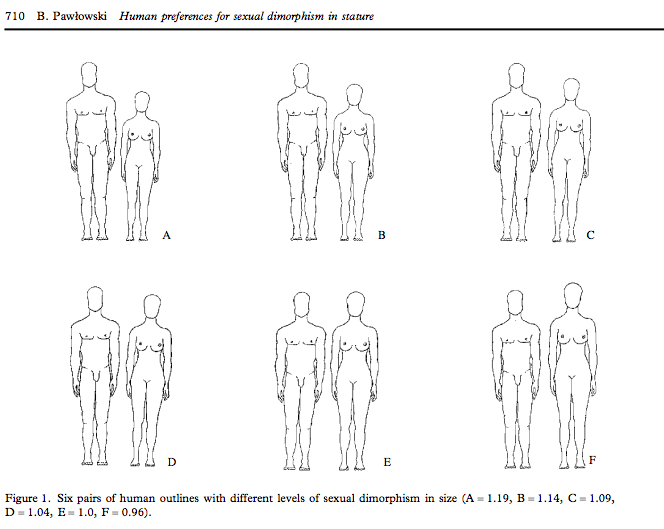
So it seems that maybe the relative height between the male and  female could be more important than the absolute heights. The study found that from the group of subjects being measured, the average height of the women was around 5′ 5″ while the average height of the men was around 5′ 11″. The results showed that the people judging their potential partners chose the height of their partner due to the relative height of themselves. The results also showed that from comparing 3 types of relative height ratios/difference in pictures of couples, none of the selectors chose the have the couple where the female was taller than the male.

The researchers writes, “The mean heights for those who chose the pair representing the mean SDS in the population (180.4 cm for men and 167 cm for women) were almost equal to the mean heights for the two sexes in the studied group.”

This means that the summed and than averaged out numerical value for what statistical software has come out with is not that women who are 5′ 5″ would prefer men who are 5′ 11″ which would suggest a 6 inch height difference. The right concluded perspective is that the optimum height difference may not be a difference but a height ratio, or height proportion. 5′ 5″ is 65 inches. 5′ 11″ is 71 inches. 71 divided by 65 gives a value of 1.0923 or 1.09. It seems the “perfect” average SDS as the researchers call it is for the man to be around 9% taller in height than the girl. At least that is what the science says.

But as always, everyone is different in their taste and desires. To each his and her own.


Increase Height And Grow Taller By Stretching

stretchingI think this is one of those posts that has been something that was always supposed to be written but the idea was always overlooked due to the fact that the simple idea of stretching would lead to some height increase.

So can stretching help someone grow taller? The simple answer is yes.

However the hard question is actually “How should I stretch to get the height increase that I desire?”

Most people who find the website or email me will often ask for around 3-5 inches of extra height increase. Now that is a considerable amount of change in the body. Going from a guy or girl who was originally 5′ 9′ and making them 6′ 0″ or even 6′ 2″ is something that is very hard to believe. But can it be done? The question becomes…

Is there some type of exercise routine that would lead a person to gain 3 – 5 extra inches of height? The simple answer is probably not.

However getting around 1-2 inches of extra height is reasonable and possible but only for a small percentage of the population. Most people won’t get even 1 inch of extra permanent height, much less 2 or 3 inches. 1 inch is totally reasonable and possible. 2 inches is really, REALLY improbable but I have found cases of people who did get 2 extra inches of height increase, but most of the time, that 2 inches was not permanent and the height would eventually shrink back down to just 1 full inch of permanent change.

Now, let’s stop the talking and see which exercises would be helpful in getting that 1-2 extra inches.

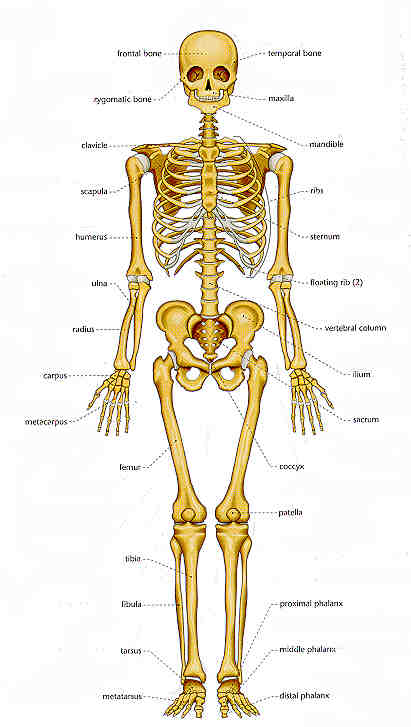
skeletonFrom high school biology, we know that the human body has it’s overall frame/structure determined by a substance known as bone which is what holds the human body up. Without the bones, but especially the long bones which stand vertically up, the body would just be a glop of organs and skin on the ground. Bones are critical in keeping the vital organs safe as well.

From the Wikipedia article on Bone,for most people, when they are born they have over 270 individual bones, but after they reach adulthood, many of the separate bones they had when born have fused together to leave 206 medically defined bones.

From the picture of the skeleton to the left, for our purposes we would like to gain height from stretching.

However, we know that in stretching, we are only stretching our muscles, ligaments, which are other types of tissue in the human body. Muscle and ligament tissue is far more flexible, elastic, than bone.

Stretching muscle means we are working & exercising our muscle, but are we working on stretching our bones as well when we stretch? No, we are not.

This means that in the human body, when we decide to do “stretches” we are not going to affect the bone shape or curvature of a physically mature and developed adult person. The way that bones are aligned, connected, or shaped will not change from stretching, since stretching only affects tissues that are more elastic.

However if we look at what types of tissue will determine the overall height of people, we see that the bones we have in our body are going to determine about 97% of all the height in our body. This means that only around 3% of all the height in the human’s body can be changed through stretching exercises.

Side Note: If you are curious at how I was able to come up with the idea that the bones will determine around 97% of ones height, I refer the reader back to an article on the height increase changes seen in astronauts, which saw their height increase by around average 3% while living in a weightless environment without the downward force of gravity. From GeekSystem.com article “Ultrasound Tests May Help Figure Out Why Astronauts Grow Taller While In Space

So let’s look at the types of tissues..

1. Stretching won’t change the bone so let’s forget about trying to increase our overall height by more than 3% of what we are at right now.

Example: This means that a person who is 5′ 6″, or 66 inches should not expect more than 66*(0.03) = 1.98 inches ~ 2 inches in possible increase, using at least simple stretching methods.

2. Due to the elastic nature of the muscles, which can contract and extend out, stretching will extend the muscles, but that means that once the amount of tensile force exerted to pull the muscles are apart are removed, the muscle tissue will just retract back to a smaller, form.

3. The ligaments. – These will be connecting to the bone to other types of tissues or to each other.

4. The skin like the muscle can be stretched out but then like the muscle, it will just fold back into it’s un-stretched form.

5. Everything else like blood vessels, small glands,

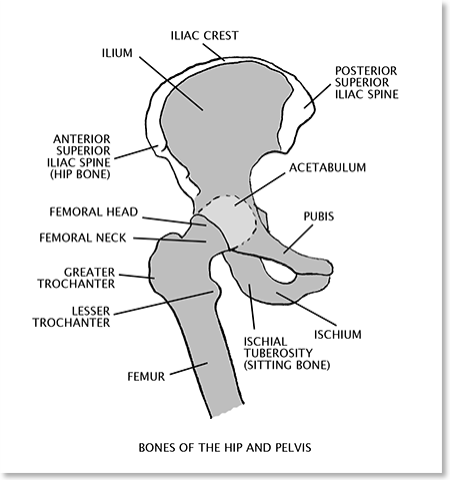
bones of hip and pelvisHowever we realize that to manipulate our height, we have to manipulate tissue that make up our height.

Our height is the sum of….

  • Our skull size
  • Our backbones/vertebrate structure
  • Our hip bones, which includes the labels of hip bones parts to the right. 
  • Our femur
  • Patella
  • Tibia
  • The small bones in our feet
  • The hind feet bone or Calcaneus

So if we wanted to increase vertically, we can try to manipulate and elongate any of these bones in the vertical direction. However since this post is about stretching, the exercise will not deform or bend any of these bones in the way that we want.

So we have to ask , besides the hard bones that make up our height, what other types of tissue are there?

The main other tissues is cartilage and fibrous tissues

  • We have the intervertebral disks
  • The cartilage in the ends of our bones
  • Some space in our synovial joints which is filled with intercellular fluid  
  • Some ligaments connecting the bones.

Since the ligaments connecting to bone have almost no thickness, we can’t focus on those ligaments.

As for the intercellular fluid space in our synovial joints, specifically the knees, we might be able to increase the volume up a little as well as the pressure in the space, but we are talking about liquid space being able to overcome the gravitational force of our body above the knees pushing down on it.

As for our cartilage, we might be able to do something with our cartilage using stem cells therapy through implants, but that is not stretching. We can’t stretch to get thicker cartilage at the end of our bones.

This only leaves the intervertebral disks left. They are the only things we seem to really be able to manipulate for increased height. The disks are not made of cartilage but of a fibrous tissue which at this point I am not sure are the components.

Recently I had talked about the idea of whether doing back bridging stretching exercises will lead to height increase in the post “Increase Height And Grow Taller Using Back Bridging Exercises To Stretch The Torso And Vertebrate” and I had personally concluded that stretching in that bend direction will not lead to height increase. Tyler seems to agree with me on that point. I could be wrong about this conclusion and it may be possible with a small minority of people to get body elongation benefits from stretching in the arched back positon, but I would suspect that stretching in that way will not lead to height increase for most people, but might contribute to disk compression and decreased height.

This leaves only possibly 3 main stretching exercises which could lead to any height increase.

These are….

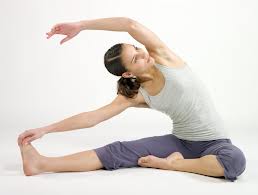
1. Bend down forward while sitting on your butt and stretching your back out (with your head down) trying to puff out your torso like a cobra. See pic below.

Touch-toescrop


2. Twisting your upper torso side to side while keeping the hips still to get the disks to be more flexible and elastic.

57441272


3. Putting your arms up high, close together, pull up, and lean to one side stretching one side , and then alternating to the other side.

From what I can think of right now, these are the only 3 exercises which will have any type of real effect on possibly making the disks a little wider and thicker.stretching_woman_yoga

Why Most Doctors, Physicians And Medical Schools Don’t Teach Enough About The Skeletal System To Answer Questions Dealing With Auxology

doctorsThis post may be one of those posts which may be picked up by larger organizations and cited a lot more than others. I am also very certain that this post will be more likely to get attacked and commented on due to the nature of a post like this.

Note: On a personal level, I do acknowledge the practical utility of physicians because they do serve a very important function in all societies. They are healers and they are here to prevent and treat pathologies of the body. I personally think that for most people, our health is the most important aspect of our lives. When we are not healthy, almost nothing else matters. When we find out we have terminal pancreatic cancer or are badly mutilated from a horrific car accident, there is no question that physicians are absolutely critical in our well being and overall happiness. One of my cousins just finished medical school and is about to become a doctor and I have the highest respect for his intelligence, work ethic, and competence. Some of the most intelligent people I have ever met went to medical school at the age of 19 or 20 after skipping grades and high school to go to university directly. I only have great respect for physicians so this is only to provide a small critique on most physicians ability in answering the more difficult questions related to the real research available currently in the world on height increase. Most doctors just are not that informed or knowledgeable on this subject because they were never taught the subject in school or in their training.

Disclaimer: All opinions expressed/made by me in this post is only my own personal thoughts. I am not affiliated with any organizations, groups, or say health insurance companies which might be trying to undermine or question the professional authority and skill of people in the medical community with their 2 decades of schooling and training.

We all know that this endeavor to try to figure out a way to make ourselves taller by either increasing the natural growth rate or restarting another growth spurt after physical maturity is something that is not talked about a lot. A lot of people might like and do desire to be taller but very few people are probably willing to put in the type of time, energy, and commitment that people like me and the other height increase researchers do to really see if there is a real scientifically validated solution.

I am going to try to show in this post why most doctors/physicians who get trained in traditional accredited medical schools (like Johns HopkinsStanford and Harvard) may not be as equipped in answering the questions on Auxology (the study of growth) as we think they can. One’s profession does not determine one’s expertise in a subject.

A person can be an engineer but also be a really bad engineer. One might come out of Harvard Medical School but also end up never doing much except work in a large medical insurance backed clinical corporation or start a small family private practice with routine checkups.

In today’s age of degrees, accreditations, and certifications, and almost all types of professions, the medical profession is one of the most strict in terms of who has the stamp of approval. Almost always the stamp of approval in showing that a person is “good” enough to give real professional medical advice is that they made it through 4 years of Medical School, no matter where the school is from, as long as it is accredited. I think this type of mentality is dangerous since people in most societies has so much respect and admiration for doctors in general.

I personal have never heard a person who is some type of physician have other people say bad things about them, except maybe on their personality, but never their intelligence. If you are a doctor, everyone else will think you are intelligent and worthy of authority that can never be questioned.

There is a well known joke among Pre-Meds and medical students which goes like “What do you call a medical student who graduated last in his/her class?” Answer: “A doctor

Note: For me, most things that deal with prestige mean little but it still might be useful to look at Medical School Rankings just for the sake of checking. From the annual edition on the “best”, highest ranked Medical School programs in the USA from US NEWS & World Report, Education, Grad School, 2013 Best Medical Schools based on Research, NOT Primary .. we would find that the top medical programs in terms of university include, 

  • 1. Harvard
  • 2. Johns Hopkins
  • 3. University Of Pennsylvania (where Dr. Carl Brighton is based at)
  • 4. Stanford University
  • 5. University Of California, San Francisco
  • 6. Washington University of St. Louis
  • 9. Duke University
  • 10. University Of Chicago
  • 10. University Of Washington
  • 13. University Of California, Los Angeles
  • 19. Mount Sinai School Of Medicine

From a quick glance we can see where most educators and maybe also the general public thinks the best doctors/physicians should be coming out of, at least in terms of USA based schools. Maybe schools in say China, Germany, Japan, Switzerland, or Russia might produce even finer physicians but I would have no way of really judging those schools and the students that come out of those schools.

I will be focusing this post on looking at 3 of the 4 highest ranked medical school programs in the program. They would be Harvard, Stanford, and Johns Hopkins Medical School program.

Most medical school do not dedicate an entire block or quarter to studying just the skeletal system in enough detail. And in my personal opinion they shouldn’t. In terms of the more critical organ systems in the body, the skeletal is one of the less important ones. When you are talking about a person’s life, the greater focus is on the heart and circulatory system, and the brain and the nervous system. The bones and cartilage that make up the skeletal system is rather straight forward, with the 200+ adult bones in the body, and where each are located. Once you have the nomenclature and location of the bones down, you move on to more important subjects like virology and immunology. What I have found is that only a portion of people will go into the two main subjects we do research in, Immunology and Orthopaedics. Even further, we can say that the subset of physicians which can give any reasonable explanation about our growth process is even smaller, coming from orthopaedic surgeons which have studied the various growth disorders, or maybe pediatricians which focus on the growth of children and adolescents.

My point from this part is to say that the number of people who both are physicians and have extensive knowledge on the details and mechanisms of human growth will be very small. From my research on the internet, pediatricians when asked about growth plate closure and further growth only state the general currently accepted views which is probably repeated thousands of times over around the world when a teenager kid asks them whether they will still grow taller after seeing the X-rays showing full ossification. It could be that they turn out to be right and that there is nothing we can do but they only seem to believe in the generally accepted view right now.

First, let’s see what Stanford Medical School has for its program.
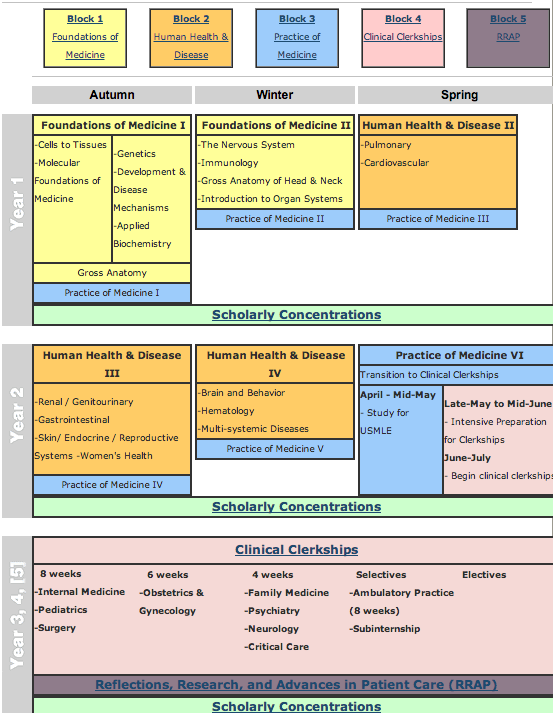
Screen Shot 2013-01-28 at 8.38.28 PMAs we can see from the website from Stanford Medical School for the Overview of the MD Curriculum, one of the leading medical schools in the USA and the world, most medical school curriculum almost never focus much attention on the bones and cartilage of the musculo-skeletal system. Medical schools in general are almost always 4 years in length. Only the first two years in medical school is really dedicated to learning about the theory and mechanics of the body in any depth. The last two focus on doing rotations and shadowing physicians who are already practicing their specialities. Since a person is out in the field and not in the lab, they are learning the more practical skills needed to save lives, but the knowledge they learn will be from older, more experienced people.

This means no real breakthroughs are made, unlike in research and the lab. So we have to see in detail what the curriculum does offer the medical student which might suggest that they would know enough to be conversationally competent in what we are trying to do and researching. In the years 3-5, the medical student does have a section for learning about pediatrics, which will teach them about growth and growth plates.

For the Stanford Medical School program above, it is broken up into 3 quarters, (or could be trimester thing) and there are 5 blocks. In each of the blocks, the students are expected to study like mad but you can see that only 5 quarters of the first two years is actually dedicated to reading and studying about the human body. It would seem that they zoom past the information about endocrinology which is lumped up with the reproductive system. There is obviously a type of introduction course on human anatomy and I would suspect that this is where they get any information about the bones.

If I was to take a guess, when any person has a skeletal injury like a fracture, they either go to the emergency room or the injury is not that serious that leads them to see a family doctor first. IN both cases, the bone injury results in the subject/patient ending up in seeing a specialist. This shows that for the majority of students coming out of medical school programs, they just don’t have that much experience looking at the subject of auxology.

Analysis And Interpretation:

If we look at the diagram of the curriculum and the details of the section of the diagram below we would see that no where does it seem in the curriculum do the medical students put a lot of their focus and study on the skeletal system.

For physicians, they have to pass 3 standardized tested known as United States Medical Licensing Examinations, the USMLEs. On a personal note, the reason why I might know a little more about the process to become a doctor than say the average person you might find on the street is because in my undergraduate years I considered for a short time taking the medical school approach, and spent a few days doing research on seeing what it would take to become an oncologist or hematologist.

Note #2: A substantial amount of my medical numbers and facts will be coming from a recently viral post made by Benjamin Brown M.D. on the topic of “The Deceptive Income Of Physicians” on his WordPress based blog HERE. As of the current time 1/28/2013 there is already almost 740 comments made on his really controversial and conversation stirring post. It is clear from me reading the comments that many of the other physicians who have read his post and numbers are questioning the validity of his numbers but I still think the values are reasonable and useful to be used in this post.

The details on the Stanford based curriculum is below.


Block 1: Foundations of Medicine

Autumn and Winter (Year One)

Autumn quarter consists of two components, with anatomy study throughout. The first component, molecular foundations of medicine and structure of cells and tissues (histology), builds a vital foundation for the scientifically trained physician of the future. The second component, exploration of molecular processes, continues with developmental biology, applied biochemistry and genetics, with open time in the schedule for students to explore scholarly concentration topics and/or elective coursework.

Winter quarter includes the immune system, the organization of the nervous system and the function of neurons, and anatomy of the head and neck. Principles of pharmacology and drug action and an introductory look at microbiology and infections of the respiratory system, provide the background for integrated organ system units to follow.

Clinical correlates in combined basic-clinical science sessions illustrate how basic science discovery translates into clinical practice.

Courses in the Foundations of Medicine block include:

Foundations of Medicine I
Foundations of Medicine II
Applied Biochemistry (Bioc 200) The Nervous System (NBio 206)
Cells to Tissues (Inde 216) Immunology in Health & Disease (Imm 205)
Molecular Foundations of Medicine (Bioc 205) Intro to Human Health & Disease (Inde 220)
Genetics (Gene 202) Gross Anatomy of Head & Neck (Surg 203B)
Development & Disease Mechanisms (DBio 201)
Gross Anatomy (Surg 203A)

Block 2: Human Health & Disease

Spring (Year One), Autumn and Winter (Year Two)

Study units are organized by organ system and integrate histology, physiology, pathology, microbiology, and pharmacology. Organ system units cover normal structure and function, response to disease (including infection), and treatment (therapeutics). Morning sessions are correlated with problem-based cases and physical diagnosis skill training in the afternoon Practice of Medicine block. Final unit on multi-organ systems provides pathophysiologic integration of material from prior units.

The Faculty

Faculty members are chosen for their excellence and leadership in their respective clinical disciplines or fields of biomedical research. The Stanford medical school has more than 700 full-time faculty (two of whom are Nobel Laureates). We also have over one thousand adjunct clinical faculty who practice in the neighboring communities.

Organ Systems

The Human Health & Disease course approaches each organ system by block or thread, separated by quarter, as described below.

Spring, Year One Autumn, Year Two Winter, Year Two
Pulmonary System Renal System Brain and Behavior
Cardiovascular System Genitourinary System Hematology & Hematopathology
Endocrine System Multi-systemic Diseases
Reproductive System/ Women’s Health

Block 3: Practice of Medicine

Throughout Year One and Year Two, afternoon session, two days per week

The Practice of Medicine runs concurrently with Blocks 1 and 2, with clinical correlations to morning sessions to reinforce basic science concepts. Diverse teaching formats include large group lectures with team learning activities, small group (8-12 learners) discussions, smaller groups (2-3 learners) for clinical skills instruction, and one-on-one instruction. Variety of instructional methods include clinical problem-based cases, multistation exercises, simulations with standardized patients, videotaping with instructor feedback, and computer-based instruction.

Topics are organized within seven threads:

  1. Communication: Interviewing, history taking, psychiatric interviewing, sexual history taking, alternative medicine issues, cultural competency.
  2. Physical Exam: Normal surface anatomy, normal adult and child examination, gynecologic examination, geriatric examination, clinical procedural skills.
  3. MD in Society: Health care system, public health, bioethics, advocacy, public policy, international medicine, end of life care, domestic violence, preventive medicine.
  4. Quantitative Medicine: Epidemiology, information management, biostatistics, evidence-based medicine (EBM), introduction to clinical investigation, critical appraisal, exposure to scholarly concentrations.
  5. Nutrition: Principles of nutrition science followed by clinical applications in a series of web-based modules.
  6. Medical Practice: Skills training, professionalism, exposure to specialists, clinical teams, hospital information systems, clerkship mechanics.
  7. Clinical Correlation: Multisystem problems, development of problem lists, differential diagnoses, integration of basic science concepts.

Block 4: Clinical Clerkships

Begins as early as May of Year Two

  • Minimum of 15.5 required clinical months
  • Flexible scheduling with opportunity for broad clinical experience and/or continuation of scholarly concentration project.
  • Clinical correlations in clerkships provide review of basic sciences.

Block 5: Reflections, Research, and Advances in Patient Care (RRAP) – Offered throughout the later years of medical school, this block – currently under development – will bring back the newest advances in basic science and reemphasize basic science applications for physicians.


url-7Now let’s look at our 2nd school, the golden standard which so many other universities and medical schools in the world might try to emulate in terms of quality, prestige, and authority, Harvard (cue in Bittersweet Symphony by The Verge or Eine Kleine Nachtmusik: Allegro by Mozart). Harvard Medical School along with Johns Hopkins University School of Medicine and Stanford School of Medicine have almost always ranked among the top 3 Medical Schools of the USA for many years now, if not decades.

I will be taking a section from the Harvard Medical School Course Catalog 2012-2013 website HERE.

Preclinical Courses, Year 1

Preclinical Courses, Year 2

Health, Science, & Technology (HST) Courses

HMS – Division of Medical Sciences Courses

There is two other sections, Core Clinical Clerkships and Elective Courses (Clinical and Non-Clinical Courses) but I will not be looking into them since clinical clerkships happen almost always at the 3-4 year range. Some schools like Johns Hopkins and fewer of the more innovative medical schools these days are starting to add clinical work even earlier into the curriculum for the students to be better prepared for their residencies.

Analysis & Interpretation:

The first link to the preclinical courses in the first year shows that first year med students take 12 classes, and only maybe half of those courses is actually real hard sciences course. From my skim of the page, it seems that only one course, “The Human Body” will have the student actually get any new information about the human growth process. The second link for 2nd year seems to have only two real hard science courses, both of which would give the student only a cursory view of human growth mechanics. The Harvard Curriculum seem to push the student into the Clinical Internship role much faster, focusing on trying to make them better doctors in practice. After that, the years 3-5 (or 3-4) focuses more on the students getting out into the field and getting more hands on.

This shows again that even in one of the world’s best medical schools, they devote almost no time in looking in detail into the human growth process.


Now let’s look at our 3rd school, the curriculum from Johns Hopkins University School Of Medicine website HERE. The webpage I linked to the left is only for the M.D. Program Admissions, not the M.D./Ph.D. Degree option, the M.D.-MPH Degree option, or the M.D./MBA Program option.

From the paragraph of the page the message shows that the direction at which medical students should be learning the science of medicine is “organs, tissues, cells, proteins, and DNA” which shows how we go from a macroscopic level of analysis and learning down further further to a smaller and smaller level of understanding of the human body’s function.

From the page on “What To Expect“…

This novel curriculum rejects the notion that there is “normal” or “abnormal” in medicine.  Rather, everyone is on a continuum.  The curriculum takes a systems approach to understanding all levels of the human being – from genes, molecules, cells, and organs of the patient on one end, to the familial, community, societal, and environmental components at the other end.  The GTS curriculum integrates all of these variables to help students understand why patients present the way they do”

On the page, there is 3 links to 3 PDFS which explain what a prospective student who applies for admission to the MD Degree program should expect from their 4 years there. It would be in Year 1, Year 2, and Year 3 & 4, respectively.

Analysis & Interpretation:

If one was really dedicated they would go to the links and see that for Johns Hopkins program, they seem to take the Harvard approach which is for the incoming medical students to focus and get into the field faster. Theory and classroom learning is decreased, but still expected, sort of like the med. school expects the student to focus on doing the book learning at home and just know what they are doing and their mentors are talking about when they are doing their rounds or rotations, which they should.

Conclusion & Implications:

The whole purpose of this post was to show in a reasonably convincing way that what we are doing ultimately in trying to find a way to minimal invasively find a way to increase our height and grow taller after physical maturity and epiphyseal growth plate closure and cartilage ossification (beyond just limb lengthening surgery) is not a completely worthless attempt that has absolutely no chance of success. Although maybe after 10-20 years of intensive research we may come to that conclusion and we as height increase researchers are proven wrong, I would hope to leave this website and project around as a legacy and the #1 authority on this subject on the internet. This website is also supposed to be used as the ultimate resource in doing reviews on any marketed products and scams out there.

Nearly all medical professionals if you asked them would say that what we are attempting to do is impossible. Most people would never question their family physician or a surgeon’s authoritative word. I am saying that even the students that come out of our “best”, most prestigious medical schools don’t really know as much about this subject as we do, so most of them should not be people we turn to for authority on answer our most basic question, “Can we still grow?”. They would say no.

What I am trying to do i to show that from many medical professional’s own schooling and training in their weakness and holes in knowledge, they don’t really have the full picture and done as much research on the subject of potential (not absolutely guaranteed) height increase. However that does not means that they can’t easily catch up to our level of understanding and research and be just as knowledgeable as us on the subject. They could very easily.

One of the things that even physicians who have finished their residency and fellowships still have to do is keep up with the recent medical breakthroughs and developments by reading medical and research journals. Physicians are expected to renew their medical license every few years so make sure they still have that high level of competence.

They know a lot, but if we want to make the real breakthroughs, we have to know about our area of study better than any physicians to be able to prove them wrong, in the eyes of objectivity and hard science.

On a related note, I would like to say that I have gotten emails from people who are either currently in medical school right now or doing their residency (1st or 2nd year) and they say that they have been personally following Tyler’s HeightQuest.com blog for years and this blog/website recently because what we write in our content is stuff that they are never exposed to in their medical schooling curriculum, or in their residency programs.
A Personal Interpretation And Explanation Of Principles Of Biology And Genetics For The Purpose Of Height Increase

I had once tried to explain what I know about the principles of biology and genetics to a reader of the website so that they would be able to understand what I am talking about when I get into the details of the research.

This will be a rather lengthy post on my own personal interpretation and explanation of the biological, genetic, and biomolecular principles that are being used in the website and which I will be using when I read studies and articles from PubMed.

If we remember from our high school biology classes, we were taught about the idea of genes, hereditary, alleles, and we might have done a few allele charting. As a reminder, we must start from basics.


Biology

From high school (and some college level) biology basic principles…

1. From a macroscopic to microscopic direction approach, we can say that the human body consist of about a dozen organ systems.

From the Wikipedia article on Biological Systems

There is the circulatory, respiratory, lymphatic, digestive, reproductive, nervous, skeletal, endocrine, muscular, and a few others I don’t remember.

For our study on height increase, we are focused on the endocrine system and the skeletal system.

The specialized medical study of the endocrine system is called endocrinology and the doctors which focus on this sytem are known as endocrinologists (ex. Dr. Sanjay Gupta)

The specialized medical study of the skeletal system is called orthopaedics or orthopedics. From the wikipedia article on Orthopedic Surgery

“Orthopedic surgery or orthopedics (also spelled orthopaedic surgery and orthopaedics in British English) is the branch of surgery concerned with conditions involving the musculoskeletal system. Orthopedic surgeons use both surgical and nonsurgical means to treat musculoskeletal trauma, sports injuries, degenerative diseases, infections, tumors, and congenital disorders.”

2. At a lower level, each organ system is made up of individual organs.

An example is the fact that the digestive system is not just the stomach, but also the small intestine, large intestine, pancreas, gall bladder, liver, rectum, and throat area.

For the endocrine system, we study the hypothalamus, the pituitary gland, especially the anterior region, the adrenal glands, the thyroid glands. The glands all are for production of certain hormones that will be used to regulate the function of the body to reach some form of equilibrium/homeostasis.

For the skeletal system, we study the lower limbs, vertebrate, and specific cartilage regions mainly. We focus our attention in the lower limb area on the femur, the tibia/fibula combination which make up the lower part of the human leg, the patella, the calcaneus, and the cartilage on the ends of these bones. For the vertebrate parts, we are looking at all the areas, the cervical, thoracic and lumber regions, focusing on the intervertebral disks on possibly how to manipulate the annulus fibrosus and the  nucleus pulposus. These areas are notorious for being places where serious painful injuries can develop like bulging disks, herniated disks, pinched nerve, and lower back pain so if we plan to try any techniques or methods on the back area, we will be looking for something that doesn’t cause a major disturbance in the skeletal system of that region.

3. At a lower level, each organ is made of specific types of tissue.

From the Wikipedia article on tissue, “Tissue is a cellular organizational level intermediate between cells and a complete organism. A tissue is an ensemble of similar cells from the same origin that together carry out a specific function. Organs are then formed by the functional grouping together of multiple tissues.”

There is 4 types of tissues.

  1. Connective – Connective tissues are fibrous tissues. They are made up of cells separated by non-living material, which is called extracellular matrix. Connective tissue gives shape to organs and holds them in place. Both blood and bone are examples of connective tissue. As the name. It supports and binds other tissues. Unlike epithelial tissue, connective tissue typically has cells scattered throughout an extracellular matrix (Wiki)
  2. Nervous – N/A
  3. Muscle – N/A
  4. Epithelial – N/A

Since our study is looking at the skeletal system, we will not be going into any more detail on the nervous, epithelial or the muscle tissue. Now it is true that technically for us to do anything on the bone, we will have to possibly make a cut/incision through other tissue like the muscle or the epithelial but for now, our focus is on the connective tissues.

The connective tissue we will be focusing on are the cartilage and the bone, and how to remodel them into the form we are looking for. Ultimately, our goal is to figure out how to lengthen long bones (and maybe irregular bones) but to do that, we may also indirectly be affecting the other types of bones around it. To avoid any harm or injury to a subject, we want to also learn about the tissues that wrap themselves around on on the bones.

Cartilage is mainly made of a intercellular matrix filled with collagen and proteoglycans. As for bones, we want to focus on the non-living organic and non-organic materials that gives bones their hardness quality. The main component that forms this non-living matrix of the bones is called hydroxyapatite. It is calcium derived, and if we remember the calcium buildup we find in our bathrooms or certain areas in our body which are so hard to remove being stuck, we would remember that the hardness comes from calcium phosphates, which when in the human body seems to interact with water molecules to add the hydroxide group (-OH) and it gets attached turning it into the hydroxyapatite.

Something to note is that from my personal study on the tissue of cartilage, we can say that in the natural growing process of endochondral ossification, cartilage tissue turn into bone tissue by going through the process of “calcification”.

As for bones…

It is nearly concluded at this point that we should not be focusing on bone growth or bone regeneration but actually cartilage regeneration. Bone growth and regeneration is relatively easy. The bones after fracture automatically and relatively quickly heal themselves. You can increase that healing process by using LIPUS, PEMF, capacitative electrical field application, dynamic mechanical loading, or adding certain osteogenic growth factors. Bones regenerate very quickly and easily.

So what I am implying is that when we are analyzing tissues, at that level, we will be focusing almost all of our effort into looking at cartilage creation and regeneration either inside the bones or through in vitro methods and then do an implantation. Bone tissues we will look at sometimes but the focus will not be on that tissue.

4. At a lower level each tissue is made of a certain type of cell.

For our research we will be only looking at two types of cells, cartilage cells, chondrocytes and chondroblasts, and bone cells, osteocytes, osteoblasts, and osteoclasts.

Chondrocytes will be intensively researched here, especially looking for ideas and techniques on how to get the progenitor cells to differentiate into chondrocytes, how to keep the chondrocytes in that state without going into apoptosis or differentiating further into osteocytes and osteoblasts. Chondrocyte Proliferation, Chondrocyte Hypertrophy, and stacking into the correct direction for chondrocyte columns is the key and we will keep looking to find ways to manipulate the genome, nucleotides, or even the microRNA to try to get the chondrocytes to stay in the small region of function we are looking for to increase longitudinal growth.

As for bone cells, osteoblasts is the bone cells which create bone material. Osteoclasts is what break down bone material. We want to focus more on osteoclasts and try to get the osteoclasts to function at a higher rate in a certain region of the skeletal system, like in a band on the long limbs so that bone resorption is increased. If bone resorption is increased, we might be able to get the long bones to become weaker for tensile loading or get the hard bone material to be replaced at a reasonably slow rate to be replaced by chondrocytes, and then cartilage tissue.

5. At a lower level each cells is controlled by certain proteins, kinases, signals, enzymes.

Proteins provide the basic structures for every organ system in the body. The human body is made of many things, including sugars and lipids in the form of adipose tissue. There is also the nucleic acids, and minerals like calcium, phosphorous, and iron which form hard deposits in the extracellular matric of bones, but overall, proteins are what really matter since the very goal of the genes in our genome is to make proteins. Proteins have so many functions that it would be really hard for me to list all of its functions.

For our purposes, I’ll say that proteins are what will eventually make up the components that are a part of all the signal pathways we find in the intracellular matrix (within the cytoplasm). This includes previous posts about the Wnt/Beta-Catenin Signal Pathway, the MAPK/ERK pathway, and the PI3K/AKT/mTOR pathway. Proteins will act as the signals which send signals from the outside of a cell into a cell, and proteins will be what is send out of the nucleus to the outside of the cell to direct the process of the body.

Our research is specifically focused on seeing which proteins have either a direct or indirect effect on chondrocyte proliferation, hypertrophy, and differentiation in the natural growing process of endochondral ossification in postnatal humans. At some point we are hoping to map out the signal map of the myriad of proteins which effect the growth plate. Once that is done, we hope that  we can pinpoint the 4-5 most influential proteins which either goes into the cell nucleus or leave the cell nucleus which effects the growth process. We can then use external proteins to be injected to either inihibit the proteins which are slowing down the growth process or to up-regulate the proteins which make the growth process still possible.

6. At a lower level each protein is produced by genetic mechanisms like transcription, reverse transcription, translation, as well as post-translational processes.

In the nucleus of a cell (sometimes the mitochondria will also have its own DNA/RNA stuff) there will be DNA that need to be duplicated or manipulated on. Go to the Genetics section for more details on what each process or element in genetics will mean.

What I am going to say here is our most important research probably will eventually come down to the genetics, specifically to the microRNA and how each of the microRNA effects each specific gene of the body Sciences have concluded that the human genome has only around 25,000-30,000 genes, much less than expected. However there is so much phenotypical variation in the human species. No two people in our 7 billion population looks alike, and yet it was found that humans in general are 99.99% alike in our genes and differences. Even a dark skinned male from tanzania is still 99.95% similar in the types of genes they have to a light skinned female from norway so it is clear that the master regulators of the human trait of height is probably the mRNAs and that the phenotypical differences we see can not be just from gene differences.


Genetics

From high school (and some college level) genetics basic principles…

The individual human is composed of around 100,000,000,000,000 (that’s 100 trillion!!) cells more or less. In almost all of the many different types of cells in the human, except for say red blood cells, there is a nucleus in the cell. The types of cells that have nucleus include fat cells (adipose), nerve cells (neurons), bones cells (osteoblasts and osteocytes), and many other types. In each of these cells in the nucleus, there is a copy of the entire human genome inside. The human genome has (barring people with strange genetic deformities) 46 individual chromosomes. Some resources would reinterpret the 46 number to say that there is 23 pairs of chromosome pairs. The main exception for the 46 pairs is the human sex cells, the sperm and eggs (aka gametes), which have a 23 individual chromosomes. When there is 46 individual chromosomes total in a cell, that is known as a diploid. When there is 23 chromosome in a gamete, that is known as a haploid.

In one human gemete with the 23 chromosomes, there is about 3 billion DNA base pairs. Base pairs is where two of the 5 main types of nucleotides attach to each other. There is the A,T,G, and C for the nucleic acid known as DNA (deoxyribonucleic acid). For the other main type of nucleic acid, known as RNA (ribonucleic acid), there is the A,U,G, and C.

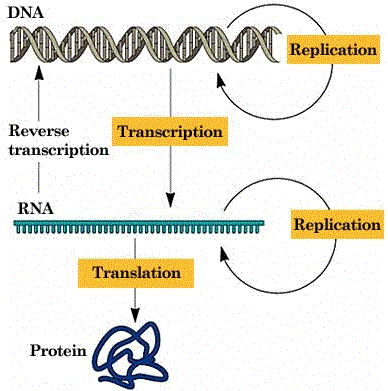
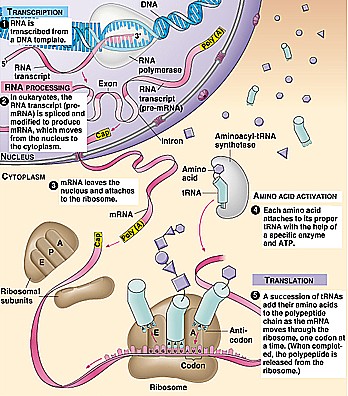
transcriptionDNA seems to have two main function that that is for it to replicate or to make RNA for some reason.

There is 4 main types of process that is talked about in genetics a lot

  • Replication – replication seems to be exactly what it sounds like. both the DNA and RNA have processes that allow them to replicate (reproduce) an exact copy of themselves
  • Transcription – the process where the DNA is cleaved/cut in the middle breaking the bonds the A (adenine )made with the T (thymine) and the G (guanine) made with the C (cytosine) as a nucleotide base pair. This results in only one half of the double helix strand forming a RNA.
  • Reverse Transcription – the process where the single strand RNA becomes a double helix strand DNA again.
  • Translation – the process where the RNA becomes a protein. For a more detailed description of the process, check out the Wikipedia article on Translation.

Transcription-TranslationThere is 4 main types of RNA (Ribonucleic Acid) that are really important.

  • tRNA – transfer RNA – 
  • mRNA- messenger RNA – 
  • rRNa – ribosomal RNA – 

the 4th type of RNA which our research may have to go into is which is known as microRNA

At this point, the research will be on the microRNA and how it affects the genes that are being produced by the other RNAs.

Conclusion:

As any biology or genetics university major can see, my own personal knowledge on human biology and physiology is very limited at this point. My genetics is very weak and I need to read and study far more to get further into the research. There are at least 100 more published papers I would have to go through before I can come up with anything of real value.

What is the biomechanical method of bone formation?

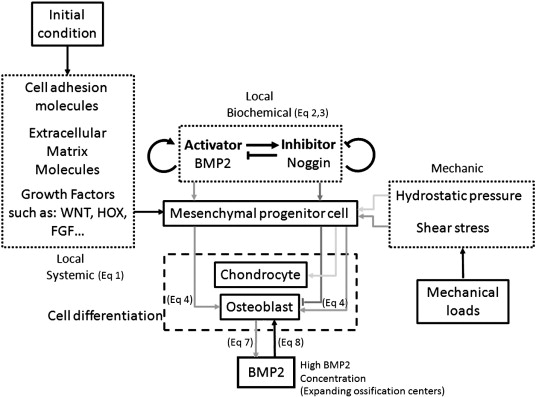
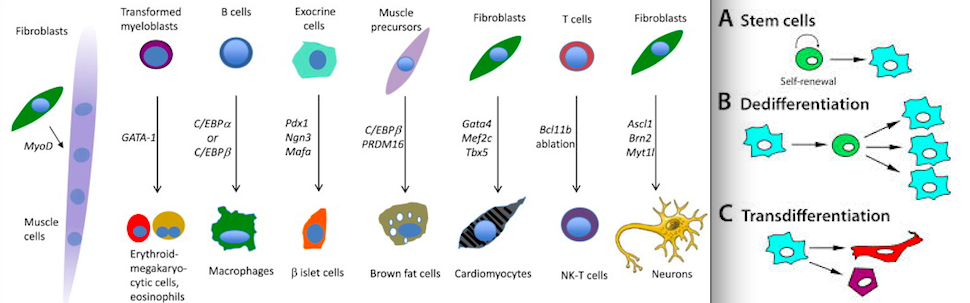
If we understand how biomechanical bone formation is induced from mesenchymal stem cells we can induce new bone growth to reinvigorate longitudinal growth.

A computational model of clavicle bone formation: A mechano-biochemical hypothesis.

“Clavicle development arises from mesenchymal cells condensed as a cord extending from the acromion towards the sternal primordium. First two primary ossification centers form, extending to develop the body of the clavicle through intramembranous ossification. However, at its ends this same bone also displays endochondral ossification.  [These] embryological events [occur in] two serial phases: first formation of an ossified matrix by intramembranous ossification based on three factors: systemic, local biochemical, and mechanical factors. After this initial phase expansion of the ossified matrix follows with mesenchymal cell differentiation into chondrocytes for posterior endochondral ossification. Our model provides strong evidence for clavicle formation integrating molecules and mechanical stimuli through partial differentiation equations using finite element analysis.”

chondrocyte formation

“areas of low octahedral shear stress and high hydrostatic stress promote bone formation by endochondral ossification. On the contrary, areas of octahedral shear stress result directly in osteogenic induction.”

hydrostatic stress promotes mesenchymal cell into a cartilaginous differentiation pathway, whereas octahedral shear stress stimulates mesenchymal cells to differentiate into bone.”

Signaling pathways in normal chondrocytes versus LSJL gene expression

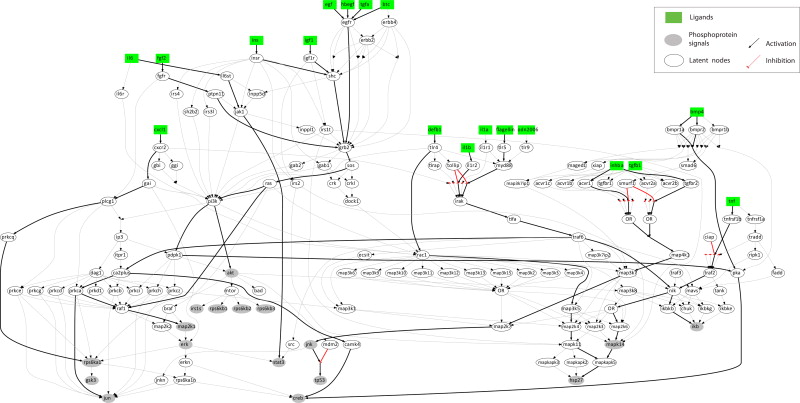
Modeling of signaling pathways in chondrocytes based on phosphoproteomic and cytokine release data.

“The signaling pathways downstream 78 receptors of interest are interrogated. On the phosphoproteomic level, 17 key phosphoproteins are measured upon stimulation with single treatments of 78 ligands. On the cytokine release level, 55 cytokines are measured in the supernatant upon stimulation with the same treatments. Using an Integer Linear Programming formulation, the proteomic data is combined with a priori knowledge of proteins’ connectivity to construct a mechanistic model, predictive of signal transduction in chondrocytes.
We were able to validate previous findings regarding major players of cartilage homeostasis and inflammation (E.g. IL1B, TNF, EGF, TGFA, INS, IGF1 and IL6). Moreover, we studied pro-inammatory mediators (IL1B and TNF) together with pro-growth signals for investigating their role in chondrocytes hypertrophy and highlighted the role of underreported players such as INHBA, DEFB1, CXCL1 and Flagellin, and uncovered the way they cross-react in the phosphoproteomic level.”

“up-regulation of the SOX9 transcription factor induced by TGFB or FGF stimulation leads to collagen synthesis. On the other hand, over-activation of NFKB induced by several pathways (E.g. Inflammation related pathways or bone development processes leads to the release of MMPs and collagen degradation.”

” a large number of stimuli raised a significant response in chondrocytes, activating at least one phosphoprotein signal. As positive control observations, well known players such as IL1B, TNF, EGF, TGFA, INS, IGF1 and IL6{up in LSJL} responded as expected from previous studies. The pro-inflammatory mediators IL1B and TNF activated IKB, HSP27{note this is reduced by Lithium}, MAPK14 (p38) and JUN{up in LSJL}, already known to promote inflammation in cartilage, together with pro-growth signals such as CREB, ERK, GSK3, IRS1 and MAP2K1 (MEK12), validating their role in chondrocyte hypertrophy”

” pro-growth stimuli such as EGF, TGFA and INS activated only anabolic pathways, leaving inflammation related signals unaffected.”

Stimuli also found to affect chondrocytes include “INHBA (Inhibin beta A), ADIPOQ (Adiponectin), DEFB1 (Defensin beta 1), BTC (Betacellulin){up in LSJL}, CXCL1{highly upregulated by LSJL}, HBEGF{up}, IL19, CXCL10, ODN2006 (TLR9 ligand), NOG (Noggin) and Flagellin.”

chfigure2_v2

“Major inflammatory mediators such as IL1B and TNF, signal through their receptors to IKB, MAPK14, HSP27 and JUN. IL1B also activates CREB and MAP2K1 (growth related signals) via TRAF6″

” Pro-growth stimuli such as TGFA, BTC, EGF, IGF1, INS and FGF2 signal through GRB2 to SOS, RAS and from there either to MAP2K1 (MEK12) via RAF1, or signal through PI3K to AKT and to CREB. IL6 activates mostly STAT3 via JAK1.”

“CXCL1, a small cytokine of the CXC family, binds to CXCR2 and activates RPS6KA1. HBEGF, a ligand of the EGFR, signals via the same pathways as EGF, BTC and TGFA. DEFB1, a TLR ligand, signals through TLR4 to RAC1 and from there to the MAPKs and finally activates HSP27 demonstrating pro-inflammatory action. Flagellin, also a TLR ligand, signals through TLR5 to MYD88 and then merges with the IL1 pathway activating major inflammatory signals, CREB and MAP2K1. INHBA, a ligand of the TGFBR, signals via the MAPKs to activate JNK and P53.”