Category Archives: Uncategorized

Could an MMP supplement help you grow taller?

Some supplements affect MMP expression.  Zinc suppresses MMP2 and MMP9(Zinc Regulates Lipid Metabolism and MMPs Expression in Lipid Disturbance Rabbits.) and Selenium decreases MMP2 and TIMP1 levels(Selenium’s effects on MMP-2 and TIMP-1 secretion by human trabecular meshwork cells).

Effects of matrix metalloproteinases on the fate of mesenchymal stem cells.

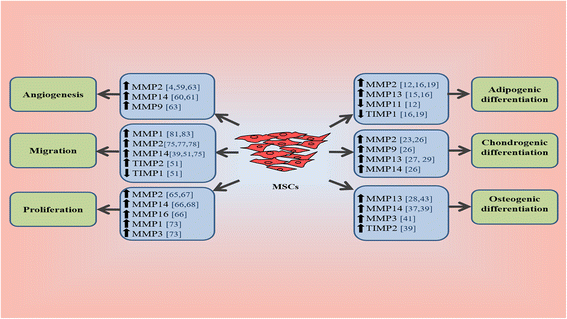
“Mesenchymal stem cells (MSCs) have great potential as a source of cells for cell-based therapy because of their ability for self-renewal and differentiation into functional cells. Moreover, matrix metalloproteinases (MMPs) have a critical role in the differentiation of MSCs into different lineages. MSCs also interact with exogenous MMPs at their surface, and regulate the pericellular localization of MMP activities{so you could supplement with exogenous(external from the body) MMPs to manipulate MSC and hopefully induce chondrogesis}. The fate of MSCs is regulated by specific MMPs associated with a key cell lineage.  MMPs [are integrated] in the differentiation, angiogenesis, proliferation, and migration of MSCs{all these four things are likely factors related to chondroinduction}. These interactions are not fully understood and warrant further investigation, especially for their application as therapeutic tools to treat different diseases. Therefore, overexpression of a single MMP or tissue-specific inhibitor of metalloproteinase in MSCs may promote transdifferentiation into a specific cell lineage{this could help you grow taller if it’s transdifferentiation towards a chondrogenic lineage the official term for neo growth plate formation would be something like interosseous chondrofication}, which can be used for the treatment of some diseases. In this review, we critically discuss the identification of various MMPs and the signaling pathways that affect the differentiation, migration, angiogenesis, and proliferation of MSCs.”

“Collagenases (MMP-1, MMP-8, MMP-13, and MMP-18) cleave fibrillar collagen types I, II, and III, and they can cleave other ECM proteins. Gelatinases (MMP-2 and MMP-9) have high activity against gelatin, and degrade other ECM molecules including collagens, laminin, and aggrecan. Stromelysins (MMP-3, MMP-10, and MMP-11) digest a number of noncollagen ECM molecules, and their domain arrangement is similar to that of collagenases. The membrane-type MMPs (MT-MMPs) (MMP-14, MMP-15, MMP-16, MMP-17, MMP-24, and MMP-25) are intracellularly activated transmembrane molecules, and their active forms are expressed on the cell surface. There are other less characterized members including MMP-7, MMP-12, MMP-19, MMP-20, MMP-22, and MMP-23”

“MMPs have critical role in the differentiation of MSCs to adipocytes, osteocytes, and chondrocytes. MSCs interact with exogenous MMPs at their surface and activate proMMP-2 and proMMP-13, regulating the pericellular localization of MMP activities. They have the capability to regulate exogenous MMP-2 and MMP-9 by the expression of TIMP-2 and TIMP-1, protecting the perivascular niche from their high levels”

“silencing of MMP-2 by siRNA impaired chondrogenic differentiation, and increased the protein level of fibronectin and β1 integrin. Treatment with a MMP-2 activator resulted in the activation of chondrogenesis.

“MMP-2 is involved in the chondrogenic differentiation of MSCs via downregulation of focal adhesion kinase (FAK)–β1 integrin interaction, which leads to phosphorylation of FAK”

“the degradation of MMPs enhances the chondrogenic differentiation of MSCs by allowing the morphological changes and increasing the contents of glycosaminoglycans (GAG) and expression of chondrogenic markers. A chondrogenic cell line (ATDC5) was examined for chondrogenic differentiation, and the expression of MMP-2, MMP-9, and MT1-MMP was upregulated during the early stages of chondrogenic differentiation with a downregulation in the expression of reversion-inducing cysteine-rich protein with Kazal motifs (RECK)”

“t the increase in production of MMP-13 drives the MSC differentiation to chondrocytes by degrading the cleavable components of the ECM, and regulating integrin-binding peptides”

“Stimulation of MSCs in chondrogenic media with IL-β1 resulted in increased expression of MMP-2, MMP-3, and MMP-13 while IL-6 downregulated the expression of MMP-3 and MMP-13 compared with control without stimulation”

” Commitment of MSCs to differentiate into a specific lineage, proliferate, or migrate is regulated by many factors in the local tissue microenvironment.”<-So finding a way to stimulate MMP2 on it’s own may not be enough on it’s own to create chondroinduction.
mmp-differentiation-regulation

Hydrostatic skeleton: Key studying point for height growth

One way to develop new height growth techniques would be to study how the hydrostatic skeleton works and since hydrostatic pressure is a key way that hydrostatic skeletons stay structurally sound.  We can use the methods that hydrostatic organisms generate hydrostatic pressure and use those methods on our endoskeletons.

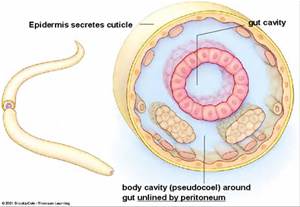
“A hydrostatic skeleton or hydroskeleton is a structure found in many soft-bodied animals consisting of a fluid-filled cavity, the coelom, surrounded by muscles.”

Here’s an image:

hydrostatic skeleton

Another description: ”

A hydrostatic skeleton is one formed by a fluid-filled compartment within the body: the coelom. The organs of the coelom are supported by the aqueous fluid, which also resists external compression. This compartment is under hydrostatic pressure because of the fluid and supports the other organs of the organism. This type of skeletal system is found in soft-bodied animals such as sea anemones, earthworms, Cnidaria, and other invertebrates .”

“earthworms move by waves of muscular contractions (peristalsis) of the skeletal muscle of the body wall hydrostatic skeleton, which alternately shorten and lengthen the body”<-earthworms grow shorter and taller almost at will.

Another description:

“A hydrostatic skeleton is a structure found in many cold-blooded and soft-bodied organisms. It consists of a fluid-filled cavity, which is surrounded by muscles. The cavity is called a coelom and in some animals this cavity is filled with a blood-like substance called haemocoel. The fluid presses against the muscles, which in turn contract against the pressure of the fluid. The fluid is incompressible and thus maintains a constant volume against which the muscles can contract.”

Maybe high hydrostatic pressure in bone serves as a temporary hydroskeleton which allows for temporary loss of osteo-structural components and allow for things such as the growth plate.  Maybe we need to stop think of it is an osteochodral skeleton but a hydroosteochondral skeleton where the hydroskeleton allows the skeleton to function without all the osteocomponents.

ONTOGENETIC SCALING OF HYDROSTATIC SKELETONS: GEOMETRIC, STATIC STRESS AND DYNAMIC STRESS SCALING OF THE EARTHWORM LUMBRICUS
TERRESTRIS

“Hydrostats are constructed of an extensible body wall in tension surrounding a fluid or
deformable tissue under compression. It is the pressurized internal fluid (rather than the rigid levers of vertebrates and arthropods) that enables the maintenance of posture,
antagonism of muscles and transfer of muscle forces to the environment”

“The major source of static load on the body wall of a hydrostatic skeleton is internal pressure (P). Pressure can be generated by the contraction of muscles in the body wall surrounding the incompressible fluid and/or by mechanisms such as ciliary pumps (e.g. in sea anemones), osmotic pressure (e.g. notochords) and gravitational pressure (the gradient of pressure produced in a static fluid by its own weight”

“hydrostats tend to be highly deformable”

“The main source of loading on the skeleton of most terrestrial organisms with rigid skeletons is body weight. In earthworms, the main source of loading on the skeleton is internal pressure (generated by body wall muscles contracting against a constant volume of internal fluid)”

“The upper limit to the size of hydrostatic skeletons is unclear, but some of the possible limitations to giant earthworms include (1) a decreased respiratory surface area due to the low surface-to-volume ratio compared with that of smaller earthworms, (2) an increased importance of gravitational pressure as a source of load on the body wall, (3) an increased frictional resistance to burrowing, and (4) the exponential increase in the cost of tunnel construction with increasing body diameter”<-An upper limit to hydrostatic skeletons would not be good as it would imply limitations on generation hydrostatic pressure but none of these reasons would seem to impede a structural limitation on hydrostatic skeleton size.

Scaling of the hydrostatic skeleton in the earthworm Lumbricus terrestris.

“We used glycol methacrylate histology and microscopy to examine the scaling of mechanically important morphological features of the earthworm Lumbricus terrestris over an ontogenetic size range from 0.03 to 12.89 g. We found that L. terrestris becomes disproportionately longer and thinner as it grows. This increase in the length to diameter ratio with size means that, when normalized for mass, adult worms gain ~117% mechanical advantage during radial expansion, compared with hatchling worms. We also found that the cross-sectional area of the longitudinal musculature scales as body mass to the ~0.6 power across segments, which is significantly lower than the 0.66 power predicted by isometry. The cross-sectional area of the circular musculature, however, scales as body mass to the ~0.8 power across segments, which is significantly higher than predicted by isometry. By modeling the interaction of muscle cross-sectional area and mechanical advantage, we calculate that the force output generated during both circular and longitudinal muscle contraction scales near isometry.”

Negative Pressure Cupping any link to height increase?

Negative pressure is a potential novel technique that can be used to manipulate height growth but there is nothing in the evidence to suggest that it will increase height growth.  The main selling point behind it is that it’s novel and is inversely related to the concept of LSJL(which wants to increase pressure).  The inverse relation may actually eventually prove useful as you could do rapid sunctioning and unsunctioning to build pressure or you could cup every area other than the epiphyseal region of the bone(But the blood just seems to rise to the area of sunction not to other areas).

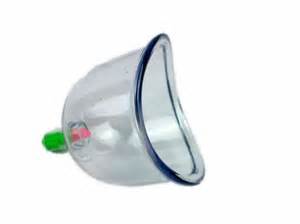
Here’s a cupping device:

cupping

Cupping essentially manipulates fluid and blood flow.  So is there a way to use such a cupping device on the bone or maybe the cartilage?

The device is not expensive:

Rather than cupping the back, you would cup the synovial joints or epiphyseal region if this had any potential to work.  The bruising redness often seen with cupping is reported to be caused by a discharge of blood from the vessels but can this be used to induce height growth.

First, this would have to manipulate the blood within the bone itself and it’s possible that it does because blood vessels are interconnected but in addition it would have to manipulate blood flow to increase hydrostatic pressure in the epiphyseal region.  You would either have to put the cup on the target area or everywhere but the target area.  If cupping makes the blood flow it has to go somewhere and unfortunately it seems to head into the red spots seen post cupping.

One thing that could be done is to rapidly cup and uncup a region creating a pressure gradient.

I think cups like this with might work better for that:

According to this cupping website, cupping can activate the secretion of synovial fluids but I’m not sure that can cause height growth unless their are nutrients in the synovial fluid that can stimulate endochondral chondrogenesis.

Cupping is basically the inverse LSJL.  LSJL involves lateral tissue compression whereas cupping is negative pressure.

According to Effect of Negative Pressure on Human Bone Marrow Mesenchymal Stem Cells In Vitro:

“The aim of this study was to determine how low-intensity intermittent negative pressure affects the differentiation and proliferation of human mesenchymal stem cells (MSCs), as well of OPG and OPGL mRNA expression in MSCs. MSCs were isolated from adult marrow using the density gradient separation method, passaged for three generations, and divided into the vacuum group, which was administrated at pressure of −50 kPa{So LSJL involves positive pressure and this involves negative pressure}, for 30 min at a frequency of 2/d, and a control group. The differentiation of MSCs was examined through inverted phase contrast microscopy, measurement of alkaline phosphatase activity, alizarin-red staining, and immunohistochemistry for type I collagen, hypoxia-inducible factor-1α (HIF-1a), and vascular endothelial growth factor (VEGF). The MTT assay and flow cytometry were used to measure proliferation and apoptosis. Real-time PCR detected the expression of mRNA from OPG/OPGL. Compared to the control group, there was a decrease in the proliferation of cells in the vacuum group. The number of cells in S phase was reduced by 62.4%, while the rate of apoptosis, the activity of ALP, and calcium release all increased under vacuum conditions. Calcium nodes could be observed through alizarin-red staining, and the expression of collagen type I, VEGF, and HIF-1a were increased significantly. Expression of OPG mRNA was increased and the expression of OPGL mRNA decreased in the vacuum group relative to the control group. In conclusion, low-intensity intermittent negative pressure can inhibit the proliferation of human MSCs, induce differentiation to bone cells, promote the OPG mRNA expression, and reduce OPGL mRNA expression.

This sounds like something unhelpful for height growth unless you make MSCs undergo a chondrogenic versus an osteogenic lineage but you never know.

Finger progress/methodology update

I found an interesting observation while evaluating my finger progress.  I realize that a lot of this may be confusing to understand as I’m not explaining it very well.  But the core idea is that when clamping you tend to clamp the same way every time and that may be supoptimal to growth.  That may foster angular growth which may slow the overall longitudinal bone growth process so if I find a way to balance the clamping I can grow straighter/faster.  I’m also trying this on the bigger bones in the legs and arms too.  It’s just a lot easier to monitor progress in the fingers and I don’t have to worry about clamping force being a limiting factor.  The entirety of my body can generate enough force to clamp the finger.

If you don’t understand don’t worry about it.  I’m just letting you that I had a methodology epiphony and am still working on finding a way to grow taller.

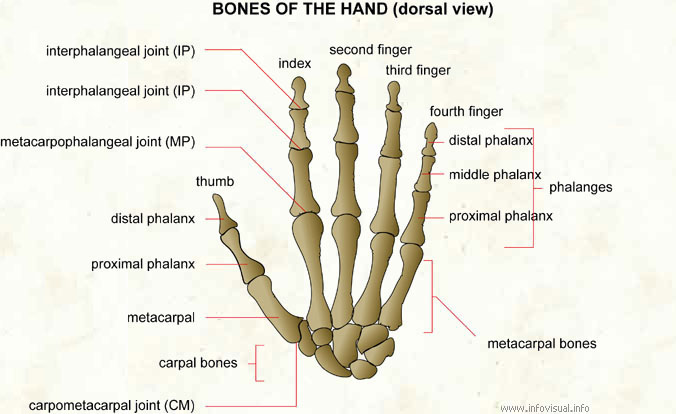
The InfoVisual.info site uses images to explain objects.


20160804_123712

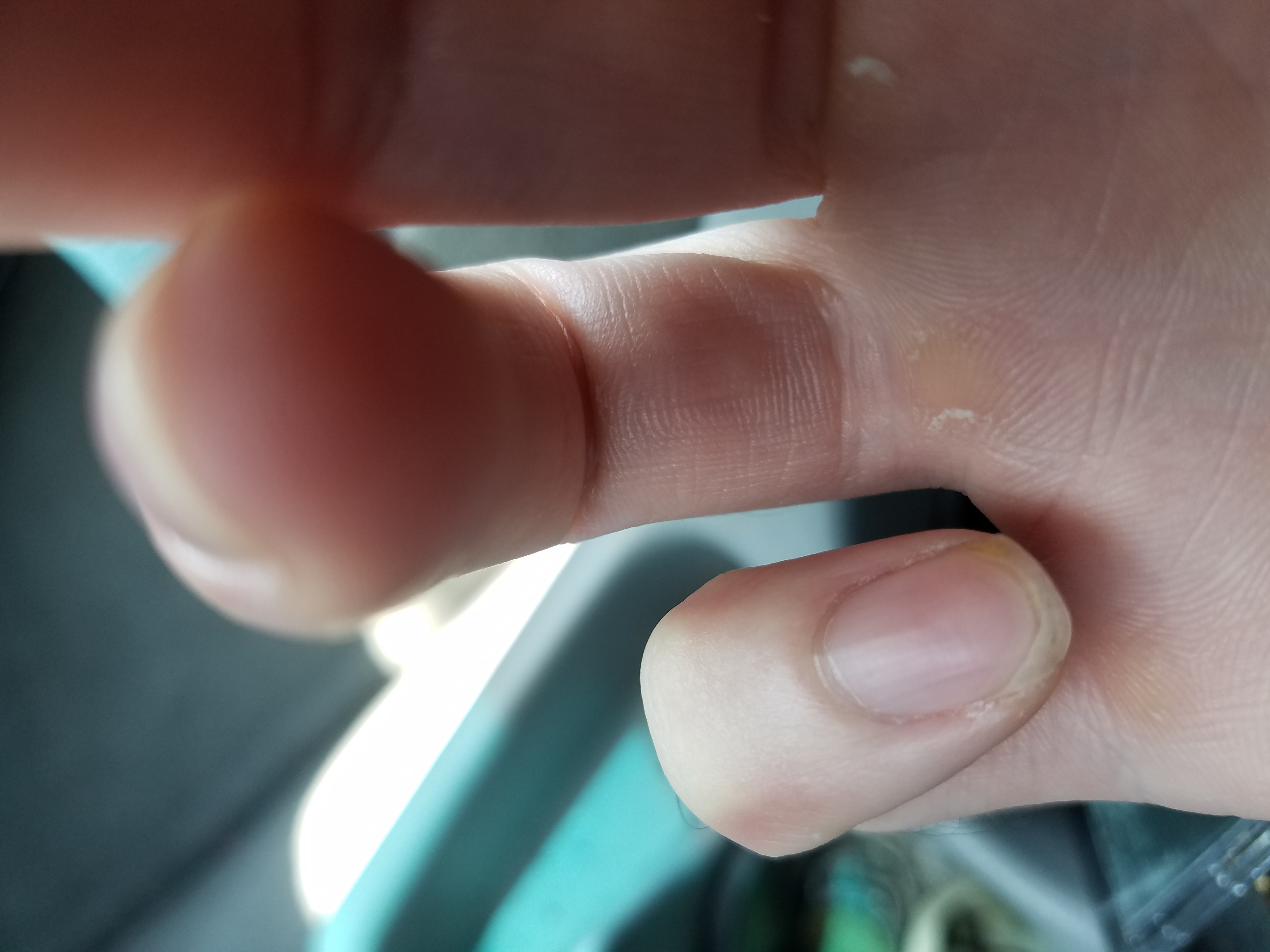
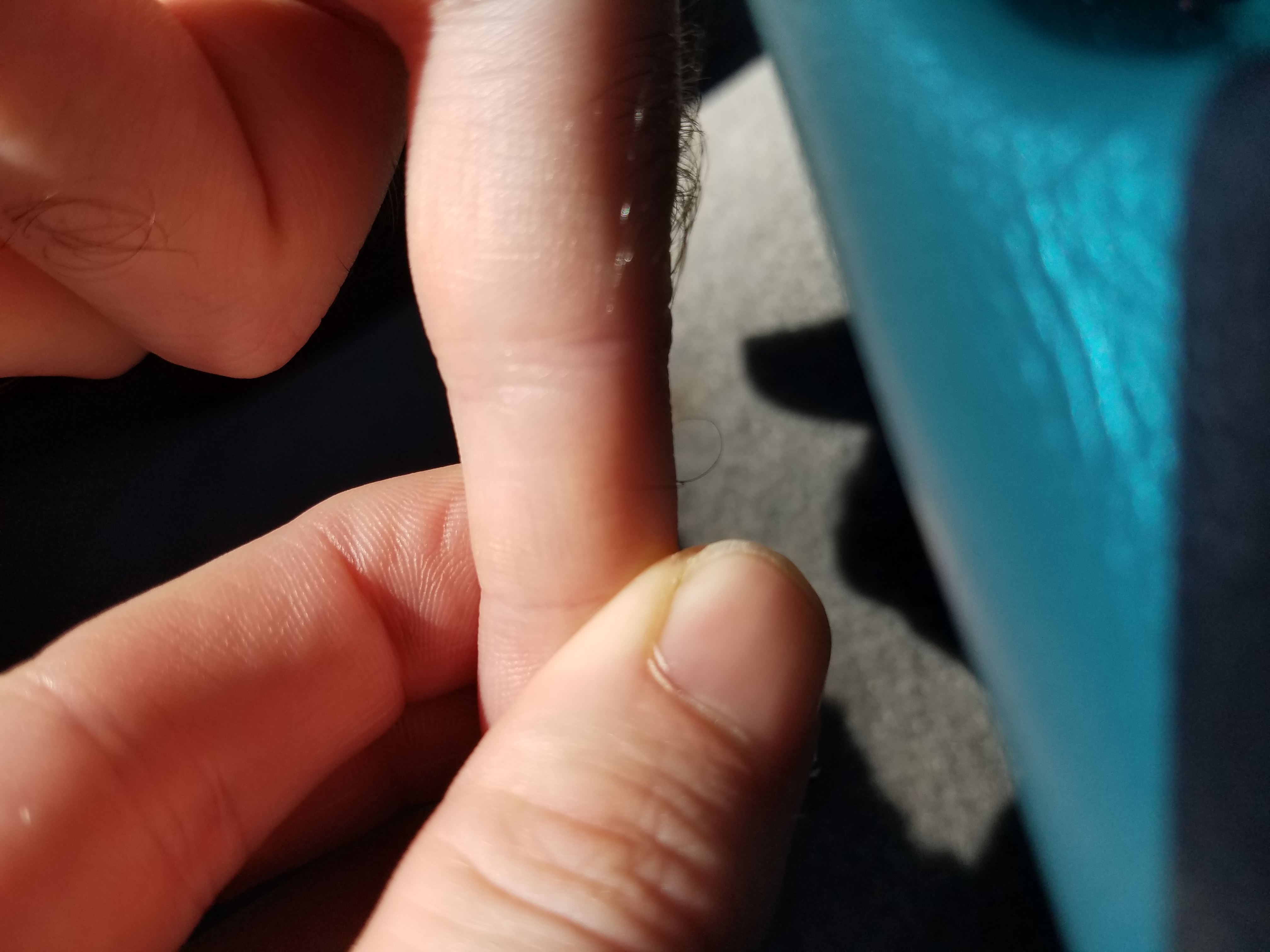
You can see that the right pinky finger is slightly crooked.

20160804_124101

You can see that the pinky is crooked in solitude as well.  This is likely due to the fact that the way I’ve been clamping has resulted in the bone tilting in a certain direction.  If only one side of the bone has been growing that won’t result in as much longitudinal growth as could be as it will be weighed down by the shorter side.  Naturally you tend to clamp the same way every time so I’m adjusting it to try to see if I can fix the angular growth.

20160804_123815

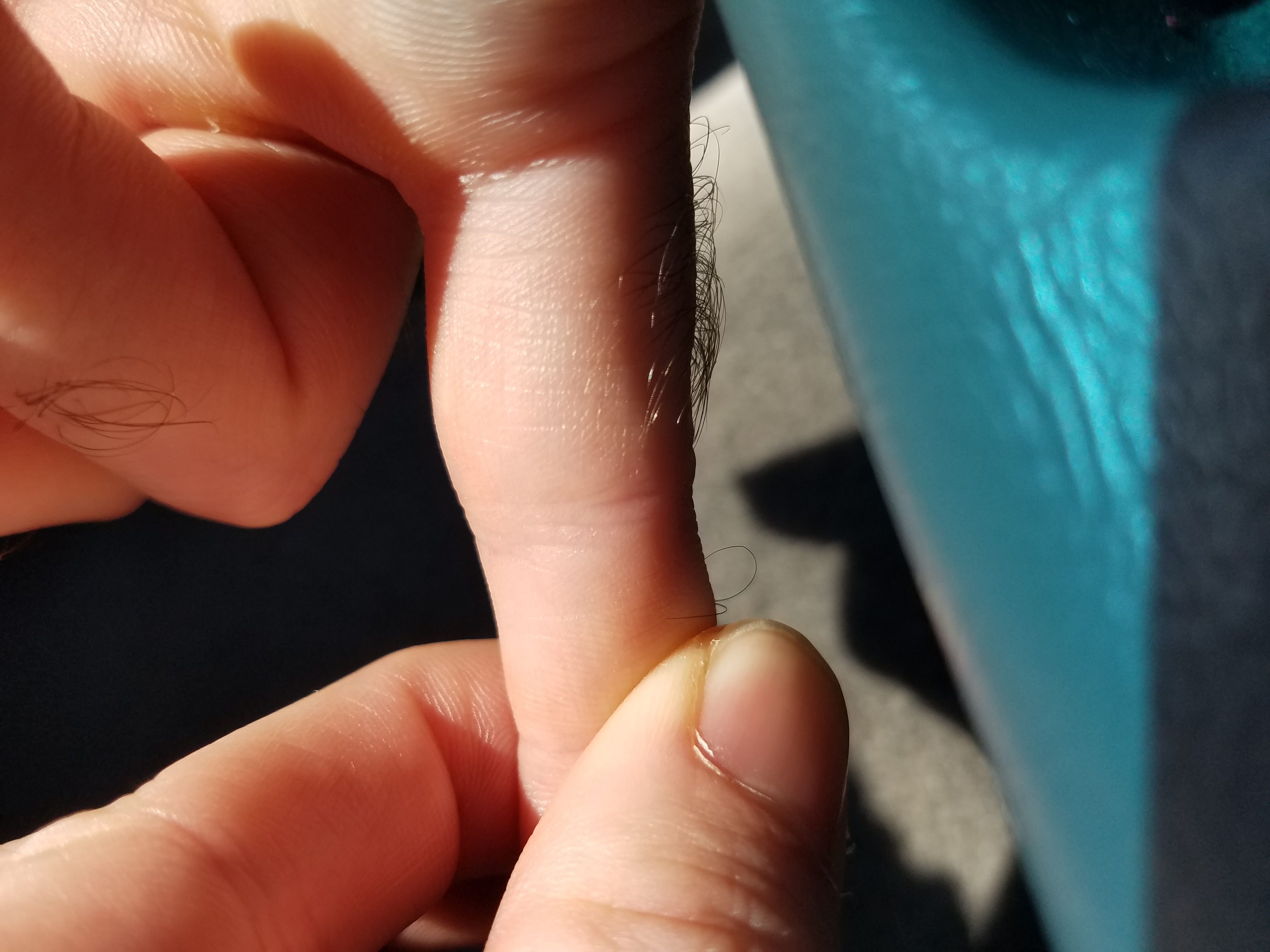
So for instance rather than clamping like this.  I’m going to be feeling what parts of the bone are underclamped and try to focus on clamping at that angle.  Underclamped regions of bone don’t feel as thick and tend to feel to smoother than the other regions of bone.  For instance like:

20160804_123801

I’m clamping the right hand pinky phalanges on the epiphysis of the distal phalange on the inner side but the middle phalange on the outer side this could result in crooked growth.  For the lower areas it’s inner medial/outer proximal and inner proximal/outer metarcapal.  It wasn’t intentional but I tended to clamp the same style every time.  Actually when I was clamping my thumb I was clamping around the proximal phalanx on both sides and I do not see signs of curved growth but I will try clamping more on the distal phalanx to see if that can inspire more growth

I realize this may be hard to understand but I’d rather focus on doing it rather than trying to draw some diagrams.  It’s possible that I will go back in the future.  So now what I’m going to do is invert it.  Clamp the middle phalange on the inner side and the proximal phalange on the outer side.  It’ll be very difficult to do this on the proximal/metacarpal intersection this way due to the web intersection.

If inbalanced growth is an issue and this new hand clamping strategy corrects it then this will be the LSJL proof I’ve been looking for as angular growth can severely reduce overall growth.  If only one side of the bone is growing you’re going to get angular changes but not much longitudinal bone growth until both are growing so if I manage to correct this it will be a huge improvement.

Whether you be a skeptic or a believer regardless I’m going to try to change my clamping technique and I’ll either have strong evidence of LSJL or not but adjusting clamping this way already feels different as one part of the epiphysis feels a lot more underdeveloped than the other.

Nanotechnology To Build Replacement Organs To Make People Taller!

For the longest time, I had thought that the researchers who look into generating and regenerating bone tissue and cartilage tissue had no plans or desire to try to get bones to be increased in size aka volumetrically increase.

I was wrong. I have been very, VERY wrong.

In a recent Discover Magazine article, I finally realized that this belief that the average orthopedic researcher looking into tissue engineering and growing replacement organs would never think of applying their knowledge for the goal of helping adults grow taller was all wrong.

Let me show you guys what I mean.

1. Buy this magazine, that might still be in magazine stands right now, in every Barnes & Noble bookstore in the country. “Discover Magazine Series – Secrets of the Human Body” – SCB014 2016 – (UPC: 074470583509)

2. Flip to page 143, and read that single article. It is entitled “Extreme Enhancement – How Nanotechnology could turn us into 8 ft-tall super-athletes” by Mark Miodownik (University College London) –

Let’s just take 2 paragraphs from this article, the 1st and the 4th.

1st paragraph

“One of the most powerful applications of nanotechnology is the design of replacement organs, such as livers, kidneys, and eventually hearts. This will have an enormous impact on those in urgent need of donor organs, but also opens up the possibility of super-organs.”

4th paragraph

“Bioscaffolds are also successfully being used to develop replacement bone for reconstructive surgery. Whole bones can’t be created yet, but success in this arena will not only change the science of hip replacement, it may also lead to new type of cosmetic surgery in which wholesale changes to body shape are carried out. Want a pair of long, slender legs? Have a pair grown for you – and why stop at 6 ft?”

My Personal Interpretation

Reread the 4th paragraph, and tell me how you the reader interpret what he is saying. This guy has admitted that one of the main goals of tissue engineers and biomedical engineers have always had when it comes to figuring out how to regrow full bones was to allow people to possibly grow taller, as adults to the height and size that they want.

I once asked my friend who is a software engineer who works on really crazy high level technical problems why it seems that the young full of energy startup computer entrepreneurs never take on the really hard, really important questions. What he said to me made me change the way I thought about things completely. I was complaining that it seemed like you would have groups of MIT trained CS majors who decide to try to start the 17th health data collection app or the 34th payment system app, which has already been done multiple times before. Why do these young kids only work on simple, easy problems? It turns out it makes the logical sense. Once you have become successful and have made some money from creating that small app, then you move onto something bigger, a much bigger and harder problem when you have more people, employees, and capital.

The point is this: For the longest time, I have been complaining about the fact that no tissue engineering researcher or group who is trying to regenerate hyaline cartilage has ever come out publicly or claimed that the reason they are trying to do their project was because they wanted to regenerate new epiphyseal cartilage which will be re-implanted into human bone tissue, to expand and volumetrically grow the size of that bone. That is essentially increasing the human body’s height using tissue engineering. It turns out the reason they have not is because the problem is too big, too crazy, and too out of reach. It is smarter to start with an easier problem, just trying to regrow the hyaline layer of cartilage in the articular cartilage of the ends of the long bones in the legs.

I had written a post about a month ago showing that the world’s current hottest Biomedical startup is Samumed, which has their own treatment/injection which is supposed to treat osteoarthritis aka cartilage degeneration. A Venture Capitalist had said that if you can get just 1 mm of articular cartilage regenerated from a simple injection, the company that is created from it would be even bigger than Apple. Solving the medical condition of osteoarthritis is much easier, and feasible than getting a full hyaline cartilage with mesenchymal stem cells embedded in the exact correct formation grown in the lab. This is the intermediate step, which is already a multi-billion dollar opportunity for anyone who has success.

Basic message: Start with something small, and easy, and once you gain some success, you move onto the bigger, harder problems.

So far, let’s to a recap of the teams of researchers which are either really close, or already there.

  1. EpiBone: Professor Warren Grayson and Professor Gordana Novakovic will be involved as scientific advisors for this lab-to-reality company. The Paypal and Palantir founder billionaire Peter Thiel has put his own money to back this venture.
  2. Teplyashin’s Team: They got the tissue engineering approach to lengthen bones to work out years ago but they were stopped from testing this bone lengthening technique on humans by the Russian government.
  3. Robert Ballock and Eben Alsberg’s Research: Their research grant filed with the USA government was completed months ago and their published papers show that it was successful.
  4. Lawrence Bonnasar’s team: His work at Cornell and the whole spinal implant shows a lot of promise, which I had written multiple posts about before.
  5. Atala’s team: His research at Wake Forest University and the pictures of the lab grown fibrocartilage ear scaffolds are sort of the classic. His team probably won’t be the one to get the hyaline cartilage generation done first though.
  6. CellInk – Any company that does 3D-Bioprinting, using stem cell infused medium ink will help with the cause. I personally met the Swedish company’s founder, and his son in a Tissue Engineering conference last year. Super nice guy.

Termis Conference: The termis conference is THE biomedical conference that anyone who is interested in trying to figure this thing out should be attending. The word Termis refers to Tissue Engineering and Regenerative Medicine International Society. This is the EXACT niche area of study who will definitely be the group who figures out this problem. In the past years of the annual Termis Conferences, the key people who I have said we should be following their work have attended it.

Overall Message: The people who are trying to regrow bone and cartilage tissue using the basic tissue engineering method of using a scaffold seeded with stem cells and than lab grown (aka in vitro) has always understood the possibility and implications of using their technology to make people taller.

Hexarelin and CJC-1295 (No Dac) Are Better Than Ibutamoren For Growing Taller

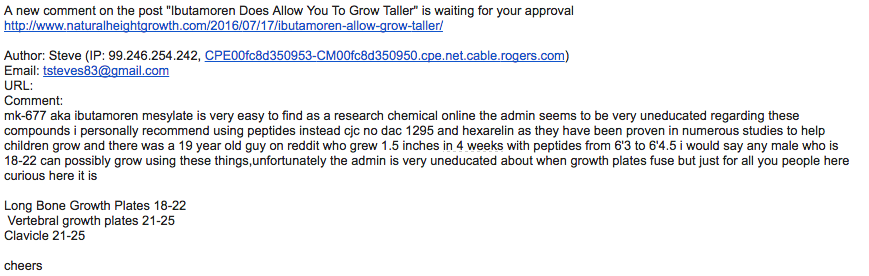
In the most recent post I wrote about Ibutamoren, someone did post and say that I don’t seem to know much about growth plates or my chemical compounds.

This person, who calls himself Steve, stated that instead of taking Ibutamoren Mesylate, which is also known as MK-677, it would be better to take CJC No Dac 1295 and Hexarelin. He states that there are multiple studies that have been published that show that the chemicals definitely work on children who are still growing to get taller.

Hexarelin CJC-1295

There is one anecdotal story he mentions where a guy stated on a Reddit thread that he grew taller by a full 1.5 Inches in just 4 weeks from taking a certain peptide combination (which I am going to assume he is referring to CJC No Dac 1295 and Hexarelin) from 6’ 3” to 6’ 4.5”.

Other information he states are the following….

Long Bone Growth Plates – 18-22 years old
Vertebral Growth Plates – 21-25 years old
Clavicle – 21-25 years old.

What he has said from a quick glance is completely accurate.

I have known since 2013 that the vertebral cartilage don’t ossify until after the long bones do. The clavicle is indeed that last bone to fully ossify. The pediatricians and GPs (Family doctors who probably specialized in Internal Medicine) would tell the average teenager that he would stop growing around the age of 16-19, but that is not actually true. I had sort of realized just a few days ago from noticing the difference in height from incoming university freshman males, who are usually 17-18, and young male adults who are in the work force, usually around 23-25, that there is a definite difference in height averages between the two groups. That means that the conservative age that the regular doctor will tell their teenage patient is off by probably a few years years. Usually guys don’t stop growing until they are 21-23. The old number of 17-20 are a little off.

My Thoughts

On many of the online forums and discussion boards on the internet that is related to bodybuilding, and weight lifting, you can see that the posters always refer to studies and cite the PubMed database almost every time.

There is no doubt that there have probably been thousands of guys who have come before me and after me, who also are avid readers and searchers on PubMed. I seem to remember from a podcast episode where this guy who was selling Juicers and promoting the benefits of juicing stated that he spent his free time just searching for interesting studies off of PubMed, which he thought made him unique and special. I hate to break the news to him, but there are thousands of guys out there who do the same thing he does, so his “hobby” is actually quote common.

The young people today want to stay in formed, and are always willing to consume more information, especially the type that helps them learn more about how to take care of their body and stay in good shape.

Clearly the young people and the internet savy users in the year 2016 are very well informed, and can detect BS very easily, and will call people out on their inaccurate information and insufficient knowledge. You got an entire generation of young guys who grew up getting into the weight room really early, and having the access of the internet in their hands. The result is that they did their own amateur independent research on steroids, by reading PubMed a lot. Which is fine.

I admit that when it comes to steroids, the whole process of cycling, and other growth hormone secretagogues and analogues, I have very limited knowledge. I just never got deep into learning about all of the types of steroids, and synthetic growth hormones being sold today. What I do know is that the term ‘Steroids” actually refers to synthetic testosterone, which is the male androgen, produced not just in the testes but also in the adrenal glands. The naturally occurring testosterone in all adult males is actually called “Anabolic Steroids”.

Growth hormone, aka Somatotropin or Somatropin, produced mainly in pituitary gland in the center of the brain. This is completely different from testosterone, although they can both be places under the umbrella term “steroids” since they are both used often by guys in bodybuilding to increase muscle mass, reduce fat percentage, gain more energy, increase sexual stamina, etc.

There is probably hundreds of guys who was searching on PubMed years before I came along trying to look at all of the possible types of chemicals that can get them to grow taller. There are some obsessed bodybuilders who really, REALLY know their steroids, and have probably read hundreds of studies and know all the ways the synthetic chemicals interact with the body’s function and the neurotransmitter pathways very well. Nearly every single guy at some point in their life probably have thought and desired to be taller and it makes sense that they would score the internet looking for maybe some secret clue or trick to do it.

I know since the amount of traffic that comes to this website every day where young guys looking for secret pills to take to grow taller is extremely large. I get thousands of emails from guys asking for help to give them height.

What I do know is that the people who posted on the old GrowTaller.com forum who was active in the mid 2000s, they already had suggested these chemicals because they had already exhausted the PubMed studies and hit their wall of dedication. There is no chemical that can lengthen the bones after the bones have no cartilage inside them (Although there are tricks to get around this technical problem which have been suggested and theoretically can work).

Here are just a small list of the things that people back in 2005-2010 had found and suggested, which all make sense and can work for young kids with growth plate cartilage.

Hexarelin
CJC No Dac 1295
CJC-1295
Oxandrolone (aka Anavar)
Estrogen Inhibitors

All 4 of the 5 are chemicals that either assist growth hormone production, increase growth hormone production, or is basically a synthetic type of growth hormone.

If you read what the this site (http://www.anabolicsteroids.net/cjc-1295.php) said about the side effects of using CJC-1295….

“…Another side effect of the CJC-1295 is acromegaly, since it helps in increasing the levels of the growth hormone. Acromegaly is a condition where extra growth hormone is released even after the internal organs and the skeleton have finished growing. This causes thickening of the skin, deepening of voice, enlargement of jaws, and slurring of speech. Another effect of acromegaly is the swelling of the soft tissue in the internal organs. This could result in the weakening of the muscles of the internal organs, like the heart. This was tested during the phase 2 testing of CJC-1295.”

Notice that the the writers note that a person can develop acromegaly if they took the CJC-1295 after their bones have fully ossified. The cartilage areas in their bodies that are still left will start to go through some type of hypertrophy process. The elbows, knuckles, wrists, ankles will all swell a little.

A recent post I wrote a few months ago had said that there is a chance that taking some growth hormone after the bones have fully ossified can for some individuals give them maybe 1 last inch in extra height. It seems that the HGH-agonists and HGH-stimulating hormones can cause the articular cartilage in the knees and as well as the very, VERY thin last layer of fibrocartilage in the edges of each vertebrate bone to thicken slightly. When you combine all of the vertebrate bones, the slight expansion of the articular bones, and the irregular bones in the ankles going through periosteal bone growth (bones just get bigger in width), they can all add up to give a noticeable last burst of a mini-growth spurt. Of course, I am assuming the user is around 22-24, just after their bones have all fused, but have not gotten thicker due to the process called “filling out” aka “getting wider”.

Conclusion

Maybe Ibutamoren may not be the best chemical for a height growth (for that teenage male who has a little bit of growth plate left), and maybe Hexarelin and CJC-1295 (No Dac) will be more effective, do a much better job, and the chemical’s effect would not wear off so quickly. I was not informed of the full information of the chemicals but I do make corrections when a reader of this website chimes in, writes a comment, and corrects my reported science based facts which are not 100% accurate. For that, I thank the commenter for their input to make this website better.