Category Archives: Uncategorized

Specific Bones Do Grow Bigger After Skeletal Maturity And Growth Plate Closure

Specific Bones Do Grow Bigger After Skeletal Maturity And Growth Plate Closure

I believe that even in our normal day to day life most people would be able to observe from being around a person who is going through the puberty phases in life changes to their body occurring which suggest bones are growing bigger as well.

Of course, we are not just talking about the interstitial growth of bones here. What were are saying is that there are certain bones in the human body which keep on growing in size even after all the growth plates are closed.

The evidence is from certain studies, like…

Surprising evidence of pelvic growth (widening) after skeletal maturity

It seems that while the long bones may no longer be growing vertically, they do indeed grow in width.

Of course, we already know that the long bones grows appositionally thicker over the years as the inner cambium periosteum layer deposits more and more osteoblasts onto the bones, but this is different. What we are see is an irregular bone structure, the pelvic bone becoming wider.

This makes sense due to two main things…

Factor #1: Many females have said that after going through with pregnancy and having their babies the natural way, they noticed that their hips expanded in size, and have never gotten back down to the size before they were ever pregnant. The phenomena tells us that somehow during pregnancy the pelvic bones were expanded in width.

Growth Plate ClosureFactor #2: The most common phenomena where the shoulders of a young teenage boy after they finish growing taller seems to grow in width and the overall torso seems to also grow wider, aka “filling out”

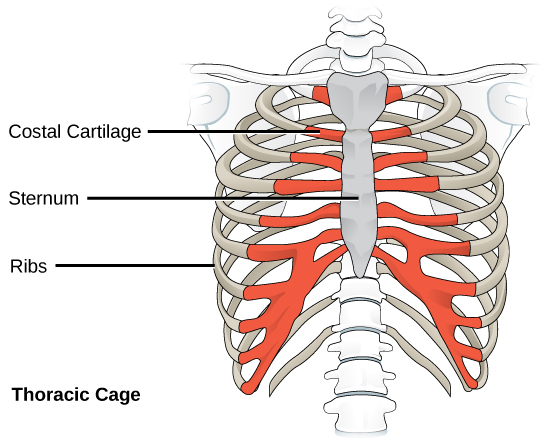
It would turn out after looking at the locations of cartilage in the body, the sternum/rib cage area of the body even in young teenage boys who have no more cartilage to grow taller, there is still cartilage in their front ribcage area. That is what makes the males grow wider in the shoulder area around the ages of 17-25.

Remember: When archeaologists are digging up cities from thousands back, they find skeletons with the entire ribcage being bones, which suggests that sometime after the bones that make height are bones, the ribcage which is made from fibrocartilage also slowly ossifies over time. If humans had cartilage in the front that never ossified, then the dug up skeleton from thousands of years ago would be missing the front area/sternum which is supposed to be surrounded by Costal Cartilage. Cartilage does not survive buried under ground for thousands of years. It either ossifies or gets disintegrated.

So what we are seeing is two different areas of the body that are still growing!

  1. The rib cage
  2. The pelvic region

In my long post about the possible reason for why some pregnant women grew taller, I had pointed at the related phenomena of pelvic girdle pain, where the little bit of cartilage (at the Symphysis Pubis) becomes stretched out, making the entire pelvic bone wider. After the findings on the ligament stretching and relaxing effects of relaxin, which is also released during pregnancy, it started to made sense. For example, the pelvic structure of females and males are already different. On average, the hips of a woman’s is proportionally larger than a mans, for childbirth and for easier passage of the baby through the birth canal.

During pregnancy, the entire area becomes widened from relaxin & the drop in calcium levels in the lumbar bones in the mother as the calcium gets transported to the developing embryo in the uterus, which means the bones become widened aka bigger. The loss in Ca means that the bones do get much weaker which means that it might be easier to stretch out the bones and remodel them.

There is now medical confirmation that certain bones in the body do keep getting bigger volumetrically. Refer to the following below…

From the 2nd source, it is written the following….

By the age of 18 years the girls had reached their mothers’ height (101%) and humerus, radius, femur and tibia lengths (100-101%), but not their mothers’ shoulder, great pelvis and lesser pelvis widths (98%, 95% and 93%, respectively). Our data confirmed that, after bone elongation had ceased, segment width continued to increase, although at a slower speed, into early adulthood.

If the pelvic bones are getting bigger, aka wider, how can we then use that type of knowledge to make the overall skeleton longer then?

Amateur Chinese Researchers Are Extremely Educated On Bone Interstitial Growth – Important!

Amateur Chinese Researchers Are Extremely Educated On Bone Interstitial Growth – Important!

Something that I have speculated on for a long time is that there are dozens, if not hundreds of individual amateur level researchers around the world like us, and I had said that most of them who are highly educated and understand the mechanics of the bone as well as any MD trained orthopedic specialist would be probably from Russia, Sweden, The Netherlands, Germany, South Korea, Japan, or China. Those are the only few countries which have the level of education, and technology sophistication to be able to play with the more advanced subjects.

I track the sources which link to this website. A link to the website has made my speculations much more concrete. It is from a Chinese based website source, and the level of knowledge expressed is above what I even understood, until I started to digg further into the technical details. Refer to the link http://bbs.wenxuecity.com/health/468959.html

The text on the page is completely in a language which I don’t understand, but fortunately for Google Chrome, it was roughly translated. I posted the translated parts below.

Chinese Researchers Extremely Educated

Bone Interstitial GrowthSome background notes on this website called Wen Xue City – After looking at its Wikipedia page, it seems that it is not some local city forum, but a very well known website that is used by the Chinese Expat community. It is supposed to be the…”largest overseas Chinese website”. From the Wiki pages, it is supposed to get around 2 Billion page views every month, and with 3 million unique visitors (is it by per day??).

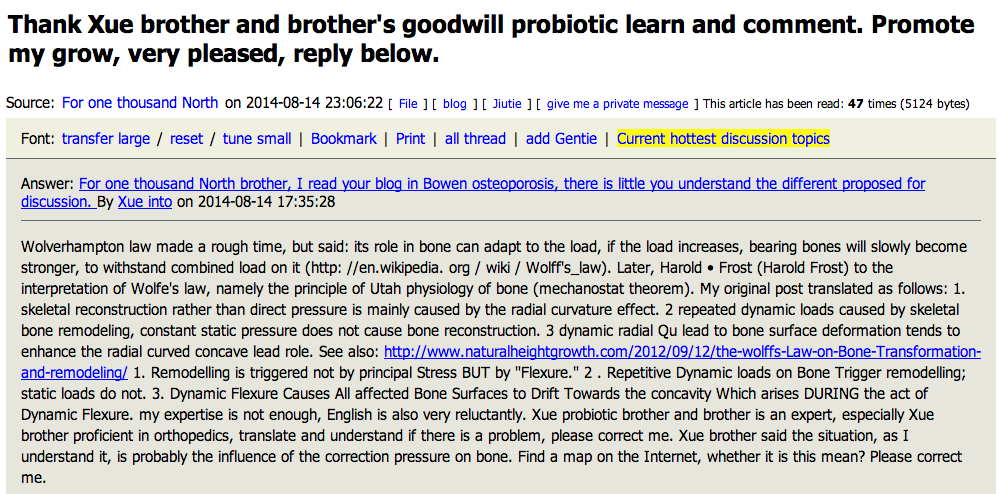
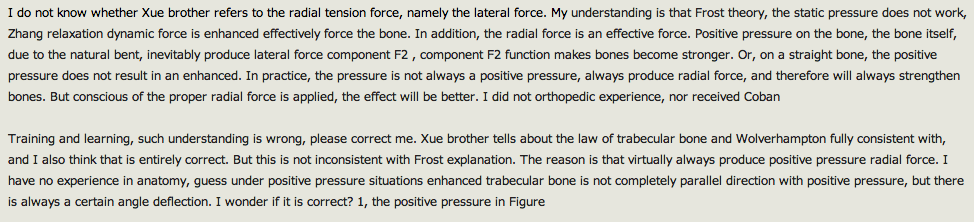
First, whoever gave the reply to this person who wanted to grow taller and lengthen their bones understood the details on how Wolff’s Law is supposed to work when you put loads in certain directions on a bone. They are using words to describe which direction to apply pressure on and what would happen to the bone.

The mention of the Mechanostat Theory by Harold Frost was something I only glanced at early on in the website and forgot about. What happened is that after Wolff came out with his law, Frost came along and adjusted that law aka refined it to be much more specific and detailed on what exactly happens to the bone, while still accepting the original law laid out by Wolff.

When the poster is talking about this term called “radial” I believe that they are talking about a lateral/side force/pressure used. This is similar to what Tyler proposes aka applying force laterally.

I also agree with him that if you are going to be applying a static force, the bones will not be remodeled. You need a dynamic, intermittent type of loading.

They also understand that the increase in bone thickness will always be in the area of bone which is concave in nature.

Here is the amazing point which is made, which I did not reach yet. Remodeling of bone is not possible unless the bone is curved aka concave in the area which you want to thicken/add bone to. It is not the force/pressure/load that is causing the bone to remodel, but the curved/concave nature of the surface of the bone.

Whoever wrote the post seemed to be writing it maybe for the purpose of figuring out how to grow bone density to reverse osteoporosis in the elderly, but they might also be talking about bone volumetric growth, aka making the bones bigger/longer.

What makes this link so important, and what are the implications?

If these guys were talking about how to make the bones longer for height increase, then they are much further ahead in understand the mechanics of the bone than me at least. If they are instead trying to learn Frost/s refined rule on Wolff’s Law for just increased bone density for preventing or treating osteoporosis, then they are still extremely advanced.

I think that there are probably websites and forums in the Russian, Chinese, and German internet space which are looking at the same PubMed studies like we are and have a much better grasp and understanding on what are the technical problems, and issues that are most important which we must resolve to push the effort forward.

If the person who wrote that reply (with all those pictures and diagrams on the effects of loading a femur) is any type of indication of the scientific level of bone mechanics expertise, I would then say that even these amateur level Chinese height increase researchers are much further than where we are. So did they figure out something already? I don’t think so, unless the government or military have done it and decided not to publish their top secret research and findings.

I have always believed that there are certain government groups anonymously tracking and following this website. We are not the normal type of blog talking about cooking recipes and putting Facebook pictures of their kids up. These days with the ability to get Private VPN services, and use local proxies to hide one’s IP, it is almost certain that I can not even figure out who are these people who are secretly reading the website and taking the information I leak to use for their own benefit.

I have already proved that the professional researchers in the Chinese Military Hospitals have been working to get the surgery of growth plate transplantation to work out for at least 2 decades now and that teams in a few Russian Cosmetic Clinics are also trying to get the exact same type of surgical technique to work out as well, by growing the growth plates from surgically removed fat tissue.

Pressure plasma for height

Non-Thermal plasma is plasma that is not in thermodynamic equilibrium.  Atmospheric pressure plasma matches the pressure of the surrounding atmosphere.

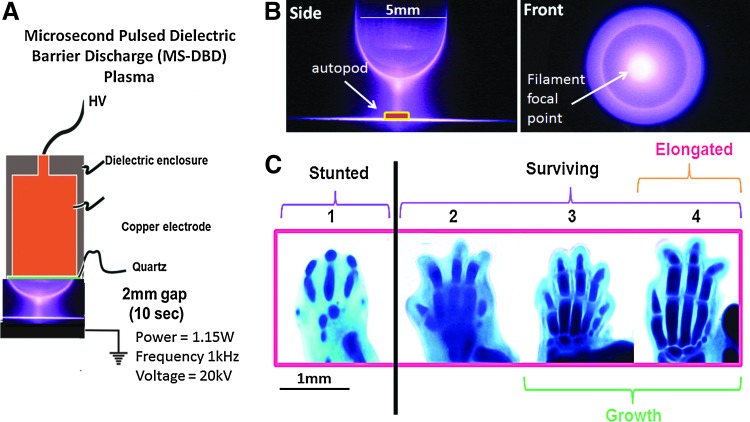
Non-Thermal Atmospheric Pressure Plasma Enhances Mouse Limb Bud Survival, Growth and Elongation.

“appendage regeneration is dependent on reactive oxygen species (ROS) production and signaling. Mesenchymal cell stimulation by non-thermal (NT)-plasma, which produces and induces ROS, would (1) promote skeletal cell differentiation and (2) limb autopod development. Stimulation with a single treatment of NT-plasma enhanced survival, growth and elongation of mouse limb autopods in an in vitro organ culture system. Noticeable changes included enhanced development of digit length and definition of digit separation. These changes were coordinate with enhanced Wnt signaling in the distal apical epidermal ridge (AER) and presumptive joint regions. Autopod development continued to advance up to 144 hr in culture, seemingly overcoming the negative culture environment normally observed in this in vitro system. Real time qPCR analysis confirmed the up-regulation of chondrogenic transcripts. Mechanistically, NT-plasma increased the number of ROS positive cells in the dorsal epithelium, mesenchyme and the distal tip of each phalange behind the AER, determined using dihydrorhodamine. The importance of ROS production/signaling during development was further demonstrated by the stunting of digital outgrowth when anti-oxidants were applied. NT-plasma initiated and amplified ROS intracellular signaling to enhance development of the autopod. Parallels between development and regeneration, suggest the potential use of NT-plasma could extend to both tissue engineering and clinical applications to enhance fracture healing, trauma repair and bone fusion.”

“Vertebrate limbs grow through the coordinated activity of numerous growth factor signaling pathways, including the Wnt, fibroblast growth factor (FGF), bone morphogenetic protein (BMP), Notch, and transforming growth factor-β pathways. ROS play a primary role in mediating the activity of these factors and/or are integrally involved in regulating downstream signaling pathways. For example, a sustained increase in ROS levels is required for Wnt β-catenin signaling and the activation of one of its main downstream targets, fgf20. In addition, naturally occurring oxidative spikes are observed in most of the transition stages throughout developmental and regenerative processes. Furthermore, there is precedence for ROS production to both direct and enhance mesenchymal cell differentiation into either chondrocyte or osteoblast lineages”

“Since the NT-plasma discharge occurs in air, it is a highly complex mix of reactive chemical species (i.e., nitric oxide [NO], ROS, oxygen singles, and ozone), free ions, visible, ultraviolet, and near-infrared light, electric fields, and electromagnetic (EM) radiation.”

“one study showed that a 2 h treatment with EM field stimulated limb growth through increased proliferation and chondrocyte differentiation”

That is an absolutely huge elongation.

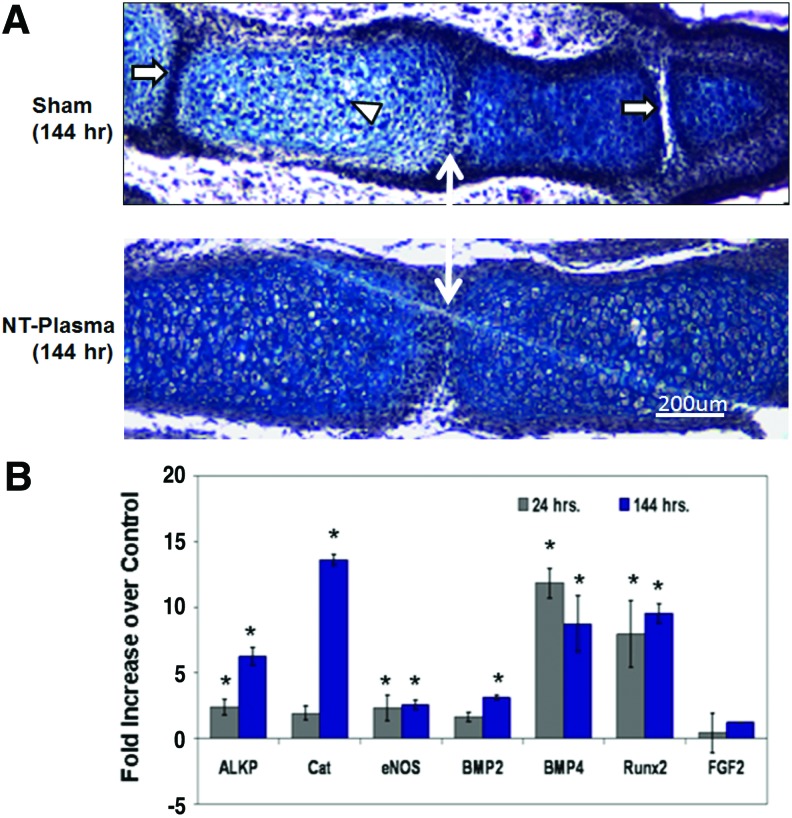
“Morphological formation of the joint region and alcian blue staining of proteoglycan appeared normal in sham and NT-plasma-treated digits. Chondrocytes in the proximal segment of the sham-treated digit were entering the prehypertrophic stage, based on the larger size, greater cellular spacing, and decrease in proteoglycan (white arrowhead). This typically precedes the formation of the primary center of ossification in the diaphysis. In contrast, chondrocytes from the NT-plasma-treated digit were immature and contained large amounts of proteoglycan. Even more striking was the much larger cartilage phalangeal segments in the NT-plasma-treated digit. A white line with double arrows marks the joint between the first and second phalanges in both sections. In the sham-treated digit, the adjacent joint spaces (white arrow) can be clearly observed; whereas in the NT-plasma-treated digits, there is no evidence of the next joint space, due to the increased segment length.”<-So maybe the plasma treatment increases stem cell differentiation to chondrocytes which is what we’d be looking for.

“Histology and quantitative real time-polymerase chain reaction were used to assess chondrogenesis and molecular events associated with the accelerated development. (A) A representative, hematoxylin and eosin (H&E) and alcian blue stained sections of middle phalanges from sham and NT-plasma-treated limb autopods. A white double arrow line marks the first joint space. The white arrows mark adjacent joint spaces, and the white arrowhead marks prehypertrophic chondrocytes in the sham control. (B) At 24 h post-NT-plasma treatment, alkaline phosphate (ALKP), catalase (CAT), endothelial nitric oxide synthase (eNOS), and bone morphogenetic protein 2 (BMP2) expression increased twofold above control. BMP4 and runt-related transcription factor 2 (Runx2) increased 12-fold and 8-fold, respectively, and fibroblast growth factor (FGF)-2 showed no increase. One hundred forty-four hours later, increases for ALKP (6-fold), CAT (14-fold), and BMP2 (3.5-fold). eNOS remained increased twofold above control at 144 h. BMP4 and Runx2 showed a relatively consistent elevated expression at 24 and 144 h. The results are expressed as the mean±standard deviation (n=3 [two limbs pooled per sample], *p<0.05). ”

“NT-plasma treatment promoted both growth and differentiation of cartilaginous elements within the embryonic mouse autopod. Based on the lack of limb growth after NT-plasma treatment in an antioxidant environment, and the increase in H2O2-positive cells in and under the epithelia throughout the 6 day culture period, we propose that NT-plasma induction of intracellular ROS also plays a role in the growth and differentiation observed in the autopod. In addition, H2O2-positive cells were observed in the distal digit tips behind the AER, concurrent with enhanced Wnt signaling. These findings are consistent with the ROS dependence of signaling factors (e.g., Wnt, BMP, and FGF) required for autopod development.”

“ROS production may not be the sole mechanism driving enhanced autopod growth. A second possible reason that NT-plasma enhanced autopod growth was its inhibition of epithelial overgrowth. ”

“In limb regeneration, a thickening of the epidermis has been shown to inhibit signaling to the blastema, halting the regeneration process.”

Hard to determine causality as there are so many potential causal factors as there are so many confounding variables in plasma.

Older mice still capable of undergoing endochondral ossification

Mice growth plates do not go through the fusion stage but they do cease eventually in longitudinal bone growth due to growth plate dysfunction.  If we can reverse growth plate dysfunction in mice than perhaps we can do so in humans and get more height from the growth plate.

This study however does not discuss reversing elderly growth plate dysfunction but rather states that older mice are still capable of undergoing endochondral ossification outside the growth plate.

Fractures in Geriatric Mice Show Decreased Callus Expansion and Bone Volume.

“Using a small animal model of long-bone fracture healing based on chronologic age, we asked how aging affected (1) the amount, density, and proportion of bone formed during healing; (2) the amount of cartilage produced and the progression to bone during healing; (3) the callus structure and timing of the fracture healing; and (4) the behavior of progenitor cells relative to the observed deficiencies of geriatric fracture healing.
Transverse, traumatic tibial diaphyseal fractures were created in 5-month-old (young adult) and 25-month-old (which we defined as geriatric, and are approximately equivalent to 70-85 year-old humans) C57BL/6 mice. Fracture calluses were harvested at seven times from 0 to 40 days postfracture for micro-CT analysis (total volume, bone volume, bone volume fraction, connectivity density, structure model index, trabecular number, trabecular thickness, trabecular spacing, total mineral content, bone mineral content, tissue mineral density, bone mineral density, degree of anisotropy, and polar moment of inertia), histomorphometry (total callus area, cartilage area, percent of cartilage, hypertrophic cartilage area, percent of hypertrophic cartilage area, bone and osteoid area, percent of bone and osteoid area), and gene expression quantification (fold change).
The geriatric mice produced a less robust healing response characterized by a pronounced decrease in callus amount (mean total volume at 20 days postfracture, 30.08 ± 11.53 mm3 versus 43.19 ± 18.39 mm3; p = 0.009), density (mean bone mineral density at 20 days postfracture, 171.14 ± 64.20 mg hydroxyapatite [HA]/cm3 versus 210.79 ± 37.60 mg HA/cm3; p = 0.016), and less total cartilage (mean cartilage area at 10 days postfracture, 101,279 ± 46,755 square pixels versus 302,167 ± 137,806 square pixels; p = 0.013) and bone content (mean bone volume at 20 days postfracture, 11.68 ± 3.18 mm3 versus 22.34 ± 10.59 mm3) compared with the young adult mice. However, the amount of cartilage and bone relative to the total callus size was similar between the adult and geriatric mice (mean bone volume fraction at 25 days postfracture, 0.48 ± 0.10 versus 0.50 ± 0.13), and the relative expression of chondrogenic (mean fold change in SOX9 at 10 days postfracture, 135 + 25 versus 90 ± 52) and osteogenic genes (mean fold change in osterix at 20 days postfracture, 22.2 ± 5.3 versus 18.7 ± 5.2; p = 0.324) was similar{so the deficiencies of older mice to undergo endochondral ossification in response to fracture may be related to things other than gene expression}. Analysis of mesenchymal cell proliferation in the geriatric mice relative to adult mice showed a decrease in proliferation (mean percent of undifferentiated mesenchymal cells staining proliferating cell nuclear antigen [PCNA] positive at 10 days postfracture, 25% ± 6.8% versus 42% ± 14.5%.
the molecular program of fracture healing is intact in geriatric mice, as it is in geriatric humans, but callus expansion is reduced in magnitude.
Our study showed altered healing capacity in a relevant animal model of geriatric fracture healing. The understanding that callus expansion and bone volume are decreased with aging can help guide the development of targeted therapeutics for these difficult to heal fractures.”

So older mice are still capable of chondrogenic fracture healing which is a lot like endochondral ossification.  Therefore, this provides evidence that older humans may be capable of inducing new endochondral ossification.

“At 10 days postfracture, corresponding to peak cartilage, young adult mice produced more total cartilage than geriatric mice (302,167 ± 137,806 versus 101,279 ± 46,755 square pixels”

“No difference was found in the percent cartilage content of the callus at 10 days postfracture (41.17% ± 10.13% versus 28.94% ± 8.74%) and in the percent of total cartilage that was hypertrophic at 15 days postfracture (88.76% ± 14.56% versus 70.21 ± 16.05%; p = 0.078). Osseous tissue formation did not reach high levels until 20 days postfracture with cartilage resorption nearly complete for both groups. Geriatric mice exhibit decreased total cartilage production and delayed resorption”

This Simple Amino Acid Supplement Combination Produced A Small Growth Spurt – Easy To Find At Your Local Drugstore

This Simple Amino Acid Supplement Combination Produced A Small Growth Spurt – Easy to Find at Your Local Drugstore

Amino Acid ComboThere has been a very active and notorious male enhancement forum that many young guys have noticed in the last 2-3 years. I have personally referenced to the forum at least once, called the Good Looking Loser. The main guy who runs the website, Chris, seems to be a honest guy, who seems to be quite transparent in what he is teaching guys. I used to actually be in the Pick-Up-Artist scene myself for a while and remember seeing Chris in a David DeAngelo Program (Man Transformation) DVD where Chris is proactively trying to improve himself and was working on focusing on his goals in life. It is sort of amazing to see how far some of those guys in the Male Self-Improvement Community has progressed in just 5 years or so.

The focus of the website is focused on the same usual subjects young guys care about (attracting good looking females, improving sexual performance, increasing penis size, getting a more muscular body, improving’ one’s fashion sense, Nootropics, and how to make money quickly or Improve their professional life and reach their goals.)

Those things, I have always felt was rather easy to accomplish. Anyone with a strong enough desire, proactive attitude, and drive would be able to get all those areas of their life handled. There are some other aspects of self-improvement like body odor, bad breathe, feeling more confident, less anxiety, etc. but we didn’t care too much about those. We focus on the big stuff, the hard problems.

The one factor that that seems to get a lot of interest and comments, as well as a lot of emotions are the threads in the forum posts about how to deal with being a guy of short stature. Height is a really big deal for most men, and it might be an even more big issue for these guys who are trying to change their body to be what the Western culture thinks is super masculine.

Going to the gym, and working out would make any normal young guy…

  • Loss weight that is from fat
  • Gain weight in the form of muscle
  • Develop stronger bodies
  • Give them more energy
  • Look stronger and more imposing
  • Improve their stamina for sexual performance
  • Make them feel good and more confident
  • Make them more attractive to the opposite sex

However, the benefits of the gym may not be enough for the primary issue of short stature. There is no way a guy can just exercise their body to become taller. Muscles grow from exercise, not bones, at least not longitudinally.

I decided to just scour through the posts and forum threads yesterday and many height related issues are brought up every once in a while. There are plenty of posters who realize that they are sort of stuck in a position which they can’t do anything about.

Just imagine how frustrating it must be for any one of those success-driven young 20 something recent college graduate guys who are so focused on improving their life (fashion, body, women, etc.) but they always run into the wall of being naturally short. I would highly recommend the forum to any guys who feel like their lives are not where they dream it should be and want to accelerate their growth process. We are not affiliated with the website but it seems to genuinely try to help guys who are stuck.

Incsecure over height

The picture was taken from here. It shows that there are many guys (and girls) out there that realize the futility of trying to improve their life when there is something so blatantly obvious that sets them back which they can’t do anything about or change. Height will be something that millions of people will forever get hung up about until we find a solution (we are close though).

It was in one of those threads which a poster made a comment which made me rethink over the benefits of using an amino acid supplement combination as a possible way to increase one’s height.

The combination is….

  • Ornithine – Dosage: 6 pills of the Orni-Lys-Arg Amino-Mix – No dosage info
  • Lysine – Dosage: 6 pills of the Orni-Lys-Arg Amino-Mix – No dosage info
  • Arginine – Dosage: 6 pills of the Orni-Lys-Arg Amino-Mix – No dosage info (Other sources say to take 10 grams of Arginine a day)
  • GABA (Gamma-AminoButyric Acid) – Dosage: 3 grams per day

Refer to the picture below. It was taken from the thread Height and Weight Lifting
Amino Acid Supplement

(Note: We always acknowledge the possibility that any claims of height increase that is not from our website will always be subjected to scrutiny. We can’t back up these claims because the articles an stories we reference may have only worked for that one particular person. The internet is full of people who lie or stretch the truth, for whatwever reason. We are just reporting on what we find and say that this amino acid combination worked for at least 1 person who got something out of it. Maybe it might work for others)

So who can get results from this? How old do they have to be?

Answer: I suspect that the amino acid mixture will work only for people who are between the ages of 17-21, for those guys & girls who have not gained any noticeable changes in height for a few years.

If nothing else works, this amino acid represents one of the last, easy to obtain supplement combo which has a chance which almost anyone who lives close to a drug store can get for less than $30. Ornithine, Lysine, Arginine, and GABA are extremely common supplements which any normal drug store will carry for sure.

It is true that the gain is minimal, at just 1.5 cms as the guy claims. He said he went from 180 cm starting high school to 183 cm at the end. We realize that he made a height difference discrepancy. Is it 1.5 cm or 3 cm that he gained?

How much should a normal person expect to gain?

Honestly, the normal person should expect close to no results, but for certain people, who have not grown at all since maybe ages 15-16, there is usually some bit of growing left in them. By taking the right type of compound in a high dose in a rapid succession, it can shock the latent cartilage to go into one last bit of growth spurt. We are going to be realistic and say that if anyone is going to see any results, it would be maybe 1-1.5 cm at most, which is really not that much.

What is the science behind this stuff? Why does it work
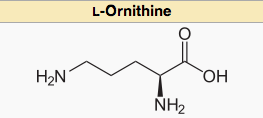
LysineI don’t know. As for the science, I don’t know why orally consuming amino acid supplements would ever work. I can’t explain it. I can only write posts showing that in the rare cases, taking high amounts of amino acid has resulted in a small growth spurt. In the last 2 weeks, I have found too unrelated cases of people ending up slightly taller from swallowing high doses of amino acid combos.

I was not a biochemistry major in college, but a chemical engineer. All I know is that Ornithine, Arginine, and Lysine are all one of the 20 main amino acid building blocks created by different nitrogen groups. From these simple amino acids, you can make every single protein in the human body, just like how the 26 letters in the alphabet can form over 100,000 different words when arranged slightly differently. As for Glutamine, I even know even less.  The one resource I found says that Glutamine like Arginine increases the level of endogenous HGH in the adult body. As for GABA, I do know that GABA has been traditionally been used for helping people get calm and reduce anxiety, and has some type of effect where a neutrotransmitter gets up-regulated or something. I am not a neurologist either. I study stem cells that has chondrogenic potential, not neurogenic. I recently told a friend that for their sake, I will look into the research and potential of using stem cell technology and gene therapy for treating neurological disease.

Conclusion

This article has almost the exact same type of advice as a recent post I wrote entitled “Take This Easy To Obtain Supplement To Gain Lean Muscle, Stay Young Longer and Maybe Grow Taller“. In that post, I referenced this girl who was 19 at the time, and had not grown since she was 16. After taking about 10 grams of L-Arginine everyday for a week, she stopped taking it because she was getting nauseous. She grew an entire inch as a result.

What I do know for a fact is that Dr. Oz (yes, the one associated with Oprah) wrote on his website that eating fenugreek (found in Indian spices) and taking L-Arginine Supplements does increase the level of HGH in an adult persons system (for the ages 25-45). Arginine has been claimed by a national television doctor to increase HGH levels in adults. That is good enough evidence to me to give this claim of the amino acid-mixture some level of credibility. Maybe it might NOT increase in height for adults, which I would assume is going to be the majority of cases, but it will definitely help cut down on fat, and increase lean muscle mass, and maybe even improve one’s energy level.

The source from the previous post said that to keep up the stimulation and release of HGH levels seen when we were younger, we should be taking around…

  1. 10-30 grams of Arginine a day
  2. 2 grams of Glutamine

Here is what I am going to suggest…

Take either the amino acid combo with GABA as well as Glutamine.

So I suggest two different options/amino acid supplement combo…

Option #1:

  • L-Arginine – Dosage: 10-15 grams daily for 2 weeks straight
  • L-Glutamine – Dosage: 3 grams a day

You can get the L-Arginine w/ 1 gram tablets from Amazon Here! (Price: $14)

Amino Acid ComboOption #2:

  • 3 Amino Acid Combo (Arg-Orni-Lys) – Dosage: 6 tablets each day –
  • GABA – Dosage: 3 grams a day

You can buy the Arg-Orni-Lys Combo From Amazon Here! (Price: $13)

Personally, I don’t think the GABA will do much for body remodeling, but would make people calmer and feel a drop in their anxiety level, if it works. And yes, those are Amazon affiliate links, which means that if you go through the links and buy something from there, we get around a 6-7% commission from each purchase you make.

What about the Glutamine? – I don’t know, since I have not looked deep enough into the compound. Maybe it is worth taking just to see if there is some type of additional beneficial effect which we weren’t aware of before.

Warning: Only take this combo if you are between the ages of 17-21, and have not seen any changes in height gain in the last 2-3 years. This easy to obtain supplement combo is one of the few things I have found which has more than just one anecdotal story but has some evidence backing it up. The high dosage might give the body one last bone growth push and that would be the end of any natural growth that the person will be able to go through.

As always If you don’t believe that this stuff works, then don’t buy it. There are enough people who don’t believe us and call us liars and scams and that is fine. This is the internet. We just try our best and move forward with the research.
Cyp26b1

If you’re deficient in Cyp26b1 then having a Vitamin A deficient diet may be a way to grow taller.

Cyp26b1 Within the Growth Plate Regulates Bone Growth in Juvenile Mice.

“Retinoic acid (RA) is an active metabolite of vitamin A and plays important roles in embryonic development. CYP26 enzymes degrade RA and have specific expression patterns that produce a RA gradient, which regulates the patterning of various structures in the embryo.  Localized RA activities in the diaphyseal portion of the growth plate cartilage were associated with the specific expression of Cyp26b1 in the epiphyseal portion in juvenile mice. To disturb the distribution of RA, we generated mice lacking Cyp26b1 specifically in chondrocytes (Cyp26b1Δchon cKO). These mice showed reduced skeletal growth in the juvenile stage. Additionally, their growth plate cartilage showed decreased proliferation rates of proliferative chondrocytes, which was associated with a reduced height in the zone of proliferative chondrocytes, and closed focally by four weeks of age, while wild-type mouse growth plates never closed. Feeding the Cyp26b1 cKO mice a vitamin A-deficient diet partially reversed these abnormalities of the growth plate cartilage. Cyp26b1 in the growth plate regulates the proliferation rates of chondrocytes and is responsible for the normal function of the growth plate and growing bones in juvenile mice, probably by limiting the RA distribution in the growth plate proliferating zone.”

“Cyp26b1 is expressed in the distal region of developing limb buds, and mice that lack Cyp26b1 show severe limb malformation due to the spreading of the RA signal toward the distal end of the developing limb, causing abnormal patterning of limb skeletal elements”

“In juveniles, focal closures of the growth plate in the distal tibia, the proximal tibia, the distal tibia, elbow, proximal femur and distal femur are caused by the treatment of acne with retinoids or the treatment of hyperkeratinosis with cis-retinoic acid. In guinea pigs, the application of RA caused closure of the growth plates in the proximal tibia”

“Excess intake of vitamin A causes growth impairment and skeletal pain in juveniles”