Category Archives: Uncategorized

What I Learned From Attending The Annual 3D Printer World Expo

What I Learned From Attending The Annual 3D Printer World Expo

3D Printer World ExpoSince the annual 3D Printer World Expo was being held this year at Seattle, (more specifically Bellevue, WA) I bought tickets to attend the expo and listen to the speakers talk about the revolution that is taking place right at this time, which will revolutionize the world in the coming decades to come.

The event was being held from August 22-23, 2014 which concluded tonight. I decided only to attend the conference the first day, and talk with all of the people at the exhibits to see how far they have come along in being able to develop products for medical application.

There was three main reasons why I decided to attend.

First, I realize that the revolution of 3D Printers is going to bring about a paradigm shift in the form of a disruptive technology, similar to how the company Uber is trying to transform the taxi service industry. It is absolutely critical to keep up with the real edge of what is going on in the world today. At the expo, I was able to try out the Oculus Rift that people in the tech world have all been going crazy for, with the people from Prizmiq.

Second, I wanted to see who is already trying to create biocompatible implantable hyaline cartilage, by combining the fields of tissue engineering and stem cells, for what I believe will be the real revolution for our endeavor.

Third, I have started to go into research on the developing technology of turning humans into androids/cyborgs. I have already jumped on the BioHacking bandwagon, promoting the idea set forth by David Asprey, but I feel like there is much further we can go to integrate the electronic world with the biological world.

I took pictures, got free stuff, and talked to people who are in the industry who are promoting their businesses and products.

For our purposes though, I asked each of companies that was selling or promoting 3D Printers the question, “Are you guys selling 3D Printers that has the ability to print bio-compatible, in vivo implantable functional human cartilage?

Almost all of the companies I talked to said no, except maybe 1 company (Nytec). When I asked just how fine the filaments threads can get to in terms of accuracy in making these 3D Models, the smallest I found was around 7-8 microns, with the upper end being around 200 microns.

Here is some things which they did tell me which is being created.

PEEK BIo-Material (poly-ether-ether-ketone) – Unlike the PLA and the ABS type plastic extruded filament material that is traditionally used to make 3D models, there is a another material that is coming out known as PEEK Material. It has been used apparently for the last decade and has slowly had multiple variations/derivatives of the PEEK material made. Its various materials characteristics makes it the most attractive material to be used for in vivo implants. (Refer to study “PEEK Biomaterials in Trauma, Orthopedic, and Spinal Implants” or “In vivo biocompatibility testing of peek polymer for a spinal implant system: A study in rabbits“)

Organovo – This company I have done research before, and it seems like they are the main company to focus on. The people who organized the 3D World Expo when I asked them specifically named this company for 3D Printing Implantable Tissues. I originally referred to Organovo when I wrote about the possibility of using the biomedical practice of Bioprinting aka Electrospinning in the post “Increase Height And Grow Taller Through Bioprinting And Electrospinning“. On the company website, they state the following…

“…Our 3D bioprinted human tissues are constructed with precision from tiny building blocks made of living human cells, using a process that translates tissue-specific geometries and cellular components into 3D designs that can be executed by an Organovo NovoGen Bioprinter. Once built, the bioprinted tissues share many key features with native tissue, including tissue-like cellular density, presence of multiple cell types, and the development of key architectural and functional features associated with the target native tissue.”
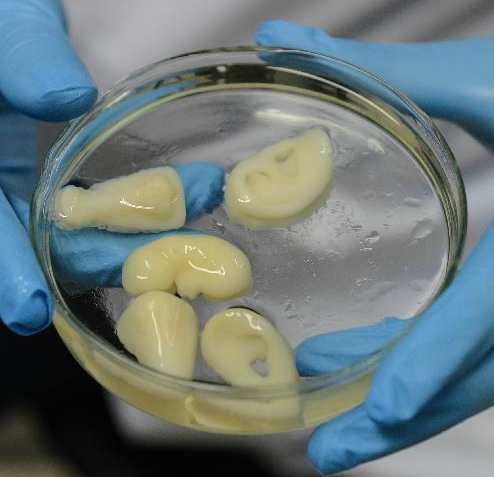
RegenovoRegenovo – This seems to to be China’s answer to Organovo. From the 3DPrintersIndustry.com website, they say that the China based Regenovo is still about 15 years away from being available to the average patient. It is a type of”…medical grade 3D bioprinters that is still under development and showing promising results“. The researchers at Regenovo have already been able to bioprint out a fibrocartilage based ear type tissue, as well as potentially also noses.

Since Regenovo is already able to print out nose and ear structures in about 1 hour!!, they should be able to re-create the chondrocyte column like structure that is found in the epiphyseal hyaline cartilage which can be a mass-produced synthetic growth plate which can be popped into a bone resection to lengthen the bone. The researchers are from some university in Hangzhou and are working with Independent Intellectual Property Rights (IIPRs). The developer named Xu Ming-en is able to create a 4-5 inch wide ear cartilage part within 1 hour already using the regenovo 3d bioprinter.

From the website 3DPrinterWorld.com website, what we are seeing is that along with Organovo & Regenovo, there are labs in Universities around the world like Wake Forest, Cornell, and the University of Iowa who are all working on very similar areas of focus, aka cartilage and spinal disc regeneration.

Taulman3D.com – This company supposedly got a FDA approval also a day ago for using their implantable nylon based material for medical applications.

Selective Laser Sintering (aka SLS) – This is a type of way of 3D Printing method based on using a laser to add more material on the object you are trying to shape and form. Currently, I know very little about this type of manufacturing technique, although it seems to be one of the manufacturing industries most common approaches to making parts.

One company I talked to say that SLS might be able to be used to make implantable parts. I forgot which one though by now.

However, what I have noticed is that due to the nature of the filament (aka raw materials) you are heating up and extruding through the extruder head, these materials like the most two types of filament material, PLA and ABS just can’t be used for medical application, since they would poison the person who tried to put the thermoplastic either in their body or on their skin. Now, there are many, MANY, companies right now who are using 3D Printers to build and make prosthetics, (like for instance Coyote Design & Mfg based in Idaho) by making bone like-tissue which will be placed along the skin but very few companies have been able to succeed in printing things that would work okay inside the human body.

Here is something I didn’t realize maybe months ago when I was writing about the possibility of using 3D Printers to print out our own internal organs. Currently, there is maybe about just 2 dozen types of materials that you can use as the raw material in the filament to make the models and shapes that you want. Here are some of the most common types…

  • ABS
  • HIPS
  • PLA
  • NYLON
  • PVA
  • TPE
  • T-GLASE

What to take away from it all… 

I have been trying to combine all of the areas/fields that I am interested in and doing research on into one. So far, that has led me into the field of 3D Printers and finding the right type of collagen/scaffold configuration to create new cartilage tissue.

It has already been shown by at least 2 sources that making a 10 cm wide piece of fibrocartilage layer is already possible, taking just around 1 hour. I am wondering just how hard would it be to turn that ear/nose piece already made in multiple university labs around the world into hyaline cartilage and make the type of functional implantable cartilage that can expand and make our bones grow volumetrically. Not too hard I suppose.

If the researchers really wanted to, they would be able to get the new growth implant implantations available for the general public’s use within maybe just 3-5 years if they actually put all their effort and focus into it.

To end this post, I give you a vision of what will almost definitely come about in the future, with the forward being presented by former Lucasian Professor of Cambridge, Dr. Stephen Hawking, on how medical breakthroughs have allowed him to live and function beyond the years expected of him when he was first diagnosed with Lou Gehrig’s Disease decades ago.
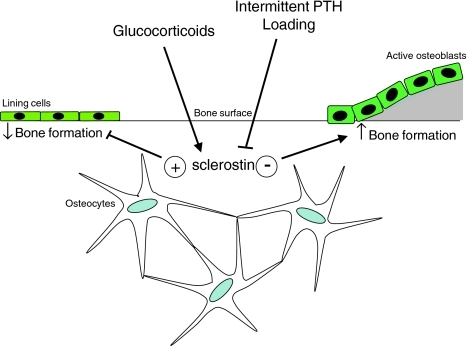
Sclerostin Inhibitors Promotes Bone Growth and Protects Against Cartilage Degradation

Sclerostin Inhibitors Promotes Bone Growth and Protects Against Cartilage Degradation

Sclerostin InhibitorDue to the nature and subject which we do research on, we often find that our work/research is referenced by certain websites and forums which focuses on talking about very controversial and questionable subjects. The tracking software for the website revealed that the PUA Hate forum was at one time linking to the website, before it was taken off line from the amount of negative media attention it got after what one of its former members Rodger Elliot did.

It took maybe 1 month before some other places similar to PUA Hate started to link to us, with almost the exact same type of social mentality. We are referring to the forum SlutHate.com. I guess for a certain percentage of the male population in any society, there is a lot of anger towards women. I don’t promote these philosophies and don’t agree with what they think. However, sometimes the members do link to something which reveals a very interesting find. That is what happened this time.

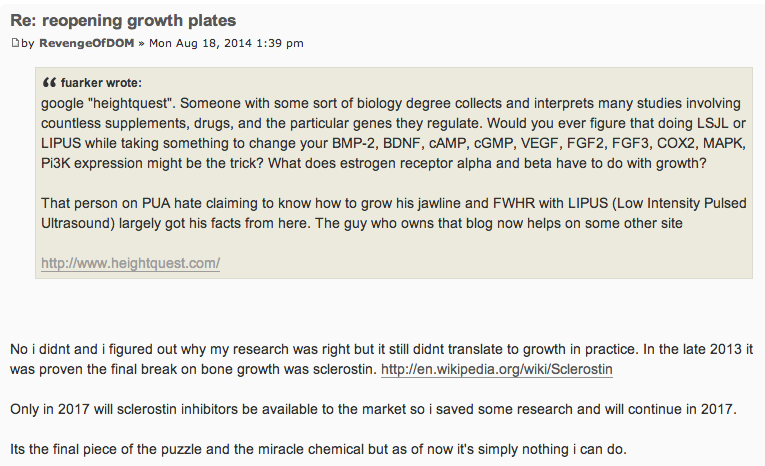
One thread on the sluthate forum talked about the possibility of “reopening the growth plates” and a poster going by the name RevengeOfDOM mentioned a chemical which I have not heard about before. Refer to the clipped picture of his post below…

Sclerostin InhibitorsIt seems that this guy has also been doing his own research on growing taller like us in parallel. It is just that he does not publically publish what he finds. His mention of the class of chemicals which can inhibit this compound known as Sclerostin shows that he understands the stuff very well.
After looking at his other posts, he gave a rather good explanation on how to increase the width of one’s shoulder, talking about the costal cartilage in the sternum area, which we just did, so he knows what he is talking about. Technically, young guys can increase their shoulder width by making the costal cartilage in the ventral sternal area expand through weight lifting and taking HGH in as an adult.

I just did a quick search through Google and PubMed to see what is the potential of this compound class. Here is what I found…

I personally have not had the time to look over those studies above which I just linked to. However, there was one study which made me realize that this chemical compound has huge potential.

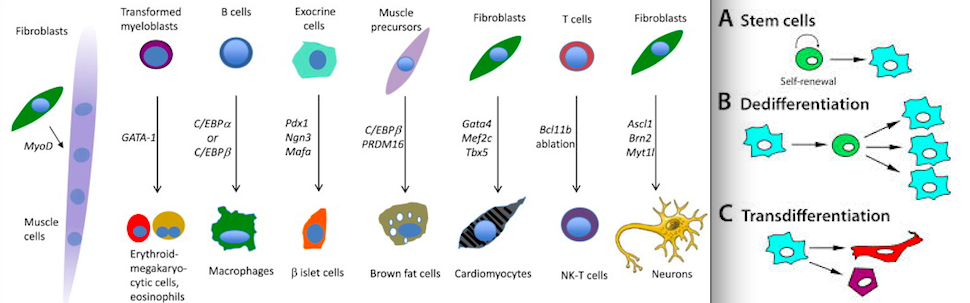
The reason why this study was the one that was most interesting was a recent find which showed that the reason why Osteoblasts can’t transdifferentiate into Chondrocytes is due to the conanical Beta-Catenin/Wnt Pathway. A quick guess would be that any chemical that can inhibit the conanical Beta-Catenin/Wnt pathway would mean that maybe Osteoblasts could possibly turn into chondrocytes, and thus regular bone tissue would turn into cartilage tissue.

(Note: Interestingly, Tyler talked about the possibility of inhibiting Sclerostin in a post which I did not read yet “New LSJL study(but bone effects only)

Of course the entire process to reopen growth plates obviously wouldn’t be that easy and simple. This type of research is amazingly hard to get right, since there are probably thousands of young men in the world currently looking into trying to do what we are trying to do, scouring through the PubMed database for interesting studies.

In addition to these PubMed published papers, other sources show that it has bone growth potential. In an article entitled “Novel Osteoporosis Drug Could Change Treatment: Study – Early results indicate romosozumab can rebuild bone” by the Colonial Heights Surgery Center, the chemical compound which is called romosozumab was shown to be able to increase the BMD (Bone Mineral Density) in Lumbar vertebrate bone much more significantly than any of the commercial types of BMD stimulants that is commonly used. (Quote:The new drug uses an antibody to block the function of sclerostin, a protein the body produces to naturally inhibit bone growth”) When the romosozumab was compared to other compounds like teriparatide (Forteo) and alendronate (Fosamax), which is supposed to be some type of biphosphonase. If I remember correctly, I think I wrote a piece on Fosamax about a year ago looking at its potential for bone growth but ultimately concluded that these types of chemicals would never increase the bone’s volume, but the bones’s BMD.

These new class of sclerostin inhibitors are much better than those other compounds at increasing the BMD. For a better understanding on the effects of decreasing the effects of Sclerostin, refer to the study “Targeted Deletion of the Sclerostin Gene in Mice Results in Increased Bone Formation and Bone Strength published back in 2008 and written by Xiaodong Li, Michael S Ominsky, et. al.

So how effective is this compound for height increase or bone growth?

When you are looking for a type of chemical compound group which has promise in promoting bone mineral density and reversing osteoporosis in old age, these sclerostin inhibitors seem to do an amazing job. The compound known as romosozumab is probably just one in that class maybe.

However, we can already seen that at least for one person, they did not see any practical results. As they said on the forum, “…it did not translate into practice“. It would sound like that this person got their hands on sclerostin somehow and injected it or orally took it and did not see any height gain.

However, they said that these inhibitors wouldn’t be available until 2017 to the general public. It seems that he is going to wait until 2017 when these “breakthrough” chemical compounds finally reach the general public and the general market before starting his research again.

Based on my personal opinion though, I don’t think this chemical would be able to do what we are hoping it would do.

Increasing bone growth through BMD is a useless way to do it. It may in fact make the job even worst. However, I would still need to look further at its anabolic effects on cartilage tissue, and what happens when it inhibits the Wnt pathway.

I am not saying that this compound has no potential. It actually has a lot of potential, if the research on its cartilage tissue regenerative abilities turn out to be really high.

That is why I conclude this post by saying that I will at some point go back to this class of chemicals to see just how well can it repair the damage from articular cartilage degeneration.

LSJL Update-8-18-2014

So I’m still working on getting a hand x-ray.  I’m contacting facilities to see if they take walk-ins.  No replies so far. I also read you may be able to get an x-ray at the airport(but that was in context of a full body scan)?  I’m looking for alternative medicine facilities that do x-rays but I’ve read they need a doctors script too.  I don’t really want to go do the Urgent Care but it looks like I may not have a choice.  If anyone has any experience let me know. Here’s the last update.

20140817_150801The right finger could be longer since last update but not sure.

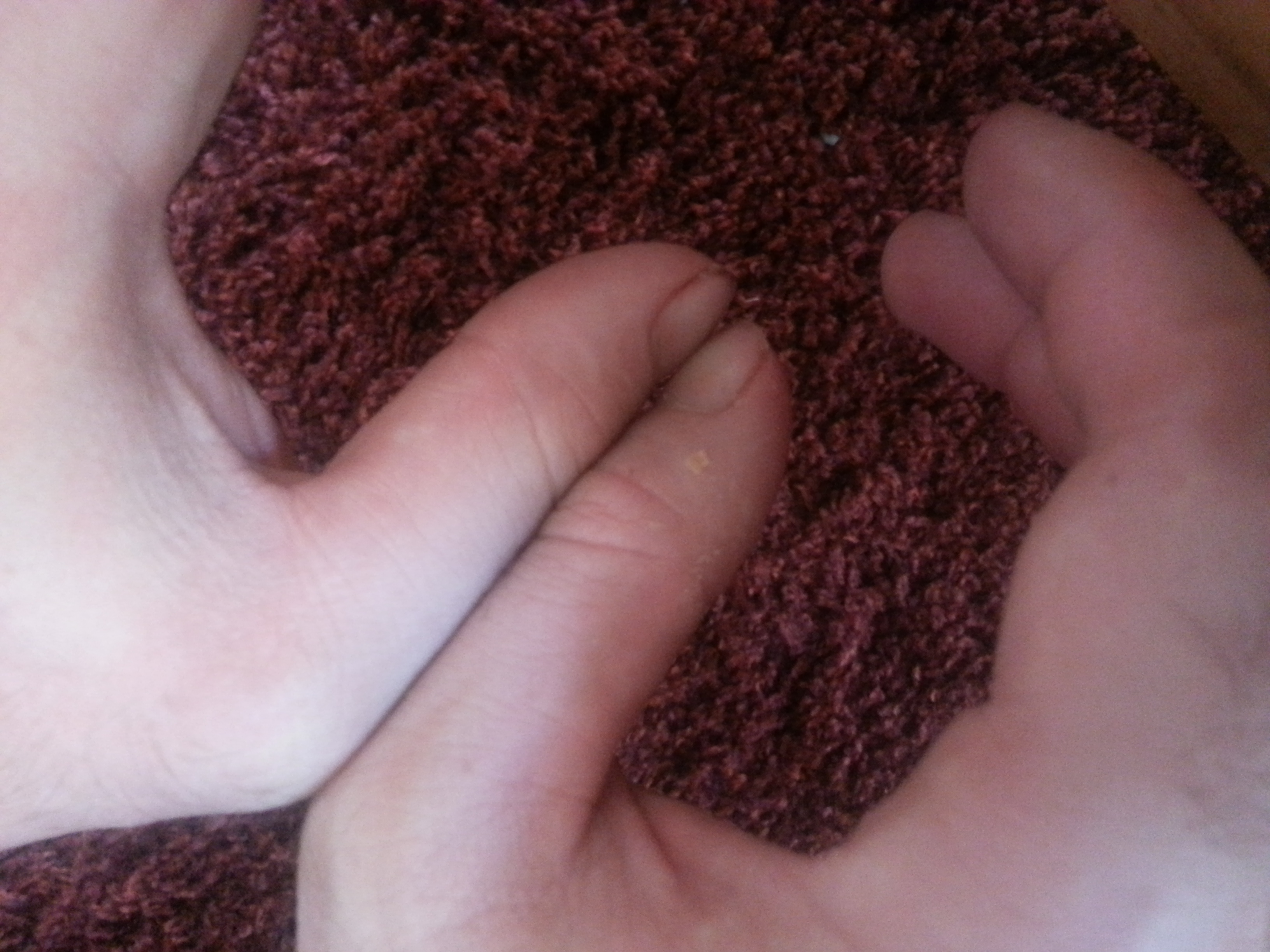
Here’s a thumb pic:

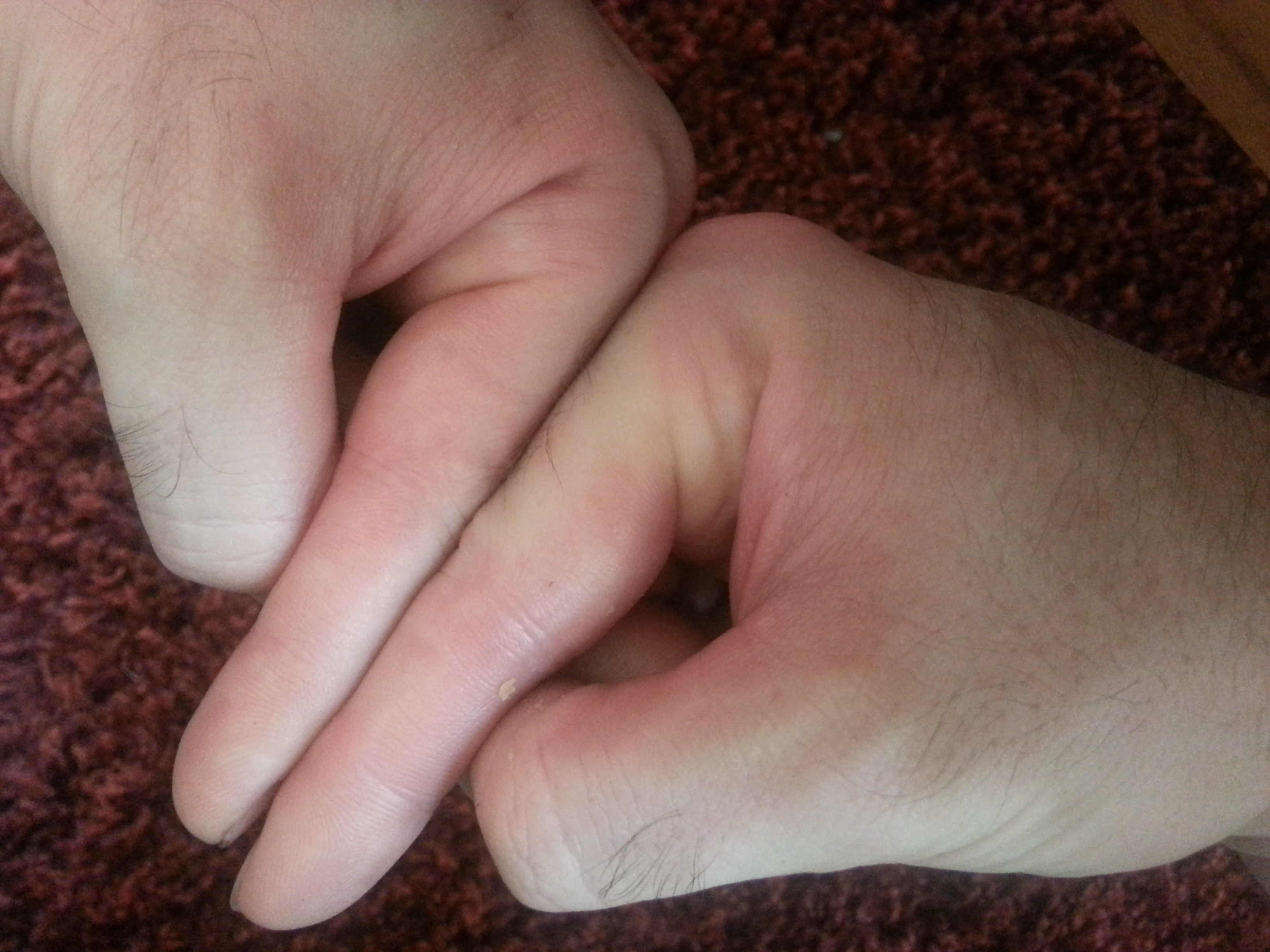
20140817_150737I’ve been clamping my left thumb but not my right and from this picture you can see the left thumb is slightly but significantly longer.  The osteophytes are much less noticeable in my left thumb than my right index finger but they are there if I feel around the clamping region.

Interestingly, I clamp each of the three joints of the finger.

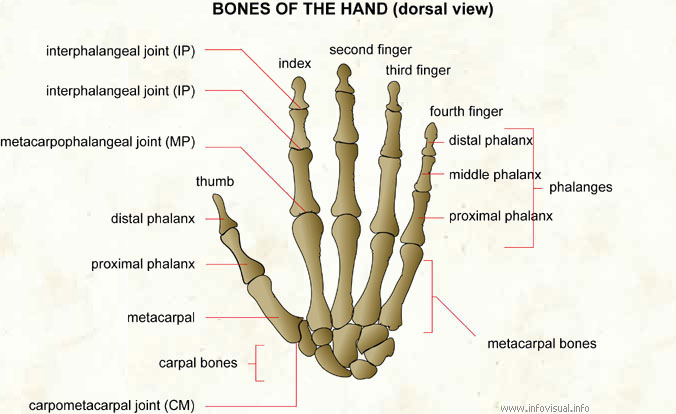
Here’s an image of the finger bones:

027 Bones of the hand (dorsal view)I clamp the two interphalangeal joints from side to side  but at the metacarpophalangeal joint I clamp from top to bottom.   The epiphysis near the MP on the index proximal phalanx of my right (clamped) finger is thicker than my left finger but not as enlarged as the epiphysis near the IPs of the distal and middle phalanx.  The IPs of the clamped joints are also rougher than the MP which is clamped overhead rather than side to side.  So some of the enhanced epiphyseal thickness may be due to LSJL growth stimulation and other effects may be due to irritation from the clamping surface on the joint.  If I can get an x-ray it will be interesting to compare the two IPs to the MPs.  For a period of time, I tried clamping the two IPs from top and bottom but didn’t get noticeable results from that.  Top to bottom clamping may be more effective in the MP than the IPs due to differences in joint structure.  You can feel much more pressure generated by top to bottom clamping of the MP than you can the IPs.

As for leg clamping, I am increasing the duration and intensity of the clamping.  I may be getting taller but I cannot yet rule out placebo(like I have with my thumb and index finger which are too noticeable and significant to be placebo) or measurement error.  I grew about 1 1/2 inches in wingspan for sure but I don’t have photographic evidence.  I’ll have to keep monitoring there.  In a week if I don’t have noticeable leg progress, I’ll bite the bullet and go to urgent care to get the x-rays.

Magnetic MAGEC Spine Lengthening Metal Rod Device For Noninvasive Scoliosis Treatment

Magnetic MAGEC Spine Lengthening Metal Rod Device For Noninvasive Scoliosis Treatment

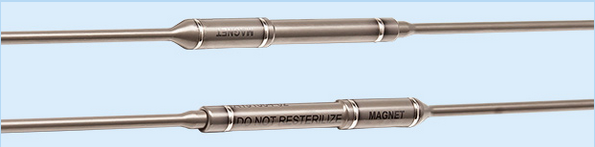
MAGEC Spine LengtheningIt seems that the technology for bone lengthening is finally starting to expand further. Where before it was just the long bones like the femur, tibia, and humerus, the same type of technically is being applied to the irregular bones of the torso aka the vertebrate bones. We became aware of this unique form of bone lengthening after finding at least two sources where this new type of bone growth was talked about.

It may seem like a stretch for the 2nd source to say that a boy grew 6 full inches from using magnets to stretch out his curved spine but the pictures seems to show that he did indeed get just that. We remember reading about a similar story about another boy last year who got a similar type of treatment. Magnet implants were placed into his leg bones to stretch out the bones from using E&M fields which were applied noninvasively.

Now, there is this technology. It turns out that the MAGEC Spine Lengthening device is a type of magnetic rod inserted into the spine and then slowly lengthened from passing some level of magnetic force to the rods, stretching the rods out.

The First Story – It was published just a few days ago in August of 2014. An orthopedic surgeon named Dr. Michael Vitale says the technology is ‘a game-changer. The 6 year old boy getting the surgery is a Jeremiah Knowlton from Allendale, NJ. Quoted from the article…

To correct his scoliosis, Jeremiah first had surgery in April to implant an adjustable rod in his spine. In that surgery alone, Vitale was able to reduce his spine curvature from 72 degrees to about 20 degrees — a 50-degree correction, when only 30 degrees were expected….At last week’s first lengthening procedure Vitale took the hand-held MAGEC device and glided it over Jeremiah’s back so it synced with the rod and could pull it 5 millimeters. It took just a few minutes. Jeremiah will have the noninvasive procedure — which is done to keep up with normal spine growth and maintain the curve correction — every three months until he’s a teen”

It seems that it wasn’t until Feb of this year that the MAGEC device was approved by the FDA, but had already been used in 24 countries and helped so far around 750 children with scoliosis problems.

The Second Story – This was published around April of this year (2014) about this boy named Thaine Marston. His parents found out about the therapy called the Magnetic Expansion Control treatment. Over a span of 18 months, the device increased his height by 6 full inches. As explained by the article…

“MAGEC works by inserting an adjustable magnetic growing rod into the patient’s spine which can then be controlled by an external remote control….The rod is then lengthened by magnets outside the body which communicate with the magnets under his skin gradually straightening the spine

The original doctor was a Consultant paediatric spinal surgeon Masood Shafafy.

The entire operation took a full 5 hours, but the hospital stay was around 6 days. After that, the patient/Thaine was back on his feet. He would eventually go from 4′ 9″ to 5′ 3″. As Thaine continues to grow, surgeons can continue to straighten his spine. All they have to do is put an external magnet to his back and slowly stretch out the magnet. However, to lengthen the magnets, you have to go back to the hospital every 6 weeks. 

What does the MAGEC treatment imply to us as normal people who want to be taller?

Not much, but it is a great indication just how fast biomedical technology and innovation is going these days. Not only that, when I looked at the website which is designing and selling the MAGEC Device, I found out that they are the same company that is selling the PRECICE Limb Lengthening Device, called ELLIPSE Technology. If you guys remember, the PRECICE Internal aka Intramedullary Nail was the device that was patented and designed by Dror Paley and only had been FDA Approved maybe 2 years ago, when the website was first started. Refer to either the MMT Forums or the Limb Lengthening Forums for much more information about the PRECICE Device.

When I look at the MAGEC and the PRECICE, it seems that both of the devices work on a very simple concept on how the technology works (which is what both the MAGEC and the PRECICE really are). The metal rod is made from a metal alloy that is not allergic when placed in the human body, it won’t be attacked by the patient’s own immune system, it is non-biodegradable. It is also lightweight but very strong, withstanding lateral forces which might bend it and/or break it.

I am NOT sure whether the PRECICE limb lengthening metal rods works on the magnetic force concept but the MAGEC metal rod stretched out by the magnets inside. Like the one’s developed by Dror Paley, you will of course still need at least two surgeries, one to pu tin the rods and securely fasten the rods into place on the bone so that the rods don’t shift and move around. The 2nd surgery is to remove the rods once the bones grow during normal natural to the adult size.

What makes the MAGEX is revolutionary is where the surgeons don’t have to go into the developing boy with scoliosis’s back every 6 month for more invasive surgery to correct for the spine curvature as the boy is still growing taller and their spines grow more curved. The non-invasive approach saves on time, money, and effort to make the growth of the spines more natural.

Achondroplasia Treatment and Increase Height Using Meclozine aka Meclizine – Great News For Parents!

Achondroplasia Treatment and Increase Height Using Meclozine aka Meclizine – Great News For Parents!

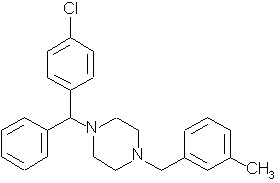
MeclozineWe have already talked about the chemical BMN-111 by Biomarin which is supposed to be able to treat young children with open growth plate cartilage suffering from Achondroplasia. Achondroplasia is the most common type of skeletal disorder which causes people to end up with abnormally short stature, often below the dwarf/small people height of 4′ 10″.

Now there seems to be another chemical treatment that has been proven to have benefits to help treat achondroplasia by inhibiting the FGFR3 gene abnormality. This compound is called Meclozine or Meclizine.

Refer to the study…

Meclozine Facilitates Proliferation and Differentiation of Chondrocytes by Attenuating Abnormally Activated FGFR3 Signaling in Achondroplasia

From the abstract…

….We used the C-natriuretic peptide (CNP) as a potent inhibitor of the FGFR3 signaling throughout our experiments, and found that meclozine was as efficient as CNP in attenuating the abnormal FGFR3 signaling. We propose that meclozine is a potential therapeutic agent for treating ACH and other FGFR3-related skeletal dysplasias

We’ve seen already at least 1 Patent (by Nakao) filed which was used to treat idiopathic short stature using a type of C-natruretic peptide (CNP). This compound seems to work just as well for skeletal dysplasia as any of the CNP derivative types.

For more information on Meclozine/Meclizine, refer to its Wikipedia article here.

From the article, all these brand name pills have as the active ingredient meclizine inside…

  • Bonine
  • Bonamine
  • Antivert
  • Postafen
  • Sea Legs
  • Dramamine (Less Drowsy Formulation)
  • Emesafene

On its Wikipedia page, it says that this compound is supposed to be used for motion sickness, but has dementia enhancing effects on older people.

The conclusion made by that researchers are the following…

We found that meclozine dihydrochloride, a commonly used anti-emetic drug for its anti-histamine activity, efficiently suppresses FGFR3 signaling in three different chondrocytic cell lines and embryonic bone organ culture. We also identified that meclozine suppresses FGF2-mediated phosphorylation of ERK”

Clinical dosage of meclozine promotes longitudinal bone growth, bone volume, and trabecular bone quality in transgenic mice with achondroplasia.

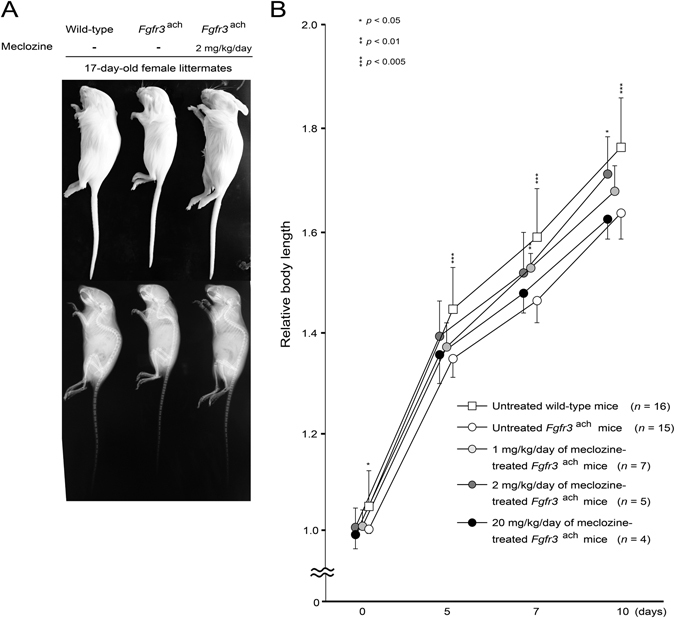
“Achondroplasia (ACH) is the most common short-limbed skeletal dysplasia caused by gain-of-function mutations in the fibroblast growth factor receptor 3 (FGFR3). No effective FGFR3-targeted therapies for ACH are currently available. By drug repositioning strategies, we identified that meclozine, which has been used as an anti-motion-sickness, suppressed FGFR3 signaling in chondrocytes and rescued short-limbed phenotype in ACH mouse model. Here, we conducted various pharmacological tests for future clinical application in ACH. Pharmacokinetic analyses demonstrated that peak drug concentration (Cmax) and area under the concentration-time curve (AUC) of 2 mg/kg of meclozine to mice was lower than that of 25 mg/body to human, which is a clinical usage for anti-motion-sickness. Pharmacokinetic simulation studies showed that repeated dose of 2 mg/kg of meclozine showed no accumulation effects. Short stature phenotype in the transgenic mice was significantly rescued by twice-daily oral administration of 2 mg/kg/day of meclozine. In addition to stimulation of longitudinal bone growth, bone volume and metaphyseal trabecular bone quality were improved by meclozine treatment. We confirmed a preclinical proof of concept for applying meclozine for the treatment of short stature in ACH, although toxicity and adverse events associated with long-term administration of this drug should be examined.”

“Twice-daily oral administration of 1 and 2 mg/kg/day of meclozine reverses the dwarfed phenotype in Fgfr3 ach mice. (A) A representative image of the individual female littermates at the end of treatment demonstrated that an untreated Fgfr3 ach mouse reveled the dwarfed phenotype, which was rescued by oral administration of 2 mg/kg/day of meclozine treatment. (B) Relative body length of the wild-type mice and Fgfr3 ach mice was calculated based on the body length of untreated Fgfr3 ach mice at 0 day. The body length of 1 or 2 mg/kg/day of meclozine-treated Fgfr3 ach mice was larger than that of untreated Fgfr3 ach mice throughout the treatment period. On the other hand, 20 mg/kg/day of meclozine-treated Fgfr3 ach mice were not larger than untreated Fgfr3 ach mice at the end of treatment. Mean and SD are indicated. Statistical significance was analyzed by the unpaired t test for each dose of meclozine-treated Fgfr3 ach mice (n = 7, 5, and 4 for 1, 2, and 20 mg/kg/day of meclozine, respectively) or untreated wild-type mice (n = 16) versus untreated Fgfr3 ach mice (n = 15).”

Interesting that the higher dose did not help to increase length.  This could be why it’s so hard for meclizine to be effective in humans.  There’s an equilibrium dosage that’s hard to pinpoint.

Warning: We are not doctors or medical professionals. We would like to tell any parents of kids suffering from Achondroplasia/Short Stature to NOT just go down to the local drugstore and buying bucket-loads of Dramamine, the Less Drowsy Formulation, to try to treat/inhibit/suppress the FGFR3 abnormality. Please seek professional advice first before going off and try to make your children taller.

Does DHEA Dehydroepiandrosterone Help People Grow Taller and Increase Height?

Does DHEA Dehydroepiandrosterone Help People Grow Taller and Increase Height?

One of the regular readers of the site asked us whether the compound known as Dehydroepiandrosterone would have the benefit of increasing a person’s height. I personally have never done much research on this compound, but I do know about its intended effects based on the Body Building forums and other people talking about it for muscle mass gains.

Years, ago Tyler had said that the compound would in fact have a negative effects on growth. The post was “New Growth Spurt by inhibiting DHEA?”. The study referenced would be “DHEA suppresses longitudinal bone growth by acting directly at growth plate through estrogen receptors“. In that post, he argued that there was a 2nd study that showed that by using a type of compound known as ACE Inhibitor, it would lower the level of DHEA in older men. Certain cheese types with this bacteria known as Lactobacillus helveticus is supposed to be a good easy way to obtain a form of ACE Inhibitor.

That is Tyler’s arguement on the effects of DHEA. However, there are a few claims on the internet which claim that DHEA is supposed to help with height increase. The main source to these claims was some guy named Ray Peat. His claim on getting 1.5 Inches of height from using it, as well as many other benefits was something that many people talked about. It would be referenced even in the LSJL Forums. Refer to the thread “46 year old man grows 1.5 inches taller while testing DHEA.“. I don’t know anything about this Ray Peat guy or anything he wrote but most people say that Peat would not try to lie or scam people. He has some crazy claims but he is being genuinely honest about those assessments.

Supposedly…

  • His wisdom teeth which was being impacted rotated
  • He gained 1.5 inches in height
  • His waist shrunk
  • One of his moles dropped off
  • Gray hair reversed to younger hair color

The PubMed studies that are referenced have said this about DHEA…

  • It has similar effects like HGH, where it can sort of make the body act younger
  • There is a sort of reversal of age phenomena with this compound
  • It is supposed to have beneficial effects on depression and cognitive function
  • It increased the level of sexual energy in men who have low libidos
  • It seems to have inflammatory inhibitory effects, and has some benefit towards the symptoms of arthritis.

My Personal Educated Guess

This compound that both Tyler and others talk about, seem to be on the surface have contradicting information. Tyler says it inhibits growth, while other people say it promots growth. How can such a compound exist?

It actually makes a lot of sense, when you remember that HGH therapy makes young kids reach bone maturity faster. This compound known as DHEA is just like HGH.

So why & how did this Ray Peat guy end up taller at the age of 46 from taking DHEA?

DHEA seems to lead to bone growth, but only in the form of bone mineral density (BMD) increasing. This is similar to HGH. If an older person took HGH, they would notice a BMD increase as well.

Most people who are in their 40s are already starting to loss height from poor posture and low BMD. It is actually shown that low BMD levels in bones will not just cause osteoporosis but also height loss in later in life. Japanese women is especially prone to this. When I visited Japan a few years ago, I lost count on the number of older Japanese women I saw who had completely hunched backs or curved spines, due to a diet of low Calcium and VItamin D. If you took compounds that could reverse that bone mineral density loss, the lost height can be gotten back.

Remember: I like the readers to remember the one story about the women who took Vitamin K2 at mid-age (58 years old) and ended up 4 cms taller too. (Refer to “Increase Height And Grow Taller Using Vitamin K2 aka Menaquinone (Important!)”)

What most likely happened to Ray Peat is that he got back some of the height he lost due to getting older.

Questions Answered

So does DHEA have benefits for looking and feeling younger? – There seems to be enough PubMed studies which validate this idea. You get a boost in sexual desire, energy, youthful look, etc.

Does taking DHEA make a person taller? – Similar to HGH, it might if the person has already suffered height loss from BMD decreases due to older age, and poor posture. If you are a teenager, or early 20s, it probably won’t work on you.

Does DHEA help with depression and cognitive functions? – There is so far some evidence for this. Do a search on PubMed about the effects.

Does DHEA have a bad or good effect on the growth plates? – It seems to make young bones reach bone maturity faster. In the long run, it has a negative effect. It increases the level of testosterone in the body system, so if you are young enough, you will actually reach puberty faster and ultimately end up shorter in adult height.

Like progesterone and other estrogen stimulating/increasing chemicals out there, DHEA seems to increase the level of estrogen in the body. Increases in estrogen is correlated to increases in BMD. That is why you find that for women who go into menopause, where estrogen production is dropped almost completely and grandmothers start to get facial hair like moustaches, the onset of osteoporosis goes up dramatically.

Conclusion

DHEA is not good for the body for height increase in the long term. There is a small minority of people where DHEA would make them taller, by increasing bone mineral density which would fix their osteoporosis likelihood and maybe improve their posture and spinal curvature. It has similar effects as HGH, where the older person taking it will have some age-reversal effects to them.

Only if you are in your 40-60s, have low BMD, and suffer from some level of spinal curvature will the DHEA have height increasing effects.