IGF-1 Promotes Longitudinal Bone Growth by Augmenting Chondrocyte Hypertrophy (Breakthrough!)

After we learned that the old somatomedin hypothesis (that IGF-1 was the mediator between the GH and growth plate chondrocytes) was not completely correct and needed to be altered to account for the ability of GH to affect the chondrocytes directly, as well as the fact that besides the liver, IGF-1 seems to be produced in all types of organs and tissue, I wanted to focus on just how exactly IGF-1 helps the GH in longitudinal growth. It was shown that for lab rats that were genetically manipulated to be IGF-1 null, it was shown that the number of chondrocytes in the resting zone and the proliferation rate of the chondrocytes did not change that much.

This study I found seems to suggest that IGF-1 augments the effects of GH by acting only on the chondrocytes that are differentiating into the hypertrophy stage.

Study #1: Igf1 promotes longitudinal bone growth by insulin-like actions augmenting chondrocyte hypertrophy – JIE WANG, JIAN ZHOU and CAROLYN A. BONDY

Abstract

Longitudinal bone growth, and hence stature, are functions of growth plate chondrocyte proliferation and hypertrophy. Insulin-like growth factor 1 (Igf1) is reputed to augment longitudinal bone growth by stimulating growth plate chondrocyte proliferation. In this study, however, we demonstrate that chondrocyte numbers and proliferation are normal in Igf1 null mice despite a 35% reduction in the rate of long bone growth. Igf1 null hypertrophic chondrocytes differentiate normally in terms of expressing specialized proteins such as collagen X and alkaline phosphatase, but are smaller than wild-type at all levels of the hypertrophic zone. The terminal hypertrophic chondrocytes, which form the scaffold on which long bone growth extends, are reduced in linear dimension by 30% in Igf1 null mice, accounting for most of their decreased longitudinal growth. The expression of the insulin-sensitive glucose transporter, GLUT4, is significantly decreased and the insulin-regulated enzyme glycogen synthase kinase 3β (GSK3) is hypo-phosphorylated in Igf1 null chondrocytes. Glycogen levels were significantly decreased and ribosomal RNA levels were reduced by almost 75% in Igf1 null chondrocytes. These data suggest that Igf1 promotes longitudinal bone growth by ‘insulin-like’ anabolic actions which augment chondrocyte hypertrophy.

—Wang, J., Zhou, J., Bondy, C. A. Igf1 promotes longitudinal bone growth by insulin-like actions augmenting chondrocyte hypertrophy.

Analysis

This study is one of the most interesting studies I have found in a long time. This study shows that when it comes to modulation of the growth plate chondrocytes, the IGF-1 has an affect mainly on the process of differentiating into the hypertrophy stage. The most interesting is that the number of chondrocytes and the rate of proliferation does not seem to change for lab rodents which were born with the IGF1 gene deactivated.

This means that the IGF-1 has effects only on hypertrophy.

The effects of the having a deficient IGF-1 gene are the following…

  1. a 35% reduction in the rate of long bone growth
  2. have lower levels and rates of collagen type X and alkaline phosphatase release by the hypertrophic chondrocytes
  3. the hypertrophic chondrocytes are reduced in linear dimension by 30%
  4. expression of GLUT4 is significantly decreased
  5. GSK3 is hypo-phosphorylated
  6. Glycogen levels were significantly decreased
  7. ribosomal RNA levels were reduced by almost 75%

If we look at the last 4 of the effects, they are all related to insulin like effects on the tissues. IGF-1 is very similar to Insulin in structure and function. This shows that its function for the growth plates is also from insulin similar anabolic actions which combines with the GH to get chondrocyte hypertrophy.

We see that at least for lab rats that while the bone length is not completely stunted, there is still a very substantial reduction, by as much as 35%. This could potentially turn a guy from 6 feet to 5 feet tall. The releasing of the specific proteins that are indicators of hypertrophic chondrocytes do occur but dramatically decreased.

This study reveals that it might be possible to modulate the growth rate of children through IGF-1 increase, while making sure that it does not reach levels that are too high resulting in disruptions to other types of metabolisms.

BMN 111 A CNP Analogue Promotes Skeletal Growth Treating Children Suffering From Achondroplasia

This was a post that I found from a new blog I discovered which seems to write about the short stature condition known as Achondroplasia which is caused usually by a mutation on the FGFR3 gene. It seems that there is a company Biomarin, a pharmaceutical company working in therapies for rare and genetic conditions, which stated that they were coming out with a drug that can treat the mutation of the FGFR3 that has been responsible for Achondroplasia. It is supposed to be the first pharmacological therapy out there for Achondroplasia treatment.

The article is taken from the blog http://tratando-acondroplasia.blogspot.com/ entitled “CNP, the first potential pharmacological therapy for achondroplasia” (the blog is written in Portuguese so using the browser Chrome would be better to instantly translate what is on the pages into English)


Under great expectations, parents and relatives of children bearing the fibroblast growth factor receptor type 3 (FGFR3) mutation, the cause of achondroplasia, have been following the news about the development of the first real potential drug therapy to treat this condition. In the last quarter of 2010, Biomarin, a pharmaceutical company working in therapies for rare and genetic conditions, announced it was planning to start the clinical research with a compound called BMN-111. BMN-111 was described as a C-type Natriuretic Peptide (CNP) analogue. An analogue is a compound (or molecule) which has a very similar structure compared to the original one, normally keeping the same properties or with enhancements to a given characteristic of that compound.

During 2011, new updates have been released and, in the last International Congress of Human Genetics held in Montreal, a poster describing the results of the BMN-111 tests made in a mouse model of achondroplasia was presented, showing impressive results in terms of the ability of this molecule in restoring the bone growth of those animals: F. Lorget et al. BMN 111, a CNP analogue, promotes skeletal growth and rescues dwarfism in two transgenic mouse models of Fgfr3-related chondrodysplasia.

December 2011, Biomarin has released new information about the pre-clinical development of BMN-111, presenting results of tests made not only in mice but also in non-human primates, a requisition for any candidate drug to be accepted as an investigational new drug (IND) by regulatory bodies such as the Food and Drug Administration (FDA).

More recently, Biomarin has also announced that it was starting the first clinical trial, a Phase 1 study, to learn how the drug acts in the human body.

Step by step, it seems that the first medicine made to help bones grow in achondroplasia is advancing in its development, an exciting perspective. But, before lighting fireworks, it would be interesting to learn more about the CNP and what we should expect about its use in the treatment of ACH children.

 The Natriuretic Peptide Family

Peptides are molecules made of amino acids, like proteins, but they are smaller and, like their larger cousins, they are also encoded in genes. Natriuretic means a property of something that causes sodium to be eliminated in the urine. The name natriuretic came after the description of one of the first recognized properties of these peptides, which is exactly promoting the elimination of sodium in urine.

The history of the natriuretic peptides begins about 30 years ago when the first peptide of the family was discovered in extracts of rat atria and for this was called atrial natriuretic peptide(ANP). Not much longer, BNP was identified in extracts of pig brains and then CNP, and as it was the third in the row, received the C-type NP name (this is a link to a good review on CNP by Olney RC). While ANP and BNP are most found in cardiac tissue and are linked to cardiac physiology and related diseases, CNP is expressed in a number of other body tissues and remarkably found within the cartilage growth plate, where it exerts the most important of its actions. This link will take you to a figure showing the three peptides.

CNP

CNP is a known positive player in the growing bone according to many studies made in animal models and also in related mutations in spontaneous human cases. For instance, genetic mutations in the CNP gene causing its overexpression lead to overgrowth. The research also showed that slight changes in the natriuretic peptide receptor type C structure (NPR-C, one NP receptor that is thought to serve as a CNP clearance system) may be responsible for the higher final height found in people from some of the Northern European countries (Estrada K et al.;Bocciardi et al.).

This peptide is expressed (produced) locally in the growth plate. When it binds to its preferential receptor enzyme, NPR-B, located across the cell membrane (in the same way FGFR3 is) of the chondrocyte, it activates this receptor, which in turn causes the activation of other enzymes in the cell cytoplasm. Interestingly, this CNP cascade of chemical reactions will then cross with one of the most important cascades responding to FGFR3 activation, the RAF-RAS-MAPK pathway (discussed here).

activated by FGFR3, the RAS-RAF-MAPK pathway will lead to one of the most well characterized consequences of achondroplasia, which is slowing down the rate the chondrocytes enlarge (hypertrophy) and mature, thus impairing the entire cartilage growth pace. By the other side, when CNP activates its receptor, the chemical messages emitted by its cascade will turn off or reduce the RAS-RAF-MAPK cascade activity, so causing an inverse action in terms of bone growth. The main observed characteristic of growth plates of ACH mice models treated with CNP is an enlargement of the hypertrophic zone of the growth plate. Take a look in this article (free access) by Drs Yasoda and Nakao, two of the most prominent researchers of CNP in achondroplasia. They tell the history and results of their research, which has strongly contributed to the understanding of CNP in achondroplasia. This article also has a very didactic graphic showing the two cascades described above.

With the reassuring results of the research by scientists like Drs. Yasoda and Nakao, it became clear that CNP could be used somehow to rescue the bone growth arrest in achondroplasia. But how?

The Japanese group developed a mouse model where the CNP was naturally produced in large quantities by the animal body, in a strategy to simulate a situation where the peptide would be given continuously to the patient. This was necessary because of the nature of CNP. Being a small peptide, it is a usual target of several enzymes present in the blood stream calledpeptidases. This is so true that CNP, after a single intravenous injection, would last less than five minutes circulating. With such a short half-life (the way scientists describe the interval of time half the quantity of a drug will take to be processed by the body) giving multiple injections would not be a clever strategy to treat any situation. So they probably thought about a therapeutic scheme where their CNP would be given trough a continuous pump infusion, in the same way other clinical conditions have been treated in the past. Their work showed CNP indeed cause bone growth in an achondroplasia +/CNP+ composite mouse model, rescuing the bone growth arrest.

However, this solution, although feasible, has a lot of practical challenges easy to foresee. Then, is there any other way we could give CNP to a child to treat achondroplasia? The answer is yes. Given the strategy announced by Biomarin, in which their CNP analogue will be given subcutaneously once a day, there are other ways. As there is no publicly available information about the compound formula or structure we can only speculate about the solution they found, but it might be related to the knowledge we have about the metabolism of the NPs. Let’s talk a little bit about this.

As mentioned above, CNP and the other related peptides are natural victims of peptidases present in the blood and other tissues. However, the most relevant of these enzymes, neprilysin, does not cleave (cut) the NPs in the same way. Neprilysin has different affinities with the NPs, being ANP and CNP more easily cut than BNP. If you visited the figure I presented above, you may have already identified the structural differences among the three NPs. BNP has two “legs” or branches leaving the main ring while CNP has only one. Evidence exists that the longer BNP branch would be the responsible to its relative resistance to neprilysin (Potter LR, free access). So, there is a chance Biomarin could have developed a CNP analogue bearing a slight modification in its only branch structure (like in BNP) that would give it more resistance to neprilysin activity. This change could give this CNP analogue more time to circulate and diffuse into the tissues and especially into the cartilage growth plate.

It looks like a very smart solution. Tests made with animals have been showing positive results (links above) and, given the FDA authorization to let them proceed to clinical trials, results have been robust enough in terms of efficacy and safety in those animal models.

Testing CNP in clinical trials

Now is the time to test the CNP analogue in humans. What we should expect about these experiments in terms of safety and efficacy?

Safety

First, as CNP is closely related to the other NPs, and that both ANP and BNP have significant effects in the blood pressure and other circulatory parameters, a strict oversight on cardiologic and other circulatory indexes must be carried on. Biomarin has showed during a public presentation in December that the CNP analogue did cause a decrease in the blood pressure in monkeys after each injection.

Second, CNP is found in other tissues throughout the body, including the brain. A recently published study by Dr Nakao and colleagues showed that CNP can influence the body weight, possibly by acting directly in the brain. The mouse model used by the Japanese group does not reproduce the real life, so their results must be understood under this context. Nevertheless, it will be important to follow patients using CNP chronically to understand this aspect of CNP.

Third, bones are not equal, some are thin others thicker. Furthermore, achondroplasia is described as a rhizomelic (rhizo means root) bone dysplasia. This means that it is recognized that proximal (to the trunk) bones are more affected that the distal ones (those in the extremities). There is a theory this could be caused by distinct influences FGFR3 would have across the skeleton, with some bones being more affected than others by the mutation. In some of the papers published by the Dr. Nakao’s group, pictures of mice treated with continuous CNP could cause the impression that had thinner spines and longer feet and tails than the control (normal, non-treated) animals. Again, here the kind of exposure those animals had was quite different of what we would expect in the real life or with a single CNP shot a day. Nevertheless, this could be a good aspect to be observed throughout future studies in affected patients.

Fourth, another aspect to be taken in account is the kind of effect the extra CNP would have in other cartilaginous tissues such as the joints, ears, nose and trachea. Although having some specific patterns, chondrocytes tend to behave similarly to the same stimuli wherever they are located, so this is also a question that will need an answer, too.

Efficacy

How will the efficacy of the treatment of CNP be measured? Growth is not a parameter easy to measure in the short term. However, there are some indexes which can be used to monitor the growth rate in children under treatment. For instance the average growth speed rates can be derived from the NCHS series. You can see how this was made by examining this Brazilian Ministry of Health guideline directed to pediatric health care which uses these derived curves (sorry, it is in Portuguese, but look at the page 21 to see the derived graphic.

Growth tends to be fast in the first year after birth and then it starts to slow down up until puberty. It is likely that in children with achondroplasia, taking in account the intrinsic growth impairment, the growth pace could be similar (actually, this would have to be proved. I am not aware of any study addressing this feature).

The idea could be to plot the already known child heights over the years and create an individual graphic. With the exposure to CNP it would be expected that the growth speed would increase and this can be better measured comparing to the previous pace and to the expected ongoing pace. This is more than just measuring the absolute height.

Another possible marker of growth could be to take measures of the four member bones or, in other words, the lengths of the arms and forearms and thighs and legs could be taken. Then, during the treatment these measures could be readdressed to look for trends in the growth pace in the different member segments. Achondroplasia is a rhizomelic dysplasia, so it would be interesting to learn about the response of the proximal bones to the treatment and also this measure would help to spot earlier any tendency for overgrowth of the extremities.

We must remember that everything in a child with achondroplasia is normal but the workaholic FGFR3. So, if the mutated receptor is compensated what we can expect in terms of bone growth? Doctors know, for a long time, the ‘catch up growth’ phenomenon, seen in several distinct clinical conditions. When the reason for growth impairment is resolved, the affected child tends to grow faster than the average for the age until an individual mark is reached and the growth normalizes. Could the catch-up growth phenomenon happen to children with achondroplasia treated with CNP? This is difficult to say, because in this case the receptor would still be active (so, in a future therapy with a FGFR3 inhibitor, the catch up growth could be expected). Nevertheless, measuring the growth speed would give an insight about this phenomenon in the context of the treatment of achondroplasia with CNP.

arrival of the CNP analogue as the first potential therapy to help children with achondroplasia to rescue, at least partially, the bone growth, is remarkable. There are several steps to be taken in this phase of its development; the drug must prove to be safe and to have the expected efficacy.  Growing more, affected children could be spared from suffering the many common interventions seen in achondroplasia, from removal of tonsils and adenoids to serious orthopedic and neurological complications. At this moment we must be rational, not presuming that the bone growth will be restored to its full potential. However, in the case of this first possible therapy succeed, a better quality of life could be expected for children with achondroplasia.

The Link Between FGFR3 and CNP Expression – Raja’s Research Summarized

Ever since the a commenter who calls himself Raja has shown me the study of the link between FGFR3 and Achondroplasia and I realized that it might be one of the easier, most promising ways that real companies have been doing to try to help at least children increase in height, I realized that I should take a more serious look at what this researcher had to say. So I asked him/her about the research they have been doing. Here is our exchange of emails.

Me —> D Inventor

Your response to one of my posts have been very interesting. I plan to write a detailed post about the study and see where it will take the research.

I have done mostly studies on fgf2 and basic fgf2, nothing on fgf 3 yet.

So can you show me the research you have been doing?
and how comfortable do you feel about coming on the podcast and explain your own research?

——————-

What I’ve found so far.

Children: To the best of our knowledge there is currently only one company worldwide, that researches an innovative height increase therapy: ProChon Biotech (http://www.prochon.com), established in  Israel in 1997. ProChon is developing a monoclonal antibody for the treatment of achondroplasia. This antibody approach targets specifially the FGFR3-gene and hasn´t reached the stage of human clinical trials yet. If it is successful, it will only work for children with achondroplasia. – http://www.makemetaller.org/index.php/topic,578.0.html

——————-

D Inventor —> Me

I’ll give you a summary of what I’m working on.

Basically, our bodies are designed to only grow to a certain extent – this is really why our height is determined by our genes. Growing taller than our “predetermined” height is called skeletal overgrowth. When I started researching, I found an article on CNP in which scientists increased substantially the plasma concentration of CNP, which resulted in skeletal overgrowth of the mice models (1, 2). You can really just google this for more info, but I’ve provided the links at the end of this message. I read another article which found a family with genetic mutation that caused an overexpression of the NPPC gene, which controls the expression and production of CNP (3). Basically, everyone in this family was really tall.

Another interesting article was on FGFR3 knockout, which lead to skeletal overgrowth in mice models (4). CNP works as an antagonist to FGFR3, which is evident as CNP is able to rescue achondroplasia models with constitutive FGFR3 activation.

Here’s how CNP works (just some technical information, but this is important for when we get into the pharmaceuticals specifications):

– CNP activates its receptor GC-B, which releases cGKII (5)
– cGKII works by inhibiting the conversion of Ras into Raf (look up FGFR3 phosphorylation)
– This acts as a inhibitor to the activation of the MAPK cascade. This is important to endochondral ossification as it inhibits ERK1/2 phosphorylation.

Essentially, one way that CNP exerts its bone promoting effects is through the inhibition of ERK1/2 activation (one of two pathways that are activated with FGFR3). You can really just search up “ERK1/2 inhibition” on google and see that other scientists have achieved skeletal overgrowth in mice models in which they inhibited ERK1/2.

OKAY, enough with background info. If I’m rabbling, I apologize. It’s just that there really is a lot of information on this.

Back to FGFR3 – its inhibition leads to skeletal overgrowth and it WILL increase a person’s final height. Many people with mutations that diminish FGFR3 expression have really tall stature.

So, for us, people who want to be taller, the easiest way for us to get taller is to inhibit FGFR3. The article I posted on your website discusses how there was an increase in the height of the growth plate in a person whose growth plate was about to close (or was in fact closed). This is interesting because in the article, the individual’s growth plate was reduced to a growth scar. This usually happens when the growth plate is just about to close. However, if used in conjuction with LSLJ (if this method really does cause microfractures), then it MIGHT be effective for people with closed growth plates, since it MIGHT just help regrow growth “plates” on a micro scale, and could possibly lead to a few more inches.

So, back to FGFR3 inhibition. As far as I’ve researched, this seems to be an effective method for people with open growth plates. The problem with current FGFR3 tyrosine kinase inhibitors is the lack of specificity. But, I’ve found a novel drug which seems very specific to the FGFR family, called AZD 4547. So far, at least in vitro studies, it is by far the most selective that I’ve found, towards FGFR3. The benefit of chemical inhibitors is that they target everywhere in the body, so that growth is proportional.

While I can’t really advise anyone to take this compound, I’m trying to find a synthesis method for this compound.

If you need any more info, feel free to ask.

References:

1. Chronically elevated plasma C-type natriuretic peptide level stimulates skeletal growth in transgenic mice, Source: http://ajpendo.physiology.org/content/297/6/E1339.full.pdf

2. C-type natriuretic peptide and overgrowth. , Source: http://www.ncbi.nlm.nih.gov/pubmed/19293575

3. An Overgrowth Disorder Associated with Excessive Production of cGMP Due to a Gain-of-Function Mutation of the Natriuretic Peptide Receptor 2 Gene, Source: http://www.plosone.org/article/info%3Adoi%2F10.1371%2Fjournal.pone.0042180

4. Skeletal overgrowth and deafness in mice lacking fibroblast growth factor receptor 3. , Source: http://www.ncbi.nlm.nih.gov/pubmed/8630492

*Just a note, while it says it causes deafness, this on a genetic knockout study. Deafness is caused by a developmental defect when the mice are embryos or just as they are growing. In humans (that are mature and fully developed), with inhibition of FGFR3, there should not be any problems with deafness (to the best of my knowledge).

5. Cyclic GMP-dependent protein kinase II plays a critical role in C-type natriuretic peptide-mediated endochondral ossification. – Source: http://www.ncbi.nlm.nih.gov/pubmed/12193576

———————

My Response to D Inventor

Tyler noted the link between FGFR3 and CNP as well as the link between FGFR3 and ERK 1 & 2. I  have absolutely no research on ERK 1&2 and don’t even know what they are yet. I can not comment or make any good judgement on how ERK affects everything.

I’ve done the research on CNP before and the research was done by many other height increase researchers in the past from the GrowTallForum.com which is now closed. They tried to increase their height through finding compounds that could increase the level of CNP or Nitric Oxide in their systems. I found at least one patent by some Japanese guy who showed that increased CNP would help children who are suffering from idiopathic short stature.

It is very clear that there is a chance that increased CNP levels in the blood would negate the function of FGFR3 to a certain level in humans suffering from Achondroplasia. Refer to the post CNP, the first potential pharmacological therapy for achondroplasia

From that post, it states “Biomarin, a pharmaceutical company working in therapies for rare and genetic conditions, announced it was planning to start the clinical research with a compound called BMN-111. BMN-111 was described as a C-type Natriuretic Peptide (CNP) analogue.

So from this article, it shows that there is still a lot of options and hope for kids who are still growing . CNP does not have to be the only option.

I read over the article you referenced quite extensively entitled “Cartilage Dysplasia and Tissue Mineralization in the Rat Following Administration of a FGF Receptor Tyrosine Kinase Inhibitor”

I wanted to first make the point that the study was done on lab rats, not humans. It might not even be able to be translated to humans. The reason for this is like I said before, mature rats still have growth plate cartilage.

In the paper, the mature mice were defined to be around 11 months old. I googled the term “at what age do rats stop growing”. The information is mixed but the general answer is that they usually stop growing around the 8-10 month range. Refer to RatForum.com. So technically the “mature” rats in the experiment should have stopped growing in bone length.

The paper does say that the cartilage in the mature rats did go through hyperplasia. However, the main point and problem I would bring up is that unlike humans, even mature and old rats (and possible mice) still have bands of cartilage in their limbs. The long bones of old rats are not completely bone, but have portions that are stil cartilage. Humans don’t have that physiology. Our limbs become all bone except at the ends.

Remember that most of the people who ever ask about how to grow taller already have their plates fused. They are already in a very difficult position when they start to ask for help and look for solutions.

What happens usually is that while a person is still young and have open plates, even if they are short they still rationalize in their mind and hope that they just haven’t gotten the chance to go through their growth spurts yet, even if they never will get one. Everyone hopes that they would be one of the lucky ones who gets to go through a 6-7 inch growth spurt and that would happen to them. For most people, that doesn’t happen. So they wait and don’t do much except wish and hope, and they run out of time when the cartilage is all gone. After they notice that they are still short even after puberty, then they start worrying since they never got the growth spurt that they ‘deserved’ or expected to get and start to search. It is already too late.

Me and the other researchers have found multiple ways for children with open growth plates get taller. That is easy. Finding a way for fused cartilage has been the problem, and will always be the problem. That is the real solution we want to find.

What we always focused on was a solution for people with bone maturity, because we all understand that ultimately, that is the real solution.
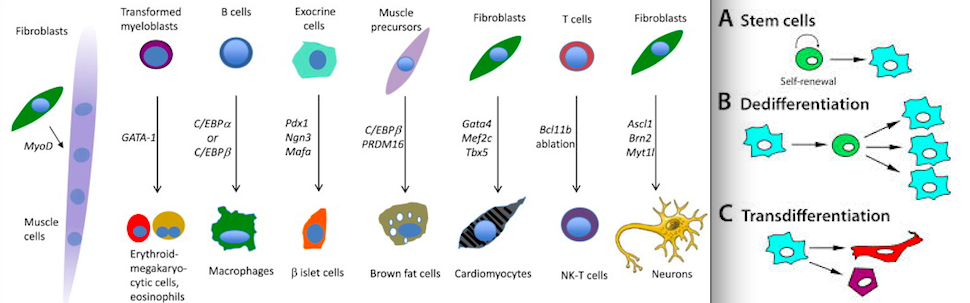

 

Increase Body Regeneration Ability Through Knockout of Genes Controlling Wnt Beta Catenin Pathway

In a very recent article published on the website for the magazine Scientific American entitled “How to Regrow a Head – A single gene switch makes worms regenerate their whole bodies from their tails” it seems that scientists have figure out how to potentially increase the regenerative ability of animals by knocking out certain genes that have been regulating the Wnt and Beta-Catenin Pathway.

Now, we have researched and studied both the Wnt and the Beta-Catenin Pathway just to learn much more about molecular biology and biology. Post were written…

The Connection Between The Wnt Beta Catenin Signaling Pathway And Growth, Part I

There was also some research done on the PI3K and AKT pathway in the post “The PI3K, AKT And mTOR Signaling Pathway”

The facts are that for most people who have ever taken a molecular biology class, or done some graduate level work on studying cells, they would be quite familiar with the Wnt-Beta-Catenin pathway and the PI3K-Akt pathway. These pathways are some of the most well known and extensively studies extracellular signaling pathways in cells.

For the article itself, I would guess that the news is not a big shocker for anyone who has been studying the Wnt- Beta-Catenin pathways for a while, but for people who are not in the field, it might seem crazy and be new information. From the article, here is a recap of what these genes and signaling pathways do…

…Wnt genes, which code for a series of enzymes that relay information from outside the cell to the nucleus, eventually producing proteins called β-catenins, which regulate gene expression…

Genes create a type of protein known as enzymes which help chemical reactions and biological process occur in cells. For the Wnt genes, they create a type of enzyme that will going to affect how signals and kinases that come to the surface of the cell from the outside wil do to the stuff inside the outer membrance. The end result is another type of protein known as Beta-Catenin, which regulates what types of genes are expressed.

In the experiments the researchers wanted to find out if a lack of Wnt gene expression was responsible for the poorer regenerative abilities in particular worm species. What they found was that “… in wounds that did regrow heads, genes coding for a series of enzymes involved in the Wnt pathway had their expression turned up”

Now, the gene that causes the regenerative properties seem to be modulate/controlled by other types of proteins. If these other proteins are themselves inhibited, then the regenerative ability of the animal beng studied should increase. “…both teams found that by suppressing a gene that regulated Wnt function in their flatworms, they could get chunks of the normally non-regenerative tissue to grow fully functional heads”

There was actually three studies, three experiments, three groups of researchers, and three papers submitted to whatever prestigious journal is in the field of their expertise. The 3rd team located in Japan, noted that they found out that another signaling pathway, the extracellular signal-related kinase (ERK) pathway also had a function in regenerative abilities. 

One of the scientists “Umesono suggests that the effects of ERK proteins and Wnt proteins counteract each other. If the Wnt pathway dominates then it signals tail growth, but if ERK suppresses its influence then heads can form”

I have also done some research on the ERK pathway in the post “The Mitogen-Activated Protein Kinase, MAPK And Extracellular-Signal-Regulated Kinases, ERK pathway

These proteins created just make sure certain genes are either turned on or off, and the rate at which expression does (or does not occur).

Implications For Body Part Regeneration

Since the Wnt, Beta-Catenin, and ERK pathway is already understood quite well, it would not be too hard to try to knockout the genes that controls the expression of the pathway, and create people with altered genomes which allow them to heal body wounds much faster and more efficiently than the regular human.

Implication For Height Increase

If we can get our own bodies to develop regenerative abilities through genetic engineering, it would be very easy to increase our height. All that is needed to be done to get a new layer of growth plate cartilage is to make a distraction in the bone, and the wound would start to form blastema which can then be controlled using differentiation modulators into the cartilage that is needed.

Body Hack XXII: Using Gene Therapy To Cure Baldness

In the same article Cosmetic Gene Therapy’s Thorny Traits which was written back in 1997, the writer Rick Weiss notes that the branch of genetic engineering or biomedical engineering known as gene therapy would help not just people who wish to change the color of their skin but also cure an affliction that is exhibited by many men.

It seems that gene therapy can be used to cure baldness.

From the article… Potential Gene Therapy for Baldness

A cream could carry hair growth genes in laboratory-made bubbles called “liposomes.”

1. Cream would be rubbed into the scalp.

2. Liposomes would be absorbed into the skin, where they bind to dormant hair follicle cells and release their genetic payload.

3. Genes would enter follicle cells and turn on hair growth machinery. Hair would continue to grow for as long as the new genes continue to function inside cells.

SOURCE: Anticancer Inc.

A San Diego company that specializes in getting genes into hair follicles already is developing a gene-laden lotion that would be rubbed into the scalp to reverse baldness. It’s also experimenting with genes that will make gray hair grow dark again and to make straight hair grow curly — a truly permanent permanen

“Genetic enhancement is going to happen,” said University of Southern California gene therapist W. French Anderson. “Congress is not going to pass a law keeping you from curing baldness.”

The article itself was not written to show people who feel bad about themselves how to use breakthrough technologies to give themselves cosmetic enhancements, but to question the ethics of using some types of biomedical technologies.

Note: Since this is a website dedicated to doing research on the science of height increase, we have to talk first about how to apply the principles of biomedical engineering and genetic engineering to help children , and possibly adults, increase in height and what that might mean.

The issue of height is a sensitive subject for people like baldness. Both issues revolve around the fact that humans care a lot about their appearances. Most people want to be taller, and most people don’t wish to loss the hair on their head. When people end up shorter, or become bald, most people would believe that they became less attractive.

For men, being both short and bald can greatly decrease one’s reproductive chances and reproductive opportunities.

However, I can say with confidence that curing baldness will be much easier than finding a way to increase height. If we analyze how hairs originate and the locations where they originate in, we realize that all that is needed is a germinal hair follicle that needs to get stimulated.

I may not know enough gene therapy yet, but I could suspect that something as simple as the application of a cream in the scalp of bald people with hair follicles and stem cells inside would cause the right cells to go on the area of baldness. Then a growth factor (maybe follicle stimulating hormone should be used???) is added to get the germ cell to start to replicate and grow out in the right direction.  From tissue engineering principles, it is possible to just grow a layer of skin with hair on it, and then graft that skin to the scalp. There is a lot of ideas and proposed ways to treat hair loss.

There is actually a lot of options these days for guys (and girls) who have insecurities and issues with their hair loss and want some type of option.

The article that is referenced showed that even back in 1997, there were companies coming out that would be able to cure baldness. Using the technology of gene therapy, they would even be able to knock out the genes in an adult male that is causing baldness and get replaced with genes that result in thick, lush hair. For more information on how the basic process of gene therapy works, refer to the Wikipedia article on Gene Therapy.

For baldness, it might be completely cured for the entire human race within a century if we really wanted to implement gene manipulation.

Body Hack XXI: Use Gene Therapy To Change A Person’s Skin Color

Back when I was in high school, which was over a decade ago, I remember reading about the racial oppression suffered by Africans and African Americans by “White” people decades and centuries ago. In some stories, it talks about how some slaves developed such an inferiority complex from being treated so badly by their masters, or how some black people being abused by the whites during the segregation periods would try to change their skin color using extreme methods.

Stories would come out where young black kids and older women and men would scrape their skins with rough surfaces until their skin would bleed hoping that they might be able to scrape away the darkness in their skin. The psychological desire to change their skin from dark to light was so strong, and it might have crippled their ability to ever fully accept themselves and have the self confidence to not be defined by the color of their skin.

Ever since people have met other people from different parts of the world and realize that one group of people is different from another by the shade or tint of their skin, some minority of people have probably wished that they could change the color of their skin.

It seems that only now, in the beginning of the 21st century with the advent of gene therapy, it might be possible now to really change one’s skin color for good.

Warning: As an individual, I do not promote or condone this technology. The desire to want to change one’s skin color, to look either darker or lighter is each person’s own opinion. I am only an amateur researcher presenting scientific possibilities that most people might not be aware of. Ultimately, science and technology is neither good or evil.

There was an article called “Cosmetic Gene Therapy’s Thorny Traits” (By Rick Weiss, Washington Post Staff Writer Sunday, October 12, 1997; Page A01) back in 1997 which showed that it has been possible to change one’s skin color for a long time.

He writes….

As a medical researcher, Scott McIvor never suspected that his efforts to develop new cures would lead him to the edge of a brewing bioethical storm. Then, a few months ago, he got an e-mail message from a doctor who wanted McIvor to help him change a patient’s skin color…

…in gene therapy, in which researchers inject healthy new genes into patients in an attempt to treat genetic diseases. The doctor knew that genes affecting skin pigmentation had already been identified, and he had a patient who wanted to change his racial appearance

…Changes in skin color and muscle mass probably could be accomplished with current technology, they and others said. But the possibility of harm would be difficult to justify for a cosmetic procedure and, more important, genetic enhancement of healthy people raises a host of difficult ethical questions.

Analysis

I almost never write these Body Hack posts anymore since discovering unique ways to hack or enhance our human bodies was never the true goal of this website. However, sometimes I find something that is so unique that I felt compelled to share it.

The ability to use gene therapy to change one’s skin color completely is one of them. I have done a lot of research on seeing whether it is even theoretically possible to use gene therapy in some way to increase a person’s height so I understand at a very basic level how gene therapy works.

After studying over the article written above, and looking back at how a basic gene therapy would go, it seems that it is indeed possible for people to change the color of their skin.

From gene therapy, the basic idea is to take some cells from a person, put the cells in a culture, surgically remove the gene that they want to delete or cut out, or use a vector with the mutation or slightly altered gene added into the cells in the culture, and have the culture put back in the person’s body.

The thing is that scientists have found out which gene causes the pigmentation of the skin, which is what determines whether a skin will be dark, darker, light, or lighter. All that will need to be done to get a dark skin or light skin is to combine the vector with the altered gene with a cell with the unmodified gene removed and the result are cells of the person who will have one gene of the entire chromosome changed. The cells are then added back into the body through a transfusion where the new cells are going to completely replace the old cells with the unmodified gene.

The result is that from the change in gene, the overall physical characteristics of the person will change over time.

I am quite aware that there are many cultures that really prize lighter or whiter skin, like in India where the product known as Fair & Lovely (and Fair & Handsome) are extremely popular to make women’s (and men’s) skin lighter. It is a social, psychological and anthropological issue.

While I have shown in this post that it is indeed possible, for over a decade now that genetic engineers can indeed change a person’s skin color using gene manipulation, the issue is really ove r the social consequences of such a thing.

What does it mean to us as human beings to allow for maybe thousands of people to go through with cosmetic surgery to change their skin color?

I and the other height increase researchers may have extreme difficulty in accepting the height we were given by our parents and genetics, but can we at least just accept at least our skin color and race?  

Michael Jackson 1I am left to wonder whether it was gene therapy that caused the now past Michael Jackson to change the color of his skin from the natural brown color that he was born with to the extremely white and pale skin he had when he passed away years ago. The article was written back in 1997 and it was said that most scientists working on gene therapy knew that it could be possibly done to change one’s skin color.

With the amount of money that Michael had back then, being so rich and popular, it is not inconceivable to believe that he would try to do such a controversial and radical cosmetic feature as to change his skin color.

I have no idea whether this world wide super star entertainer would ever have an identity issue over the color of his skin and whether he ever had any difficulty in being ‘black’ but I know that almost everyone loved him and had no problem with him being african american.

The official statement was that Michael Jackson’s incredible skin color transformation beginning in the 80s was due to a skin condition known as vitiligo. Recent evidence from autopsies and doctors show that Michael did have vitiligo. However I am left to wonder how was it possible that Jackson’s vitiligo would be so evenly distributed throughout his entire body. I personally have seen many people with the condition of vitiligo but usually the whiteness comes in patches on the face or skin.