Author Archives: Tyler

ATP oscillations and Height Growth

I wrote some about calcium secretions(which relate to ATP oscillations) hereTGF-Beta forms pre-chondrogenic mesenchymal condensation(which is what creates the growth plate) via ATP oscillationsATP oscillations also play a role in FGF and Shh mesenchymal condensations.

Analysis of proteins showing differential changes during ATP oscillations in chondrogenesis.

“Prechondrogenic condensation is a critical step for skeletal pattern formation{ie form growth plates}. ATP oscillations play an essential role in prechondrogenic condensation because they induce oscillatory secretion. We examined how differential changes in proteins are implicated in ATP oscillations during chondrogenesis by using liquid chromatography/mass spectrometry. A number of proteins involved in ATP synthesis/consumption, catabolic/anabolic processes, actin dynamics, cell migration and adhesion were detected at either the peak or the trough of ATP oscillations, which implies that these proteins have oscillatory expression patterns that are coupled to ATP oscillations. On the basis of the results, we suggest that (1) the oscillatory expression of proteins involved in ATP synthesis/consumption and catabolic/anabolic processes can contribute to the generation or maintenance of ATP oscillations and that (2) the oscillatory expression of proteins involved in actin dynamics, cell migration and adhesion plays key roles in prechondrogenic condensation by inducing collective adhesion and migration in cooperation with ATP oscillations.”

So we can compare the proteins altered in ATP oscillations to those in LSJL to help see if LSJL induces similar ATP oscillations as those in growth plate chondrogenesis.

“ATP oscillations depend on Ca2+ dynamics.”

“We used the prechondrogenic ATDC5 cell line”<-It would be more ideal if they used normal mesenchymal stem cells as that’s what we’re trying to use to create new growth plates rather than the ATDC5 pre-chondrogenic cells that are like the pre-cursor cells in the Ring of LaCroix.

Peak versus Trough of ATP oscillations.  Genes up and downregulated in LSJL are mentioned in {}

No Peak Trough
1 Obg-like ATPase 1 Suppression of tumorigenicity 5 protein
2 Proteasome subunit alpha type-7 Glucosylceramidase
3 Serine/threonine-protein phosphatase PP1-beta catalytic subunit Alpha-crystallin B chain
4 Hydroxymethylglutaryl-CoA lyase Cytochrome c, somatic
5 Paired box protein Pax-7{down as Pax7a} Arylsulfatase B
6 Arf-GAP with SH3 domain, ANK repeat and PH domain-containing protein 2 Translationally controlled tumour protein
7 Lysosomal protective protein Actin-related protein 2/3 complex subunit 4
8 Protein canopy homolog 4 StAR-related lipid transfer protein 3
9 GRB2-associated-binding protein 3 Transmembrane protein 5
10 Platelet-activating factor acetylhydrolase IB subunit beta Proteolipid protein 2
11 Proteasome subunit alpha type-6 Ribonuclease inhibitor
12 60S ribosomal protein L30 Glycyl-tRNA synthetase
13 26S proteasome non-ATPase regulatory subunit 12 Oxysterol-binding protein-related protein 3
14 Protein CREG1 Forkhead box protein N3
15 Inorganic pyrophosphatase Nuclear transport factor 2
16 Myeloid cell nuclear differentiation antigen-like protein LIM and SH3 domain protein 1
17 Sorting nexin-3 Serine/arginine-rich splicing factor 3
18 Developmental pluripotency-associated protein 4 SAP domain-containing ribonucleoprotein
19 BUD13 homolog Growth/differentiation factor 7
20 cAMP-responsive element-binding protein-like 2 Prostaglandin E synthase 3
21 Tau-tubulin kinase 2 Ornithine aminotransferase
22 Thymosin beta-10 Protein DGCR14
23 40S ribosomal protein S20 Vang-like protein 2
24 Copper transport protein ATOX1 Mitochondrial import inner membrane translocase subunit Tim13
25 Pulmonary surfactant-associated protein D Zinc transporter ZIP8
26 40S ribosomal protein S11 Thrombospondin-3
27 26S protease regulatory subunit 10B Kinase suppressor of Ras 1
28 Haematological and neurological expressed 1-like protein Protein KIAA0284
29 Beta-2-microglobulin 40S ribosomal protein S4, X isoform
30 Vasohibin-2 Galactokinase
31 Ubiquilin-1 Scavenger mRNA-decapping enzyme DcpS
32 Nucleolysin TIAR PHD and RING finger domain-containing protein 1
33 Cleavage stimulation factor subunit 2 Acyl-coenzyme A thioesterase 1
34 Heparanase Aspartyl-tRNA synthetase, cytoplasmic
35 Drebrin-like protein TOM1-like protein 1
36 Interferon regulatory factor 2-binding protein-like Zinc finger CCHC domain-containing protein 14
37 Golgin subfamily A member 2 Anaphase-promoting complex subunit 5
38 Potassium-transporting ATPase alpha chain 1 Armadillo repeat-containing protein 8
39 Collagen alpha-1(XVI) chain{up Col16a1} Coiled-coil-helix-coiled-coil-helix domain-containing protein 2
40 SWI/SNF complex subunit SMARCC1 UPF0568 protein C14orf166 homolog
41 Cleavage stimulation factor subunit 3 Putative potassium channel regulatory protein
42 Centrosomal protein of 170 kDa MAM domain-containing glycosylphosphatidyl -nositol anchor protein 1
43 Zinc finger protein 609 UPF0160 protein MYG1
44 CD44 antigen Nucleoredoxin-like protein 1
45 Transcription factor COE2 Osteoclast-stimulating factor 1
46 Heterogeneous nuclear ribonucleoproteins C1/C2 Pyrroline-5-carboxylate reductase 1
47 Inosine triphosphate pyrophosphatase 40S ribosomal protein S5
48 Latexin Protein SET
49 DNA replication licencing factor MCM2 Succinyl-CoA ligase [GDP-forming] subunit beta, mitochondrial
50 Motile sperm domain-containing protein 2 Anoctamin-1
51 Group XVI phospholipase A2 Annexin A7
52 26S protease regulatory subunit 7 Fibrillin-1
53 Sodium- and chloride-dependent betaine transporter GDP-mannose 4,6 dehydratase
54 Sorcin Homogentisate 1,2-dioxygenase
55 Small ubiquitin-related modifier 2 BTB/POZ domain-containing protein KCTD12
56 Dihydropyrimidinase-related protein 3 Mitogen-activated protein kinase kinase kinase MLK4
57 ATP-dependent RNA helicase DDX39A NEDD4 family-interacting protein 1
58 Eukaryotic translation initiation factor 3 subunit L Secretory carrier-associated membrane protein 1
59 Far upstream element-binding protein 2 Alpha-2,8-sialyltransferase 8E
60 Glypican-5 Cytochrome b-c1 complex subunit Rieske, mitochondrial
61 Intraflagellar transport protein 74 homolog Serine/threonine-protein phosphatase 6 regulatory subunit 2
62 Uncharacterized protein KIAA0141 Interleukin-15 receptor subunit alpha
63 Paralemmin-3 Cell cycle progression protein 1
64 Peroxiredoxin-6 Uncharacterized protein C4orf36 homolog
65 Proteasome subunit alpha type-2 Leukocyte surface antigen CD47
66 Proteasome subunit beta type-3 Cyclic nucleotide-gated cation channel beta-3
67 Reticulocalbin-2 Fibroblast growth factor 14
68 TAR DNA-binding protein 43 Hypoxanthine-guanine phosphoribosyltransferase
69 Ubiquitin-conjugating enzyme E2 K Interferon alpha-12
70 ATP-binding cassette subfamily D member 4 Leucine-rich repeat and IQ domain-containing protein 3
71 Atlastin-3 Neuroplastin
72 Voltage-dependent l-type calcium channel subunit beta-4 Rab proteins geranylgeranyltransferase component A 1
73 Coronin-6 SHC-transforming protein 4
74 Endonuclease/exonuclease/phosphatase family domain-containing protein 1 Vacuolar protein sorting-associated protein 29
75 Exocyst complex component 1 Plakophilin-3
76 Insulin-like growth factor-binding protein 5 Transmembrane protein 223
77 Lysosomal alpha-mannosidase Clathrin light chain A
78 Nucleus accumbens-associated protein 1 Apoptosis-inducing factor 1, mitochondrial
79 Phosphoprotein associated with glycosphingolipid-enriched microdomains 1 Protein-S-isoprenylcysteine O-methyltransferase
80 26S proteasome non-ATPase regulatory subunit 7 Aspartyl aminopeptidase
81 SH3 domain-binding glutamic acid-rich-like protein 3 Tumour protein p53-inducible nuclear protein 1
82 Sepiapterin reductase Nuclear pore complex protein Nup54
83 Tripeptidyl-peptidase 1 ETS domain-containing protein Elk-4
84 V-type proton ATPase subunit d 1 Sideroflexin-3
85 V-type proton ATPase subunit G 1 Ferric-chelate reductase 1
86 Xaa-Pro aminopeptidase 1 Williams–Beuren syndrome chromosomal region 14 protein homolog
87 4F2 cell-surface antigen heavy chain ER degradation-enhancing alpha-mannosidase-like 1
88 Disrupted in schizophrenia 1 homolog Pumilio domain-containing protein KIAA0020
89 Biglycan 25-Hydroxyvitamin d-1 alpha hydroxylase, mitochondrial
90 Apolipoprotein A-I-binding protein Uncharacterized protein C8orf42 homolog
91 Biliverdin reductase A Solute carrier family 12 member 5
92 RNA/RNP complex-1-interacting phosphatase Inosine-5′-monophosphate dehydrogenase 2
93 Homeobox protein Hox-A5 BRCA1-associated RING domain protein 1
94 Dynein light chain 1, cytoplasmic Growth hormone-regulated TBC protein 1
95 Beta-1,3-galactosyl-O-glycosyl-glycoprotein beta-1,6-N-acetylglucosaminyltransferase Calcitonin gene-related peptide 2
96 Arf-GAP with dual PH domain-containing protein 2 ATP-dependent RNA helicase DDX1
97 ATP-binding cassette subfamily A member 8-B Trans-2,3-enoyl-CoA reductase
98 RING finger protein unkempt-like Laminin subunit gamma-2
99 Ankyrin-2
100 Complement C1q subcomponent subunit C
101 Probable ATP-dependent RNA helicase DDX59
102 Homeobox protein Nkx-2.2
103 Heterogeneous nuclear ribonucleoprotein M
104 FtsJ methyltransferase domain-containing protein 1
105 Uncharacterized protein C1orf141 homolog
106 Cell division protein kinase 5
107 Protein tyrosine phosphatase type IVA 1
108 Uncharacterized protein C4orf34 homolog
109 Ephrin-A5
110 Cytochrome b-c1 complex subunit 7
111 Endoplasmic reticulum lectin 1
112 Bifunctional apoptosis regulator
113 Coiled-coil domain-containing protein 27
114 Long-chain specific acyl-CoA dehydrogenase, mitochondrial
115 Iroquois-class homeodomain protein IRX-5
116 Endoplasmic reticulum mannosyl- oligosaccharide 1,2-alpha-mannosidase
117 Cysteine protease ATG4B
118 Galactoside 2-alpha-l-fucosyltransferase 3
119 Apolipoprotein A-II
120 Kelch-like protein 24
121 Serine/threonine-protein kinase Nek5
122 Phosphatidylinositol-4,5-bisphosphate 3-kinase catalytic subunit gamma isoform

With categories

Function Peak Trough
ATP synthesis V-type proton ATPase subunit d 1 Cytochrome c
V-type proton ATPase subunit G 1 Cytochrome b-c1 complex subunit Rieske
Potassium-transporting ATPase alpha chain 1
Cytochrome b-c1 complex subunit 7
Phosphorylation Tau-tubulin kinase 2 Galactokinase
Cell division protein kinase 5 Mitogen-activated protein kinase kinase kinase MLK4
Serine/threonine-protein kinase Nek5
Phosphatidylinositol-4,5-bisphosphate 3-kinase catalytic subunit gamma isoform
Dephosphorylation Serine/threonine-protein phosphatase PP1-beta catalytic subunit Serine/threonine-protein phosphatase 6 regulatory subunit 2
Inorganic pyrophosphatase,
Inosine triphosphate pyrophosphatase
Protein tyrosine phosphatase type IVA 1
RNA/RNP complex-1-interacting phosphatase
Biosynthetic process StAR-related lipid transfer protein 3
Prostaglandin E synthase 3
Pyrroline-5-carboxylate reductase 1
Inosine-5′-monophosphate dehydrogenase 2
Trans-2,3-enoyl-CoA reductase
Catabolic process Proteasome subunit alpha type-7 Ferric-chelate reductase 1
Proteasome subunit alpha type-6 ER degradation-enhancing alpha-mannosidase-like 1
26S protease regulatory subunit 10B 25-Hydroxyvitamin d-1 alpha hydroxylase
26S protease regulatory subunit 7
Proteasome subunit alpha type-2
Proteasome subunit beta type-3
Endoplasmic reticulum lectin 1
Long-chain specific acyl-CoA dehydrogenase
Endoplasmic reticulum mannosyl-oligosaccharide 1,2-alpha-mannosidase
Biliverdin reductase A
Tripeptidyl-peptidase 1
Xaa-Pro aminopeptidase 1
Heparanase
Actin dynamics Thymosin beta-10 Actin-related protein 2/3 complex subunit 4
Alpha-crystallin B chain (stabilize)
LIM and SH3 domain protein 1 (stabilize)
Cell adhesion Collagen alpha-1(XVI) chain Laminin subunit gamma-2
Plakophilin-3
Neuroplastin, leukocyte surface antigen CD47
Thrombospondin-3
Cell migration Platelet-activating factor acetylhydrolase IB subunit beta MAM domain-containing glycosylphosphatidylinositol anchor protein 1
CD44 antigen
Homeobox protein Hox-A5
Cell division protein kinase 5
Ephrin-A5

Comparison to LSJL genes to be done.

” it was found that many proteins involved in cell adhesion, such as laminin subunit gamma-2, plakophilin-3, neuroplastin, thrombospondin-3 and leukocyte surface antigen CD47, were detected only at the troughs of ATP oscillations whereas many proteins involved in cell migration, such as platelet-activating factor acetylhydrolase IB subunit beta, CD44 antigen, homeobox protein Hox-A5, cell division protein kinase 5, and ephrin-A5, were detected only at the peaks of ATP oscillations”

” cell–cell adhesion and cell movement are stimulated at the troughs and peaks of ATP oscillations, respectively, leading to synchronized oscillations of cellular migration during chondrogenesis”

” A nucleation and growth mechanism in which a critical-size aggregate (nuclei) is required for subsequent growth can be applicable to the cellular aggregation process. Therefore, we propose that prechondrogenic condensation proceeds by a nucleation-growth mechanism. This could explain the reason why the oscillatory expression patterns of proteins that are involved in actin dynamics, cell migration and adhesion are required for prechondrogenic condensation. Thermodynamically, a barrier exists in free energy; this barrier occurs at a certain critical size at the initial stage of condensation. Thus, aggregates smaller than the critical size are unstable owing to energy loss due to surface tension, whereas aggregates larger than the critical size grow irreversibly owing to the energy gain due to cellular adhesions surpassing the energy loss, thereby ultimately forming large cellular aggregates. Therefore, the oscillatory expression patterns of proteins involved in actin dynamics, cell migration and adhesion result in collective migration and adhesion, which aggregates cells collectively within a limited time and then drives more efficient formation of the nuclei than random migration and adhesion. Therefore, coordinated oscillatory expression of the proteins is crucial during the initial step of prechondrogenic condensation.”

“platelets are aggregate into clusters at the site of an injury to the skin or blood vessels.”<-Note that blood is involved in distraction osteogenesis

CEBP-Beta

CCAAT/Enhancer Binding Protein β Regulates the Repression of Type II Collagen Expression during the Differentiation from Proliferative to Hypertrophic Chondrocytes.

“we investigated whether C/EBPβ represses type II collagen (COL2A1) expression and is involved in the regulation of sex-determining region Y-type high mobility group box 9 (SOX9), a crucial factor for transactivation of Col2a1. Endogenous expression of C/EBPβ in the embryonic growth plate and differentiated ATDC5 cells were opposite to those of COL2A1 and SOX9. Overexpression of C/EBPβ by adenovirus vector in ATDC5 cells caused marked repression of Col2a1. The expression of Sox9 mRNA and nuclear protein was also repressed, resulting in decreased binding of SOX9 to the Col2a1 enhancer. Knockdown of C/EBPβ by lentivirus expressing shRNA caused significant stimulation of these genes in ATDC5 cells. Reporter assays demonstrated that C/EBPβ repressed transcriptional activity of Col2a1. Deletion and mutation analysis showed that the C/EBPβ core responsive element was located between +2144 and +2152 bp within the Col2a1 enhancer. EMSA and ChIP assays also revealed that C/EBPβ directly bound to this region. Ex vivo organ cultures of mouse limbs transfected with C/EBPβ showed that the expression of COL2A1 and SOX9 were reduced upon ectopic C/EBPβ expression. Together, these results indicated that C/EBPβ represses the transcriptional activity of Col2a1 both directly, and indirectly through modulation of Sox9 expression. This consequently promotes the phenotypic conversion from proliferative to hypertrophic chondrocytes during chondrocyte differentiation.”

So maybe knockdown of CEBP-Beta could increase height?  It upregulates chondrogenic genes but we’d have to see the effects on the growth plate to be sure.

“The expression of COL10A1, RUNX2, and MMP13 was misexpressed through the tibias that were transfected with C/EBPβ, compared with LacZ control. Forced expression of C/EBPβ may lead the ectopic expression of these genes even in the regions that do not show the morphological hypertrophy because C/EBPβ is reported as a direct regulator of them. Moreover, the expression of SOX9 was also decreased and restricted to a small upper area of the growth plate by overexpression of C/EBPβ, similar to the expression of COL2A1. Together, these results further confirmed that C/EBPβ could be involved in regulation of phenotypic conversion from proliferative to hypertrophic chondrocytes by repressing the genes characteristic of proliferative chondrocytes during chondrocyte differentiation.”

Isopsoralen for height growth?

Isopsoralen is also known as Angelicin and is found in Bituminaria bituminosa.  This plant does not seem to be currently available in supplement form.

Isopsoralen Induces Differentiation of Prechondrogenic ATDC5 Cells via Activation of MAP Kinases and BMP-2 Signaling Pathways.

[ATDC5 cells are chondrogenic progenitor cells so it’s much easier to get them to differentiate into chondrocytes than Mesenchymal Stem Cells.  But ATDC5 cells are like prechondrogenic growth plate cells so it may have applications to people with growth plates]

“Endochondral bone formation is the process by which mesenchymal cells condense to become chondrocytes, which ultimately form new bone.  We investigated the possible role of isopsoralen in induction of chondrogenic differentiation in clonal mouse chondrogenic ATDC5 cells. Isopsoralen treatment stimulated the accumulation of cartilage nodules in a dose-dependent manner. Further, ATDC5 cells treated with isopsoralen were stained more intensely with Alcian blue than control cells, suggesting that isopsoralen increases the synthesis of matrix proteoglycans. Similarly, isopsoralen markedly induced the activation of alkaline phosphatase activity compared with control cells. Isopsoralen enhanced the expressions of chondrogenic marker genes such as collagen II, collagen X, OCN, Smad4 and Sox9{all upregulated in LSJL except for Smad4} in a time-dependent manner. Furthermore, isopsoralen induced the activation of extracellular signal-regulated kinase (ERK){stimulated by LSJL} and p38 MAP kinase{LSJL likely upregulates p38}, but not that of c-jun N-terminal kinase (JNK). Isopsoralen significantly enhanced the protein expression of BMP-2 in a time-dependent manner. PD98059 and SB 203580, inhibitors of ERK and p38 MAPK, respectively, decreased the number of stained cells treated with isopsoralen.  Isopsoralen mediates a chondromodulating effect by BMP-2 or MAPK signaling pathways.”

“the upregulation of BMP-2 causes cells to skip cellular condensation stages in early-phase chondrogenic differentiation and also markedly up-regulates the expression of type X collagen mRNA in late-phase differentiation”

Need your feedback: 1/4″ finger length increase and new clamping device is key to leg growth

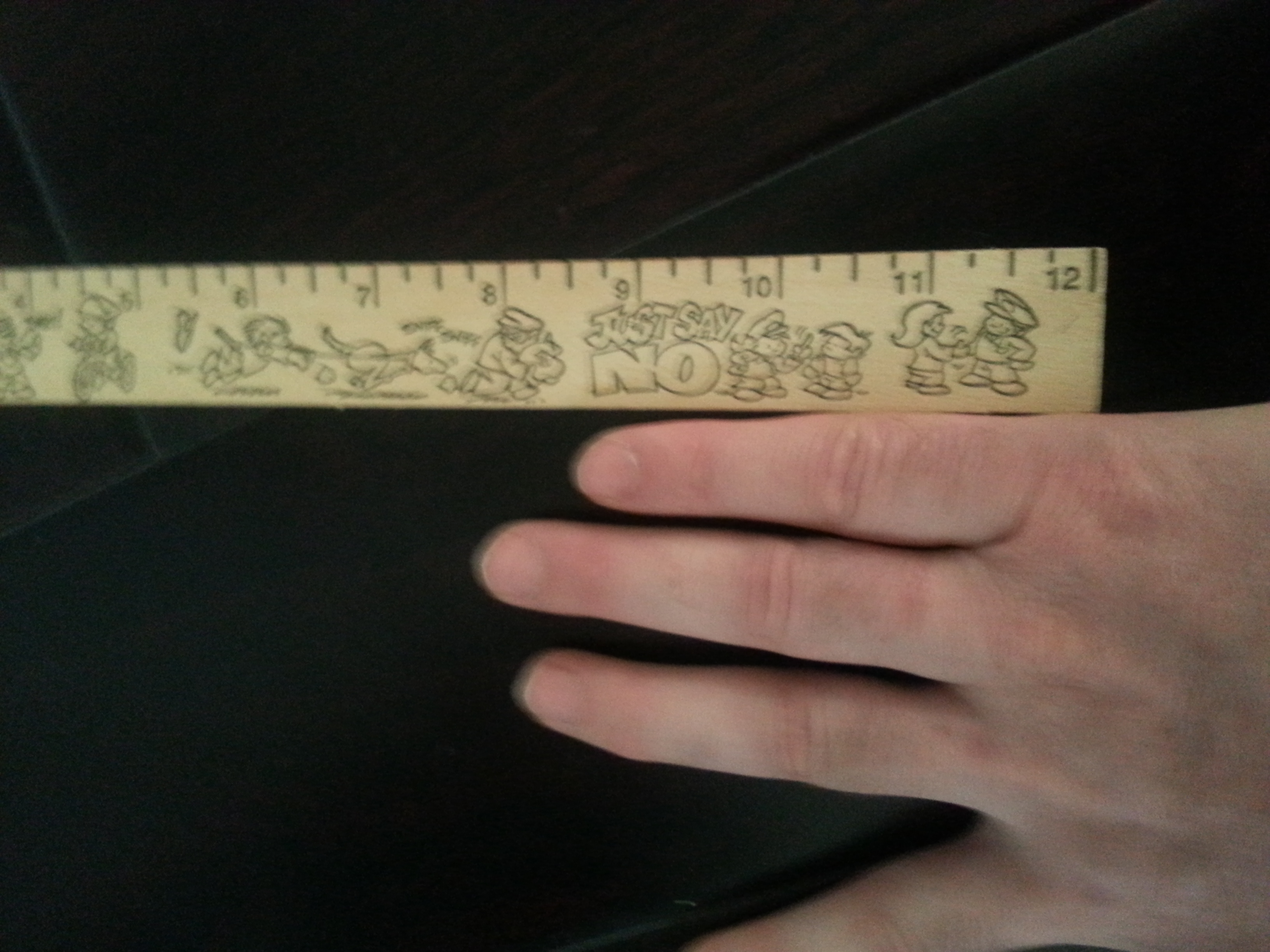
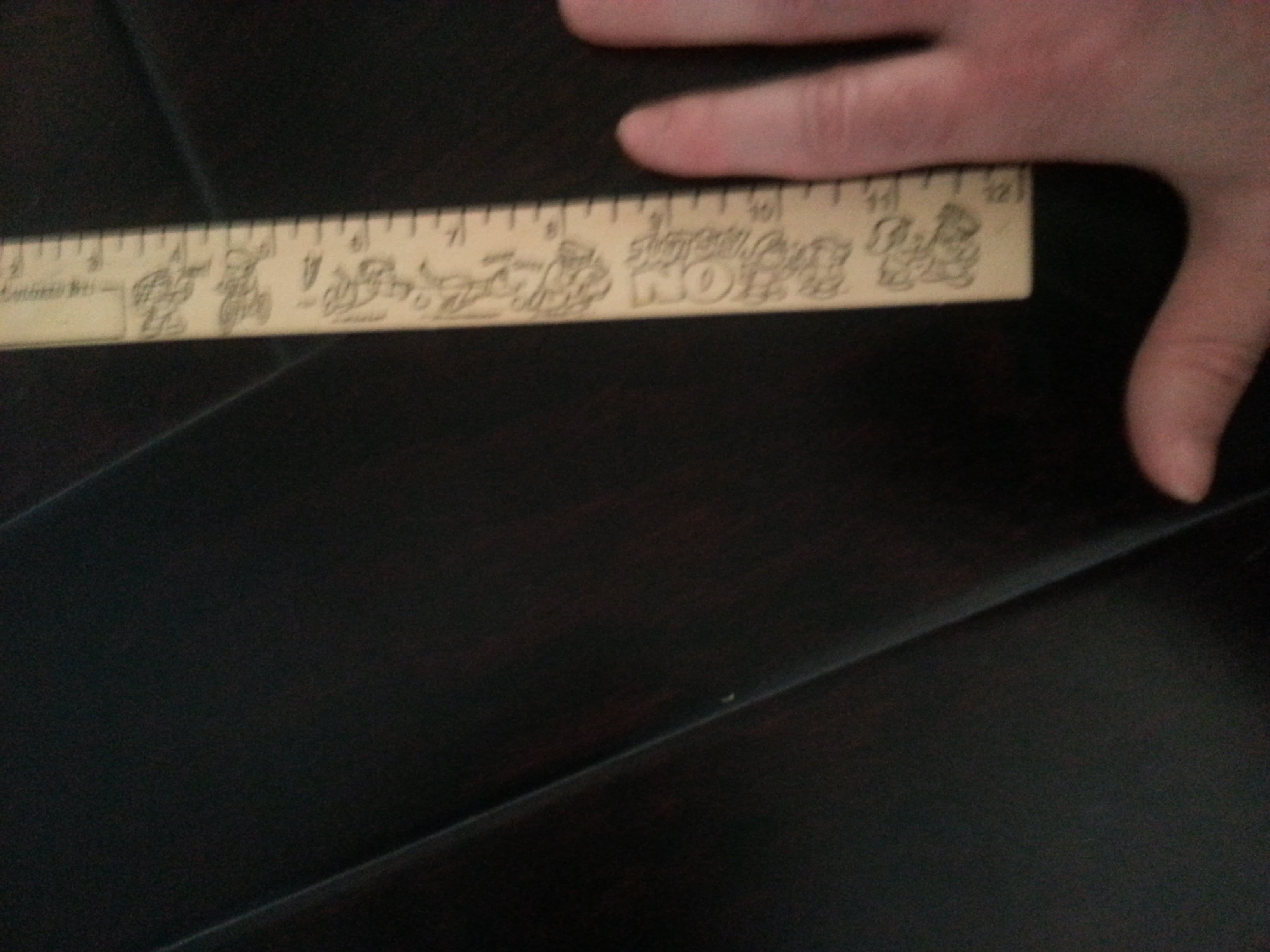
Here’s the before progress with the initial pic of the finger.  Here’s the last pic of the finger

20140429_12175020140429_12173020140429_121710

You can see a comparison of the left and right fingers and see that the right finger is longer than the left finger and much thicker.

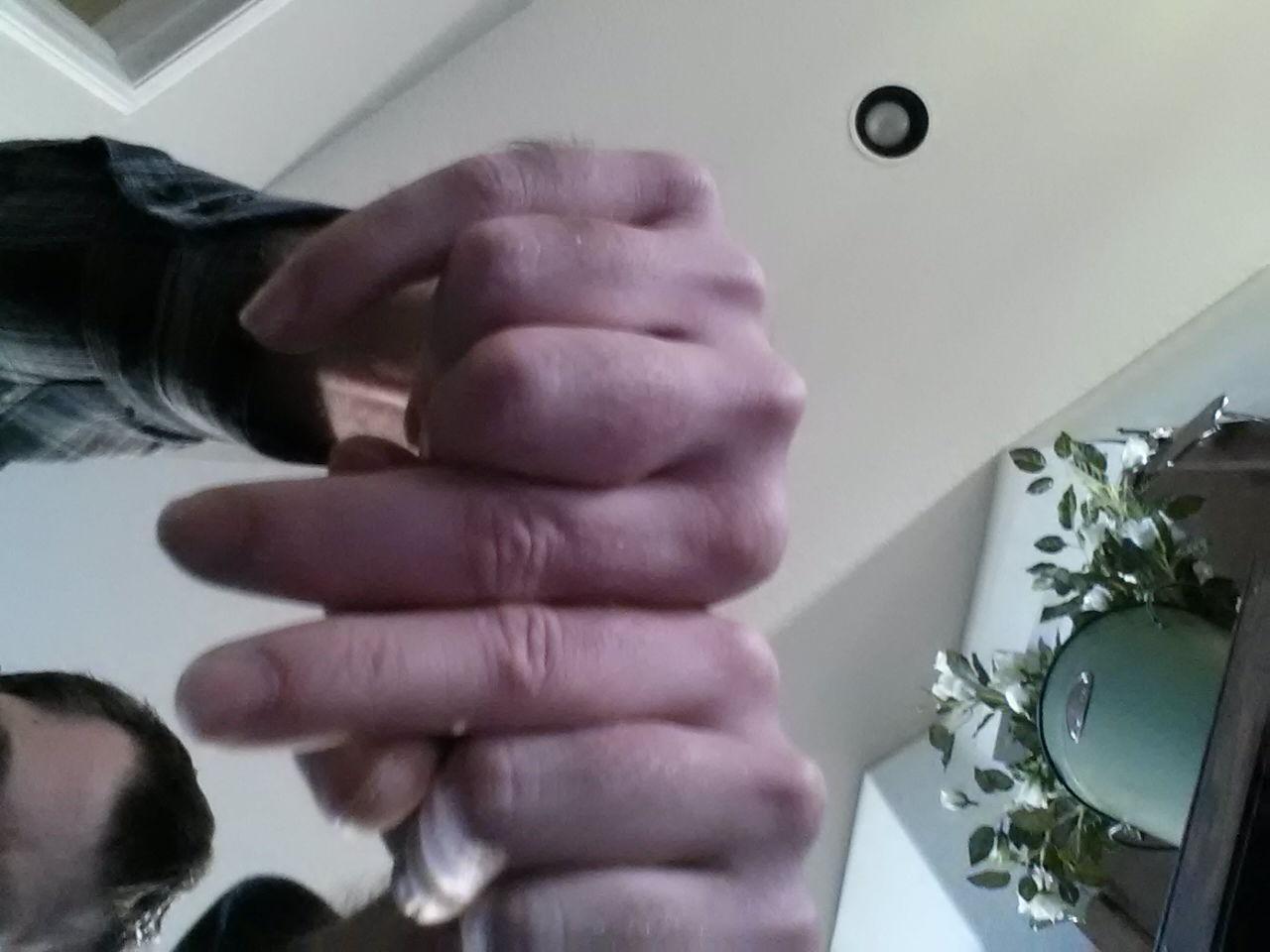
Here’s a side to side comparison of the left and right fingers:

20140501_080453

You’ll notice that the right finger is longer than the left finger and not that the right knuckle is higher than the left knuckle so there’s no measurement shennanigans.  Is this pic enough to push as proof that LSJL finger growth is a success?  Let me know if you’d suggest any adjustments.

Here’s another image:

20140502_101938

Both the right finger is longer than the left finger at the tip and the right knucle is higher than the left knuckle.  Nails on the bother inner most fingers are trimmed.

Here’s some pictures of my right hand from four years ago.  Note that the method is obsolete but you can see a finger length increase between then and today.

Here’s a video with the right hand as well:

I found this video about performing LSJL:

http://youtu.be/sWlxaXfUeqM

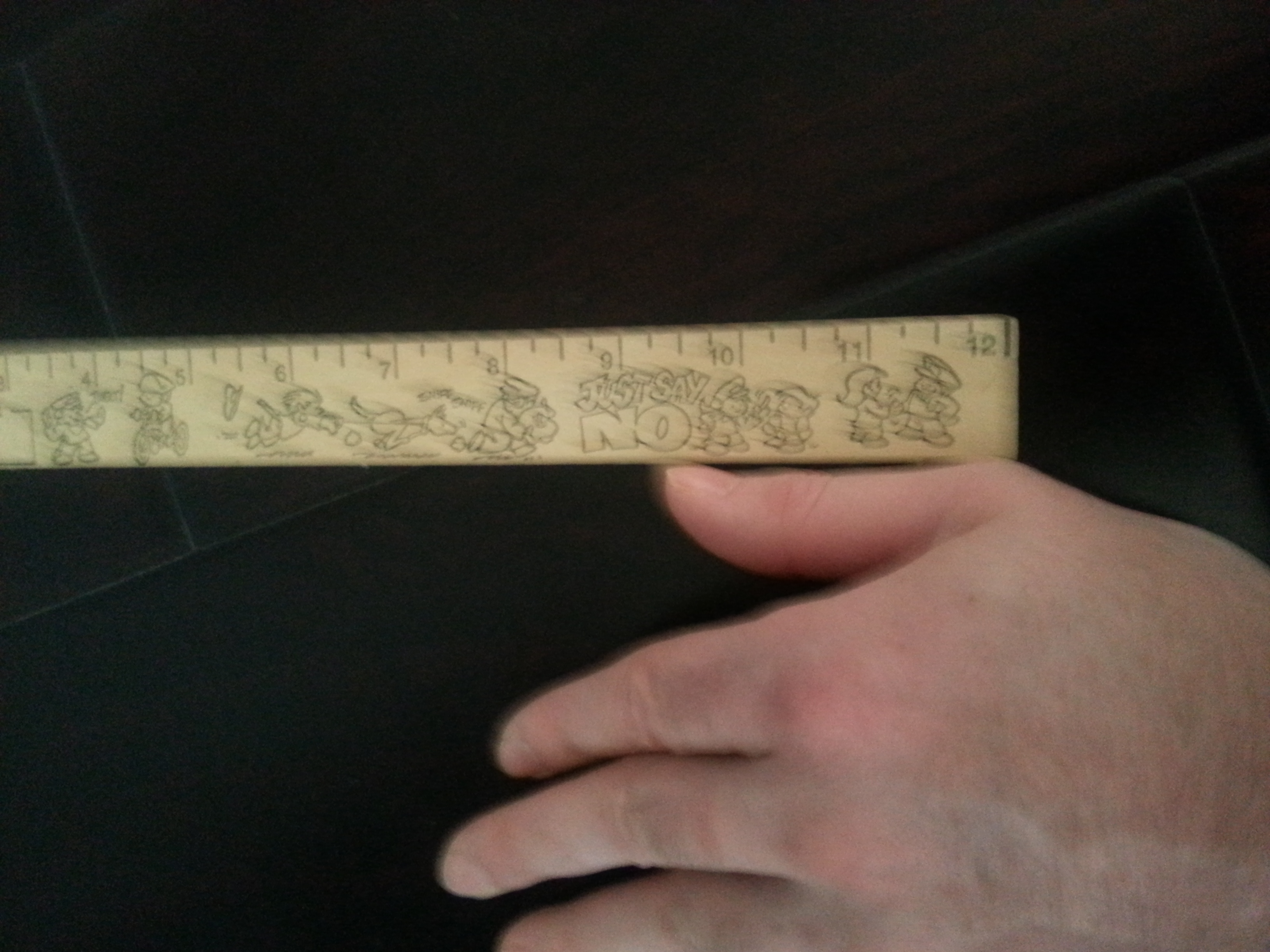
This individual got results after 20 days which is likely due to the superior clamping device.   And is more in line with the finger results I’ve gotten.  I’ve gained about a 1/4 of inch in finger length and a drastic increase in finger width.  Comparing the thumb pics it looks like there may be some length gain there but the thumb is farther along the ruler in the before pic but a side to side comparison of right to left thumb reveals that a possible increase of 1/8th of an inch or so.

So it’s been about 1 3/4 year loading my finger and I’ve gained say 1/4″.  Since my finger is around 3 1/2″ long that’s about a 7% increase.  Now a 7% increase in the tibia bone of say 16 inches would be 17.02 inches which would be a full inch of height.  Now other than the initial gain in height at the beginning I have not gained significantly over time.

Now the key thing is despite my initial gain I’m not gaining length as rapidly in the legs as in the fingers and I’m not getting the drastic increase in width in the legs as in the fingers.  This could be due to physiological differences between the leg and finger bones.  The finger bones do not have periosteum for example or it could be due to the existing clamping device not being sufficient enough load.  The load I’ve been using for 500 counts on the finger is quite extreme relative load.

I’ve been tweaking the load of the legs.  Changing clamp position and bending the knee while loading the knee to get more leverage but we need to find a way to get the same kind of loads that can be done with the finger.

Importantly, we have finger proof.  Longer fingers could be valuable to piano players and guitar players and possibly some other athletes.  So how can we use this finger technique to raise funds to develop a more effective leg clamping device.  I think we can go even further than this gentleman here in developing a better clamping device.

So:

What kind of evidence and documentation do I need to present to the layperson to show the finger proof of concept to generate interest and funding in developing a leg loading device?

New Jeffrey Baron study about Growth Plate Regulation

Jeffrey Baron is one of the scientists studying growth plate senescence so his insights could be very helpful in stopping growth plate closure and forming new growth plates.

Recent insights into the regulation of the growth plate.

“Expression in the resting and the proliferative zone was compared to identify pathways involved in the differentiation of resting zone to proliferative zone chondrocytes. This analysis implicated vitamin D receptor / retinoid x receptor (VDR/RXR) activation, platelet-derived growth factor (PDGF) signaling, BMP signaling, and notch signaling. Similar analysis of the proliferative to hypertrophic differentiation step implicated p53 signaling, ephrin receptor signaling, oncostatin M signaling, and BMP signaling”

“evidence for a BMP signaling gradient across the growth plate with the greatest BMP signaling occurring in the hypertrophic zone and the least in the resting zone”<-Maybe this BMP signaling gradient is caused by some other gradient like a pressure gradient.   We know that LSJL induces a gradient so this could be related to LSJL methodology.

“immunolocalization of phosphorylated SMAD-1, – 5, and -8 in the growth plate increases with increasing distance from the epiphysis”

“Low levels of BMP signaling in the resting zone may help maintain the progenitor cell state. Farther from the epiphysis, greater BMP signaling may induce differentiation to proliferative chondrocytes and, even farther from the epiphysis, yet greater BMP signaling may induce terminal differentiation to hypertrophic chondrocytes.”

The BMP gradient described in figure 2 of the study:

Resting Zone: Bmp-3, Gremlin, Chordin

Proliferative Zone:  GDF10, BMP7

Hypertrophic Zone: Bmp2, BMP6

“In the embryonic skeleton, PTHrP is secreted by periarticular chondrocytes of long bones. PTHrP diffuses across the growth cartilage maintaining chondrocytes in the proliferative state. Cells more distant from the source of PTHrP undergo hypertrophic differentiation.”<-LSJL also puts load on the articular cartilage.  Maybe LSJL induces the release of PTHrP.

“The prehypertrophic and hypertrophic chondrocytes then secrete Indian hedgehog (Ihh), which has a negative-feedback effect on PTHrP production and also independent effects on chondrocyte differentiation. More recent evidence suggests that the Ihh–PTHrP system is maintained in postnatal growth plate but the PTHrP source shifts to the resting zone”<-Some more on PTHrP and chondrocyte differentiation.

Genes involved in human growth plate function:

“the IHH-PTHrP system (GLI2, IHH, HHIP, PTCH1, and PTHLH lie within GWAS loci), BMP/TGF superfamily signaling (TGFB2, BMP6, LTBP3, NOG, BMP2, GDF5), C-type natriuretic peptide signaling (NPPC, PRKG2, NPR3), GH-IGF-I signaling (IGF2BP2, IGF2BP3, IGF1R), and FGF signaling (FGF18).”

“At the molecular level, CNP inhibits the extracellular signal-regulated kinase (ERK) and p38 mitogen activated protein kinase (MAPK) pathways, therefore counteracting the growth-inhibitory downstream signaling of fibroblast growth factor (FGF) in the growth plate”

“BNP [which is involved in growth plate regulation] is transcriptionally regulated by the transcription factor SHOX [which also regulates the growth plate]”

“FGFR1 and FGFR3 signaling are growth-inhibiting, while FGFR2 signaling is growth-promoting. Cartilage-specific (Col2a1-Cre) inactivation of Fgfr1 in mice showed a transient increase height in hypertrophic zone, and delayed terminal differentiation of hypertrophic chondrocytes. However, increase in adult body length has not been reported. In contrast, inactivation of Fgfr2 in the mesenchymal condensations (Dermo1-cre), which affects both the osteoblast and chondrocyte lineages, resulted in mice with skeletal dwarfism”

“transgenic mice with activated Fgfr3 in the growth plate show reduced chondrocyte proliferation, decreased numbers of hypertrophic chondrocytes and decreased height of the hypertrophic zone, while Fgfr3 knockout mice showed increased chondrocyte proliferation, increased height of hypertrophic zone, and increased skeletal growth”

“Fgf9 and Fgf18 promote chondrocyte proliferation during early development of the growth plate, but then function to inhibit chondrocyte proliferation and promote hypertrophic differentiation at later stages of development.”

“FGF21 can activate FGFR1 and FGFR3, both of which elicit growth-inhibitory signaling”

“Fgf21 knockout mice showed no significant difference in body weight and body length as compared to wild type mice”<-FGF21 may play a role in fasting induced growth inhibition.  So FGF21 would be a safe target to inhibit for growth.

“GH has no apparent role in fetal growth, despite the presence of its receptor (GHR) in embryos”

“mice lacking both the GH receptor and IGF-I have shorter bones than mice lacking only IGF-I, suggesting that GH, at least at a super-physiologic circulating concentrations, has an IGF-I-independent effect on bone growth”

“GH-induced Socs2-/-  metatarsal bone growth is not accompanied by increase in Igf1 or Igfbp3 transcript levels, and occurred in the presence of an IGF-I receptor inhibitor”

Manual of Endocrinology and Metabolism(Chapter 4: The growth Plate)

IGF2 is downregulated a thousand fold during senescence.

High levels of estrogen cause cessation of growth due to estrogen receptors.

Environmental Inputs on Longitudinal Bone Growth

Environmental temperature impact on bone and cartilage growth.

“Environmental modulation of tissue temperature can have direct and immediate consequences on cell proliferation, metabolism, matrix production, and mineralization in cartilage. Temperature can also indirectly influence cartilage growth by modulating circulating levels and delivery routes of essential hormones and paracrine regulators.”

environmental inputsThe arrows in white are the functional purposes of the bone.  In red are the factors that can affect bone length.  Bone adapts to the demands placed upon but not always in the way we want.  It doesn’t matter if stretching to us makes sense to use to produce longer bones.  It makes what the bones think.  The bone thinks to think:  I’m being stretched I should grow longer.  We need to recreate specific stimulus in the past that produces the desired results.  For example, the growth plate which results in longitudinal bone growth is a result of mesenchymal condensation of progenitor cells.  The goal of LSJL is to create a stimuli of hydrostatic pressure and shear strain that has been shown to induce mesenchymal condensation in adult mesenchymal stem cells and in turn induce chondrogenesis.

“Chondrocytes differentiate from a reserve pool of round quiescent cells into flattened columns of proliferating cells, which then mature into large terminally differentiated hypertrophic cells, and are ultimately replaced with mineral at the chondro-osseous junction where bone-forming osteoblasts invade from the metaphyseal vasculature”

“limb length correlates with temperature and latitude”

“limb length can be modified within a single generation by rearing young littermate animals at warm and cold temperatures during the postnatal growth period”

“Growth plate morphology was unexpectedly similar at cold and warm temperatures.  There were no major appreciable differences in overall size, shape, or organization of the cartilage.”

“variation in adult long bone length between inbred mouse strains was primarily generated by growth rate differences that occurred during a phase of rapid bone elongation between 3 and 5 weeks age.”<-it could be that lack of enough temperature is a limiting factor on height growth only in the most rapid periods of growth.

Usually these temperature studies are capped at one point in temperature so it’s hard to see if there’s an equilibrium temperature.

“normal capillary blood flow in the skin of the tibia (lower leg) was significantly higher than that in the metatarsal (foot) region, indicating a natural proximal-distal gradient in blood supply.”

” at high temperature extremes outside of a tolerable physiological range, heat does negatively impact body growth.”

“Without countercurrent heat exchangers in a cold environment, blood will rapidly lose temperature as it flows to the distal-most parts of the appendages. Core temperature would consequently drop as cool venous blood returns to the body core. One mechanism to combat a whole body cooling effect is to reduce total outflow of blood flow to the appendages by regulating vasomotor tone”

“This initially perplexing finding (no major differences in morphology of the growth plate when bone lengths did differ) may actually be quite informative as to the mechanism of the growth effect. One possibility is that a complex change in gene expression, cell metabolic activity, and/or maturation rate could contribute to the growth rate differences without changing the superficial appearance of the cartilage. The other corresponding possibility is that the growth rate differences were too slight to detect in the static histology “snapshot.” The total difference in tibia bone length between warm and cold was approximately 370 μm”

The study mentions that heat can induce bone marrow expansion.  Equilibrium temperature can increase calcium uptake.  Cold temperature induces endoplasmic reticulum stress.  HSP70 expression is affected by temperature.  Hydrostatic Pressure also increases HSP70.  HMGB1 is negatively correlated with temperature.  HMGB1 seems to encourage the early stages of chondrogenesis.  This would be a good thing in the formation of the growth but could be a bad thing in the later stages as it may effect the degree of endochondral ossification of the growth plate reducing longitudinal bone growth.  But mice that lack HMGB1 have shorter bones.  Heat also can incude TRPV4 activation.  TRPV4 may modulate bone elongation by affecting cell volume in chondrocytes.  However, continuously active TRPV4 mutants have abnormal endochondral ossification and reduced longitudinal bone growth.

” warm temperature could facilitate bone elongation by increasing the number of cells that could become bone forming osteoblasts at the chondro-osseous junction. There is also evidence that cold could limit bone elongation by directly inhibiting osteoblast activity.”<-Which would mean that heat wouldn’t play a role in neo-growth plate formation.

” leptin deficiency produces a contrasting phenotype in the limb bones and spine (short femurs and long spine)”

“Blood flow could be permanently modified by temperature through the route of new vessel formation, or angiogenesis”

“disrupted blood flow markedly impairs limb growth”

“surgical obstruction of the principal nutrient artery within the tibia marrow cavity of rabbits caused blood to be shunted toward the metaphyseal vessels and increased blood flow to the growth plate. Within three months after the surgery, the operated tibia had grown significantly longer compared to the contralateral side that received the normal blood supply”

So blood flow seems to be the most promising way to increase longitudinal bone growth and inducing new growth plates is not a ruled out effect of increasing blood flow so that LSJL likely increases blood flow is a good sign.