Author Archives: Tyler

MISC LSJL and Salubrinal studies(but bone effects only)

The LSJL scientists Yokota and Zhang posted another LSJL related study.  Not a lot can be gathered in relation to LSJL on height growth unless Nfatc1 or ATF4 can be found to be chondrogenic inducers or to increase peak chondrocyte hypertrophy.

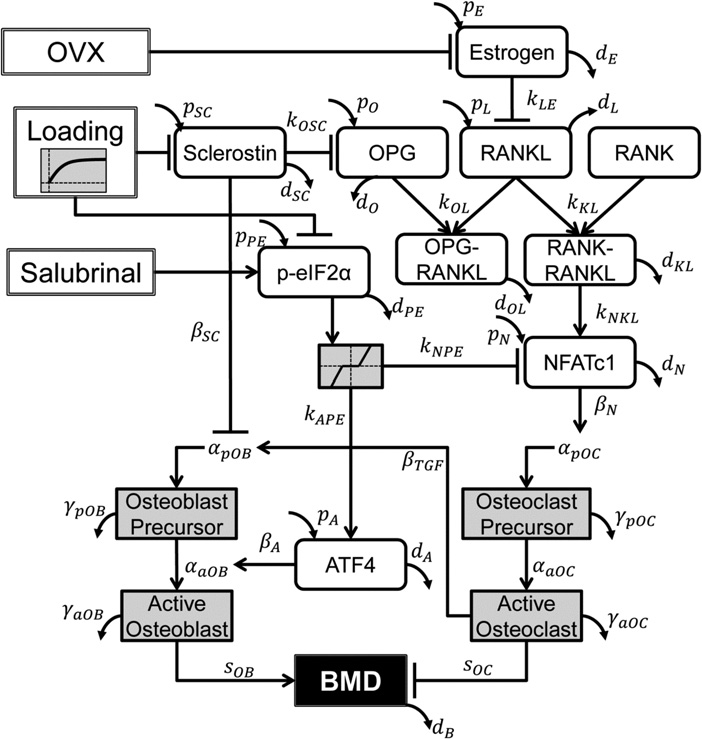
Evaluating treatment of osteoporosis using particle swarm on a bone remodelling mathematical model.

“The model formulated a temporal BMD change of a mouse’s whole skeleton in response to ovariectomy, mechanical loading[LSJL] and administration of salubrinal.”<-So even though this study is studying mainly BMD we can extrapolate other LSJL effects via LSJL’s affect on gene expression and cells.

“The best treatment was found to start with mechanical loading followed by salubrinal.”

“Ovariectomy (OVX) was modelled through oestrogen deprivation, whereas salubrinal injection and knee loading were modelled by up-regulating p-eIF2α and inhibiting sclerostin, respectively.”<-In studying eif2a, it was unclear whether it could help increase height.

“To model the observed non-responsiveness to salubrinal at normal oestrogen levels in control mice, the model included a range of p-eIF2α values that does not elicit a change in ATF4 and NFATc1. When oestrogen levels decrease as in OVX mice, this range becomes
smaller, and ATF4 and NFATc1 become more responsive to changes in p-eIF2α.”<-ATF4 has some involvement in height but it doesn’t seem to be a powerful effector like say CNP.

Loading BMD

This could connect to cartilage growth via NFATc1 or ATF4.  NFATc’s do affect chondrogenesis.

“Knee loading was applied using a custom piezoelectric loading platform in the lateral-medial direction 3 min/day at 15 Hz, with a peak-to-peak force of 0.5 N”<-LSJL.  Mice were 12 weeks old at time of treatment.

Hydrogel-Based Local Release of Salubrinal Stimulates Healing of Mouse Tibia Fracture

“Salubrinal is a synthetic compound (C21H17Cl3N4OS; 480 Da) which is known to reduce various cellular stresses including stress to the endoplasmic reticulum. It inhibits serine/threonine protein phosphatase 1 alpha (PP1), followed by the elevation of phosphorylated eukaryotic translation initiation factor 2 alpha (eIF2α). Salubrinal is reported to enhance bone formation by stimulating Activating Transcription Factor 4 (ATF4), one of the transcription factors for bone formation, via eIF2α-mediated signaling and stimulating development of bone-forming osteoblasts. It also suppresses nuclear factor of activated T-cells, cytoplasmic 1 (NFATc1), a master transcription factor for osteoclastogenesis, and inhibits development of bone-resorbing osteoclasts. It reduces inflammation and degradation of cartilage tissues{maybe it can delay growth plate cessation?}”

“C57BL/6 female mice (14 weeks, body weight ~20 g”

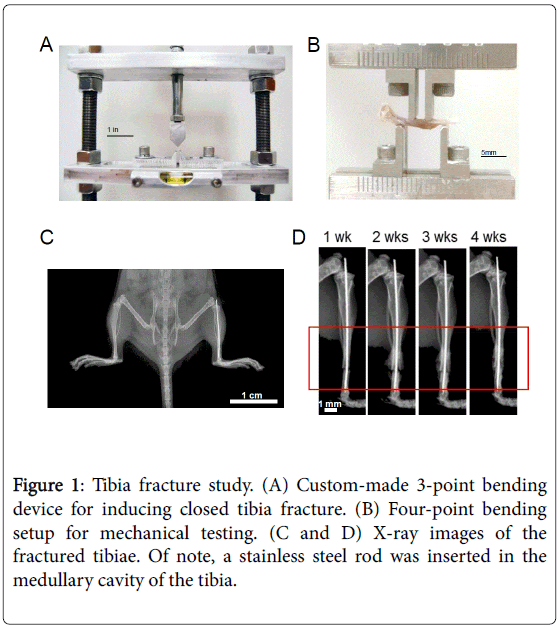
Here’s how the fracture was induced:

orthopedic-muscular-system-tibia-fracture-study-5-220-g001

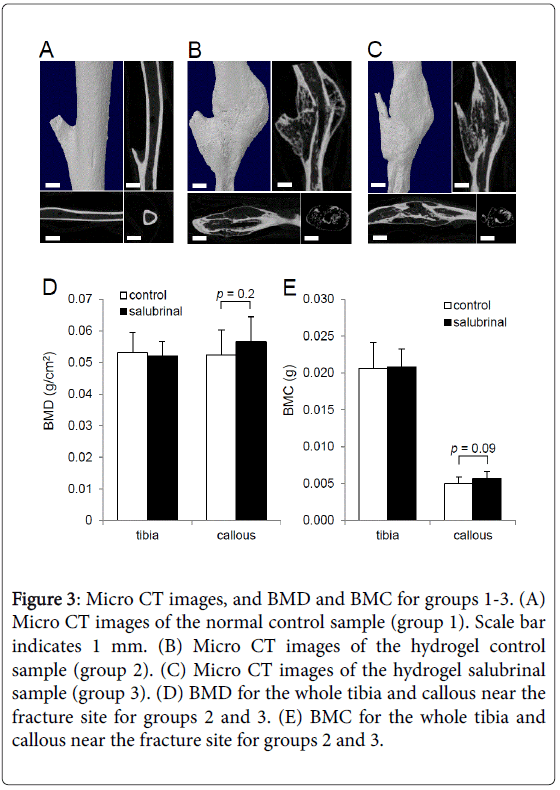
“salubrinal can add calcified mass to osteoporotic bone{maybe salubrinal encourages endochondral ossification}?”

orthopedic-muscular-system-micro-ct-images-5-220-g003

In the stump on the left side the salubrinal group looks taller but less wide.

“salubrinal suppresses the proliferation and maturation of osteoclasts by downregulating AP-1 proteins such as c-Fos and JunB, as well as NFATc1”

Salubrinal improves mechanical properties of the femur in osteogenesis imperfecta mice.

“Salubrinal is an agent that reduces the stress to the endoplasmic reticulum by inhibiting de-phosphorylation of eukaryotic translation initiation factor 2 alpha (eIF2α). We and others have previously shown that the elevated phosphorylation of eIF2α stimulates bone formation and attenuates bone resorption. In this study, we applied salubrinal to a mouse model of osteogenesis imperfecta (Oim), and examined whether it would improve Oim’s mechanical property. We conducted in vitro experiments using RAW264.7 pre-osteoclasts and bone marrow derived cells (BMDCs), and performed in vivo administration of salubrinal to Oim (+/-) mice. The animal study included two control groups (wildtype and Oim placebo). The result revealed that salubrinal decreased expression of nuclear factor of activated T cells cytoplasmic 1 (NFATc1) and suppressed osteoclast maturation, and it stimulated mineralization of mesenchymal stem cells from BMDCs. Furthermore, daily injection of salubrinal at 2 mg/kg for 2 months made stiffness (N/mm) and elastic module (GPa) of the femur undistinguishable to those of the wildtype control. Collectively, this study supported salubrinal’s beneficial role to Oim’s femora. Unlike bisphosphonates, salubrinal stimulates bone formation. For juvenile OI patients who may favor strengthening bone without inactivating bone remodeling, salubrinal may present a novel therapeutic option.”

Salubrinal downregulated Nfatc1 in MSC like cells.  If cells are less likely to become osteoclasts it is more likely more them to become cartilage.

New insight on Growth Hormone

The Influence of Growth Hormone on Bone and Adipose Programming.

“In utero growth hormone exposure is associated with distinct immediate growth responses and long term impacts on adult physiological parameters that include obesity, insulin resistance, and bone function. Growth hormone accelerates cellular proliferation in many tissues but is exemplified by increases in the number of cells within the cartilaginous growth plate of bone{can it increase the number of growth plate progenitor cells?}. In some cases growth hormone also potentiates differentiation as seen in the differentiation of adipocytes that rapidly fill upon withdrawal of growth hormone. Growth hormone provokes these changes either by direct action or through intermediaries such as insulin-like growth factor-I and other downstream effector molecules. The specific mechanism used by growth hormone in programming tissues is not yet fully characterized and likely represents a multipronged approach involving DNA modification, altered adult hormonal milieu, and the development of an augmented stem cell pool capable of future engagement as is seen in adipose accrual.”

“Early therapeutic provision of GH to SGA[small for gestational age] neonates having sufficient GH enhances the velocity of bone growth transiently but only for the duration of GH treatment”

“between birth and 28 days is most influential on bone elongation and adult size. Initiating the elevated GH beyond 28 days of age increases growth but not to the
extent realized with earlier exposure despite the presence of a functional growth plate. At the cellular level, GH accelerates bone growth by hyperplasia[an increase in the number of cells] as opposed to growth plate chondrocyte hypertrophy”<-hyperplasia is more powerful than chondrocyte hyertrophy if it increases the amount of growth plate progenitor cells.  If it only increases chondrocyte proliferation then the effect is transient as chondrocytes have a finite proliferative capacity.

Lengthening bone via microcracks, why hasn’t it work?

Now obviously, if walking was able to increase height people would be a lot taller?  But if repetitive stress can induce plastic changes in cortical bone that could possibly contribute to height gain.  More on plastic deformation hereMichael talks about the definition of Plastic deformation here and he talks about the values needed to induce plastic deformation here.

One possibility as to why inducing microcracks to cause plastic(permanent) changes in bone length is that most microcracks such as those induced by walking would be more compressive microcracks rather than tensile strain microcracks which would be what would be needed to make a bone longer.  One study finding longitudinal decrease in height in the lower legs would be consistent with the fact that typical athletic stimuli induces compressive changes rather than lengthening changes. Although another study also mentioned in the same post found that exercise increased height slightly in the spine. Although it would be logical to think that kicking with ankle weights would be one such stimuli to induce longitudinal plastic deformation of the bone.

Effects of fatigue induced damage on the longitudinal fracture resistance of cortical bone.

“As a composite material, cortical bone accumulates fatigue microdamage through the repetitive loading of everyday activity (e.g. walking). Twenty longitudinally orientated compact tension fracture specimens were machined from a single bovine femur, ten specimens were assigned to both the control and fatigue damaged groups. The damaged group underwent a fatigue loading protocol to induce microdamage which was assessed via fluorescent microscopy. Following fatigue loading, non-linear fracture resistance tests were undertaken on both the control and damaged groups using the J-integral method. The interaction of the crack path with the fatigue induced damage and inherent toughening mechanisms were then observed using fluorescent microscopy.  Fatigue induced damage reduces the initiation toughness of cortical bone and the growth toughness within the damage zone by three distinct mechanisms of fatigue-fracture interaction. Further analysis of the J-integral fracture resistance showed both the elastic and plastic component were reduced in the damaged group. For the elastic component this was attributed to a decreased number of ligament bridges in the crack wake while for the plastic component this was attributed to the presence of pre-existing fatigue microcracks preventing energy absorption by the formation of new microcracks.”

“The composite structure of bone consists of three main components, this includes: collagen type I (organic phase), calcium hydroxyapatite (inorganic or mineral phase) and water [8]. These components are arranged hierarchically from macro to nano scale giving bone distinct material behaviour at each characteristic scale. This composite structure causes bone to form microdamage due to fatigue loading. In bone there are two main types of fatigue damage observed (linear microcracks and diffuse damage), which can be linked to different modes of loading. Another consequence of the composite structure of bone is that it exhibits rising fracture toughness with crack extension (i.e. a rising fracture resistance curve). As a macrocrack propagates through bone, microcracks form in the process zone at the tip of the main propagating crack. This damage can act to reduce the driving force available for crack growth by dissipating energy away from the main crack extension and also provides initiation sites for toughening mechanisms, such as uncracked ligament bridges and crack deflection. Pre-existing fatigue microdamage in the crack path can potentially interact with these mechanisms and alter the fracture resistance.”

In the study a microcrack was induced with a drill so it’s hard to extrapolate the results here to what would happen in various of forms of mechanical stimuli.

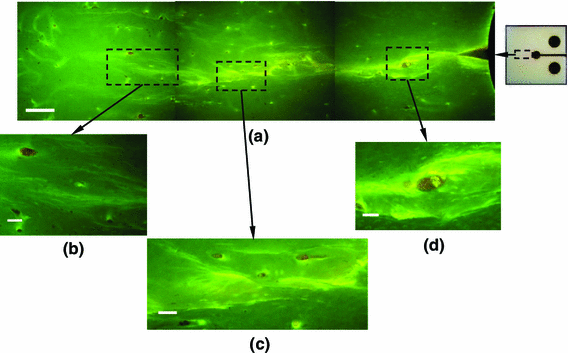
microcracks

This image shows microcracks in bone.  You can see the drill induced crack on the part of a directly above c.

“a crack path of a typical control specimen showing various toughening mechanisms along the crack path: b microcracking ahead of the tip of the main crack, c several ligament bridges and d deflection and ligament bridge formation.”<-I think this kind of cracking could induce longitudinal bone growth however it would require an initial macrocrack such as that induced by the drill.  If you look at the a image directly above d the ligament bridging covers the entire length of the bone which could potentially result in total longitudinal bone growth.

more microcracks

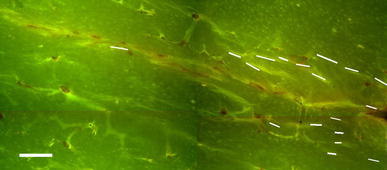
“Typical damaged specimen following resistance curve testing. The approximate location of the pre-existing fatigue microcracks are marked using white lines. Scale bar is 250 µm”

Exercises like kicking with ankle weights can cause microcracks which can increase the likelihood of getting those macrocracks which can result in plastic deformation like longitudinal bone length increase.  But macrocracks are likely needed to induce that plastic strain in bone and only extreme ankle weight kicking is likely to induce that.

The bone constantly changes in length throughout the day by definition of microstrain.  Just cause a “macrocrack in bone” whole the bone is slightly lengthened and repeat and you should gradually grow taller.

Blood Pressure Cuffs versus LSJL

Does LSJL only increase intermedullary pressure or does it have extra anabolic effects?  The next few studies address what happens only if intermedullary pressure is increased.  It’s possible that LSJL’s effects are due solely to an increase in vascularization which makes it less promising for adult height growth although it would still be possible to induce adult height growth.  These studies are performed on rats much older than those used in LSJL but no impact on longitudinal bone growth was studied.  However, it still shows even in aged individuals developmental genes like BMP-2 and TGF-Beta can be stimulated.

Dynamic hydraulic fluid stimulation regulated intramedullary pressure

“Physical signals within the bone, i.e. generated from mechanical loading, have the potential to initiate skeletal adaptation. Strong evidence has pointed to bone fluid flow (BFF) as a media between an external load and the bone cells, in which altered velocity and pressure can ultimately initiate the mechanotransduction and the remodeling process within the bone. Load-induced BFF can be altered by factors such as intramedullary pressure (ImP) and/or bone matrix strain, mediating bone adaptation. BFF induced by ImP alone, with minimum bone strain, can initiate bone remodeling.  To apply ImP as a means for alteration of BFF, it was hypothesized that non-invasive dynamic hydraulic stimulation (DHS) can induce local ImP with minimal bone strain to potentially elicit osteogenic adaptive responses via bone–muscle coupling. The goal of this study was to evaluate the immediate effects on local and distant ImP and strain in response to a range of loading frequencies using DHS. Simultaneous femoral and tibial ImP and bone strain values were measured in three 15-month-old female Sprague Dawley rats during DHS loading on the tibia with frequencies of 1 Hz to 10 Hz. DHS showed noticeable effects on ImP induction in the stimulated tibia in a nonlinear fashion in response to DHS over the range of loading frequencies, where they peaked at 2 Hz. DHS at various loading frequencies generated minimal bone strain in the tibiae. Maximal bone strain measured at all loading frequencies was less than 8 με. No detectable induction of ImP or bone strain was observed in the femur. This study suggested that oscillatory DHS may regulate the local fluid dynamics with minimal mechanical strain in the bone, which serves critically in bone adaptation. These results clearly implied DHS’s potential as an effective, non-invasive intervention for osteopenia and osteoporosis treatments.”

“bone fluid flow (BFF) with altered velocity or pressure acts as a communication media between an external load and the bone cells, which then regulate bone remodeling. In converse, discontinuous BFF can initiate bone turnover and result in osteopenia”

“Induced ImP possibly triggers the transformation of the bone nutrient vasculature, leading to the ultimate alteration in blood supply to the bone.”

“The ImP reached the peak at 2 Hz.” at about 15mmHg.

Dynamic fluid flow stimulation on cortical bone and alterations of the gene expressions of osteogenic growth factors and transcription factors in a rat functional disuse model

“Dynamic hydraulic stimulation (DHS) [is] a loading modality to induce anabolic responses in bone. To further study the functional process of DHS regulated bone metabolism, the objective of this study was to evaluate the effects of DHS on cortical bone and its alterations on gene expressions of osteogenic growth factors and transcription factors as a function of time. Using a model system of 5-month-old hindlimb suspended (HLS) female Sprague–Dawley rats, DHS was applied to the right tibiae of the stimulated rats with a loading frequency of 2 Hz with 30 mmHg (p–p) dynamic pressure, 5 days/week, for a total of 28 days. Midshafts of the tibiae were analyzed using μCT and histology. Total RNA was analyzed using RT-PCR on selected osteogenic genes (RUNX2, β-catenin, osteopontin, VEGF, BMP2, IGF-1, and TGF-β) on 3-, 7-, 14- , and 21-day. Results showed increased Cort.Th and Ct.BV/TV as well as a time-dependent fashion of gradual changes in mRNA levels upon DHS. While DHS-driven fold changes of the mRNA levels remained low before Day-7, its fold changes started to elevate by Day-14 and then dropped by Day-21. This study further delineates the underlying molecular mechanism of DHS-derived mechanical signals, and its time-dependent optimization.”

BMP2, IGF-1 and Tgf-Beta are all pro chondrogenic.

“Bone formation progresses over time after the initiation of mechanical loading. Within 24–48 hr after mechanical loading starts, new osteoblasts lay on the bone surface and contribute to bone formation that is observed after 96 hr of loading. Bone formation follows a time-dependent manner, in which it increases between 5 and 12 days of loading and returns back to baseline levels after 6 weeks of loading. These data suggest that the whole cycle of bone formation, including osteoblast recruitment followed by matrix production, lasts for about 5 weeks before declining back to baseline levels”<-new osteoblasts implies cell differentiation which could mean new chondrocytes as well.

Dynamic Hydraulic stimulation increased the periosteal surface.

At seven days interestingly the levels of the pro-chondrogenic genes IGF-1, BMP2, and TGF-Beta were low.  At 14 days they were all increased relative to control.

“HS may compress the veins within the skeletal muscle and increase the vasculature pressure gradient that promotes capillary blood flow in bone. Increase of capillary filtration may further increase ImP and induce BFF that ultimately promote bone regeneration”

I think LSJL does more than just pure Hydraulic stimulation does.

“Osteoblasts [orginiate] from MSCs”

“Our group previously presented a longitudinal study of bone marrow MSC quantification under DHS in a rat HLS model, where the MSC number was greatly increased in response to DHS by day 14 and diminished by day 21. MSCs may have completed proliferation and begun to differentiate towards osteoblastogenesis at this stage. In the meantime, the induced mRNA levels of the selected genes that we observed in the present study may couple the process of transforming MSC proliferation and differentiation into osteoblasts, which commit to the subsequent bone formation.”<-so maybe why the pro-chondrogenic genes were low at day 7 is that MSCs were proliferating rather than differentiating into chondrocytes.

Using chondrocyte hypertrophy to grow taller via articular chondrocytes?

It’s been established that the fingers can grow longer after cessation of development.  One primary difference of the fingers and the bones of say the legs is that there’s periosteum covering the articular cartilage of the legs and not of the bones of the fingers.  One issue of articular chondrocyte hypertrophy is it’s correlation with osteoarthritis(and).

Chondrocyte hypertrophy in skeletal development, growth, and disease.

” Chondrocyte hypertrophy is an essential contributor to longitudinal bone growth, but recent data suggest that these cells also play fundamental roles in signaling to other skeletal cells, thus coordinating endochondral ossification. On the other hand, ectopic hypertrophy of articular chondrocytes has been implicated in the pathogenesis of osteoarthritis.”

“Chondrocytes first differentiate from mesenchymal precursor cells after these have undergone cellular condensation{we have to be sure we’re covering this step if we want to create new growth plates}. This process, termed chondrogenesis, is characterized by expression of the cartilage master transcription factor Sox9 and induction of its target genes, for example, the classical chondrocyte markers, collagen II, and aggrecan. In a subsequent step, chondrocytes increase their rate of proliferation in a directed pattern along the developing longitudinal axis of the future bone, forming characteristic columns of clonal cells. Under tight control from endogenous and exogenous factors, these cells then withdraw from the cell cycle and start differentiating further. This differentiation step is accompanied by a large increase in cell volume, for example, chondrocyte hypertrophy. The conventional view is that hypertrophic chondrocytes represent the terminal step in this maturation process which culminates in the apoptosis of cells and replacement of hypertrophic cartilage by bone tissue. However, there have been reports about “transdifferentiation” of hypertrophic chondrocytes to osteoblasts”

“Not only is the cell volume increase during hypertrophy a major contributor to longitudinal bone growth, but these cells also act as signaling centers that secrete growth factors, cytokines, and other signaling molecules that can act on other cell types involved in endochondral ossification, such as osteoclasts, osteoblasts, and endothelial cells. Thus, the differentiation to this stage, as well as the behavior of differentiated hypertrophic chondrocytes, are tightly regulated by a multitude of systemic and local factors, including growth hormone, insulin-like growth factors (IGFs), thyroid hormone, parathyroid hormone-related peptide (PTHrP), Indian hedgehog, fibroblast growth factors (FGFs), canonical and noncanonical Wnt signaling, transforming growth factor-β (TGFβ) family members, C-type natriuretic peptide, and others. Within the cell, the classical mediators of these signals, such as β-catenin in canonical Wnt signaling and Smad proteins in TGFβ/bone morphogenetic protein signaling control cartilage growth, along with common kinases (e.g., MAP and PI3K/Akt) and GTPases (e.g., Rho GTPases). In the cell nucleus, Runx and MEF2 transcription factors, along with the histone deacetylase HDAC4, have been recognized as key regulators of chondrocyte hypertrophy.”

“mice lacking both FoxA2 and FoxA3 activity in cartilage display postnatal dwarfism, a result of severely impaired chondrocyte hypertrophy and mineralization shown by markedly attenuated expression of hypertrophic markers, such as collagen X, MMP13, and alkaline phosphatase”

“induction of chondrogenesis in chicken limb-bud mesenchymal micromass cultures results in increased FoxA1 and FoxA2 expression. Electrophoretic mobility shift assays show FoxA2 to bind to conserved binding sites within the chicken collagen X enhancer. Interestingly, exogenous FoxA2 can activate expression of a Collagen X-luciferase reporter gene in both chondrocytes and fibroblasts”

“HIF-2α contributes to physiological endochondral ossification by controlling chondrocyte hypertrophy, cartilage degradation, and vascularization. In particular, HIF-2α was identified as the most potent activator of the COL10A1 promoter in vitro. The expression of HIF-2α’s encoding gene, Epas1, also increased in parallel to that of Col10a1, Mmp13, and Vegf-α during chondrocyte differentiation”

“ectopic expression of Epas1 enhances cytokine-induced expression of catabolic genes necessary for cartilage breakdown. Similarly, both in vivo and in vitro models of Epas1 deficiency show protection against OA through suppression of cartilage degradation and catabolic and hypertrophic gene expression”

” HIF-2α [is a] functional inducer of the CEBPB promoter. As C/EBPβ is a transcription factor crucial for the transition from proliferation to hypertrophy in chondrocytes ”

“HDAC4 (histone deacetylase 4), which inhibits hypertrophy by suppressing the activity of Runx2 and MEF2C”

“kinase SIK3 (salt-inducible kinase 3) is essential to locate HDAC4 in the cytoplasm (and thereby relieve the inhibitory activity of HDAC4 on MEF2C and possibly Runx2). Correspondingly, chondrocytes from Sik3 KO mice show increased nuclear staining for HDAC4, resulting in delayed hypertrophy and dwarfism”

” Hdac3 KO mice showed accelerated chondrocyte hypertrophy but smaller cell size, which the authors attribute to increased expression of the phosphatase leucine-rich repeat phosphatase 1 (Phlpp1) in HDAC3-deficient chondrocytes. Increased Phlpp1 levels then suppress Akt signaling. Since the PI3K-Akt pathway is a major positive regulator of chondrocyte hypertrophy, these data suggest a direct pathway from epigenetic regulation of gene expression to cell size increase”

“Three different phases of hypertrophic cell enlargement, the first characterized by simultaneous increase in cell volume and dry mass, the second by preferential cell swelling without corresponding dry mass production, and the third again by proportional increases in cell volume and dry mass. Differences between slow and fast growing bones were due to changes in phase II and particularly phase III”

mice deficient for the key collagenase in OA, MMP13, still show chondrocyte hypertrophy in response to OA-inducing joint surgery, but are protected from cartilage degeneration“<-So it’s possible to grow taller via articular cartilage growth without cartilage degeneration.

We know that cartilage hypertrophy plays a very large role in how much bones grow longer.  There are supplements that could stimulate chondrocyte hypertrophy but inhibit cartilage degradation.  So this sort of method would be possible to test with suppelements only and not need mechanical methods. Cartilage degradation is vital though for longitudinal bone growth via growth plates so this would only work via adults past the developmental stage.

The chondrocytic journey in endochondral bone growth and skeletal dysplasia.

“Extracellular signals, including bone morphogenetic proteins, wingless-related MMTV integration site (WNT), fibroblast growth factor, Indian hedgehog, and parathyroid hormone-related peptide, are all indispensable for growth plate chondrocytes to align and organize into the appropriate columnar architecture and controls their maturation and transition to hypertrophy. Chondrocyte hypertrophy, marked by dramatic volume increase in phases, is controlled by transcription factors SOX9, Runt-related transcription factor, and FOXA2.”

“In vertebrates, the endochondral bones of the axial and appendicular skeleton develop from mesenchymal progenitors that form condensations of bipotential osteo-chondroprogenitors in the approximate shape of the future skeletal elements. These osteo-chondroprogenitors undergo lineage restriction toward either chondrocytes or osteoblasts. The primordial cartilage continues growing through recruitment of more mesenchymal progenitors and proliferation of chondrocytes. Once committed to the chondrocytic fate, the chondroprogenitors further differentiate into chondrocytes which proliferate, mature, exit the cell cycle, and undergo hypertrophy, forming an avascular cartilaginous template surrounded by a perichondrium. Mature hypertrophic chondrocytes secrete matrix vesicles which mediate cartilage calcification. At the same time, adjacent perichondrial cells differentiate into osteoblasts and secrete bone matrix, forming a bone collar surrounding the hypertrophic chondrocytes, then start to organize a periosteum and later become the shaft (diaphysis) of the bone. The primary ossification center begins to develop, with blood vessels penetrating the periosteum and gaining access to the calcified cartilage, bringing in osteoclasts/chondroclasts to degrade the cartilage. Subsequently, the osteoblasts lay down bone matrix to form trabecular bone. Gradually, the chondro-osseous junction forms, dividing the cartilage template into two ends, called epiphyses. These progressive steps of chondrocyte differentiation lead to the formation of a specialized structure called the growth plate ”

“The round chondrocytes of the RZ serve as a pool of progenitor-like cells for subsequent proliferation and differentiation. In the PZ, the round cells divide, become flattened, and organize into columns in the direction of longitudinal growth while proliferating. In the PHZ, the chondrocytes exit the cell cycle and initiate hypertrophic differentiation, characterized by the expression of Ihh (encoding the paracrine factor Indian hedgehog) and Col10a1 (encoding collagen type X). In the HZ, the size of the chondrocytes increases dramatically in the upper hypertrophic zone, and then these hypertrophic chondrocytes terminally differentiate in the lower hypertrophic zone, where the cartilage becomes calcified and is replaced with bone. The fate of hypertrophic chondrocytes at the chondro-osseous junction is controversial, with both cell death and survival being indicated”

Absence of Sox9, BMP2, BMP4, Smad4, Hif1a, and hoxd13 in MSCs all result in reduced height.  In proliferating chondrocytes loss of IHH+Gli3, Wnt5a, Wnt5b, Smad1, Smad5, Col2a1, and Acan result in reduced height.  In hypertrophic chondrocytes loss of Runx2 and Col10a1 results in reduced height.

“after cell aggregation and cluster formation, BMP signaling promotes cell–cell association through compaction of the aggregate.”

” the growth plates of different bones within the same animal grow at different rates. In part, the difference may be due to the differential duration of the G1 phase in proliferating chondrocytes, suggesting that cell cycle genes regulating G1 progression are of special importance in regulating endochondral bone growth. Progression through the different phases of the cell cycle is controlled by cyclin-dependent kinases (CDKs). The activities of CDKs are in turn regulated in many ways: (1) through the concentrations of their partner proteins, the cyclins; (2) through the concentrations of inhibitory proteins of the CIP/KIP and INK families (CDK inhibitors or CKIs); and (3) through inhibitory and stimulatory phosphorylation of various CDK residues. The principal targets of the CDKs are the pocket proteins RB, RBL1 (also known as p107), and RBL2 (also known as p130). Hypophosphorylated pocket proteins form complexes with transcription factors of the E2F family. Active CDKs phosphorylate the pocket proteins, causing them to dissociate from E2F, freeing the latter to activate target genes involved in cell-cycle progression and DNA replication. Cyclins D1, D2, and D3 are implicated in chondrocyte proliferation. The Cyclin D1 gene is a target of several paracrine factors, including parathyroid hormone-related peptide (PTHrP), IHH, and WNT5b. Mice lacking only cyclin D1 are viable but small, with a smaller PZ in the growth plate. Mouse embryos lacking all three cyclin Ds survive until about E13.5—15.5, suggesting that redundancy exists between the cyclin Ds in proliferation, and that they are regulated by different factors. RB, p107 and p130, regulate cell cycle exit and differentiation of growth plate chondrocytes. The CKI p57Kip2 is strongly expressed in terminally differentiated cells and can mediate cell cycle exit. Mice lacking this gene have short limbs and display endochondral ossification defects, as illustrated by delayed cell cycle exit and incomplete differentiation of hypertrophic chondrocytes. PTHrP and insulin-like growth factor-2 (IGF2) are reported to suppress p57Kip2 gene expression to mediate proliferation. Both IGF2 and CDKN1C (p57Kip2) are located in an imprinted locus and associated with Beckwith-Wiedemann syndrome, an overgrowth syndrome in human.”

“IHH promotes the differentiation of round proliferative chondrocytes in the resting zone into flat column-forming chondrocytes in a Gli3-dependent manner in mice”

“While IHH promotes proliferation, PTHrP delays exit from the cell cycle and initiation of hypertrophic differentiation. PTHrP represses the expression of the cell cycle inhibitor p57Kip2, and promotes the expression of the transcriptional coregulator ZFP521 and cyclin D1 to maintain chondrocyte proliferation”

“PP2A, when activated by PTHrP, dephosphorylates HDAC4, which is then translocated into the nucleus, where it inhibits the function of RUNX2 and MEF2C, and thus inhibits chondrocyte hypertrophy. Conversely, SIK3 can bind to HDAC4 and anchor it in the cytoplasm, leaving MEF2C and RUNX2 free to activate downstream targets to promote chondrocyte hypertrophy”

“Borderline chondrocytes adjacent to the bone collar may differentiate into osteoblasts{It is good for our purposes if chondrocytes transdifferentiate into osteoblasts because that means that they retain some of the chondrocyte genetic coding}. In chick explant culture, surviving hypertrophic chondrocytes undergo asymmetric cell division: one behaves as an osteoblast and may undergo further division while the other undergoes programmed cell death, leaving cell debris in the lacuna. The newly formed osteoblasts in the cartilage lacuna will be released into the chondro-osseous junction and contribute to endochondral bone formation .  Some of the hypertrophic chondrocytes look darker under electron microscopy. They are referred to as dark chondrocytes and are proposed to undergo programmed cell death inside the cartilage lacuna”

“[Hypertrophic chondrocytes] have been shown to undergo osteoblastic differentiation in situ when Sox9 is eliminated from prehypertrophic chondrocytes, displaying up-regulation of Runx2, Osx, Alpl, and Col1a1”

“In vitro, isolated chick hypertrophic chondrocytes can differentiate into osteoblasts in the presence of retinoic acid”

“[H1fa] induces collagen prolyl 4-hydroxylase expression in chondrocytes, which is necessary for generating 4-hydroxyprolines for the stability of newly synthesized collagen molecules”

What about avoiding dedifferentiation?

Spontaneous differentiating primary chondrocytic tissue culture: a model for endochondral ossification.

Primary cartilage-derived cell cultures tend to undergo dedifferentiation, acquire fibroblastic features, and lose most of the characteristics of mature chondrocytes{We want the opposite for it to undergo endochondral ossification, this dedifferentiation could be due to lack of mechanical stimuli}. This phenomenon is due mainly to the close matrix-cell interrelationship typical of cartilage tissue, which is vital for the preservation of the cartilaginous features. In this study we present a model for spontaneous redifferentiation of primary chondrocytic culture. Mandibular condyles excised from 3-day-old mice, thoroughly cleaned of all soft tissue, were digested with 0.1% collagenase. These mandibular condyle-derived chondrocytes (MCDC) were cultured under chondrogenesis-supporting conditions; that is, 5 x 10(5) cells/mL were incubated in Dulbecco’s modified Eagle medium supplemented with 100 microg/mL ascorbic acid, 1 mmol/L calcium chloride, 10 mmol/L beta-glycerophosphate, 10% fetal calf serum, and antibiotics. Development and growth rates of these cartilage-derived cultures were determined by following morphological and functional changes. MCDC proliferated intensively during the first 24-48 h following plating, showing fibroblast-like (long spindle-shaped) morphology and producing mainly type I collagen. The proliferation rate gradually declined, and the cells developed polygonal shapes and started to produce type II collagen. In the 10-14-day-old cultures, cells began to aggregate in cartilaginous nodules and exhibited positive staining for acidic Alcian blue, type X collagen, and von Kossa. Expression of core-binding factor alpha(1) increased between 3 and 5 days and declined gradually thereafter. The condylar-derived tissue culture presented here depicts a spontaneous redifferentiation chondrocytic tissue culture that exhibits features of mature chondrocytes typically found in skeletal growth centers. The present study offers a model for primary chondrocytic tissue culture, which might serve as a model for in vitro endochondral ossification.”

” chondrocytes of the mandibular condyle and the epiphyseal growth plate (EGP) are similarly regulated under both physiological and pathological conditions. Condylar chondrocytes express receptors for growth hormone, IGF-1, and parathyroid hormone and react similarly to the EGP chondocytes in type I diabetes and metabolic acidosis.”
New study provides more evidence that Lithium could have height growth applications

Lithium inhibits GSK-3Beta and this next study provides evidence that inhibition of GSK-3Beta can enhance height growth.

Inactivation of glycogen synthase kinase-3β up-regulates β-catenin and promotes chondrogenesis.zhou2014

“[Does] inhibition of glycogen synthase kinase-3β (GSK-3β) promote chondrocytes proliferation? The expression pattern of GSK-3β was firstly determined by immunohistochemistry (IHC) in normal mouse. Tibias were then isolated and cultured for 6 days. The tibias were treated with dimethylsulfoxide (control) or GSK-3 inhibitor SB415286 (SB86). Length of tibias was measured until 6 days after treatment. These bones were either stained with alcian blue/alizarin red or analyzed by IHC. In addition, GSK-3β and β-catenin were analyzed by Western blot. Finally, cartilage-specific GSK-3β deletion mice (KO) were generated. Efficiency of GSK-3β deletion was determined through Western blot and IHC. After treated by inhibitor SB86[the GSK-3B inhibitor], the overall length of growth plate was not changed. However, growth of tibia in SB86 group was increased by 31 %, the length of resting and proliferating was increased 13 %, whereas the length of hypertrophic was decreased by 57 %. Besides, the mineralized length was found to be significant longer than the control group. In KO mice, growth plate and calvaria tissue both exhibit significant reduction of GSK-3β whereas the lengths of tibias in KO were almost same compared with control mice. Finally, an increase amount of β-catenin protein was observed in SB86 (P < 0.05). In addition, significantly increased β-catenin was also found in the growth plate of KO mice (P < 0.05). Inhibition of GSK-3 could promote longitudinal growth of bone through increasing bone formation. Besides, the inactivation of GSK-3β could lead to enhancing β-catenin, therefore promote chondrocytes proliferation.”

It’s important to remember that growth rate does not always equal height attained due to natural development.  They also note that GSK-3B cartilage specific knock-out mice have almost the same tibia length as the control mice whereas mice that takes the GSK-3Beta inhibitor have longer tibias.  This is much more promising in regards to a supplement enhancing longitudinal bone growth as it’s much easier to ingest a GSK-3Beta inhibitor than to alter the genes on a molecular level.

“b-catenin is essential in determining whether mesenchymal progenitors will become osteoblasts or chondrocytes”

“chondrocytes may be influenced by GSK3b through Wnt/b-catenin signaling”

If you look at figure 3 you can see how great an increase in bone length it is.