Restoring Lost Height From IVD Collapse Is Already Possible But What About Healthy Thick Discs?

Restoring Lost Height From IVD Collapse Is Already Possible But What About Healthy Thick Discs?
Restoring Lost HeightEver since I put up the contact us button to the sidebar which is linked to our contact us web page the amount of messages and information that is reaching the website email has increased 5X. With most of the messages, the readers of the website have really found some amazing resources which prove some concepts which we suspected was being done already.

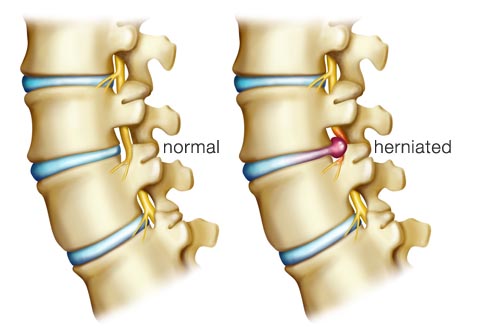
In the past, we’ve found multiple patent proposals on how it would be possible to restore the lost height people have after suffering something like a bulging disc or herniated or had their discs crushed by the amount of mass that on the upper torso of the body. We all know that over time, as people get older, they usually loss height. Having any type of medical condition which affects the back (or more specifically the lower back like the L4-L5 region) can make the height lost much greater.

I personally have read a few forum threads around the internet where people loss even upwards of 1.5-2 inches after developing a serious back problem like kyphosis, which is hunched back. Of course, it could be even worse than just 2 inches.

If their is a medical cause making the person loss height from disc degeneration, there are now multiple ways to treat that and restore height. I list the following articles and sources that the people who have messaged us have given us…

Source #1: New stem cell transplant holds promise for treatment of degenerative disc disease

Senior author, Wenchun Qu, MD, PhD, of the Mayo Clinic in Rochester, Minnesota – stem cell therapy for disc degenerative disease might be a potentially effective treatment…. not only did disc height increase, but stem cell transplant also increased disc water content and improved appropriate gene expression…. prepare for translation of stem cell therapy for degenerative disc disease into clinical trials….The increase in disc height was due to restoration in the transplant group of the nucleus pulposus structure, which refers to the jelly-like substance in the disc, and an increased amount of water content, which is critical for the appropriate function of the disc as a cushion for the spinal column, the researchers concluded.

Source #2: Intervertebral disc regeneration in an ex vivo culture system using mesenchymal stem cells and platelet-rich plasma

Here are excerpts of the abstract which we just copy and pasted below….

An ex vivo degenerative intervertebral disc (IVD) organ culture system… a stem cell and growth factor-based therapeutic approach for the amelioration of IVD.

…different therapeutic regimens including: (1) mesenchymal stem cell derived from eGFP-transgenic porcine (MSC-GFP), (2) platelet-rich plasma (PRP) and (3) MSC-GFP/PRP combined treatment, and confirmed in in vivo animal model…. Col II and aggrecan were found upregulated and chondrogenic matrix deposition increased…

PRP that has been shown to promote nucleus pulposus (NP) regeneration also resulted in significant increased levels of mRNA involved in chondrogenesis and matrices accumulation…. repeated and supported by in vivo porcine degenerative system.

Moreover, the disc height index (DHI) was significantly increased in both in vivo MSC-GFP and PRP regeneration groups

Source #3: Molecular and genetic advances in the regeneration of the intervertebral disc

Rapid advances… have resulted in several promising methods to facilitate the translation of laboratory-based techniques to clinical disc regeneration…. Tissue engineering strategies that employ (1) biomimetic scaffold materials, (2) differentiation-driving bioactive molecules, and (3) multipotent cells to enhance disc regeneration are being developed at a rapid pace.

The paper was not one of those papers written to say something new, but to organize all the possible ways that the current medical community knows how to restore the discs. Here was a list of the ideas that tissue engineering researchers around the world have tried…

1st Approach:  Disc Regeneration Via Morphogens and Mitogens

  1. Delivery of exogenous proteins: Growth factors and cytokines
  2. Factors with biologic activity: Mitogens, morphogens, and intracellular mediators (ex. TGF-Beta1, TGF-Beta3, IGF-1, etc)
  3. Transforming growth factor beta superfamily; morphogens and biologic mediators of intravertebral disc development
  4. In-vitro (and In-Vivo) study of BMP-2 for IVD regeneration
  5. BMP-7 (aka OP-1) induces similar in vitro effects as BMP-2 in IVD cells
  6. In vitro and in vivo studies of BMP-14 (GDF-5)
  7. More work is needed to ascertain effects of lesser known bone morphogenetic proteins family members (like BMP-4 and BMP-13)

2nd Approach: Cell-Based Regenerative Strategies

  1. MCSs
  2. MCSs from bone marrow which can differentiate into nucleus pulposus like phenotype
  3. In vivo experimentation demonstrates the promise of marrow-derived mesenchymal stem cells
  4. Multiple niches of mesenchymal stem cells display regenerative properties

3rd Approach: Intervertebral Disc-Derived Cells

  1. Cells derived from intervertebral disc… rejuvenate endogenous cells
  2. Notochordal cells

4th Approach: Advances in Gene Therapy and Delivery

  1. Altering genotype of cell population, transcription/translation sustains protein synthesis
  2. Direct in vivo gene therapy: Direct administration of infecting agent(s) to host
  3. Adenoviral vectors expressing numerous bone morphogenetic proteins
  4. Sox9 gene delivery in human IVD cells
  5. Primary human IVD cells respond favorably to adenoviral infection with growth factors
  6. Treatment of IVD cells with lim mineralization protein-1 causes increased production of proteoglycans both in vitro and in vivo

5th Approach: Multi-Faceted Approaches to Disc Regeneration

  1. In vivo performance of cell-seeded scaffolds

6th Approach: Hydrogel-Based Scaffolds: A Promising Method for Nucleus Regeneration

  1. In vivo growth factor delivery from scaffolds

7th Approach: Enhancing Disc Regeneration by Slowing The Degenerative Process

  1. Proteinase inhibitors utilized in gene therapy-based approaches
  2. Statins act as intracellular inhibitors of MMP production and enhance BMP-2 mRNA expression
  3. Lactoferricin causes increased PG accumulation and downregulated catabolic processes
  4. TNFα-stimulated gene product TSG-6 with inter-α-inhibitor downregulate MMP activation
  5. Etanercept is an approved TNF-α inhibitor
  6. The oral administration of CPA-926 an esculetin prodrug

Source #3: Duke Bioengineers Develop New Approach to Regenerate Back Discs

In a proof-of-concept study published online in the journal Biomaterials… a new biomaterial designed to deliver a booster shot of reparative cells to the nucleus pulposus, or NP — the jelly-like cushion naturally found between spinal discs. The NP tissue distributes pressure and provides spine mobility, helping to relieve back pain.

  • Primary Goal: “Our primary goal was to create a material that would be liquid at the start, gel after injection in the disc space and keep the cells in the location where they’re needed,”
  • Secondary Goal: “Our second goal was to create a material that would provide the delivered cells with the environmental cues to promote their persistence and biosynthesis.”

The most common types of problems: …re-implanting NP cells, or even stem cells, can delay disc degeneration. Several companies already offer cell delivery strategies, but the methods are poor and ineffective. (using the currently available cellular delivery strategies, 100 percent of the injected NP cells leak out of an IVD site within three to four days after injection. “They allow the cells to quickly migrate out of and away from the injection site,” Francisco said.

The Duke team’s delivery strategy keeps the cells in place and provides cues that mimic laminin, a protein in native nucleus pulposus tissue. Laminin is normally found in juvenile but not degenerated discs and allows injected cells to attach and remain in place with the delivered biomaterial. Laminin may also enable the cells to survive longer and produce more of the appropriate extracellular matrix or structural underpinning of the discs that help stop degeneration, Setton said.

The researchers… developed a gel mix designed to reintroduce NP cells to the intervertebral disc (IVD) site. The gel mixes together three components:

  1. the protein laminin-111 that has been chemically modified
  2. two polyethylene glycol (PEG) hydrogels that can attach to the modified laminin.

Separately, these substances remain in a liquid state. The gel, however, holds the cells in place upon injection.

What they did: ….injected the gel into rats’ tails… puncturing the tail’s thin outer layer, they held the needle in place for one minute, delivered the injection to the rat’s IVD site, and closed the injection spot. The solution began to solidify after five minutes and was completely set at 20 minutes.

The Result: …more than 14 days after injection significantly more cells remained in place when delivered within the biomaterial carrier compared to cells delivered in a liquid suspension.

“The concept is that these cells will be promoted to produce matrix that can support tissue regeneration or arrest degeneration,” Setton said….

The exact study that the article above refers to is Injectable laminin-functionalized hydrogel for nucleus pulposus regeneration.

Source #4: NOVOCART® DISC

is a high-quality autologous cell compound in an innovative hydrogel for the biological reconstruction of partially damaged discs following disc prolapse

Biological disc reconstruction

…biological reconstruction of partially damaged disc tissue before massive degeneration… transplantation of in vitro cultivated chondrocytes from autologous disc tissue,or ADCT (Autologous Disc Cell Transplantation).

ADCT is comparable to joint ACT (Autologous Chondrocyte Transplantation)… In both cases, isolated from the biopsy material, the cultivated cartilage cells induced the desired reconstruction.

One further special feature…is the hydrogel used, which fixes the cells in the damaged disc… also anti-inflammatory.

Description of ADCT with NOVOCART® DISC

Transplantation of the cultivated disc cells can take place three months after extraction by way of operation of the prolapsed disc. The relatively long period between tissue extraction and cell transplantation must be adhered to, to ensure that the protective fiber ring (annulus fibrosus) is fully healed following the intervention.

So what do these 4 sources which was sent to us suggest?

We know that there are at least 2 different research teams at universities which are doing research to figure out how to restore the function and shape of IVDs after they have suffered through discs degeneration, whether due to just normal old age or some type of degenerative disease.

Since these teams are able using whatever technique to restore the shape of the IVD, they have also increased the thickness, which translates to mean that the person regained lost height.

Whether it is a scaffold implant, or cells like MSCs, or growth factors, the discs can be saved and given new life.

The first point is this – We now have multiple options on how to restore lost height from the collapse of the IVDs.

However, can we do anything if the discs are healthy and we want to increase our height?

I suspect that for most people, we are not fully maximized on how tall we can be. The majority of people would be able to gain upwards of even 1.25 inches in extra height, if we can correct our posture, and then our IVD structural integrity. If we wanted to, we could use these developing technologies to make sure that our nucleus pulposus matrix is strong and rich in the right collagen material.

However, there are a small group of people who have the discs already full. Maybe we are 18-20, with a completely healthy body but our only problem is that we suffer from familial short stature. For these people, who have already done all the stretching, the disc decompressions, and maybe tried even certain traction machines, I would suggest that we would no longer focus on the discs, but to focus on the material next to the discs.

However, the problem is probably going to have more to do with medical ethics than a technical problem. Most doctors would never agree to sticky a needle into the spinal area of a healthy young adult. There is a great fear that a needle stuck in the wrong area would cause a disc to become punctured or even slight paralysis.

In a rather old post I did, it was shown that for young adults, around the 17-23 range, many of them have a very thin layer of articular cartilage that does run between the bone tissue of the vertebrate bone and the nucleus pulposus of the discs. That layer of cartilage however is so thin that it is very hard to see. It was guessed that the layer is most likely about 1-2 mm thick. However, we can work with that.

If might be possible to stimulate that layer of articular cartilage to go through hypertrophy using a small injection of IGF-1 directly into the cartilage tissue. We know that a local injection of IGF-1 into the bone layer under the periosteum would increase the rate of long bone longitudinal growth, as we had revealed in a previous post “Increase Height And Grow Taller Using Local Subperiosteal Injection Of Growth Factors IGF-1 And TGF-Beta Percutaneously” as long as the epiphyseal growth plate cartilage was intact.

Since the young adult who wants to grow taller, but has full discs, still has maybe 1-2 milimeter of cartilage in every connecting segment between the discs and the vertebrate bone, it should be reasonable to inject the IGF-1 (or TGF-Beta) locally next to the layer of thin articular cartilage. Since there is 33 vertebrate bones in the human skeletal system, we probably have 20 or so thin layer of cartilage we can try to stimulate using small needles.

If we can use an X-ray to double check the location of the needle injections, to make sure that we don’t puncture a disc or hit a nerve ending, it could work. The hypertrophic effect of injections of the growth factor into 20 of these thin layers can add up to maybe 2-3 extra inches, but that is a very wildly optimistic situation.
Why Chiropractor Jean Pierre Meersseman Of Milan Lab Could Help Their Clients Increase In Height

Why Chiropractor Jean Pierre Meersseman Of Milan Lab Could Help Their Clients Increase In Height

Jean Pierre MeerssemanI enjoy reading Mark Cuban’s posts on his thoughts at Blog Maverick and there was one post he wrote back in 2013 where he said that one of the best biological investments a person can give their kids and turn their kids into superhuman was to save the blood that is inside the umbilical cord, which is known as cord blood. One of the commenters noted that Mark should check out some of the really interesting physical therapy techniques and methods being practiced by this physical therapy consulting company called Milan Lab.

We looked on the Milan Lab website. They describe themselves as “AC Milan’s high tech interdisciplinary scientific research centre.” The goal of the research center has been to use whatever means necessary from whatever scientific field and branch to find ways to make soccer players healthier, stronger, and recover from injury faster.

The fact that in the first sentence on the description on the website the word “interdisciplinary” is used suggest that the people who run the consulting and/or research center does whatever is necessary to help out the players in AC Milan. The founder, Jean Pierre Meersseman seems to be someone who only focuses on results and the end result. His willingness to try out and combine any field of biomedical research together to find a way to help out the players shows that he probably has done extensive research, and searched through all the resources that are available to find esoteric ideas and fringe concepts to incorporate into his system.

We quote the following from the article “Milan lab man brings unorthodox science to Premier League” below…

“…doing the unusual with the unorthodox, combining his specialisms of kinesiology and chiropractic with traditional approaches. Still the question needs to be asked: what would the sceptics make of how he treated Seedorf?…    It’s not accepted in evidence-based medicine but I don’t give a damn about that,” he says, genially but firmly. “I’ve seen it work. We’ve done over one million tests at Milan. And our mathematicians and engineers have developed a formula which has a high success rate of predicting and managing injuries.”

This guy is bringing on people from fields that traditionally have no relationship with biology or medicine, engineering and mathematics to figure out how to measure and quantify sports injuries and how the body works.

Many people have been wondering this “What is this guy, Jean Pierre Meerseeman’s secret sauce?

Obviously Jean would not tell anyone what it is. My guess is that he spent maybe half a decade or more reading over as many scientific journals, sports medicine journals, academic journals, pubmed studies, and read old soviet olympic medalist trainer’s notes which the average physical therapist does not do. His willingness to look over the obscure and unique probably means that he has discovered, and made a derivative of, some some old, unknown method which was developed unknown researchers before him.

There was a rather well known YouTube video (available here) which shows the football player Terrell Owens ask Kobe Bryant about his recent visit to the Los Angeles physical therapist and his use of a technique known as Platelet-Rich Plasma Therapy (PRP Therapy) to repair the articular cartilage in his knees. (Kobe was being interviewed for almost a full hour by Jimmy Kimmel for Up Close) Bryant apparently flew to Germany and had the PRP Therapy done twice and his knees seemed to be much better. The name that Kobe mentioned was a neuromuscular physical therapist named Barrence Baytos and this guy was some type of genius in his profession.

There are people like Baytos and Meersseman who are supposed to be in the area of sports medicine or physical therapy and injury rehabilition treatment who probably know unique tricks and ways to get the human body to perform in optimum functino that even doctors trained in the best medical schools and orthopedic residency and fellowships are not aware of.

If I was a betting man, I would guess that Jean Pierre Meersseman and similar physical therapist know rolfing, feldenkrais method, the alexander method, and physical therapy well enough to actually help people who desired to become taller, in a more permanent way than any normal chiropractor or physical therapist would be able to. Their years of research into obscure studies and ideas probably lets them understand the mechanics and ability of the human body very well.

If there is anyone in the world who would be able to help a professional athlete increase their height, it would be most likely Jean Pierre from the AC Milan Lab since he has dozens of specialists which act as consultant. They do dozens of test on every single part of the body and try figure out how the individual parts of the body work together. If any guy can perform a miracle, this guy probably can.

Breakthrough: How Mechanical Loads incourage zone of ranvier and growth plate formation

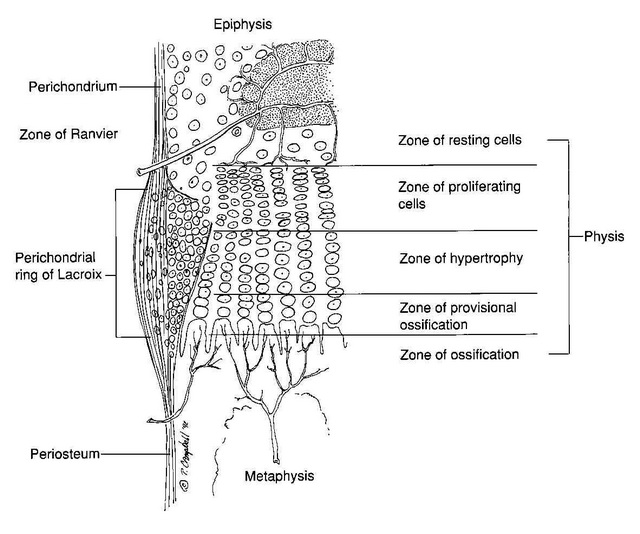
Here’s a diagram showing the zone of Ranvier in relation to the growth plate:

zone of ranvier

If we know what stresses are responsible for forming growth plates we can re-induce these mechanical stresses to form new growth plates.

This study would be more significant except it was published in 1988 before the scientific community began to focus more on genes and cellular epigenetics.  Just because the highly undifferentiated cells of a juvenile or infant may be induced to differentiate into the cells composing the Zone of Ranvier and in turn the growth plate does not mean that adult mesenchymal stem cells will do the same thing.

And I think going back to these old studies is a good thing as they focued more on mechanical factors rather than retrovirus genetic engineering.

One study found that interstitial fluid flow upregulates the mesenchymal condensation gene Msx2 but downregulates the chondrogenic gene Col2a1.  This is not necessarily a bad thing as mesenchymal condensation in a neo-Zone of Ranvier would be key to forming new growth plates and those genes would not be chondrogenic until they became a growth plate.  In fact in this study the Zone of Ranvier experienced more osteogenic than chondrogenic stimuli so it would be no surprise that a mesenchymal stem cell that may eventually become a growth plate chondrocyte may not express chondrogenic genes initially.

This study provides additional evidence for LSJL as LSJL compresses the bone and the joint thus altering the “Loading history” of the bone and joint.  Since the shear strain, caused by LSJL fluid flow, needs to be high this could explain why I’m getting more results for my fingers than my legs.

The role of mechanical loading histories in the development of diarthrodial joints.

“The role of mechanical loading history in chondroosseous development at the ends of long bones is explored using two-dimensional finite element models of chondroepiphyses. Loading histories are characterized in terms of discrete loading cases defined by joint contact pressure distributions and an associated number of loading cycles. An osteogenic stimulus throughout the chondroepiphyses is calculated following the theory that cyclic octahedral shear stresses promote endochondral ossification and cyclic compressive dilatational stresses inhibit ossification{Octahedral stresses are shear stresses that are acting on octahedral planes inside the bone.  The plane whose normal vector forms equal angles with the coordinate system is called octahedral plane.  But basically shear stress which is what LSJL can induce. A compressive dilational stress is the increase in volume per unit volume of a homogeneous substance.  So for example if you squeezed a stress ball and it got bigger}. The resulting distributions for the osteogenic stimulus predict the appearance of the secondary ossific nucleus and the shape of the developing bony epiphysis. The zone of Ranvier and the formation of articular cartilage and the growth plate are predicted by the models{Considering that the zone of Ranvier is the basis of the growth plate this is key}. Tissue stress histories constitute an important influence during skeletal morphogenesis {And we can expose the tissue to different stresses ala LSJL}.”

“Alterations in joint loading or motion can alter the pattern of ossification and growth in developing bone ends, and a reduction in joint forces can delay the appearance of the secondary ossific nuclei”

“The sequence of cartilage proliferation, maturation, degeneration, and ossification is the normal process for all cartilage in the appendicular skeleton. This process is (a) accelerated by intermittently applied deviatoric (shear) stresses (or strain energy) and (b) inhibited or prevented by intermittently applied compressive dilatational stresses (hydrostatic pressure).”

“The appearance of the secondary ossific nuclei in both chondroepiphyses was predicted. Increased osteogenic stimuli were also calculated at the edge of the advancing ossification front where the zone of Ranvier (ossification groove) forms. The areas where the osteogenic stimuli were low define those cartilaginous regions that become the growth plate and the articular cartilage.”

“the ossific nucleus appears in an area of high shear (deviatoric) stresses the edge of the advancing ossification front (zone of Ranvier or ossification groove) also experiences high shear stresses, and the joint surface, where articular cartilage forms, is exposed to high-magnitude hydrostatic compression”<-Since the zone of Ranvier is the key forming new growth plates, inducing high shear stress would be key to forming new growth plates and LSJL can induce shear stress via interstitial fluid flow.  According to the study Interstitial fluid flow: the mechanical environment of cells and foundation of meridians., interstitial fluid flow induces shear stresses.  Here’s Michael’s summary of LSJL.

In both the convex and the concave chondroepiphysis, a state of high hydrostatic pressure is created directly beneath the loaded contact surface. In the interior regions of both chondroepiphyses, areas of high-magnitude octahedral shear stress are created. The location of these areas within the central zone of the chondroepiphyses shifts with the direction of the applied loading”<-If we mimic this state we can achieve chondroinduction.

“the shape of the developing bony epiphysis will depend on the geometry of the bone end. In the model with a convex joint surface, the developing ossific nucleus is stimulated to produce a sphere-shaped bony epiphysis.  The model with a concave joint surface is stimulated to create a flatter, more disc-shaped bony epiphysis.”

“The stored energy in cartilage under mechanical loading is primarily in the form of deviatoric or shear energy owing to the nearly incompressible nature of this tissue. Some of this stored deviatoric energy is lost in hysteresis upon unloading. The energy dissipated during intermittent mechanical loading must be accounted for by a change in internal energy and/or a change in the temperature of the cartilage. It is possible that the direct mechanical alteration of cells or the increased temperature associated with energy dissipation caused by intermittent shear stresses could increase mitotic activity or activate specific biochemical pathways in the cells”

Here’s another study with some information on the Zone of Ranvier:

Stem Cells and Cartilage Development: Complexities of a Simple Tissue

“[The] biochemical composition [of cartilage] is uniquely suited to providing a combination of tensile strength with deformability, giving it mechanical properties that resemble those of a shock absorber, thereby dissipating forces across the bones, preventing them from fracturing during normal activity.”

“The balance between mechanical stiffness and flexibility is itself the result of interaction between the thin type II collagen fibrils, giving tensile strength, within which are trapped molecules of aggrecan, which are highly negatively charged and so bind water avidly”

“When unloaded, the water content of cartilage is about 70% of the wet weight. Under deforming load water flows out and when the load is reduced it flows back in, damping the effects of these forces. Damage to either the type II collagen or aggrecan may lead to loss of cartilage function”<-Maybe when LSJL loads the cartilage it results in water flowing out and possibly other nutrients and maybe even growth factors that can result in neo-growth plates.

“During cartilage development [cartilage transforms] from a relatively simple isotropic tissue with a high cell density and homogeneous distribution of collagen fibrils to an anisotropic tissue with a low density of chondrocytes growing in vertical columns and a unique arrangement of collagen fibrils.”

Articular cartilage chondroprogenitor cells are derived from migration of mesenchymal cells out of the zone of Ranvier niche.  In early development these cells may accumulate in the surface zone and drive the process of appositional growth of cartilage but with maturity they become dissipated throughout the cartilage.”<-So maybe LSJL can drive these cells back into the zone of ranvier?

Growth Of Ear Cartilage On Mice Using Biodegradable Porous Scaffolds By Dr. Charles Vacanti

Growth Of Ear Cartilage On Mice Using Biodegradable Porous Scaffolds By Dr. Charles Vacanti

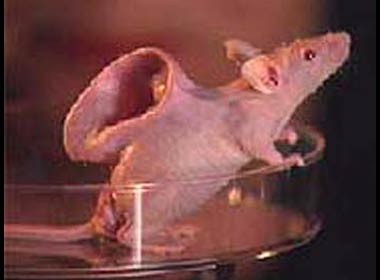
Biodegradable Porous ScaffoldsSomething that I have been getting into in recent months have been to watch the new TV shows that have come out depicting the fictional literary figure Sherlock Holmes. It has been a great experience comparing the two shows, Elementary and Sherlock, to see how well Sherlock Holmes is portrayed on TV. On the recent episode of Elementary, (Season 2 Episode 17 “Ears to You”) the final conclusion made by Holmes was that the former wife who disappeared managed to grow her a new set of her own ears on her back and have the ears cut off by her new plastic surgeon husband to send to her old husband for ransom money (If you haven’t already seen the show, sorry about the spoiler).

I didn’t focus too much on the show except the part in the end when Holmes mentions this most unique of research done by a certain Dr. Charles Vacanti where he managed to regrow almost a human sized ear on the backs of lab mice. That reminded me of this article I found which showed that a 3-dimensional growth plate like material was formed through. Based on what I’ve read about how the process is done, the steps are the following….

  1. Find the raw material to make the scaffold. Often the scaffold is made from alginates and/or hydrogel. The scaffold is known by other names as well, like synthetic biodegradable polymer substrates.
  2. Get the biodegradable porous scaffold molded/buffed/grinded into the shape and size that you want.
  3. Implant some chondrocytes and/or the MSCs into the scaffolds thoroully so that the entire scaffold is loaded in all the porous holes with the cells.
  4. Implant with the cells (whether chondrocyte, osteoblasts, or MSCs) some type of growth factor, like a peptide.amino acid/unique protein type, BMP (2, 6, 7, and/or 9), GDF (5 or 9), or TGF-Beta (1,2, and/or 3)
  5. Place the scaffold with the cells and growth factor into the space/position/cavity in the area of the body as you desire.
  6. Over time, while the scaffold dissolves and gets absorbed by the body, the cells multiply and take over, turning into the type of tissue that is usually made by the excretion/waste of the cells.

In the case of the lab rats, the cartilage formed from the chondrocytes embedded led to the formation of the ears, which are fibrocartilage in nature. For this particular experiment, the ear lobes were not functional, since there was no inner ear canal, there was no connection of the cartilage to the nerve cells in the periphery, and there was probably very little vascularization into the fibrocartilage. Those the the technical difficulties that Vacanti experienced. However, the idea is definitely interesting and I think those technical difficulties will be easily removed with some slight alterations in the overall tissue engineering process.

However the proof of concept and ideas is valid. That is what excited me. That was also why I started to google the term “biodegradable scaffold cartilage” into Google and Google Scholar and Google Patent to see what turns up. It is most likely that I will be more focused on disecting whatever unique patents and studies I find from this specific search term into Google.

I am almost positive that within 6 months to 1 year, at least I will no longer be writing non-scientific posts. I want to focus exclusively on looking at tissue engineering, tissue regeneration, and stem cell differentiation and stimulations exclusively. That is the area which I think has the most potential.


Increased Neural Tissue Thickness And Neuron Density Increase Bone Longitudinal Growth Rate In Childhood

Increased Neural Tissue Thickness And Neuron Density Increase Bone Longitudinal Growth Rate In Childhood

Neural Tissue ThicknessThere has been this theory/hypothesis which has emerged from some recent readings I’ve done which suggest that the critical factor that defines how fast a child grows is related to how high is the neuronal density in their bodies when they were being developed prenatally and while they were going through the infant years.

In Robert Becker’s book The Body Electric, he tested the ability to regenerate a part of a body that had been cut off on many different types of lab animals. Obviously Becker and his research team did not test it on humans, monkeys, pigs, or dogs since these guys are large sized complex mammals and there has not been any results showing that a large mammal can regrow an arm. What they did test it on were on smaller animals, some of them reptiles, others amphibians, and other small animals. His most famous comparison was being the salamanders, the lizards, and the frogs. It was the salamander which was considered the best animal to test it on since it was considered the most complex animal to have a high level of regenerative ability.

After maybe 5-10 years of experimentation, his results showed that one of the key reasons why larger animals, even as large as say a lab rat, can not regenerate is because the density of the neurons and the thickness of the neural tissue bundles was too low compared the overall amount of body mass.

There was a critical threshold in the Neural Tissue/Overall Body Mass of an animal. If the animal had a ratio that was higher, then there was enough tissue thickness and neuron density to allow for limb regeneration. If the neural tissue/overall body mass ratio was less, then it was not possible.

It was shown in one study that if a person tested the potential and polarity of a flathead worm, and then put battery wires which would give the overall flathead worm body an opposite polarity but strong potential, the head of the flatworm would actually pop out onto the opposite side, and original head would pop into the body.

This is why and how I came up with this idea that if might be that some people are genetically born to become taller than their peers because during embryo development, and right after they were born, there was much more neuronal tissue in their body than other people. They had slightly larger brains, and a thicker spinal cord. They just had more neuronal density and tissue mass per mass than other young infants and kids growing up.

This lead to a better electrical connection between all the areas of the body. That result is that while they were still young and going through the growth period, their bones would grow longer and bigger at a faster rate.

{It should be noted that LSJL upregulates some genes associated with neurons like serotonin receptorsBDNF affects the differentiation of growth plate chondrocytes.  BDNF stands for Brain-Derived Neutrophic factor.  BNDF deletion led to increased longitudinal bone growth.  Neuronal CaSR’s(calcium sensory receptor) regulate skeletal development.  Mice that had neurons without CaSR were shorter.  So increased height could be due to the increased amount of CaSR receptors and we know that calcium as a role in longitudinal bone growth as well as calcium being involved in almost all cell differentiation-Tyler}

Review On Ellis Toussier Bigio and His Anti-Aging and Grow Taller Therapy Using HGH at www.rajeun.net

Review On Ellis Toussier Bigio and His Anti-Aging and Grow Taller Therapy Using HGH at www.rajeun.net

I’ve only become aware of Mr. Toussier just today after someone sent a message to the email of the website referring to Ellis Toussier Bigio’s work. He apparently read my recent post about this compound called Alpha HTC which is a type of real HGH which is used on small children to increase the level of GH in their blood. The intended effect is to make sure the children grow within the range of acceptable height or to correct for whatever types of morphological manifestation due to GH deficiency.

Ellis Toussier BigioWe googled his name and found his Mexican LinkedIn Account. Just click on the picture to the right and you can see what he has listed as his occupation in the last decade or so.

It seems that this guy operates from Mexico and has been running a type of consulting service for growth hormone therapy for many years. From what he lists on his profile, for over 15 years now he has been able to get his hands on what is supposed to be real synthetic human recombinant growth hormones and practice injecting them for whatever health benefits he or his clients desire.

His website is at www.rajeun.net. We took a quick look through the website. It seems that the website overall has not been updated in a long time and looks like something that was built 5-10 years ago. It has a very simple look with many testimonial stories to the therapy this guy provides.

Based on what we know of HGH, it does have some very unique and magical properties. The famous Peak Performance Coach Anthony Robbins who had a benign pituitary tumor in his brain causing him to increase in height from around 5′ 2″ as a 13 or 15 year old to a 6′ 7″ height as an adult attributes his height increase to the tumor. This was revealed in a interview Tony Robbins did with Charlie Rose back in 2000 (Interview on Youtube available Here). In addition, Robbins reveals that besides just the height, the excess GH seems to also have the benefit of making a person feel younger, have more energy, loss fat easier and develop leaner muscle. I’ve personally read over his 1st major book “Unlimited Power” and do remember a small section in the book where he talks about this most miraculous of peptides/proteins.

Most of the time when people think of professional and college athletes who use performance enhancing drugs, they usually picture in their minds some type of testosterone derivative or analogue. However, what many people forget is that another type of performance enhancing drug which probably has a even greater effect is rhGH (Human recombinant growth hormone). This hormone that is naturally produced in the human body in small doses by the pituitary gland is one of the main compounds that endocrinologists have found which play a pivotal role in the way that the human hormonal/endocrine system has on physical growth. After the bones reach full maturity, they might not be getting any longer, but the rhGH seems to somehow make the bones wider/thicker though.

So is he real & telling the truth or some type of liar trying to scam people out of their money?

From what we have seen on his website, he never claims anything that most clinical researchers have shown to be impossible. Everything he claims can theoretically be true.

Note: He only talks about how his HGH therapy can help young kids grow taller, not adults. That is true. We showed that you can use a IGF-1 & TGF-Beta Combo injections to do the same thing (Read the post “Increase Height And Grow Taller Using Local Subperiosteal Injection Of Growth Factors IGF-1 And TGF-Beta Percutaneously.”) You don’t absolutely need the GH but something else that has similar effects, like most of the subelements found in the BMP family (like BMP-7 aka OP-1) or some of the sub-elements in the TGF-Beta superfamily.

The particular webpage which talks about using HGH to grow taller has a section which shows that he responded to a person who tried to show that he was wrong due to diurnal variations of the vertebrate disc height. Ellis seems to understand that physiological phenomena completely and took that into consideration.

Ellis would respond to someone who claimed that what he did was impossible due to the limiting capacity of the chondrocytes from the proliferation layer to multiply. While this other person probably has read hundreds of PubMed studies just like us and understands the theory of chondrocytes, proliferations, resting zones, etc., they probably have never gotten a chance to play around with real GH injections either. Ellis response has been always that while the person can talk as much as possible about the theory of chondrocyte and mesenchymal stem cell origins all they want, they have never touched or used the stuff in real life or had any type of practical experience. He has seen the effect himself and knows from hands-on experience that the injection do work. That is something which we lack as well, which I plan to correct in the coming years.

The claim that Ellis has ben able to help kids up to the ages of 18-20 to grow taller by a few inches we claim is completely possible. The reason that it is possible is because of the way that radiologists & endocrinologist check that the growth plates are fused is by looking at X-Rays of the hands. While the hand X-rays may give some indicating of the level of bone maturity, it doesn’t state the fact that different growth plates in different areas of the body close as different ages and times of development. Whereas the cartilage in the legs may ossify between the ages of 17-19, the cartilage in the area where the intervertebral discs and vertebrate bones touch don’t go away until 21-23, and most especially in males. If a young male who has NOT developed all of his secondary sexual characteristics like excess leg hair and is still very thin, and he is between the ages of 18-20, the HGH injections could still work to get him another 1-2 inches.

The way that I (Michael) personally view this Ellis Toussier Bigio guy is that while he may have some claims which seems a little too large to believe for some people, I don’t think that he lies about those things. He is boastful and has a slightly large perceived image of himself. He acknowledges that part. I don’t believe that he adds the label of “liar” or “truth reframer” to his identity. The fact that he is willing to create a rather lengthy and detailed LinkedIn profile about what he does shows that he is not trying to hide something, but really does believe in what he is doing. Most people who don’t believe in their product or the cause of their job don’t list it on their resume or their LinkedIn profile so blatantly, which is a very professional website. They would not put that type of information up on the internet, which is to protect their identity, privacy, and keep themselves anonymous. They have something to hide, which means they are most likely to be lying about something. His profile shows that he is trying to be transparent in what he does and shows it off. That suggests that he is most likely not completely lying about his therapy.

What he listed as his education shows that he got a BA in the liberal arts, not the sciences or engineering. His education in studying business and his past work as some type of insurance broker shows that his career took a turn around 20-30 years ago. We suspect that his change to becoming a guy who sells HGH therapy was something that he stumbled upon by accident.

This guy states over and over again that he is NOT a doctor and that he isn’t allowed to  (and also doesn’t) give any type of medical advice. He acts as a type of consultant which means that if something goes wrong due to any party taking his advice and it turns that that the result was very bad, he is not really held legally responsible.

We are actually not that worried about him injecting HGH into children, since the growth hormone is relatively safe.

What we are however worried about is whether the GH he gives is really GH. I would like to ask Mr. Bigio where does he get his HGH from. Is there some type of biochemical manufacturing factory based in some rural town in Mexico that he found which he gets HGH raw materials from?

We had said in a old post that it was maybe 40 ago when Genentech or Eli Lilly became the first company to either isolate or synthetically make the human growth hormone compound. After the first company figured out how to make the compound, the process was refined and developed to make derivatives of the original type of GH, creating types like Humatrope and Nutropin (Refer to the history of Genentech Here). Since then, the factories to make whatever chemical or biochemical compounds have mostly moved out of the USA and the other developed countries to places like China, the Philippines, Bangladesh, Pakistan, and certain countries in Central and Southern America. It is possible that this Ellis Toussier Bigio has been able to live and base his consulting business from Mexico for the last 10-20 years because he has found some supplier or distributor in Mexico or knows someone working in the stream process of making the GH who gets him the real material for his tests.

I suspect that he has been doing this for at least a decade now and ha developed some sort of reputation among people who are in the underground medical community who work with HGH extensively. All I want to make sure is that the GH he is injecting into young kids is actually real GH, and not something that is altered, diluted, or contaminated.