Author Archives: Senior Researcher

Increase Height And Grow Taller Using the Feldenkrais Method

One of the first methods and techniques I discovered when I first started doing research to see how one can increase their height and grow taller was the Alexander Technique. I have written two posts about the feasibility, effectiveness, and theory of how the Alexander Technique works in increasing height found HERE and HERE.

When one starts learning about the Alexander Technique, one is bound to also learn about the Feldenkrais method. They are similar in their ultimate goal, which is to help elevate pain, reduce certain pathological conditions, and improvement movement and posture in the individual. First we learn what exactly is the Feldenkrais Method.

Using a very unscientific approach, let’s just see what Wikipedia says about it. You can find the original article link HERE. Again I will copy and post a few of the main points about the method below


The Feldenkrais Method – often referred to simply as “Feldenkrais” – is a somatic educational system designed by Moshé Feldenkrais (1904–1984).

Feldenkrais aims to reduce pain or limitations in movement, to improve physical function, and to promote general wellbeing by increasing students’ awareness of themselves and by expanding students’ movement repertoire.

Feldenkrais is used to improve habitual and repetitive movement patterns rather than to treat specific injuries or illnesses. However, because habitual and repetitive movement patterns can contribute towards and in some cases cause injury, pain, and physical dysfunction, the method is often regarded as falling within the field of integrative medicine or complementary medicine.

Approach

Feldenkrais believed that health is founded on good function. He asserted that his method of body/mind exploration improved functioning (health) by making individuals more aware: “What I am after is more flexible minds, not just more flexible bodies”…. Feldenkrais’ approach was essentially experiential, grounded in tools of self-discovery and movement enquiry.

Techniques

Functional Integration (FI)

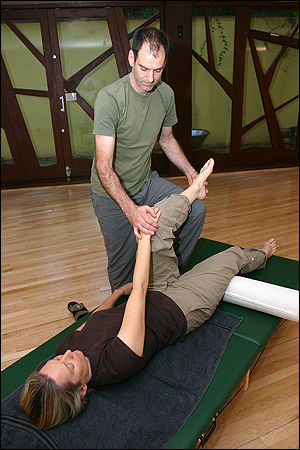
In a Functional Integration lesson, a trained practitioner uses his or her hands to guide the movement of a single client, who may be sitting, lying or standing (fully clothed). The practitioner uses this “hands-on” technique to help the student experience the connections among various parts of the body (with or without movement). Through precision of touch and movement, the client learns how to eliminate excess effort and thus move more freely and easily. Lessons may be specific in addressing particular issues brought by the client, or can be more global in scope. Although the technique does not specifically aim to eliminate pain or “cure” physical complaints, such issues may inform the lesson. Issues such as chronic muscle pain may resolve themselves as the client may learn a more relaxed approach to his or her physical experience—a more integrated, free, and easy way to move.

Awareness Through Movement (ATM)

In Awareness Through Movement classes, people engage in precisely structured movement explorations that involve thinking, sensing, moving, and imagining. Each lesson consists of comfortable, easy movements that gradually evolve into movements of greater range and complexity. Awareness Through Movement lessons attempt to make one aware of his/her habitual neuromuscular patterns and rigidities and to expand options for choosing new ways of moving while increasing sensitivity and improving efficiency. There are hundreds of Awareness Through Movement lessons contained in the Feldenkrais Method that vary, for all levels of movement ability, from simple in structure and physical demand to more difficult lessons. Feldenkrais taught that changes in our ability to move are inseparable from changes in our conscious perception of ourselves as embodied. He said that changes in the physical experience could be described as changes in our internal self image, which can be conceived as the mapping of the motor cortex to the body. (This relates to the body image theory that was developed by Penfield in the form of cortical homunculus.) Feldenkrais felt that activity in the motor cortex played a key role in proprioception (the sense of body position). He aimed to clarify and work therapeutically with this relationship, with instructions that involved both specific movement instructions and invitations to introspection.

Scientific studies

In 1999, a randomized controlled trial investigated whether physiotherapy or Feldenkrais interventions would reduce the complaints from neck and shoulder pain and disability….The Feldenkrais group showed significant decreases in complaints from neck and shoulders and in disability during leisure time. The two other groups showed no change in complaints (Physiotherapy group) or worsening of complaints (Control group).

According to Norman Doidge, current research on neuroplasticity, by scientists such as Doidge and Michael Merzenich, may support Feldenkrais’ key theories of somatic re-education.


On the main website (found HERE) that teaches the Feldenkrais method is this claim

“”The Feldenkrais Method is for anyone who wants to reconnect with their natural abilities to move, think and feel. Whether you want to be more comfortable sitting at your computer, playing with your children and grandchildren, or performing a favorite pastime, these gentle lessons can improve your overall well being.

Learning to move with less effort makes daily life easier. Because the Feldenkrais Method focuses on the relationship between movement and thought, increased mental awareness and creativity accompany physical improvements. Everyone, from athletes and artists to administrators and attorneys, can benefit from the Feldenkrais Method.

We improve our well being when we learn to fully use ourselves. Our intelligence depends upon the opportunity we take to experience and learn on our own. This self learning leads to full, dynamic living.””

In the FAQ section, these are the answers to the most frequently asked questions (found HERE). 

What is the Feldenkrais Method?

The Feldenkrais Method is named after its originator, Dr. Moshe Feldenkrais, D.Sc. (1904-1984) [about], a Russian born physicist, judo expert, mechanical engineer and educator.

The Feldenkrais Method is a form of somatic education that uses gentle movement and directed attention to improve movement and enhance human functioning. Through this Method, you can increase your ease and range of motion, improve your flexibility and coordination, and rediscover your innate capacity for graceful, efficient movement. These improvements will often generalize to enhance functioning in other aspects of your life.

The Feldenkrais Method is based on principles of physics, biomechanics and an empirical understanding of learning and human development. By expanding the self-image through movement sequences that bring attention to the parts of the self that are out of awareness, the Method enables you to include more of yourself in your functioning movements. Students become more aware of their habitual neuromuscular patterns and rigidities and expand options for new ways of moving. By increasing sensitivity the Feldenkrais Method assists you to live your life more fully, efficiently and comfortably.

The improvement of physical functioning is not necessarily an end in itself. Such improvement is based on developing a broader functional awareness which is often a gateway to more generalized enhancement of physical functioning in the context of your environment and life.

Who Benefits from the Feldenkrais Method?

Anyone—young or old, physically challenged or physically fit—can benefit from the Method. Feldenkrais is beneficial for those experiencing chronic or acute pain of the back, neck, shoulder, hip, legs or knee, as well as for healthy individuals who wish to enhance their self-image. The Method has been very helpful in dealing with central nervous system conditions such as multiple sclerosis, cerebral palsy, and stroke. Musicians, actors and artists can extend their abilities and enhance creativity. Many Seniors enjoy using it to retain or regain their ability to move without strain or discomfort.

Through lessons in this method you can enjoy greater ease of movement, an increased sense of vitality, and feelings of peaceful relaxation. After a session you often feel taller and lighter, breathe more freely and find that your discomforts have eased. You experience relaxation, and feel more centered and balanced.

Successful Students: here are examples of recent successes students have accomplished after work with the Feldenkrais Method:

  • a 42 year old computer programmer with incipient wrist problems is able to increase his speed on the keyboard after learning how to use his arms and hands more efficiently.
  • a 28 year old woman goes through her third pregnancy, but the first one without back pain.
  • a 55-year old woman is able to lift her affectionate 2 year old granddaughter without straining her back.
  • a 40-year old cellist becomes so creative in developing new, less strained positions to play in that she able to extend her musical repetoire.
  • a 9-year old with learning disabilites can read a full page competently and gains self-confidence in his intelligence.
  • a 19-year old diver is able to visualize and perform the complex series of movements needed to accomplish an intricate endeavor more proficiently.
  • a 78-year old man walks a mile daily, free of chronic knee pain he’s had for 30 years.
  • a 32-year old man learns to reuse his hands after a crippling auto accident.

Professional athletes who have enjoyed the benefits of Feldenkrais include basketball star Julius Erving and PGA golfers Rick Acton and Duffy Waldorf. Celebrities who have used Feldenkrais include Norman Cousins, Margaret Mead, former Israeli Prime Minister David Ben-Gurion, Helen Hayes and Whoopi Goldberg. Famous musicians include violinist Yehudi Menuhin, and cellist Yo Yo Ma.

What Happens in a Feldenkrais Method Session?

Feldenkrais work is done in two formats.

In group classes, called Awareness Through Movement, the Feldenkrais teacher verbally leads you through a sequence of movements in basic positions: sitting or lying on the floor, standing or sitting in a chair.

Private Feldenkrais lessons, called F unctional Integration, are tailored to each student’s individual learning needs; the teacher guides your movements through touch.

People learning the Feldenkrais Method are usually referred to as ‘students’ rather than clients or patients. This reinforces our view of the work as primarily being an educational process.

How Does the Feldenkrais Method Differ from Massage and Chiropractic?

The similarity is that both practices touch people, but beyond that our Method is very different. In massage, the practitioner is working directly with the muscles, in chiropractic, with the bones. These are structural approaches that seek to affect change through changes in structure (muscles and spine). The Feldenkrais Method works with your ability to regulate and coordinate your movement; which means working with the nervous system. We refer to this as a functional approach wherein you can improve your use of self inclusive of whatever structural considerations are present.

How are Feldenkrais Practitioners Trained?

All Feldenkrais practitioners must complete 740-800 hours of training over a 3 to 4 year period. Trainees participate in Awareness Through Movement and Functional Integration lessons, lectures, discussions, group process and videos of Dr. Feldenkrais teaching. Eventually students teach Awareness Through Movement and Functional Integration under supervision. Trainees gradually acquire knowledge of how movement and function are formed and organized. This extensive subjective experience forms the basis from which she/he will learn to work with others.

The main purpose of the training is for the trainees to acquire for themselves a deep understanding of movement and its formation, to become aware of their own movement, to become astute observers of movement in others, and to be able to teach other people to enlarge their awareness and movement skills.

The training process is based upon the vast body of knowledge Dr. Feldenkrais introduced. Since he integrated into his body of learning theory aspects from a variety of scientific fields such as Newtonian mechanics, physics, neurophysiology, movement development, biology and learning theories, we present some of these aspects in the training program for the trainee to comprehend the theoretical background of the method.


Me: What is clear is that the Feldenkrais Method is practiced and utilized by a minority group of people in society to solve many of their movement pathologies. When I looked through google to see how the feldenkrais method is used to increase height, that was a strong association with the two subjects. Apparently on one of the websites, there was even an unpublished Masters’ Degree thesis on the effect of the method on height (found HERE). There was even an entire book written about the effects on height from using the Feldenkrais Method which I found on Google Books (located HERE) titled “Changes in Height and Postural Stability Using the Feldenkrais Method” . The last resource I found which even talked about the idea of the method allowing for increases in height was found HERE. The PDF is long and I did not take the time to read or look over it to see what the results and conclusion were.

Overall, it turns out there are very few claims that the Feldenkrais Method can be used for the purpose of hieght increase. With this conclusion, I guess we end this topic by stating that the method is not recommended for the purpose of increasing height, but only improved movement, flexibility, and posture.

The Role Of Estrogen In The Height Growth Process

One of the most basic principles/ideas I learned about how the human body goes through the process at the end of puberty to close the growth plates was the influence of the hormone estrogen. Estrogen appears and again when I was doing research to see whether any type of steroids or growth hormones was being tried by others to help them increase height. Almost all of the other posters besides the original inquirer who asked about using steroids or growth hormones for height increase stated that height increase had become become impossible because estrogen caused the closure of the growth plates. This post was to study and research deeper into what the estrogen really does, how it does it, and how we might inhibit it or decrease its amounts to allow for a longer length of time for our growth plates to work and give us some extra height.

I choose again to just go to google and types in  “estrogen growth” and see what is available. Fortunately 3 scientific articles with titles signaled that there has already been a lot of research and experiments done to see the link of estrogen and bone formation and growth plates closure.

I will first take the abstract for each article and post it here. Then I will do a quick personal educated analysis on what was the most important takeaway we should get from the article.


Article 1: “Estrogens and growth”     

Authors: Simm PJ, Bajpai A, Russo VC, Werther GA.

Journal: Pediatr Endocrinol Rev. 2008 Sep;6(1):32-41.

Source : Department of Endocrinology and Diabetes, Royal Children’s Hospital Melbourne, Parkville, Australia. peter.simm@rch.org.au

Reference Link: US National Library Of Medicine. National Institute Of Health. Resource Link.

Abstract
Estrogen plays a key role in the regulation of growth in both genders, via its stimulation of the pubertal growth spurt and mediation of epiphyseal fusion. Mouse knockout models suggest a differential effect of oestrogen receptor (ER) alpha and beta on the growth plate, with ER beta possibly being more important in regulating epiphyseal fusion. Epiphyseal fusion may also depend on growth plate senescence, which is regulated by oestrogen. While molecular mechanisms for oestrogen’s actions remain unclear, local production of oestrogen may be important for growth. Aromatase inhibitors appear to be effective in improving final height outcome in short stature, however long term safety data is lacking particularly in regards to reproductive function. Future studies are required to further understand the mechanisms by which ER alpha and ER beta affect growth plate function, while longer term studies of aromatase inhibitor usage, preferably utilising animal models, are required to verify the safety of these compounds.
Me: We learn from the abstract of the first article that there are alpha and beta oestrogen receptors on the growth plate. with the beta type possibly being more important than the alpha ones when it comes to growth plate fusion. they state very clearly that the epiphyseal fusion may depend on the senescence of the growth plate which is also regulated by oestrogen. That just shows you how influential the oestrogen is. the last important thing mentioned is that if we use an aromatase inhibitor to stop the oestrogens influence, we can increasing the final heigh tof people of short stature. 

Article 2: “Effects of estrogen on growth plate senescence and epiphyseal fusion”
Authors: Martina Weise,* Stacy De-Levi, Kevin M. Barnes, Rachel I. Gafni, Veronica Abad, and Jeffrey Baron
Journal: Proc Natl Acad Sci U S A. 2001 June 5; 98(12): 6871–6876. Published online 2001 May 29. doi:  10.1073/pnas.121180498
Source:
Reference Link: US National Library Of Medicine. National Institute Of Health. Resource Link.
ABSTRACT

Estrogen is critical for epiphyseal fusion in both young men and women. In this study, we explored the cellular mechanisms by which estrogen causes this phenomenon. Juvenile ovariectomized female rabbits received either 70 μg/kg estradiol cypionate or vehicle i.m. once a week. Growth plates from the proximal tibia, distal tibia, and distal femur were analyzed after 2, 4, 6, or 8 weeks of treatment. In vehicle-treated animals, there was a gradual senescent decline in tibial growth rate, rate of chondrocyte proliferation, growth plate height, number of proliferative chondrocytes, number of hypertrophic chondrocytes, size of terminal hypertrophic chondrocytes, and column density. Estrogen treatment accelerated the senescent decline in all of these parameters. In senescent growth plates, epiphyseal fusion was observed to be an abrupt event in which all remaining chondrocytes were rapidly replaced by bone elements. Fusion occurred when the rate of chondrocyte proliferation approached zero. Estrogen caused this proliferative exhaustion and fusion to occur earlier. Our data suggest that (i) epiphyseal fusion is triggered when the proliferative potential of growth plate chondrocytes is exhausted; and (ii) estrogen does not induce growth plate ossification directly; instead, estrogen accelerates the programmed senescence of the growth plate, thus causing earlier proliferative exhaustion and consequently earlier fusion.

In mammals, longitudinal bone growth occurs at the growth plate by endochondral bone formation. The growth plate consists of three principal zones: resting, proliferative, and hypertrophic. The resting zone lies adjacent to the epiphyseal bone and contains infrequently dividing chondrocytes. The proliferative zone contains replicating chondrocytes arranged in columns parallel to the long axis of the bone. The proliferative chondrocytes located farthest from the resting zone stop replicating and enlarge to become hypertrophic chondrocytes (1). These terminally differentiated cells maintain a columnar alignment in the hypertrophic zone. The processes of chondrocyte proliferation, hypertrophy, and cartilage matrix secretion result in chondrogenesis. Simultaneously, the metaphyseal border of the growth plate is invaded by blood vessels and bone cell precursors that remodel the newly formed cartilage into bone (1). The synchronized processes of chondrogenesis and cartilage ossification lead to longitudinal bone growth.

With increasing age, the growth plate undergoes structural and functional changes. The rate of longitudinal bone growth decreases, in large part, because of a decline in chondrocyte proliferation (2–6). These functional senescent changes are accompanied by structural senescent changes. There is a gradual decline in the overall growth plate height (7), proliferative zone height (3), hypertrophic zone height (2), size of hypertrophic chondrocytes (2, 6, 8), and column density (9).

In some mammals, including humans, the growth plate is resorbed at the time of sexual maturation. This process, epiphyseal fusion, terminates longitudinal bone growth. Estrogen is pivotal for epiphyseal fusion in both young men and women (10). This key role for estrogen was confirmed only recently with the recognition of two genetic disorders, estrogen deficiency due to mutations in the aromatase gene (11) and estrogen resistance due to mutations in the estrogen receptor-α gene (12). In both conditions, the growth plate fails to fuse and growth persists into adulthood. Conversely, premature estrogen exposure, e.g., precocious puberty, leads to premature epiphyseal fusion (13).

The mechanism by which estrogen promotes epiphyseal fusion is not known. Previous reports suggest that estrogen accelerates growth plate ossification by stimulating vascular and bone cell invasion of the growth plate cartilage, causing ossification to advance beyond the hypertrophic zone into the proliferative and resting zones (14–16). This proposed mechanism of estrogen action would be expected to induce epiphyseal fusion promptly, a prediction that does not match clinical experience. Prompt fusion occurs only in estrogen-deficient adults treated with estrogen (10, 17, 18). In children, epiphyseal fusion occurs only after years of estrogen exposure. The accelerated ossification hypothesis does not readily explain this delayed action.

The current study was designed to explore the underlying cellular mechanisms by which estrogen causes growth plate fusion. Because this process involves chondrocytes, osteoblasts, osteoclasts, and endothelial cells interacting within the complex structure of the growth plate, an in vivo model was chosen. Rabbits were selected for this study because rabbits, like humans but unlike rodents, fuse their epiphyses at the time of sexual maturation and in response to sex steroids (19–21). We also used physiological doses of estradiol and initiated treatment at the expected age of onset of sexual maturation (22) to mimic physiological conditions.

Me: In my opinion, this abstract is critically important for anyone who is serious about doing scientific research to find a solution to stimulate increased height growth after one passes puberty and the growth plates are believed to have fused. I didn’t want to do a complete summary of the entire abstract but will instead choose to highlight the parts that are the most important for the reader to read and understand


Article 3: The role of estrogen in bone growth and formation: changes at pubertyAuthors: Divya Singh, Sabyasachi Sanyal, Naibedya Chattopadhyay

Journal: Cell Health and Cytoskeleton – Published Date December 2010 Volume 2011:3 Pages 1 – 12  DOI: http://dx.doi.org/10.2147/CHC.S8916

Source: Division of Endocrinology, 2Division of Drug Target Discovery and Development, Central Drug Research Institute (Council of Scientific and Industrial Research), Lucknow, Uttar Pradesh, India

Reference Link: Dovepress, Open Access to Scientific and Medical Research. Resource Link.

Abstract: A high peak bone mass (PBM) at skeletal maturity is a good predictor for lower rate of fracture risks in later life. Growth during puberty contributes significantly to PBM achievement in women and men. The growth hormone (GH)/insulin-like growth factor 1 (IGF-1) axis has a critical role in pubertal bone growth. There is an increase in GH and IGF-1 levels during puberty; thus, it is assumed that sex steroids contribute to higher GH/IGF-1 action during growth. Recent studies indicate that estrogen increases GH secretion in boys and girls, and the major effect of testosterone on GH secretion is via aromatization to estrogen. Estrogen is pivotal for epiphyseal fusion in young men and women. From studies of individuals with a mutated aromatase gene and a case study of male patient with defective estrogen receptor-alpha (ER-α), it is clear that estrogen is indispensable for normal pubertal growth and growth plate fusion. ER-α and estrogen receptor-beta (ER-β) have been localized in growth plate and bone. ER knockout studies have shown that ER-α-/- female mice have reduced linear appendicular growth, while ER-β-/- mice have increased appendicular growth. No such effect is seen in ER-β-/- males; however, repressed growth is seen in ER-α-/- males, resulting in shorter long bones. Thus, ER-β represses longitudinal bone growth in female mice, while it has no function in the regulation of longitudinal bone growth in male mice. These findings indicate that estrogen plays a critical role in skeletal physiology of males as well as females.

Me: It would appear that not only does estrogen seem to influence an regulate the fusion process of the growth plates, it is also the trigger that starts the increased longitudinal growth rate of bones when a human reaches the puberty stage. Estrogen increases growth hormone secretion in young men and women and the effect of testosterone on growth hormone secretion only happens after it aromatizes into estrogen. There are two types of estrogen receptors on the growth plates, alpha and beta. The alpha seems to be the receptor that tells the growth plates to speed up the senescence of the growth plates for females and males. The beta seems to be the receptor that tells the growth plates to slow down the senescence process of the growth plates in females but not the males. 


Article 4: The genetic basis of human height : the role of estrogen

Authors: Carter, Shea L.

Journal:

Source: PhD thesis, Queensland University of Technology.

Reference Link: Queensland University of Technology. Brisbane, Australia. Resource Link

Abstract

Height is a complex physical trait that displays strong heritability. Adult height is related to length of the long bones, which is determined by growth at the epiphyseal growth plate. Longitudinal bone growth occurs via the process of endochondral ossification, where bone forms over the differentiating cartilage template at the growth plate. Estrogen plays a major role in regulating longitudinal bone growth and is responsible for inducing the pubertal growth spurt and fusion of the epiphyseal growth plate. However, the mechanism by which estrogen promotes epiphyseal fusion is poorly understood. It has been hypothesised that estrogen functions to regulate growth plate fusion by stimulating chondrocyte apoptosis, angiogenesis and bone cell invasion in the growth plate. Another theory has suggested that estrogen exposure exhausts the proliferative capacity of growth plate chondrocytes, which accelerates the process of chondrocyte senescence, leading to growth plate fusion. The overall objective of this study was to gain a greater understanding of the molecular mechanisms behind estrogen-mediated growth and height attainment by examining gene regulation in chondrocytes and the role of some of these genes in normal height inheritance. With the heritability of height so well established, the initial hypothesis was that genetic variation in candidate genes associated with longitudinal bone growth would be involved in normal adult height variation. The height-related genes FGFR3, CBFA1, ER and CBFA1 were screened for novel polymorphisms using denaturing HPLC and RFLP analysis. In total, 24 polymorphisms were identified. Two SNPs in ER (rs3757323 C>T and rs1801132 G>C) were strongly associated with adult male height and displayed an 8 cm and 9 cm height difference between homozygous genotypes, respectively. The TC haplotype of these SNPs was associated with a 6 cm decrease in height and remarkably, no homozygous carriers of the TC haplotype were identified in tall subjects. No significant associations with height were found for polymorphisms in the FGFR3, CBFA1 or VDR genes. In the epiphyseal growth plate, chondrocyte proliferation, matrix synthesis and chondrocyte hypertrophy are all major contributors to long bone growth. As estrogen plays such a significant role in both growth and final height attainment, another hypothesis of this study was that estrogen exerted its effects in the growth plate by influencing chondrocyte proliferation and mediating the expression of chondrocyte marker genes. The examination of genes regulated by estrogen in chondrocyte-like cells aimed to identify potential regulators of growth plate fusion, which may further elucidate mechanisms involved in the cessation of linear growth. While estrogen did not dramatically alter the proliferation of the SW1353 cell line, gene expression experiments identified several estrogen regulated genes. Sixteen chondrocyte marker genes were examined in response to estrogen concentrations ranging from 10-12 M to 10-8 M over varying time points. Of the genes analysed, IHH, FGFR3, collagen II and collagen X were not readily detectable and PTHrP, GHR, ER, BMP6, SOX9 and TGF1 mRNAs showed no significant response to estrogen treatments. However, the expression of MMP13, CBFA1, BCL-2 and BAX genes were significantly decreased. Interestingly, the majority of estrogen regulated genes in SW1353 cells are expressed in the hypertrophic zone of the growth plate. Estrogen is also known to regulate systemic GH secretion and local GH action. At the molecular level, estrogen functions to inhibit GH action by negatively regulating GH signalling. GH treated SW1353 cells displayed increases in MMP9 mRNA expression (4.4-fold) and MMP13 mRNA expression (64-fold) in SW1353 cells. Increases were also detected in their respective proteins. Treatment with AG490, an established JAK2 inhibitor, blocked the GH mediated stimulation of both MMP9 and MMP13 mRNA expression. The application of estrogen and GH to SW1353 cells attenuated GH-stimulated MMP13 levels, but did not affect MMP9 levels. Investigation of GH signalling revealed that SW1353 cells have high levels of activated JAK2 and exposure to GH, estrogen, AG490 and other signalling inhibitors did not affect JAK2 phosphorylation. Interestingly, AG490 treatment dramatically decreased ERK2 signalling, although GH did stimulate ERK2 phosphorylation above control levels. AG490 also decreased CBFA1 expression, a transcription factor known to activate MMP9 and MMP13. Finally, GH and estrogen treatment increased expression of SOCS3 mRNA, suggesting that SOCS3 may regulate JAK/STAT signalling in SW1353 cells. The modulation of GH-mediated MMP expression by estrogen in SW1353 cells represents a potentially novel mechanism by which estrogen may regulate longitudinal bone growth. However, further investigation is required in order to elucidate the precise mechanisms behind estrogen and GH regulation of MMP13 expression in SW1353 cells. This study has provided additional evidence that estrogen and the ER gene are major factors in the regulation of growth and the determination of adult height. Newly identified polymorphisms in the ER gene not only contribute to our understanding of the genetic basis of human height, but may also be useful in association studies examining other complex traits. This study also identified several estrogen regulated genes and indicated that estrogen modifies the expression of genes which are primarily expressed in the hypertrophic region of the epiphyseal growth plate. Furthermore, synergistic studies incorporating GH and estrogen have revealed the ability of estrogen to attenuate the effects of GH on MMP13 expression, revealing potential pathways by which estrogen may modulate growth plate fusion, longitudinal bone growth and even arthritis.

Me: I’ll just highlight the most important findings within this Ph. D Thesis. Again, You can get the Full PDF of the Thesis by clicking HERE.


Increasing Your Wingspan And Arm Length Using Distraction Osteogenesis, Part I

In one of the earliest of the posts that was on this website, I had stated the important of having a proportionate body in addition to just having great height. An article was written about the importance of also increasing one’s wingspan or arm length found HERE. The original idea of the site was to find natural ways to increase not just our height, but also our entire size so that our arms, our torso, and our entire body can grow in size in proportion with everything else, just like when we were younger, when we were still growing. That was the idea when I named the site Natural Height Growth. I mentioned in a recent post that the idea may not be possible found HERE, at least not with the current methods and technologies we have available at our disposal. That is why I have decided to focus mainly on just figuring out how to increase one’s height first, and then move on to how to get the body and arm lengths in proportion to the extended leg lengths which will probably be the idea most of the ideas mentioned will try to do.

A person’s wingspan is measured as the length of the horizontal distance from the tip of one’s longest fingers (usually the middle finger) of the left and right arms extended out as far as possible. This body measuring technique is done for certain sports like boxing to measure a person reach, volleyball, and of course basketball. For this post, I wanted to look into one of the methods and techniques to increase one’s arm length, not the torso or shoulder width. I am not sure if it is even possible to make one’s torso and/or shoulders wider, although there is some discussion about that in the body building forums.

When people talk about increasing their height, one of the claims made by the people who believe that height increase is still possible even after the epiphyseal plates are closed is the body measurements of professional sports players, specifically baseball pitchers. The claim is that baseball pitchers often have longer length for the arm they pitch with than the arm they don’t throw with. The theory is that the consistent and intense mechanical movement done when the pitcher throws the ball over time increases the arm bones or joint cartilage so the arm length becomes increase in longitudal length. Ok, if we assume that  idea is is true, then why is there no anthropomorphic measurements or medical records that validate that fact? I would like to see actual written documents that showed that some medical professional did measure a pitcher’s arm length over the course of the pitcher’s baseball career and that they noted the increase in arm length beyond just a measurement error.

Personally, my guess on this type of thinking and theory is that it is the same argument that playing basketball will increase one’s height, when the real reality of the situation is that the causality (direction of logic) should be in the opposite direction. Instead of believing that by playing baseball and being a pitcher leads to one’s pitching arm being longer, maybe we should guess that because one of a baseball player’s arm is the longer one and also the dominant hand, they were given the job of being the pitcher.

From three resources I found (Resource 1, Resource 2, Resource 3) it is shown that the reason why some people are lead into becoming the pitcher was because of their body length, both height and thus, arm length.

From elementary physics we learn that a strong long pole or board long enough placed on a fulcrum turns into a lever can theoretically lift the earth itself under normal earth gravitational force. From the same physics principle, we can say that players with a longer arm can create more angular momentum than person with a shorter arm.

Of course we have to be aware that angular momentum is calculated as L = r X mV . the X is not the operation of multiplication, but of a cross product. the arm length represents the r in the equation. the m represents the mass of the ball. the V represents the initial velocity of the ball when it is first released from the pitcher’s hand. In general, people who are bigger in size has more power in their muscles than small people. The force being able to be release by a larger person who is pitching should be more so the V is larger. In the end, this example of elementary physics is not fully accurate since the operation done is using cross product which means the ultimate direction of the angular momentum is in the 3rd plan of action, which does not have any physical representation anything in baseball. I was trying to make a “hand waving” point.

From Resource 2 I take this part from the article

“His stride is so long, it’s like he’s handing the ball to the catcher,” Hunter said….The tallest major leaguer in history is Toronto Blue Jays pitcher Jon Rauch at 6-11. Mets pitcher Chris Young and retired pitchers Randy Johnson and Eric Hillman are 6-10. A common denominator is that all were late bloomers, none of them harnessing their ability before age 26. That’s how old Van Mil is now.

Note: I had mentioned in a previous post the power of the late bloomer and this comment made in the article seems to agree with that theory. People who are late bloomers and grow their skills and abilities, as well as their bodies later in life seem to be better in the long run. 

The real point of this entire first part is that the logic that one can increase one’s arm length through vigorous exercise may be wrong. That leave one to ask then what other options are available to increase one’s arm length and wingspan so that one’s body can come out looking proportional if one figured out a way to increase ones legs to gain the extra inches in height they wanted.

The simplest method to increase one’s arms is probably through stretching but then that just lead to the same ideas and methods which one have already thought of to increase one’s height. Again the same constraints and problem develop. ie…

“How does one increase arm length when the growth plates in the humerus and forearms have fused? Should one try to expand the cartilage in the elbows and shoulders?

Note: Another key point to remember for those readers who are reading this article interested in increasing their entire wingspan, which includes the torso horizontal length, shoulder length, as well as the arm length.  

We go back to the method and idea of distraction osteogenesis. The arm bones are broken apart, and the two ends are held in place by a steel frame just like the ilizarov device. and one gets physical therapy and the bone lengths are expanded and revealed (thus grown) say 0.7 mm a day until one gets the desired length one wanted.

One thing to remember that this idea of increasing one’s arm length is definitely not as popular or well known as the cosmetic surgery of distraction osteogenesis used to increase one’s height through leg lengthening. Of course that surgery is not well known either and most people are absolutely terrified of the idea of purposely breaking their bones and going through all that pain and physical therapy just to gain a few extra cms of height.

So far I have found only one resource which talked about the idea of doing distraction osteogenesis on one’s arms. It is on the Make Me Taller website. The discussion and posts can be found HERE, HERE, and HERE.

What is absolutely critical to note is that almost all patients who get this type of surgery on the arms are because of medical pathological reasons like a genetic disorder that causes their arms to be twisted or curved. The same is relatively true also for people who use it for the legs, but more and more people these days are getting the distraction osteogenesis done on their legs for cosmetic reasons because they don’t like their short stature. Even less do the arm lengthening for cosmetic reasons. In general, far less people are concerned or care about their arm length or wingspan as much as their height and leg length.

This first article on the method of increasing your wingspan and arm length using distraction osteogenesis was just a quick overview on the reasons, context, and feasibility of the method. I will eventually write another article that takes a deeper look at the method and idea.


Grow Taller Using Neuro-Linguistic Programming , Part II

I had in a previous post given a historical and factual background on the subject of Neuro-Linguistic Programming which you can find by going HERE. I was supposed to write up a routine or method one can actually use with NLP to supposedly increase one’s height. However after much research it turns out that I have not found anything that can reasonably work. The main resource that combines the idea of hypnosis and NLP with height increase was a previous website or resource which I stated was a scam, DeepTranceNow.Com. However, after zixia of growtallerwithme blog stated that the site can be useful,  I have had to reconsider the claims made by the site.

What turns out the be the first and biggest challenge to finding anny information on the internet is that when I type in the phrase “NLP height” in google, almost all the links available are talking about how one can cure the fear or phobia of heights by using the techniques of NLP. It took quite a while to comb through the unrelated links and google results before some good content could be found. It seems the main thing thing that makes the connection between NLP and the prospect of height increase is always the mention of the story of Milton Erickson and his most unique of case which had taled about a patient who grew 12 inches in either 1 year or 2 years, both of which sound too incredible to believe. (see HERE)

There was only a few resources I managed to find that claimed they had a method of using NLP to grow taller.

The first was an audio E-Product program which is supposed to be able to hypnotized the person to grow taller. I found the resource from Subliminal On Demand (ChargedAudio.com). The program is called “NLP Subliminal CD Grow Taller Now”. When I tried out the sample audio available, the audio consisted of a firm, clear voice giving me instructions and some New Age themed music playing in the background. I couldn’t figure out how well the product they advertised was.

On the 2nd site, Hypno Success , the product being sold was called “Grow 5 to 6 Inches Taller Now NLP Hypnosis CD” . The claim made by the product is stated that you can still grow after puberty by up to 5-6 inches by programming your mind into thinking that you are going through puberty so taht their pituitary can release an excess of HGH. Apparently if you believe it will work for you, then it will work for you. (I think they are trying to use an NLP trick here to make you buy the product). The CD uses NLP, Hypnosis, Brain Talk Technology, Dream Technology to allow you to relax and go deep inside where all true change occurs. It apparently costs $97 to get 1 Audio CD, and it can cost anywhere from $5-$8 depending on the type of shipping. I personally think it is outrageous that you would be charge up to $105 just to get 1 audio CD to teach you how to think to a greater height.

Apparently the next link that talked about growing taller from using hypnosis let me eventually to a sales page selling the Grow Taller 4 Idiots site.

The next link was called Full Hypnosis and it had a nice sales page on the site. Let me post it here


It seems hard to believe but there is an increasing amount of evidence coming to light that suggests that hypnosis can be used to help people grow taller, even in adulthood. In much the same way as you can focus your subconscious mind to increase muscle mass or develop larger breasts, you can do exactly the same thing to increase in height as Chris Chew explains…

Do you know that it possible to grow taller through self hypnosis even if you are an adult and way past your growing age? Let me guess,perhaps you are reading this article because you want to increase your height but at the same time finding it a tad incredulous that hypnosis can actually help you to increase your height, right? You see, there are many myths surrounding the concept of hypnotism and this is because of movies, comics and reality shows which exaggerate the effects of hypnotism to give it some commercial value and entertainment. That is why many people think that when you are under hypnosis, you are under the control of the hypno-therapist. This is certainly untrue.

On the contrary, hypnotism is already a recognize form of holistic care and therapy helping millions of people all over the world to lose weight, quit smoking, get rid of anxiety, alleviate depression and even grow taller. Yeah, you read that right.

Most major hospitals even have hypnotherapy departments to provide patients who choose hypnotism as a form of holistic therapy for their diseases and rehabilitation management. When you are under hypnosis, you are in a state of total relaxation just like when you are about to fall asleep or have just woken up in the morning. You are in full control of your mental faculty and you can wake up and walk away to attend to any other chores immediately if you choose to do so. Yes, its just that simple.

It is during this half sleep half awake state that your hypno-therapist will suggest positive thoughts to your subconscious mind to heal yourself, get rid of negative bad habits and irrational fears like fear of flying or fear of examination, bad eating habits to lose weight and even grow taller etc.

We all know that our thoughts and feelings influence our bodies through the nervous system and the circulatory system pathways. Our brains communicate with our bodies through the nervous system by sending nerve impulses to the body’s cellular tissues and influence their behavior. Your brain thus in this way is able to affect the behavior of every part of your body with its nerve endings extending right into your bone marrow which generate white cells to combat diseases, your thymus, spleen and lymph nodes, glands of your endocrine system, bones, muscles, internal organs, veins and arteries. In other words, all parts of your body.

Your subconscious mind of yours even control and influence the functions of your body even when you sleep such as your breathing, heart beat, digestion system etc. That means that your entire body is literally “wired” by your subconscious mind.

Your brain is also a gland as it produces thousands of chemicals and hormones to be released into your bloodstream so that these chemicals circulate throughout the body and influence the activities of your body tissues at the cellular level. These cells are equipped with receptors that receive the chemicals being released by the brain and respond to them accordingly.

Since this part of your brain is so amazing and can do such wonders to your body, hypnotism is one of the ways we can reach this part of the brain to instruct it the way we want it to behave or suggest to it to increase the production of HGH (human growth hormones) and IGF (insulin like growth factor) in order for you to grow taller.

Therefore, is it possible for you to increase your height even when you are past your growing age? Well, from the physiological point of viewpoint, based on the intelligent design of human brain, especially your subconscious mind in relation to the body, it is therefore definitely able to create cartilage formation, generate bone and muscle growth that can lead to an increase in height at any age.

That being the case, it is thus very possible that you can increase your height and grow taller with self hypnotism. If you do some research into this subject, there are numerous testimonies of people growing taller with the help of hypnotherapy. However, most people are unable to tap into the power of hypnotherapy to grow taller because hiring good hypno therapist is a very expensive affair. Furthermore, you most probably will not get the results you want with just one single visit to your hypnotist’s clinic and repeated visits will cost you a lot of time and money.

Now, the good news is that instead of visiting real life hypnotist for consultations, you can now perform self hypnosis in the comfort of your own home anytime that you want. In this way, you can thus save yourself tons of time and money in the process of growing taller with self hypnosis.

Me: Overall the claims posted above said nothing of true substance. So I decided to click on the links close to the Article Authors name to see where it would take me. The pages were all just filled with small short messages with affiliate links to various products. One product I reached was the Grow Taller Secrets 1st ed. Another took me to the GHR 1000 supplement which is supposed to make you younger. The last product the links took me to was an actual E- Product program titled “Grow Taller Hypnosis CDs” . The price of one of these programs was $74, which is supposed to be a discount from its usual price of $99. Apparently, after a thorough check of the entire website, the grow taller product seems to be one of a series of self help hypnosis cd programs, which were all about the same price. What the sites hide is the fact that a lot of the products sold are from clickbank. 

The next link was form a site called Hypnosis Guru . The article on the site had a link apparently to the Deep Trance Now website. Coincidentally the Deep Trance Now website is the only website that has shown to consistently sell programs claiming to help the customer grow taller using hypnosis and NLP. To get to the website, click HERE.

On the main page there are the obligatory testimonials for success stories. Apparently this website has been selling these grow taller hypnosis/ NLP products since 1992. A critical question that they seem to try to answer is how the growth plates can be reopened or made to regrow again.

What if Your Growth Plates
Have Been Fused?

When you are using the power of your mind, it doesn’t matter whether your growth plates have been fused and it doesn’t matter how old your are. What matter is your state of mind, your beliefs and your expectations. Keep in mind that medical schools do not normally teach the influence of mind on the functions of the body, nor are medical archives filled with files on what kind of thoughts produced what kind chemicals in the body and when people do use their minds to intentionally create changes in their bodies it is generally labeled as a miracle or abnormality or spontaneous remission or by any other medically accepted description for areas they simply do not study.

 And also the age factor is also taken care of.

Does Your Age Matter?

Most participants of Grow Taller Program are over 20 years old and while your age doesn’t matter your beliefs do. You don’t have to be convinced that you can grow taller. It’s OK if you’re still wondering if that’s possible for you – but you do need to have an open mind at least to the point that you’re willing to look upon the whole process as an experiment, as an adventure where you’d like to discover what happens when you follow this program and just allow yourself to play with the idea that you can grow taller now if you so desire.

At the very bottom, there is a small sample MP3 one can listen to. When we check the prices, it turns out the products are not cheap. To get the 12 CD set, it will cost you $200. TO get the 16 CD set, it will cost you $270. In general, this site has at least 50 audio CDs and products that are supposed to help you grow taller.

Conclusion: After all the searching on the internet trying to connect the possibility of using NLP to grow taller, there are very few real claims or questions asked by people. At this point, I do not believe is it possible to use NLP to grow taller or increase one’s height. If you however do want to try some out, I would suggest getting something from the DeepTranceNow site, although I still believe it is a scam which sells CDs that tries to make you grow again but probably won’t work. 


Increase Height And Grow Taller Using Ankle Weights , Part II

This will be the second post I write about the subject of using Ankle Weights to increase height and grow taller. This method and idea was one of the most talked about ideas in the older boards like Giant Scientific and The Impartial Height Increase Board. You can find the first post about ankle weights by clicking HERE.

In the previous post I basically only copy and pasted a few ankle weight routines I found on the old forums and what exactly the ankle weight are supposed to do. On this post I wanted to add a few more ankle weight routines I have found and go slightly deeper in analyzing the method in general for its feasibility and effectiveness.

From the site Easy Nutrition Secrets, I wanted to copy and paste a section of the main article


In fact, most people who believe they are fully grown have the potential of being two more inches than they are. One way you can make this happen to you is by exercising with ankle weights.

As a child you had non-fused bones because they were still growing quickly. Your body was surging with growth hormone which caused rapid height increase. A child is very active and your body naturally stretches in a way that continually demands greater stature. Therefore, your body is forced to become taller.

When you began to pass puberty your bones began to harden, or fuse. The closer you came to adulthood the more limited your growth became. However, if you can simulate the exercises that forced your body to grow in the first place you will be able to gain height. This can best be done when you use ankle weights.

Working out with ankle weights is a great way to increase your height. As you work out, the increased resistance builds strength in your legs and lower torso. This resistance stretches the cartilage between your joints and in your spine, giving you added height. Also, ankle weights cause your bones to heal micro-fractures at a new length.

When you are doing a high-impact exercise such as jogging, the bones in your legs suffer tiny breaks called micro-fractures. These breaks are painless and normally unnoticeable. Without the proper enhancements, these fractures are simply repaired and your body does not grow. If you weigh down your legs using ankle weights, these fractures are extended. As your body repairs itself, it will fill in these micro-fractures with new bone matter and make you taller. The increased resistance improves your muscle tone to support your body as it is growing taller. Additionally, ankle weights stretch and increase the cartilage between your joints. Please remember not to wear your ankle weights during your high-impact workout as it may cause injury.

Many ankle weight exercises can help growth. These exercises should be strategically planned to optimize your periods of activity and rest. After you perform a high-impact exercise, like running, you should apply ankle weights. Sit in a chair with your legs hanging freely for about 30 minutes, always keeping your legs still. This makes your bones repair themselves in this lengthened position. You should apply ankle weights again about an hour before you sleep. Sit on a chair with your legs hanging freely and swing each leg one at a time. This gets your bones prepared to use the growth hormones while you sleep and it is a great preparation for sleeping with tension. To sleep with tension you will want to attach ankle weights and then sleep with your lower legs dangling over the edge of your bed. This method is more efficient because it puts all of the effort on your lower legs.

If we look at this method from one of the only credible resources on the internet, Height Forum, this main point was stated very clearly.


I think ankle weights were a method claimed by the so-called “shin-bone” routine. The theory was that using ankle weights with various positions, you can cause microfractures in the shin bone (the tibia, I suppose). The bone then heals itself thus lengthening itself.

The person who investigated it, I believe, concluded that it was useless. I may be speaking with hindsight, but the chances of creating even microfractures in the direction that you want would be next to zero unless it is done through limb lengthening surgery. Even then I wouldn’t call it micro-fractures. Just straight up fractures.

So the short answer is no. Ankle weights may increase the tensile load on your bones, thus increasing your bone density. What you get is stronger bones. The length of the bone, I’m afraid, remains the same.

Me: I couldn’t have said it better. The truth is that on the big legitimate boards like Giant Scientific and The Impartial Height Increase Board, there was a lot of talk about this idea or method years ago, from say 2007-2009. A guy named Sky came along and told everyone that he had a method that could help increase one’s height by using the principles of creating microfractures and then using ankle weights to stretch the microfractures so that the long bones will stretch out. In principle and theory, it made sense and seemed reasonable. This sky person made some big claims, got a group together, was trying to branch out a business model, and started testing his method, called the shinbone method. The shinbone method was a combination of using 1. Microfractures and 2. Ankle weights. In the end, this person named Sky never gave a definite answer and ran away to never speak with the other height seekers again. No one knew what happened to him or his site easyheight.com (or .org) I personally can’t find much about him or his site, or his ideas. I guess his theory and idea on how to increase height was not successful. 


Human Limb Regeneration And Height Increase Application

In my search through the medical research to find genetic or biomedical solutions towards height increase, there was one idea that I thought of which I felt needed to be considered. Looking through the internet space, there were very few resources available which also considered the idea, mainly because the method is VERY radical.

The idea is limb regeneration. Currently, there are research being done by scientists who are looking for a way to stimulate human limb regeneration. If we can through some form of genetic engineering turn on our genes to regrow our limbs, we can theoretically remove our limbs and let them regrow back and apply tensile force on the replacement limb which regrows back at the old one’s place there by allowing us to add the inches we need. Of course, the venture and idea is easier said then done.

The first question to ask is how much progress has already been made in even the idea of limb regeneration in general? So far, there has been progress in this venture.

There were threes main groups who did research on two types of animals, the zebrafish , the newt, and the salamander. I wanted to talk about the research with the zebrafish, which has been known to have the ability to regrow their fins and even heart muscle after injury. The resource used was the one from the Daily Mail UK

A group of researchers from the University of Konstanz in southern Germany said that they found out the reason why the zerbrafish can regrow lost parts so well. Gerrit Begemann is the head of the research group and states that retinoic acid is the critical compound used to restore the limbs. Taken from the written article..


Before the zebrafish’s fins regenerate, the wound is closed with multiple layers of tissue. The cells beneath the stump then lose their identity and form what is called blastema.

Researchers found that the fish uses a special genetic trick that allows the acid to control the formation of blastema, which means the animal is able to produce a store of cells that can rebuild the fin.

Retinoic acid is produced by animals, including humans, from vitamin A and can activate the necessary genes for regeneration.

It has been shown that pregnant women who do not take enough vitamin A in their diet can have underdeveloped foetuses (resource is Daily Mail UK)


For the second project, the animal experimented on was the salamander and the findings of this experiment had even more implications. The article on the scientific study was written for the journal Nature. Let me try to explain the findings as well as I can.

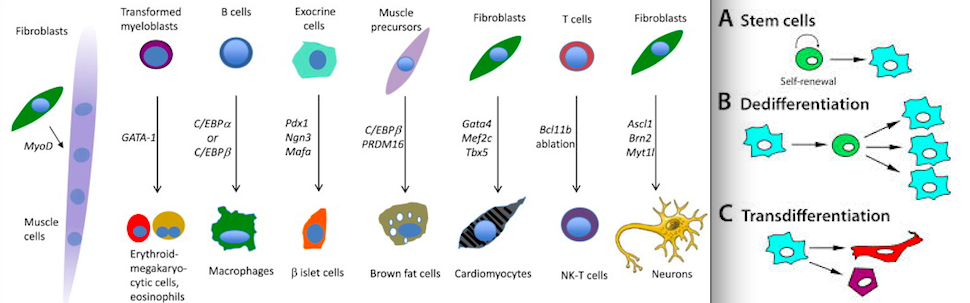
What is well established is that the way slanders can regenerate their limbs by formed a glob of cells called the blastema on the tip of the limb stump and new cells are believed to  accumulate on the blastema and then somehow de-defferentiate themselves so they revert back into pluripotent cells. embryonic stem cells are themselves pluripotent, which means that the cells have the ability to transform themselves into whatever type of cells they are instructed to become.

What the study showed was that the cells that accumulate on the blastema don’t revert completely back to such a embryonic young self but only partially. This is sort of good news for scientists who are trying to find a path to induce tissue and/or limb regeneration because it means they don’t have to push the limits of nature and genetics so far that they have to get cells to completely revert back to their pluripotent cells, but only partially.

Taken from the resource for WIRED


Having first added a gene that makes a fluorescent protein into the genomes of axolotl salamanders, Tanaka’s team removed from their eggs the cells that would eventually become legs. They fused the cells into new eggs; when these matured into adult salamanders, cells in their legs glowed under a microscope.

After the researchers amputated their salamanders’ legs, the legs regrew. Cells in the new legs also contained the fluorescent protein and glowed under a microscope, so the scientists could watch blastemas form and legs regrow in cell-by-cell detail.

Contrary to expectation, skin cells that joined the blastema later divided into skin cells. Muscle became muscle. Cartilage became cartilage. Only cells from just beneath the skin could become more than one cell type.

“People didn’t know if the salamanders were special because they forced adult tissues to become pluripotent, and whether we should look for factors that did that — or if, as we find now, we actually shouldn’t try to force cells back to a pluripotent state,” said Tanaka.

Whether this striking absence of pluripotency is universal is still unknown. The experiment needs to be replicated independently in other salamander species.

Me: What I personally think important to take away from this article is this part…

“This represents a parallel approach for how to make cells in regenerative medicine,” said Melton at the time. “If you’ve got extra cells of one type and need another, why go all the way back to a stem cell?”

Tanaka next hopes to decipher the genetic instructions governing blastema formation. But however the pluripotency–versus–partial-reprogramming debate turns out, her team’s development of a genetically modified axolotl as a model organism for regenerative research is significant.

(Sources are  Wired, and Scientific American)

For the last study, the newt was analyzed. A teams of researchers from Stanford looked at it. I will just copy and paste the most important parts of the article here

“”What do these amphibians have that we lack?

Some have attributed the regenerative potential, in part, to stem cells that remain in adult tissue — but there don’t seem to be enough of them in newts to get the job done. Instead, most biologists believe that, in vertebrates endowed with regenerative ability, muscle cells surrounding injured tissue temporarily regress to a more primitive state, re-entering the cell cycle and then proliferating to produce more muscle cells.

Past studies have identified a protein called retinoblastoma protein (Rb) as a key factor in getting muscle cells to differentiate, or specialize. Suppression of the Rb gene in newt muscle cells sends the cells back into the cell cycle, but this doesn’t work in mammalian muscle cells.

Blau and her colleagues proposed that, in mammals, an additional mechanism may have evolved atop the Rb pathway to confer tumour suppression. Unlocking regeneration in mammalian tissues may involve interfering with that pathway too.

The researchers homed in on a tumour-suppressor gene called Arfthat is present in mammals but not in regenerating vertebrates. Using a gene-silencing technique called RNA interference to temporarily knock down both Arf and Rb in cultured mouse muscle cells, they found that the treated cells re-entered the cell cycle and began proliferating.

When the genes’ activities were restored, the cells returned to their differentiated state. Newly generated muscle cells transplanted into living mice were able to integrate into the animals’ muscle tissue. “”

“”Ken Poss, a cell biologist at Duke University Medical Center in Durham, North Carolina, cautions that several unknowns remain in determining whether the technique will aid regeneration.

First, Poss notes, it’s still unclear whether de-differentiation is the main trick that animals such as newts rely on for tissue regeneration. Researchers aren’t sure how much of the effect can be attributed to muscle stem cells called satellite cells. Furthermore, he says, regenerating large chunks of tissue may involve recreating the connective-tissue scaffolding on which muscle cells grow — a step that’s not part of this technique. ‘”

(Source is Nature)

Me: Here is what I will conclude from looking through these 4 articles. the application of human tissue growth and regrowth is a big biotech subject that will come out in the next few decades. I wouldn’t be surprised that when I reach the age of 60 or 70 and I develop hip or knee problems that researchers would have figure out a way to allow my own body to regrow it’s own lost parts back. As for the use for the technology for human limb regeneration to be used for height increase, we can probably make the process of healing and bone regrowth go a lot faster if we get the technology go tissue regeneration figured out. We can theoretically regrow longer limbs if we wanted to grow our bodies taller. 

To learn more about human limb regeneration, please refer to the Wikipedia article on Human Limb Regeneration click HERE.