Category Archives: Uncategorized

Evidence that foot length may increase after epiphyseal fusion

If the feet bones can increase in length after epiphyseal fusion perhaps we can use the mechanisms which increase foot length on the long bones.

Gender and age related differences in foot morphology

“Anatomical parameters such as foot length, circumference and height and ankle length, circumference and height were assessed in a sample of males and females divided into three age groups. The groups included young-adult, aged between 20 and 25 years; adult, aged between 35 and 55 years; and old, aged between 65 and 70 years individuals.”

“Comparative analysis of morphometric data between young-adult and adult individuals revealed that the instep length was smaller in adults. The opposite was observed for the great toe and medial foot arch height. Length of ankle was higher in adult than in young-adult individuals, whereas ankle circumference and height were smaller.”<-I don’t know what conclusions to possibly draw from this but there could be something to gather here.

“From a topographic anatomy point of view, foot is in general divided into three parts, namely forefoot, midfoot and hindfoot. The forefoot includes the five toes (phalanges) and the five longer bones (metatarsals). The midfoot represents a pyramid-like association of bones (cuneiform, cuboid and navicular bones) forming the arches of the feet. The hindfoot includes the heel (calcaneus) and the ankle. The heel bone is the largest bone of the foot, whereas the talus bone supports the leg bones (tibia and fibula), forming the ankle”

The elderly is reported to have flatter, longer, and wider feet than younger adults“<-Taken from Age-related differences in foot structure and function.  Although I could not find the information that elderly feet tended to be longer from that study.  They state in regards to this study “Other investigations enlarging their analysis to old people aged 80.2 ± 5.7 years noticed in the elderly group compared with a younger one of the mean age of 20.6 ± 2.6 years flatter, longer, and wider feet than younger adults”

The other citation they use for this is: Foot Health and Shoewear for Women.  And I can’t find anything compelling here other than a statement that a woman’s foot grows larger with age.

“The foot length was measured between the extreme point of heel (foot end) and the extreme point of the longest toe (either first or second toe).”

“The ankle height was considered as the distance between the heel of foot and the line right above the medial malleolus.”

Average foot length of age 35-55 was 269.2 cm and 261.7cm for age 20-25 cm male group.  Foot length was similarly longer for the female middle age versus young adults group.  In males age 65-70 Foot Length was 264.4 cm which is a decrease for middle age but the female group continued to increase in foot length.

So we can’t really conclude that foot length continues to grow with age but this indicates that it may be possible that the feet do grow.

Update 17 – Cartilage Degeneration Disorders – September 1st, 2014

Update 17 – Cartilage Degeneration Disorders – September 1st, 2014

First Issue

In the last month or so I have found out that certain close friends and family members, who are still extremely young, have already started to suffer from severe articular cartilage degeneration. It seems that the phenomena of cartilage degeneration is a much, MUCH more prevalent medical condition than I would have thought.

That is why I am going to put much more focus, effort, and energy on also figuring out how to possibly repair articular cartilage damage than before. I am not saying that I am going to figure out the next best thing to treat osteo-arthritis or tissue inflammation but I understand that what I have been researching non-stop for the last 2 year can be very helpful in my own personal life, and to the people around me who I care about.

This desire to help people become taller and gain height even after skeletal maturity will always be there, with a focus on the scientific research. I also now understand that what I have uncovered can also be used to treat much more severe medical conditions.

If I have the chance to help someone out with a medical condition with the deep insight that I gained from thousands of hours of reading, then I would do that.

Second Issue

Most of the people who have regularly visited the website might have noticed that over time, it has slowly changed in form, and become more technical. Some of it might get harder to understand and read. That is something that I knew would happen. The level of medical understanding needs to improve over time (as well as the quality of writing).

With a much more sophisticated understanding of the overall human body, I would finally be able to understand the research that the world’s top experts are working on. If I can, I want to synthesize the results that they have found to discover something completely new.

A recent search on Google lead me to this question posed in the USMLE Step 1 Exam and it showed me that there is still much more I need to learn and understand before I can ever make a clear and logical argument on our theories before any professional orthopedic specialist.
Embryonic Chondrogenesis

It seems that my understanding of at least the process of Mesenchymal Stem Cell Condensation during embryogenesis to form the Chondrocytes is still lacking on how the protein signal pathways work.

I asked the question later whether the chemical compound Dibutyryl cAMP can be used as a way to get the MSCs in our own blood marrow to go directly into the chondrogenic lineage like they seem to do during the embryogenic process. It would turn out that I was wrong about this issue. Dibutyryl cAMP is a very unique compound which is only expressed/found in chondrocytes. It seems to be a type of chemical indicator used by researchers to check to make sure that what a cell differentiated into is indeed actually chondrocytes.

Do Shorter Men Or Taller Men Make Better Husbands?

Do Shorter Men Or Taller Men Make Better Husbands?

Shorter Men(Picture to the right is taken from here.)

This subject seems to have developed recently due to the fact that two article recently came out which referenced a study and they gave almost exactly the opposite, contradicting information and viewpoint.

The people at the reddit/r/short sub threads were upset that there didn’t seem to be a really clear answer. They referenced this problem Here. Well, it turns out the article “Short Men Make Better Boyfriends and Husbands” was WRONG. The writer of that article interpreted the discussion section incorrectly. The two articles which have gone viral seem to contradict their points, and one of them is indeed wrong.

Refer to the study available here. Note that it is not a hundred page Masters or Ph.D Thesis but just a 20 page working paper which is not fully finished.

Here is what the paper actually says, after I took a look at the discussion section. I will outline each point that the authors were trying to make, very clearly.

Point #1 – The qualities of short, average, and tall men’s spouses are not the same.

Point #2 – The taller men are more likely to mate with a women who finished high school than the shorter men. (Personally, this doesn’t say a lot). The author then takes this data and give her own interpretation of it, which she thinks means that the “better educated” females are willing to mate with the taller guys by sort of doing a type of value exchange. (Personally, I don’t think being able to graduate from high school should be considered “better educated”)

Point #3 – The the tallest men appear to be more likely to couple with older women, while shorter men most of the time couple with younger women. – (The author interprets this to suggest that a taller guy would look older relative to the shorter guy, so that older women thinks he is more to their age)

Point #4 – Since it was found that shorter men seem to couple with younger women more often than not, it causes and/or contributes to the fact that those relationships where there is a shorter guy, the relationship is more traditional, where the guy is the breadwinner.

As the author explains… ” This further underscores how height, and more generally men’s
attractiveness, affects other types of status exchange and indirectly contributes to the exchange of resources within a union

My Interpretation: It seems to mean that when the guy is lacking in height (which is a attribute most humans value) , he needs to use a another way to signify that he has value and he can give some type of value towards the relationship/union/coupling.

Point #5 – Shorter men are more likely to end up in relationships where they are shorter or at the same height as their partner (Duh!!! No shit sherlock). The relationships are rare, being only about 9% of the relationships.

Point #6 – By choosing a more traditional type of relationship where the man makes much more money than the women and does less housework, “…it allows short men to enact traditional gender ideals,  thereby performing their masculinity in the absence of expected anthropomorphic differences

Point #7 – Shorter men tend to be in more stable relationships than average and tall men.

Point #8 – Shorter men marry at lower rates and get married later in life (aka get into the relationship later than their taller counterparts)

Point #9 – The reason why shorter men get married later is because “...is reflective of a selection process in which some women opt out of a marriage with short men before it begins” – (Aka they get rejected by women much more in the get go. It takes the shorter men much longer for them to find a women who accepts them as a suitable marriage partner.)

Conclusions

So is the taller or shorter men better husbands?

The shorter men do get married later in life, but the long term relationships (aka marriages) that they do get into are much more stable. That is because they seem to specifically look to get into relationships where they are the one who earns the main amount of money in the household, thus a sort of traditional type of relationship. However, that also means that taller men do more housework than shorter men. It might suggest that taller men don’t mind switching the roles, and take a more non-traditional role.

It just comes down to the word “better”. If a better husband is one who does more housework, then it would be the taller one. If being a better husband means taking a bigger role in making the money for the household, then it would be the shorter ones. What I am certain is that the shorter men probably more often than not put much more commitment, energy and effort into a relationship than the taller counterparts. Even if they are NOT as likely be willing to help out around the house as their taller counterparts, they are putting their energy into making money for the house.

The fact is that as long as you make enough money, you can afford to hire a maid & nanny to do all that house work for you. You just have to focus on making money for cash flow.

So it is just a sort of insecurity issue, where taller men don’t feel particularly insecure about their position in the relationship or being thought of as being too feminine for being willing to do more housework and take care of the kids?

I don’t know. However, That would definitely explain why in the Northern European aka Scandanavian countries like Sweden, Denmark, and Norway , which are very egalitarian, the men are now becoming more like stay-at-home-dads. That phenomena has been well documented and even shown on an episode of the TV Show Welcome to Sweden, which was talked about on the reddit/r/tall sub threads, which is quite interesting. 

So here is everything wrapped up…

Main Thesis: Relatively speaking, when comparing the overall percentages of couplings/relationships, the taller men actually do more housework at home than the shorter men, because shorter men tend to choose women who are younger than them (than the taller men) and look to get into the more traditional/non-egalitarian type of relationship, as a way to compensate for their lack of anthropometric value, which sort of suggests that the short guy’s way of expressing his masculinity is by being the breadwinner and giving financial value.

That is what the study actually says. It is NOT my personal thoughts, but the exact meaning of what the author says.

Epilogue

I don’t know for sure whether it is absolutely true that shorter men at some unconscious level is trying to compensate for their lack of value from body size by looking for women who are younger and want to get into that traditional relationship to maybe prove their masculinity by making more money relatively than the women.

The truth is that we could flip the entire thesis around and still be able to come with a half-assed reasonable explanation (aka justification and rationalization) why taller men get into more stable relationships and shorter men do more household work.

That PDF that someone else linked to is for the Sociology Department at NYU. Sociology maybe be categorized as a type of social science, but it is not true “hard” science, where everything is measured and there is a true logic to everything.

The social sciences (which I call the “soft” sciences) are looking at human behavior and how cultures behave, and as we all know, the study of human behavior is not an exact science. Humans are not completely logical computer programs or robots. We are irrational, and no economist or economical theory will ever be able to explain the dozens, maybe even hundreds of psychological factors, desires, needs, beliefs, and values that we have. Traditionally the entire study of economics was based on one fundamental principal, which is that humans will always act accordingly and rationally based on their individual selfish needs and desires. That was proven wrong, since sometimes we do things that go against that principle. We are irrational, and our actions can not be predicted 100% of the time, although some theories developed can predict what the majority of the people will do for the majority of the time.

We are a truly very complex species, with often contradictory emotions and thoughts going on in our heads. We will say one thing and do another thing. We can be the most kind of people but also turn into savages with a simple nudge.

(Side Thoughts: It is said that India is supposed to be the land of contradictions, but people also say that about China too. Then there are people who say that Japan is a land of contradictions. Others say that about Dubai of the UAE. So which country is not a country of contradictions? – When economists describe these two billion plus countries, both of the countries are described the same way, by saying that the nation is one of contradictions. They want to push towards the future and make progress and growth, but you also want to preserve the old traditions and values. If one writer says that “India is a land of contradictions” and another writer says that  “China is a land of contradictions” and another writer says that “Japan is a nation of contradictions“, and another says that “Dubai is a city of contradictions” then you realize that there is not going to be some simple and easy rule to label any group of people, especially the countries with over a billion people. We are all living in the gray area, where we can’t be defined through the prism of black and white, 1s and 0s.)

There is too much room for interpretation and re-interpretation, even when there is hard numbers and data analysis using trend lines and monte carlo statistical simulations. When we try to make our interpretation of data gathers from polls, surveys, anecdotal stories, individual personal experiences, unique references, etc. aka the entire gammit of human behavior, we often are not completely objective and throw our own biases into it.

For almost the exact same conclusion I just reached, refer to the Huffington Post article “New Study Reveals Interesting Link Between Men’s Height And Divorce

HUGE LSJL update-x-ray proof of LSJL

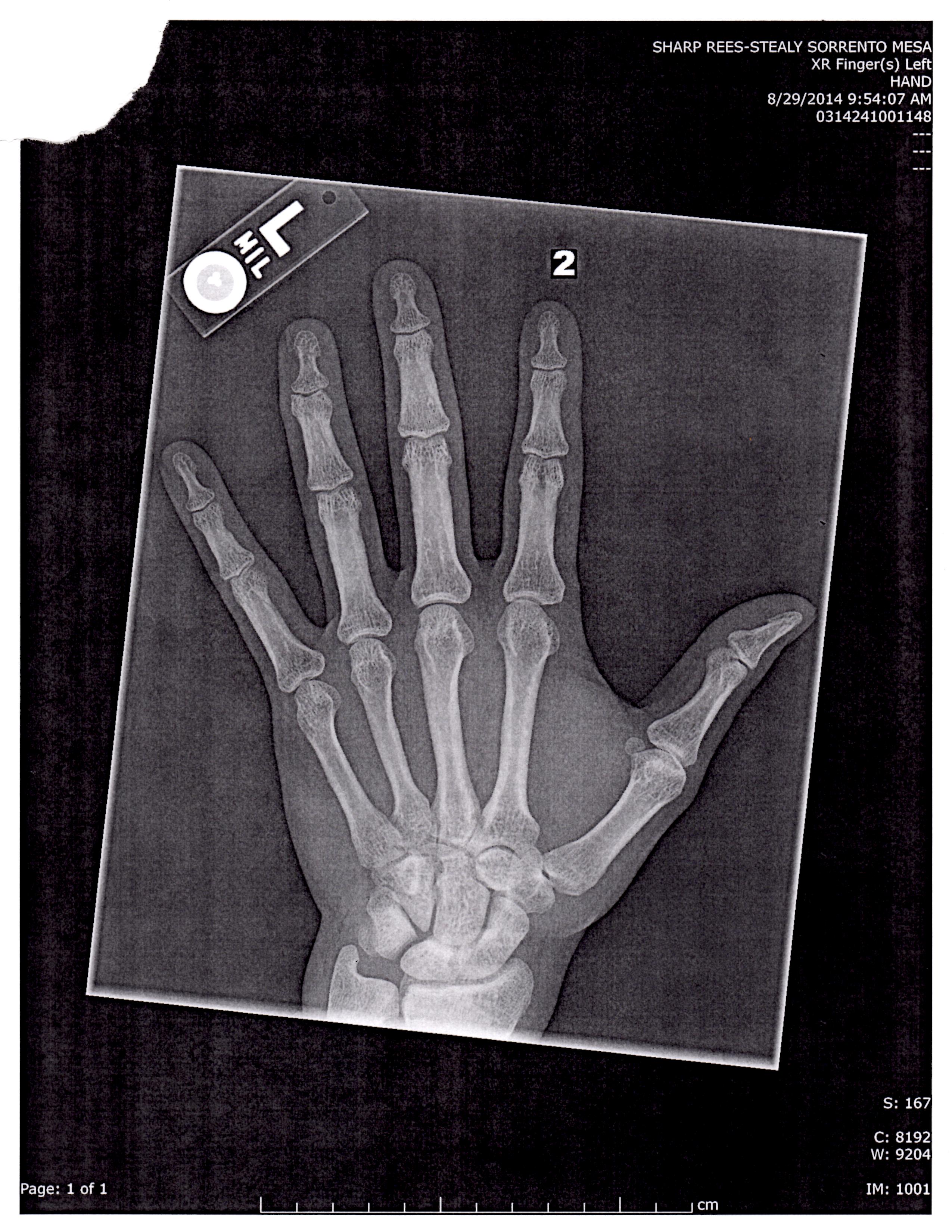
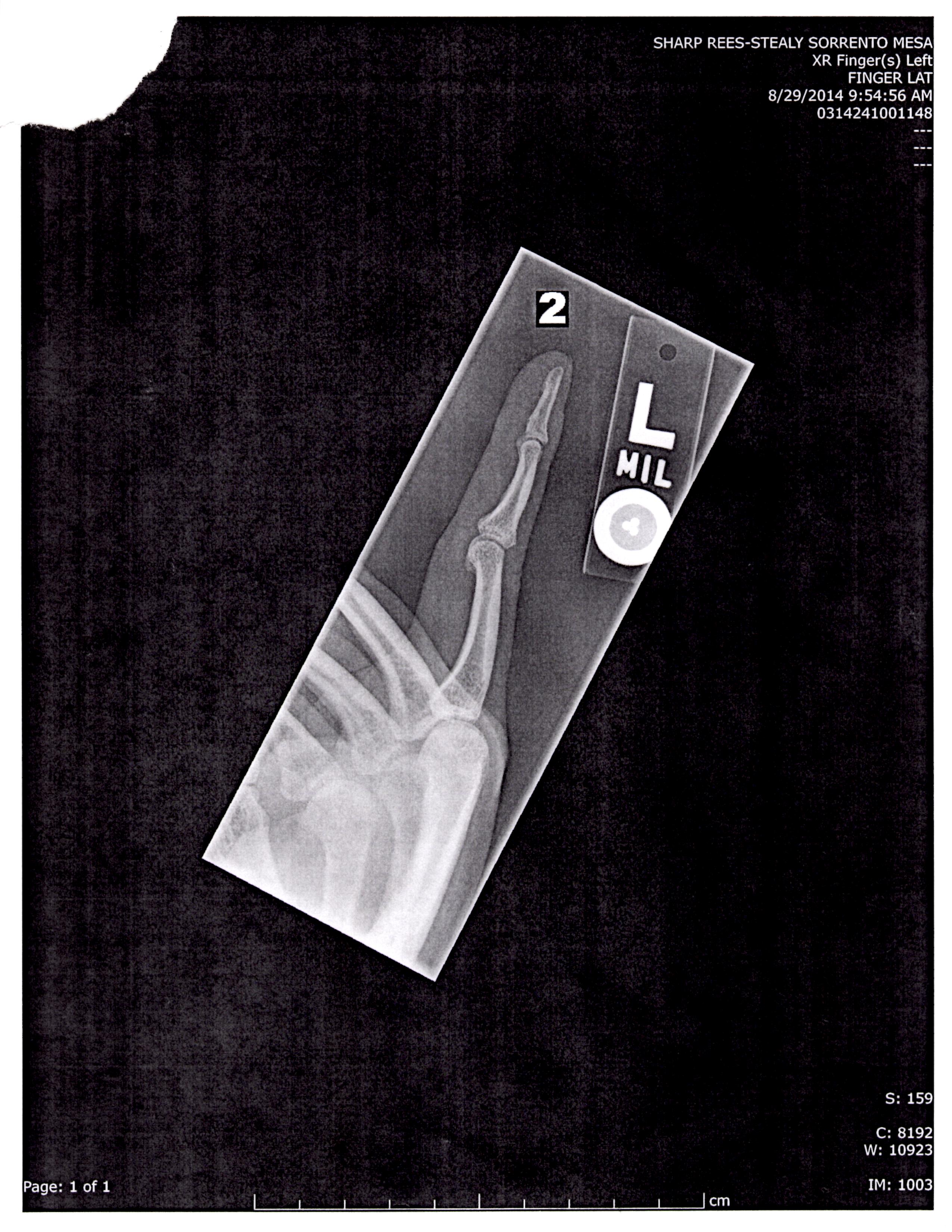
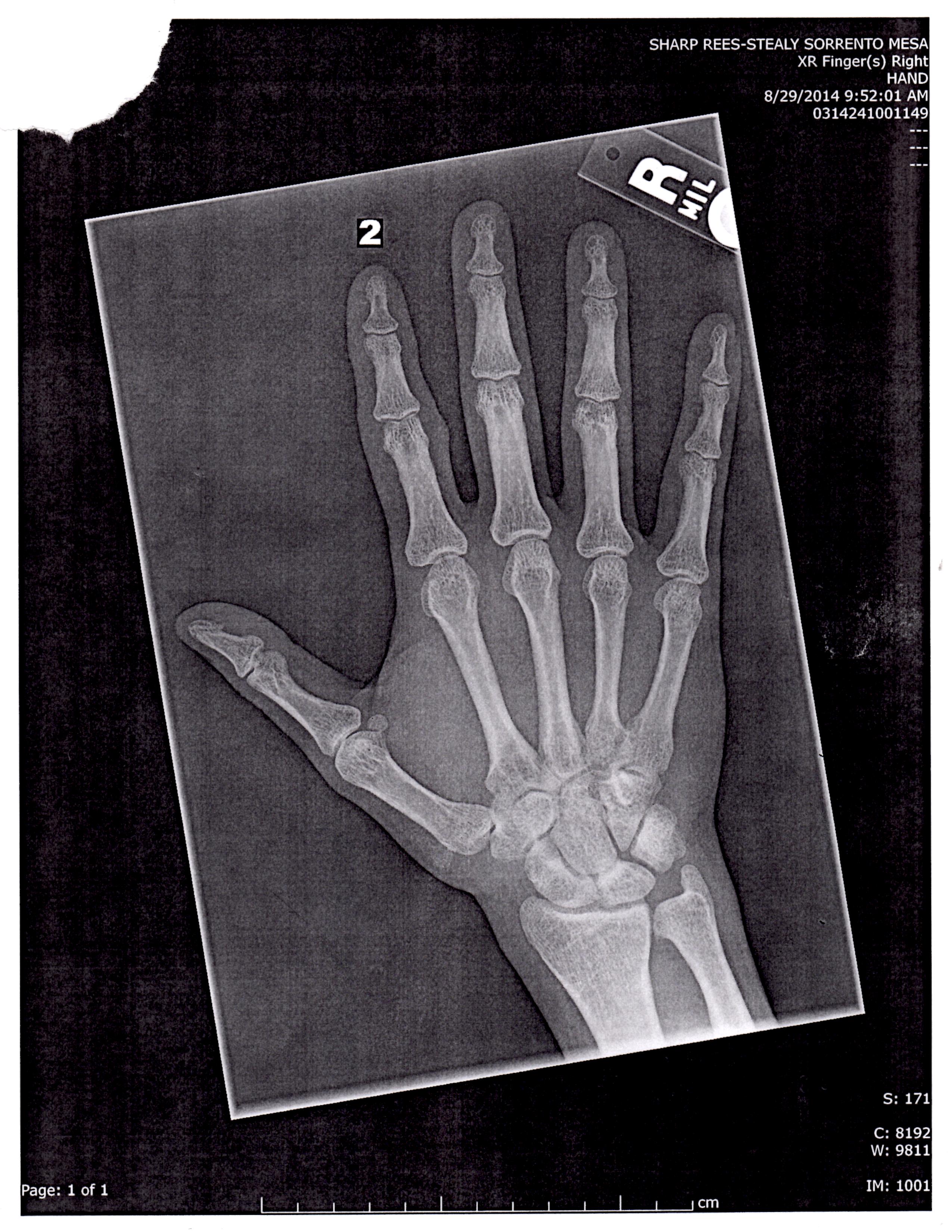
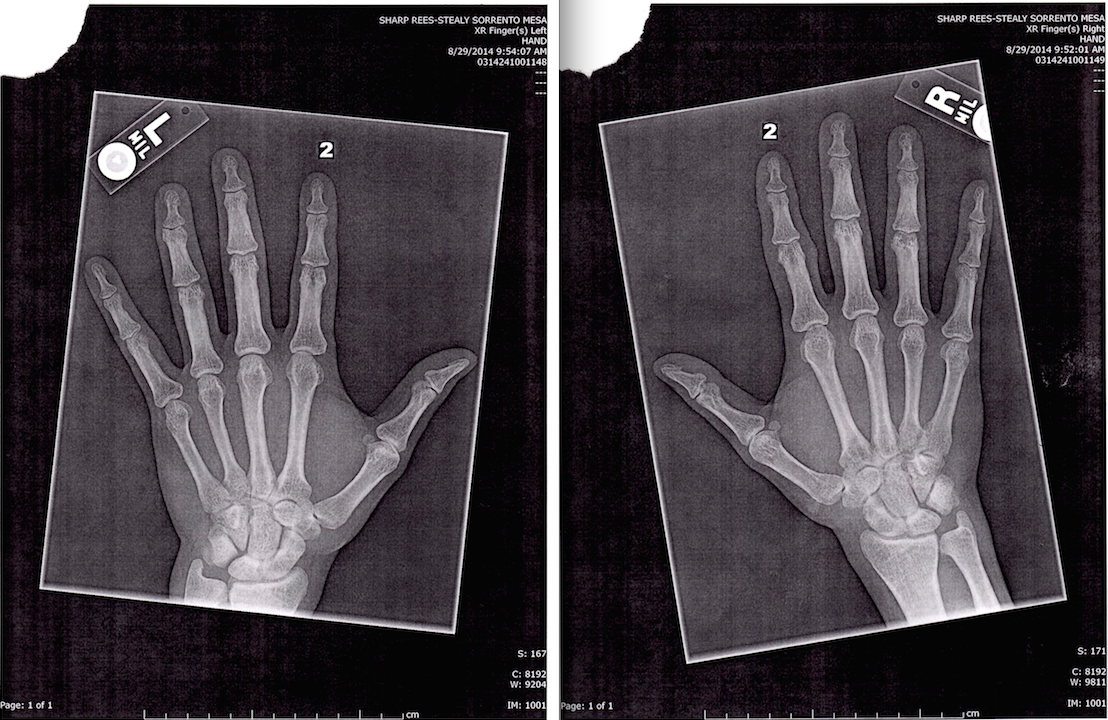
I loaded my right index finger and my left thumb.  This post isn’t finished because I still have to break things down via gimp and it’s a lot harder to measure the bones than I thought.   But I wanted it up right away to get feedback right away. Maybe someone could help measure the bones of the right and left index finger and the right and left thumb.  I need someone to measure the bones of the right and left index finger to confirm that I’ve grown.  The x-ray’s are standardized as you can see by the centimeter mark on the bottom of the page.  Help me with this and we can prove LSJL.

One thing to note about the x-rays.  Is that the whiter something is on an x-ray the denser it is while the blacker it is the less dense it is.  So darker areas of the bone could be some indication of the possibility of a micro growth plate in that region.

X-Ray left hand:

img007

img009

X-Ray right hand:

img006

img008

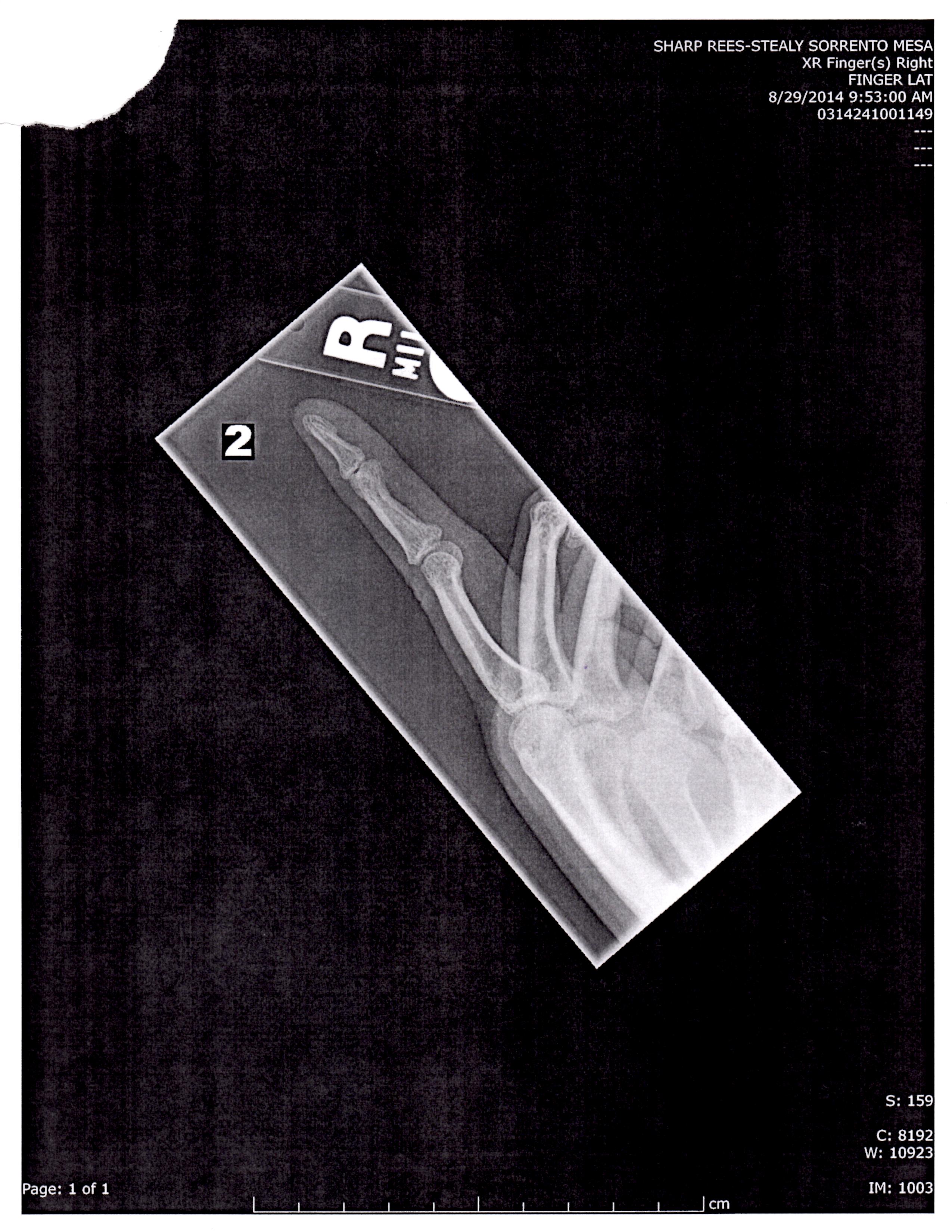
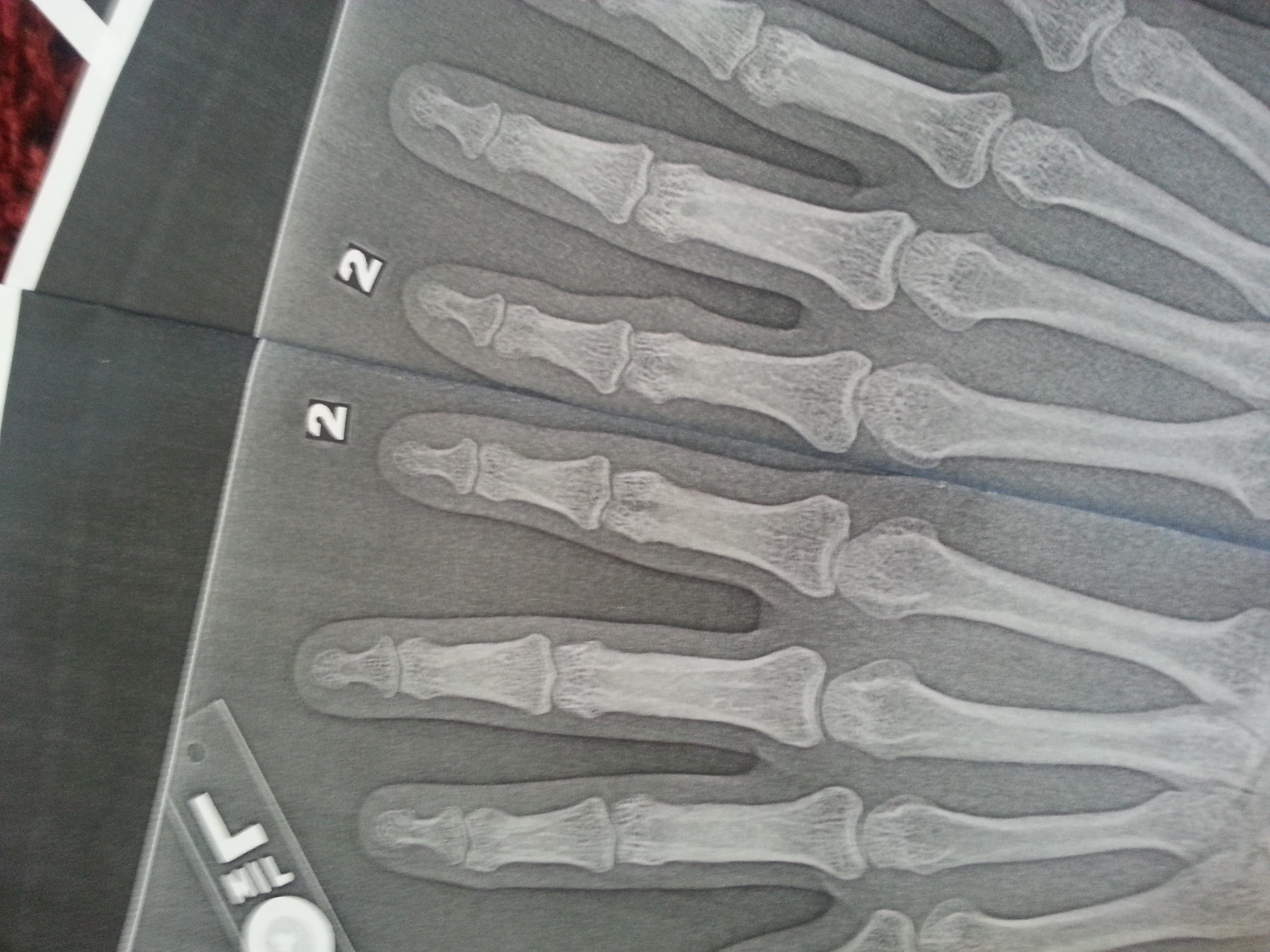
No visible growth plates but that does not rule out microgrowth plates.  You’d need a lot more than a an x-ray to detect micro growth plates.  The difference in finger length does not seem to be due to swelling nor are there signs of osteoarthritic degeneration.  The bumps seem to be due ganglion cysts(see below).  The epiphysis on the right clamped finger is noticeably thicker.  If you look at the lateral view of the right versus the left finger then the difference is extreme and noticeable.

Here’s a side to side comparison between the two fingers:

20140829_143800The right index finger is longer than the left although I will have to do further analysis with GIMP or have Michael or someone do independent analysis.  Same with the left thumb(clamped thumb being longer than the right).

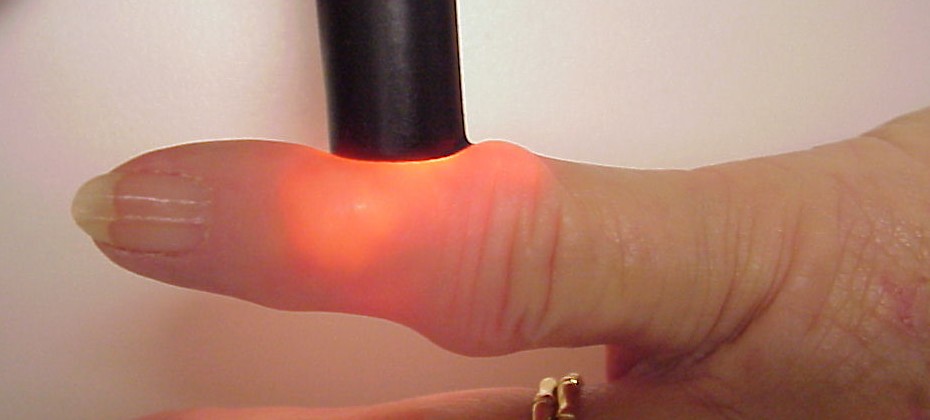
Turns out that I don’t really have osteophytes on my finger but really it’s closer to a ganglion cyst.  See this image here of this photo with someone with ganglion cysts and it’s very similar to how my finger looks:

1547906sThe lump is completely in the soft tissue and cannot contribute to height (see the x-rays)

—————————

Michael: This is what I can say currently after studying the X-ray of the left & right index fingers placed right next to each other. I stared for a full 10 minutes at the picture that Tyler uploaded but could not tell any differences in in the distance between the interphylangeal joints of the right hand compared to the left hand, at least for the index fingers. This is from his own comparison pictures.

However, when I took his pictures and put the pictures together (like below), after carefully looking at the X-ray, there does seem to be a noticeable long bone length difference, where the most proximal bone of the right index finger was just SLIGHTLY longer than the one on the left hand. You have to really look at the specific bone very closely but the difference is noticeable, when viewing the left-right hand X-Ray pictures below from a higher up perspective. When they are put to side to side, there is a difference. Of course, then the question would be, was the right index finger always longer than the leftindex  finger to begin with, from natural bone growth, before ever starting LSJL clamping?

When I looked at the left and right thumb bone X-Rays of the lateral perspective, the difference in thickness of the X-Rays is very noticeable. However, to me, it sort of looks like that the RIGHT thumb is thicker laterally than the LEFT one.

The Problem: I am now in a hotel for a conference in San Francisco and I don’t have an exact ruler on hand. All the measurements are done by eye. To be absolutely sure, I would need to find a ruler though, and maybe even go to a Kinkos or FedEx to blow up the X-ray pictures so that a ruler can be used to really do the most exact measurement possible.

What is obvious though is that the overall right index finger is longer. When you compare the skin edge of the right hand index finger to the one on the left hand, it is very noticeably longer.

X Rays of Metacarpal

LSJL may inhibit Src activation in chondrocytes

This isn’t a breakthrough study but it’s always nice to see a new LSJL study coming out.

Distinctive Subcellular Inhibition of Cytokine-Induced Src by Salubrinal and Fluid Flow.

“A non-receptor protein kinase Src plays a crucial role in fundamental cell functions such as proliferation, migration, and differentiation. Inhibition of Src is reported to contribute to chondrocyte homeostasis. In response to inflammatory cytokines and stress to the endoplasmic reticulum (ER) that increase proteolytic activities in chondrocytes, we addressed two questions: Do cytokines such as interleukin 1 beta (IL1β) and tumor necrosis factor alpha (TNFα) induce location-dependent Src activation? Can cytokine-induced Src activation be suppressed by chemically alleviating ER stress or by applying fluid flow? Using live cell imaging with two Src biosensors (i.e., cytosolic, and plasma membrane-bound biosensors) for a fluorescence resonance energy transfer (FRET) technique, we determined cytosolic Src activity as well as membrane-bound Src activity in C28/I2 human chondrocytes. In response to TNFα and IL1β, both cytosolic and plasma membrane-bound Src proteins were activated, but activation in the cytosol occurred earlier than that in the plasma membrane. Treatment with salubrinal or guanabenz, two chemical agents that attenuate ER stress, significantly decreased cytokine-induced Src activities in the cytosol, but not in the plasma membrane. fluid flow reduced Src activities in the plasma membrane, but not in the cytosol. Src activity is differentially regulated by salubrinal/guanabenz and fluid flow in the cytosol and plasma membrane.”

Interesting that fluid flow reduced Src activation in the plasma membrane but the Cytosol and for Salubrinal it was vice versa.  The plasma membrane is the outside covering of the cell so it makes sense to be more affect by fluid flow as it would be in direct contact with it.  Whereas cytosol is the fluid on the inside of the cell. It would be highly significant if we could identify that LSJL mainly affected proteins in the plasma membrane but not so much the cytosol.

“Src is one of the integrin-dependent signaling proteins involved in mechanotransduction, and it plays critical roles in various cellular processes including proliferation, apoptosis, migration, adhesion, and differentiation. To mediate such a variety of cellular processes, Src’s distinct subcellular activation pattern is required. Src is mainly stationed in the cytosol near the endosomes, and activation of Src requires its translocation to the plasma membrane through the cytoskeleton”

“the shear stress of 2–10 dynes/cm2 has been shown to affect chondrocyte signaling and metabolism either positively or negatively”

“Cells were pretreated with Cytochalasin D (CytoD) for 1 h to disrupt the actin cytoskeleton or with MβCD for 1 h to extract cholesterol from the plasma membrane. CytoD partially blocked Cyto-Src activation, and it completely inhibited Lyn-Src activation. MβCD reduced both Cyto-Src and Lyn-Src activations, although to a lesser degree to Cyto-Src. Collectively, these data suggest that the actin cytoskeleton and lipid rafts are essential components for cytokine-induced Lyn-Src activation”

“Lyn-Src was responsive to fluid flow in a magnitude-dependent manner. In response to shear stress at 5 dynes/cm2, a rapid inhibition of Lyn-Src activity was observed (9.7% decrease). In contrast, shear stress at 10 dynes/cm2 led to its activation (14.9% increase). However, Cyto-Src activity was not altered at any magnitude of shear stress”

According to one article, inhibition of Src kinase activates the chondrocyte phenotype.  The article however did not distinguish between Src activities in the cytoplasma or plasma membrane.  It’s possible for instance that only Src activities in the cytoplasm discourage the chondrogenic phenotype and fluid flow would therefore have no effect.

LSJL Progress Update 8-26-14

In my previous progress post I continued to establish that I had in fact grown due to finger clamping.  I have been using the new LSJL method which emphasizes clamping force rather than duration.  I’ve been clamping right index finger, left thumb, elbows, wrists, knee, ankle, calcaneous, and experimentally toes. Michael suggested using two clamps at the same time and I’ll have to try that.  I’ve been trying to find alternative ways to get X-rays but looks like Michael was right and the best bet is Urgent Care.  It’s going to be a pain in the butt but I don’t think I have a choice.

I’ve been gradually increasing the clamping force.  I think it’s key to be clamping on the synovial joint.  Since the bone is so strong, it’s likely that a lot of the LSJL affects are due to clamping the synovial joint.  If a clamp only the epiphysis of one bone than I can seemingly clamp forever but if I clamp more at the synovial joint I can tolerate much less.  It’s interesting to note that I did grow in the arms from a wingspan of 72.5″ to 74.4″ and the way I’m been clamping the elbow is more on the humerus side because the bone structure is so awkward.  So I can’t clamp exactly in the the middle of the humerus and ulna.  However, I have still gotten results there.   So I think it’s more important to clamp in an area where you get some sort of feedback from your body rather than to clamp in some specific spot.  If you can clamp an area forever, you’re doing it wrong.   Right now I’m clamping areas between 100 to 140 seconds and that’s after working up to it.

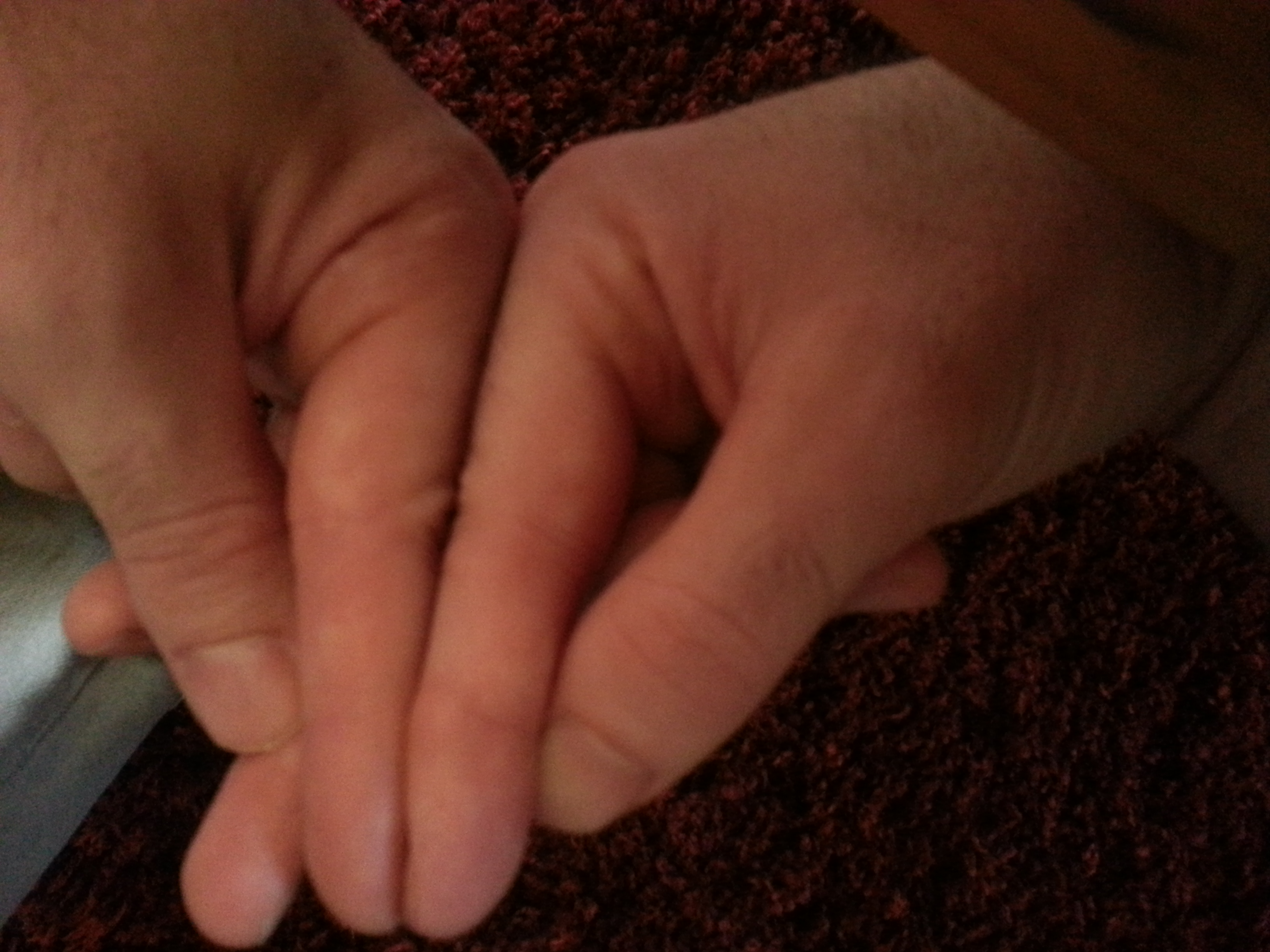
20140826_123611Here’s another finger angle with the tips aligned.  You can see that the knuckle is higher on the right finger.  But yeah, yeah, yeah,  you have to accept X-rays.  And I have to make sure I get both hands in the x-ray.  Although if there are neo-growth plates in the right finger that would be enough regardless of a comparison.  Although it’s possible that the growth was due to another mechanism say fibrocartilage, etc.

As for my legs and arms, there are signs that I am growing.  Last measured wingspan was 74.5″ but since arms can be stretched a little bit it’s not enough.

As for legs, they seem longer and my jeans and shorts seem to be a little higher but nothing definitive yet.  Now when I have a chance I’m clamping twice a day.  At least once a day seven days a week.