Author Archives: Tyler

Proof that LSJL lengthened my finger

Go to this page to see the original x-rays.  Here’s a picture that shows that my right finger is longer than my left. However, what’s interesting is that the phalanx bones of the left index finger are actually longer than the right index finger.  So, I turned to the metacarpal bone of the index fingers and it turns out that the right metacarpal of the index finger is longer than the left and a longer metacarpal would explain the increased finger length in the image in the second link below.

LSJL may have lengthened all the bones of my right finger but because my left finger was always longer it may have only reduced the discrepancy.  If every single bone on the left side of body is longer than the right except for those that I performed LSJL on I submit that as proof of LSJL.  A possible reason that all my left bones are longer than my right bones but all my right bones are thicker could be related to FGFR3 and CNP.  My left side could have had less of the FGFR3 receptors or more of the CNP receptors.

I didn’t know that all my left sided bones were longer than my right until recently.  I just assumed it was due to my scoliosis or it was just an illusion because my right side was thicker.  So unfortunately, I did not account for it when designing to the experiment.  But again, if every single bone on my hands is longer on my left than my right metacarpal which is where I performed LSJL then we can take that as evidence that LSJL works.

Here’s a video with my right finger before any loading.:

Here’s the left hand before video:

My right index finger metacarpal did grow longer but it would appear that my other bones did not.  I say appear because it turns out that all my bones on the left side of my body are longer than the left.  Thus, any growth may actually just be shown by decreasing the gap between the right and left finger bones.  The right finger bones may have grown but that would not show up because the left finger bones were still longer.  If every single bone has the version on the left side be longer, but the one bone that had LSJL on it can we say that LSJL induced growth?

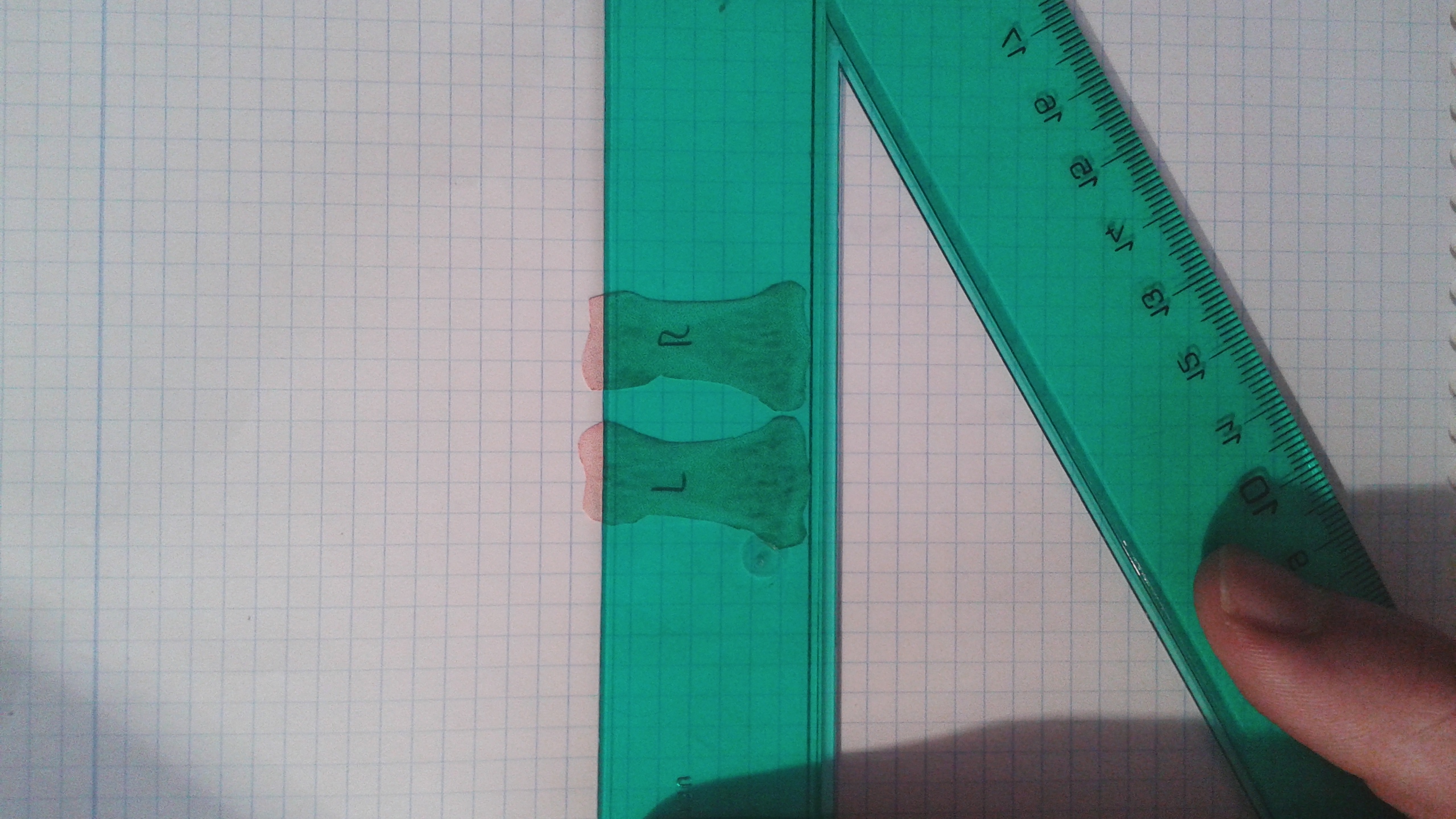
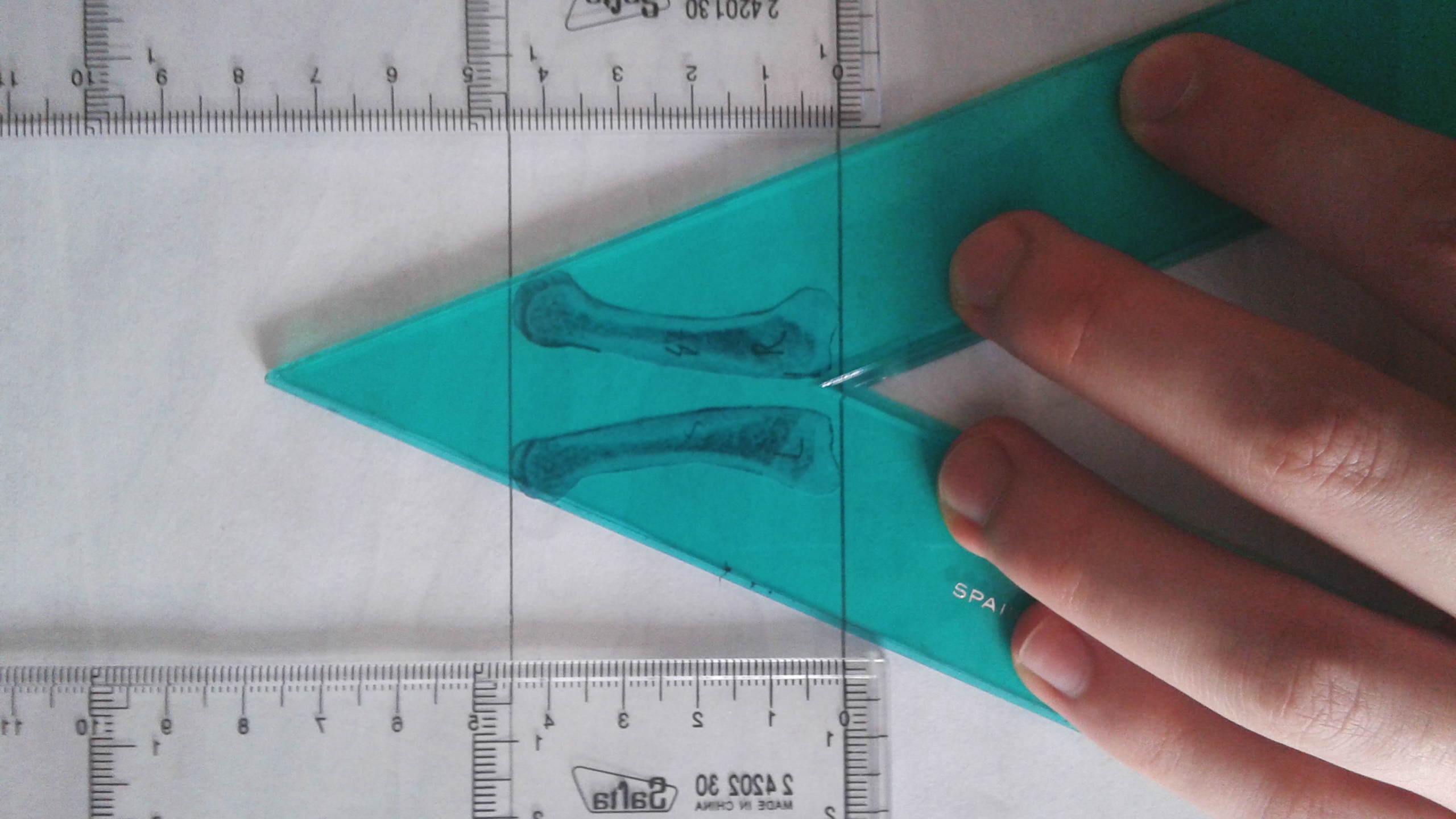
Here are the metacarpals of my right and left index fingers:

frontal index metacarpals


The lines are very straight.  I got pretty close to measuring out straight lines.  I measured the right metacarpal as being 1383.0 pixels long.  I got 1372.0 pixels long for the left metacarpal.  The left metacarpal might extend a little below the line but I zoomed in so I could get things accurate.  Right metacarpal is 0.8% longer.  Now here’s thing about the right finger being 0.8% longer.  All my left bones in my body are longer than the right bones but the right bones are thicker.  Thus, the right metacarpal may have grown to catch up to the left metacarpal and then grown further.  So actual growth may be larger than that.

I performed LSJL only on my right finger. Here’s an analysis of the other bones of the index finger:

Frontal 2 (1)


The slope of the line may be off by about 0.11 degrees or so which is very minor.  The left finger actually measures out longer.

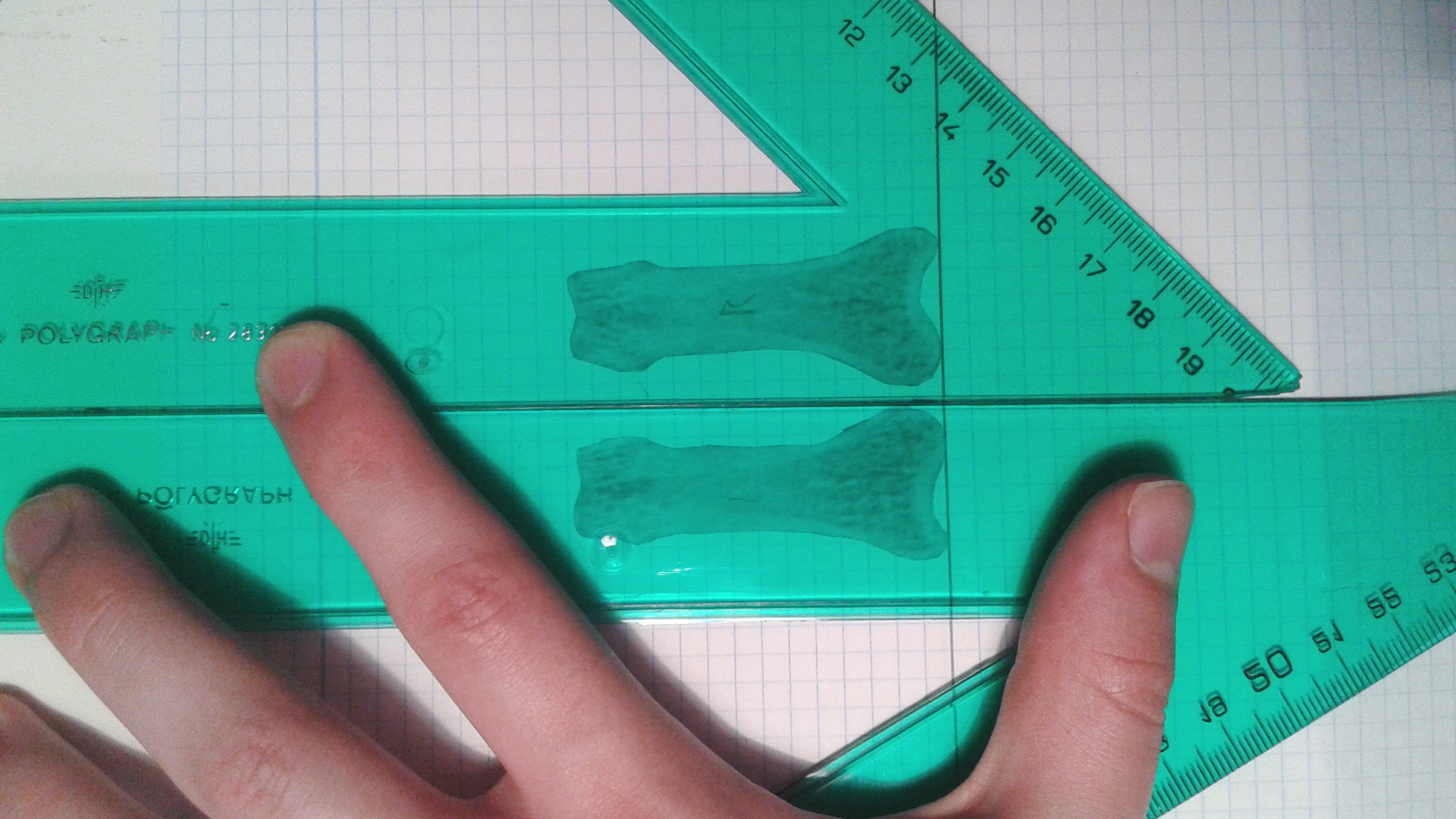
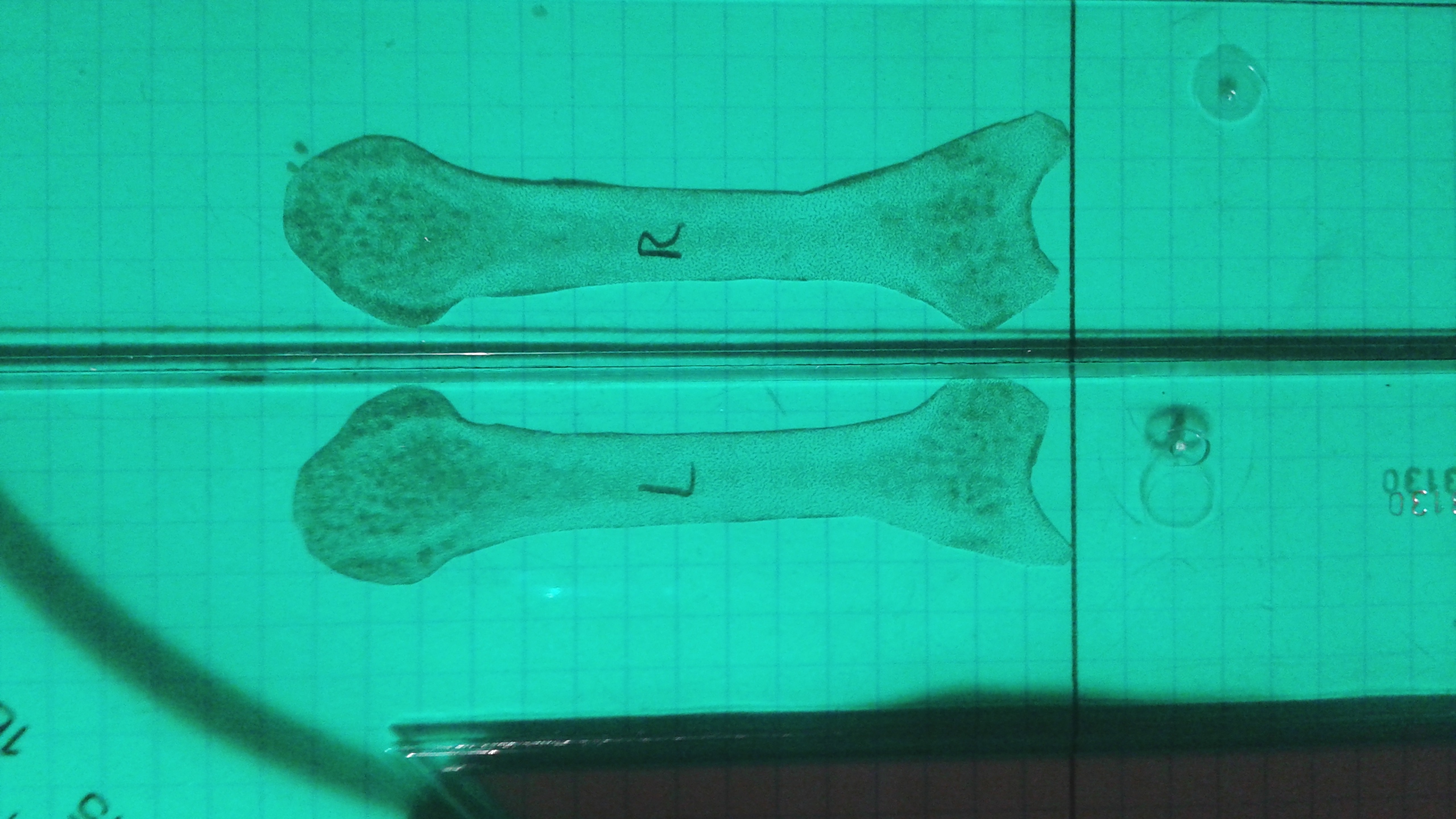
Here’s an image of my proximal index fingers:Frontal 2This is a cut out of the proximal index fingers of the right and left finger bones from the x-ray from the link provided above.  Click on the image as the image shows flipped for some reason.  The right bone is the one labeled with the R.  The measurements were done by adjusting the two bones until they were as long as possible.  This insures that both bones were given the same advantages and the angle at which I put my finger is not a factor.  Measurements were done by someone else.

The lines on the graph are slightly off the vertical lines sloping down at a 1.2 degree angle towards the right side of the computer screen(using the image if you click on the image not the inverted one here).  This images slope favors the right side so the right side will appear longer if you don’t correct for the one degree.

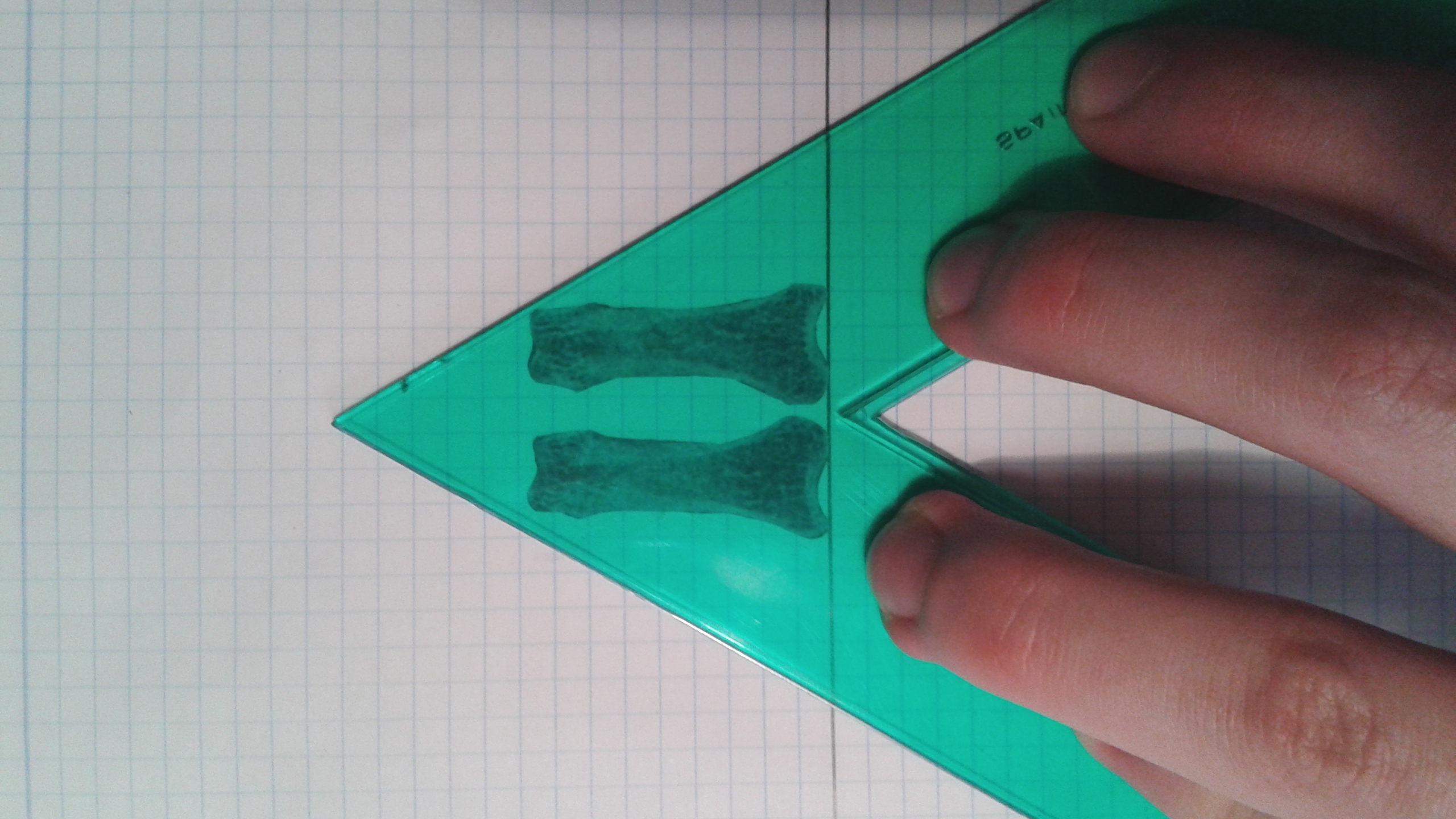
Here’s another image:

Frontal 1This one slopes to the right only at about .80 degrees(measuring the straight line downwards it is .80 off from 90 degrees.  This images slope favors the right as well but not nearly as much.  The left bone is longer.

Here’s the cutout of the lateral view:

lateralYou can see here the the epiphysis of the right index finger are much larger but the left finger is longer overall.

How I’m changing my performance of LSJL now:
Next step is to confirm that all my left handed bones are longer except for that metacarpal.

Now since I have the x-rays, I’m going to be performing LSJL on both my right and left index finger.  Since I have x-ray images, I have those as a control using one of the fingers as a contralateral control is less important.

Previously, I was limiting my clamping based on my left side since my right side is stronger and thicker but since my left side is longer I’m not going to be clamping with whatever I can handle safely for my right side and whatever I can handle safely with the left side and not worrying about clamping them with the same intensity or amount of time.  Since my right side is so much stronger it should be able to withstand more clamping.  Thus, it was my goal with this to correct for the discrepancy between the right and left side in addition to increasing bone length overall.

Hoxd11 and the growth plate

This study supports that altering gene expression of Hoxa11 and Hoxd11 may be a way to grow taller as those genes can turn short bones into long bones.  Unfortunately, the genes that are known to interact with these genes are small in number and not known to be manipulatible by exercise or nutrition.  So it is more likely that in the future the Hoxa11 and Hoxd11 genes may contribute to height growth by manipulating the expression of these genes via an adenovirus.

The pisiform growth plate is lost in humans and supports a role for Hox in growth plate formation.

The human pisiform is a small, nodular, although functionally significant, bone of the wrist. In most other mammals, including apes and Australopithecus afarensis, pisiforms are elongate. the typical mammalian pisiform forms from two ossification centers. We hypothesize that: (i) the presence of a secondary ossification center in mammalian pisiforms indicates the existence of a growth plate; and (ii) human pisiform reduction results from growth plate loss. We surveyed African ape pisiform ossification and confirmed the presence of a late-forming secondary ossification center in chimpanzees and gorillas. Identification of the initial ossification center occurs substantially earlier in apes relative to humans, raising questions concerning the homology of the human pisiform and the two mammalian ossification centers. Second, we conducted histological and immunohistochemical analyses of pisiform ossification in mice. We confirm the presence of two ossification centers separated by organized columnar and hypertrophic chondrocyte zones. Flattened chondrocytes were highly mitotic, indicating the presence of a growth plate. Hox genes have been proposed to play a fundamental role in growth plate patterning. The existence of a pisiform growth plate presents an interesting test case for the association between Hox expression and growth plate formation, and could explain the severe effects on the pisiform observed in Hoxa11 and Hoxd11 knockout mice. Hoxd11 is expressed adjacent to the pisiform in late-stage embryonic mouse limbs supporting a role for Hox genes in growth plate specification.”

“Compared with humans, the pisiform of most other mammals, including primates, is substantially enlarged and elongated”

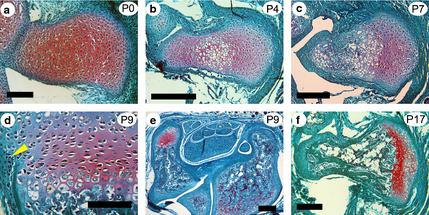
Here’s a good visual of growth plate formation:growth plate formation

“a) At birth (P0) the pisiform largely consists of undifferentiated hyaline cartilage. Note the future articular surfaces adjacent to the triquetral (right) and the transitional region near the insertion of the FCU (left). Each of these is distinct from the fibrous periosteal layers that surround the future pisiform shaft. (b) At P4 the cartilage has undergone differentiation to flattened columnar and hypertrophic chondrocytes. It is the calcified hypertrophic matrix that is staining red in Fig. 3(a). (c) By P7 the primary center of ossification begins to be replaced by bone. A broad region of flattened columnar and hypertrophic chondrocytes is preserved at the palmar end (right). (d) At P9 the preserved strip of cartilage displays all of the hallmarks of a growth plate: organized columnar and hypertrophic zones and a perichondrial ring (yellow arrowhead) adjacent to the bone collar. (e) A transverse section through the carpal tunnel demonstrates the unique ossification of the pisiform (left). Note the preserved region of red stained cartilage at the palmar end. In contrast the scapholunate (right) has ossified as a single primary center extending into the projecting tubercle. (f) At P17 the growth plate appears to be losing its activity, as there is no longer an identifiable hypertrophic zone underlying the columnar chondrocytes.”<-so if via LSJL we can induce regions of hyaline cartilage they could potentially become growth plates.

“Full deletion of Hoxa11 or Hoxd11 results in a highly penetrant phenotype with shortened pisiforms that often fuse to the triquetral (ulnare) or less commonly to the scapholunate and triquetral ”

” ‘no Hoxd land’ for short bone morphology”<-Maybe we could upregulate Hoxd in short bones to make them become long bones?

“In short bones and epiphyses, the initial process of chondrocyte differentiation is similar. However, expanded cartilaginous growth plates or active perichondrial rings do not form. Instead, the periphery of these regions largely consists of a narrow three to four cell layer of round chondrocytes that anticipate the future articular zone. In each of these respects (organized chondrocyte zones, active perichondrial ring and deposition of the bone collar), the pisiform is more similar to long bones”<-The organized chondrocyte zones, active perichondrial ring and deposition of the bone collar could be related to Hoxd.

“mice with reduced Hoxa11/Hoxd11 expression display decreased proliferation within mesenchymal condensations and dramatic shortening of the radius and ulna such that they also resemble short bones”

If we can induce Hoxd11 expression in short bones we can make those bones longer and thus ourselves taller.

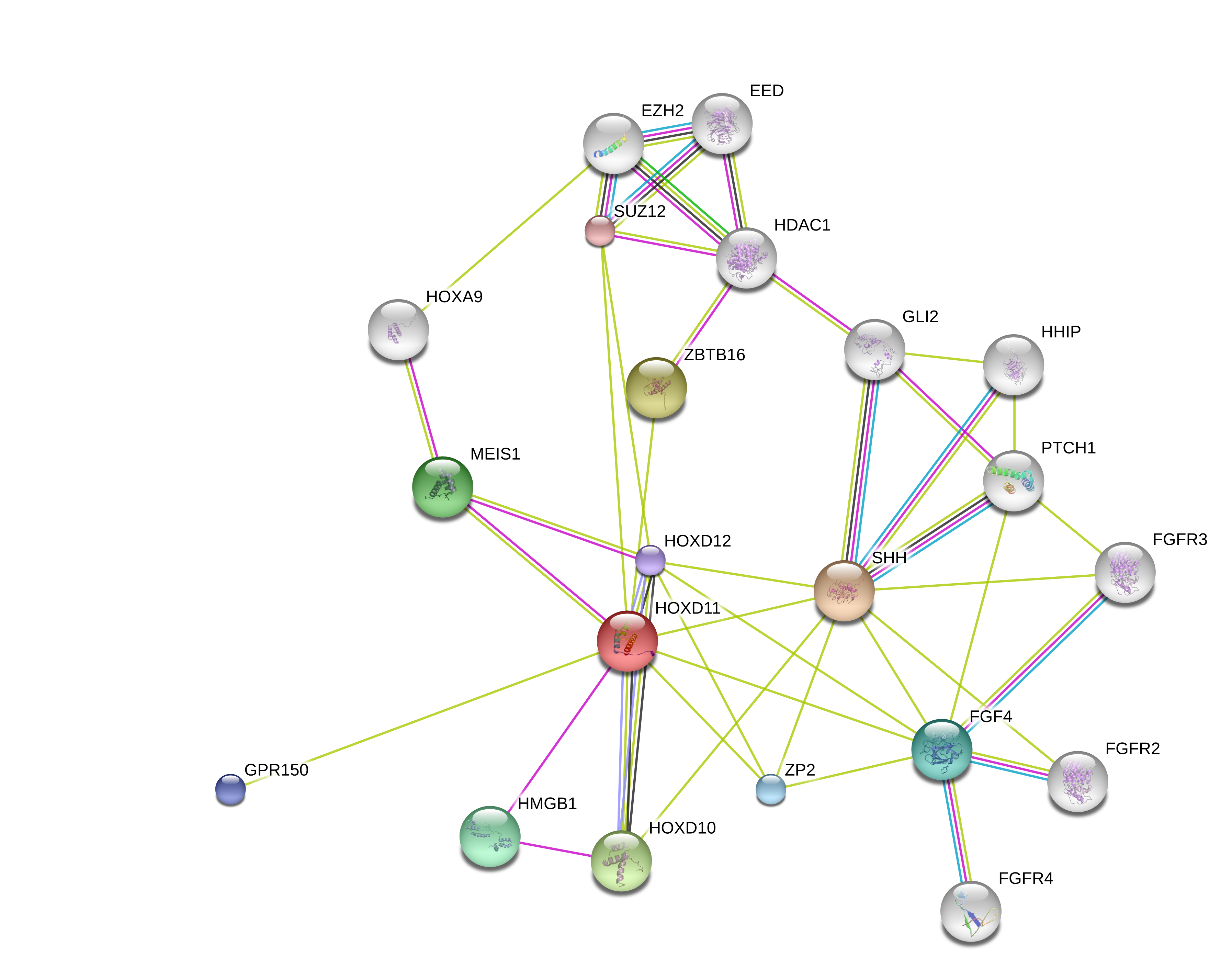
Looking at the String Embl gene interaction reveals a problem in that very few genes directly interact with Hoxd11.  Although LSJL upregulates the related gene Hoxd10:

Hoxd11

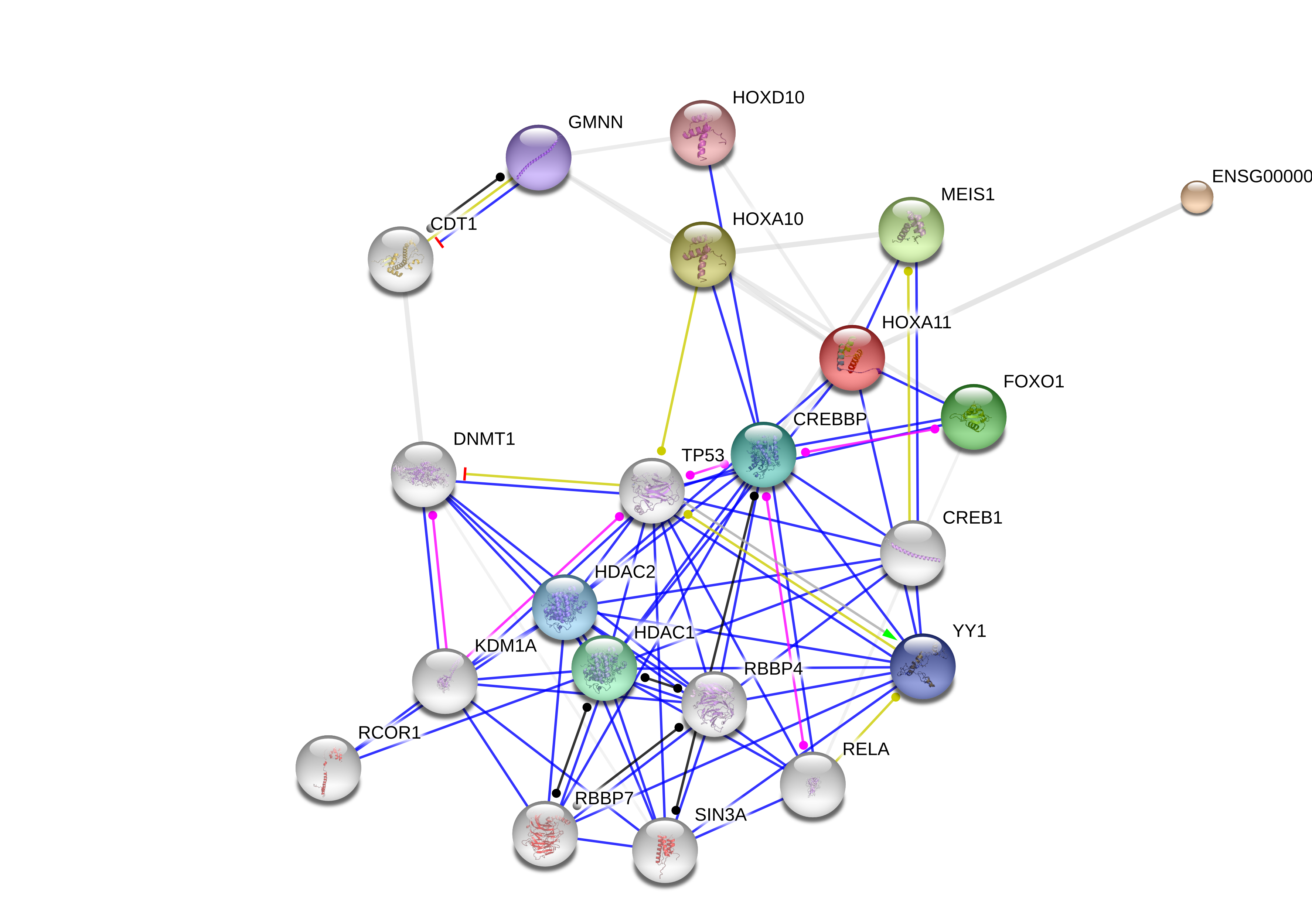
Similarly with Hoxa11:

hoxa11

How much growth hormone is needed to cause gigantism?

If gigantism was only caused by excess HGH levels than why is gigantism so rare.  It is likely that extremely high levels of HGH or other factors are needed to cause gigantism.  This study will help us determine how much HGH is above the norm in cases of gigantism.

Gigantism caused by growth hormone secreting pituitary adenoma.

“Gigantism indicates excessive secretion of growth hormones (GH) during childhood when open epiphyseal growth plates allow for excessive linear growth. Case one involved a 14.7-year-old boy presented with extreme tall stature. His random serum GH level was 38.4 ng/mL, and failure of GH suppression{Resistance to GH surpression may be another factor needed for gigantism to be caused} was noted during an oral glucose tolerance test (OGTT; nadir serum GH, 22.7 ng/mL). Magnetic resonance imaging (MRI) of the brain revealed a 12-mm-sized pituitary adenoma. Transsphenoidal surgery was performed and a pituitary adenoma displaying positive immunohistochemical staining for GH was reported. Pituitary MRI scan was performed 4 months after surgery and showed recurrence/residual tumor. Medical treatment with a long-acting somatostatin analogue for six months was unsuccessful. As a result, secondary surgery was performed. Three months after reoperation, the GH level was 0.2 ng/mL{So the GH level was higher by a factor of 192 which is exceptionally high} and insulin-like growth factor 1 was 205 ng/mL. Case two involved a 14.9-year-old boy, who was referred to our department for his tall stature. His basal GH level was 9.3 ng/mL, and failure of GH suppression was reported during OGTT (nadir GH, 9.0 ng/mL). Pituitary MRI showed a 6-mm-sized pituitary adenoma. Surgery was done and histopathological examination demonstrated a pituitary adenoma with positive staining for GH. Three months after surgery, the GH level was 0.2 ng/mL{His GH was elevated by a factor of 46.5} and nadir GH during OGTT was less than 0.1 ng/mL. Pituitary MRI scans showed no residual tumor. ”

So key factors involved in Gigantism involve HGH much higher than normal and a resistance to HGH surpression.  According to this steriods forum, some experienced elevated serum HGH levels as high as 18ng/mL which is within the range of the serum levels of the two cases of gigantism.  Which means in terms of serum GH level, HGH injections may be sufficient to cause gigantism.  However, resistance of the HGH to surpression is one thing that is not conferred by the injections as the HGH injections have to be cycled.

“True gigantism is extremely rare”<-Which is why again it is not likely to be caused by elevated HGH alone.

“normal range, 0-5 ng/mL [For GH]”

In the 38.4ng/ml case for Gigantism, his IGFBP-3 was additional elevated.  IGF-1 levels were slightly above normal range.  Prolaction was within normal range.

The other boy with 9.3ng/ml case for Gigantism, had prolaction, IGFBP-3 and IGF-1 all in normal range.  But this boy was actually taller than the other case beside having about a 1/4 less HGH.

“Approximately 100 cases of children with pituitary gigantism have been reported”<-But yet gigantism was caused with levels of only about twice the maximum the normal range.

“Hyperprolactinemia is a common finding in GH excess presenting in childhood, undoubtedly related to the fact that mammosomatotrophs (GH and prolactin-secreting cells) are by far the most common type of GH secreting cells involved in childhood gigantism. However, gigantism caused by a pituitary tumor comprised of somatotropes (GH-secreting cells) show a normal prolactin level”

Melatonin may play a role in scoliosis pathology

Scoliosis causes height reduction by causing a curvature of the spine thus it is relevant to height increase.

Abnormal Response of the Proliferation and Differentiation of Growth Plate Chondrocytes to Melatonin in Adolescent Idiopathic Scoliosis.

“Abnormalities in the melatonin signaling pathway and the involvement of melatonin receptor MT2 have been reported in patients with adolescent idiopathic scoliosis (AIS).  In this cross-sectional case-control study, growth plate chondrocytes (GPCs) were cultured from twenty AIS and ten normal control subjects. Although the MT2 receptor was identified in GPCs from both AIS and controls, its mRNA expression was significantly lower in AIS patients than the controls{Will increasing MT2 receptor levels make you taller(or shorter)?}. GPCs were cultured in the presence of either the vehicle or various concentrations of melatonin, with or without the selective MT2 melatonin receptor antagonist 4-P-PDOT (10 µM). Then the cell viability and the mRNA expression of collagen type X (COLX) and alkaline phosphatase (ALP) were assessed by MTT and qPCR, respectively. In the control GPCs, melatonin at the concentrations of 1, 100 nM and 10 µM significantly reduced the population of viable cells, and the mRNA level of COLX and ALP compared to the vehicle{Whether this would increase or decrease height is unclear}. Similar changes were not observed in the presence of 4-P-PDOT. Further, neither proliferation nor differentiation of GPCs from AIS patients was affected by the melatonin treatment.

“[The] abnormality [that] is manifested during the peripubertal period in patients with AIS in that they tend to be taller, leaner and have a longer arm span than their healthy peers”<-So perhaps MT2 receptor makes you shorter?  So an MT2 receptor inhibitor would make you taller or something that inhibits melatonin?

“Melatonin failed to inhibit the increase of 3′,5′-cyclic adenosine monophosphate (cAMP) induced by forskolin in osteoblasts from AIS patients when compared with cells from normal control subjects”

“melatonin inhibited both proliferation and differentiation of rat vertebral body growth plate (VBGP) chondrocytes with the involvement of MT1 and MT2 receptors”

“After incubation for 24 h in medium containing melatonin, the cell proliferation, gene expression of collagen type II and aggrecan, as well as protein expression of proliferating cell nuclear antigen (PCNA), Sox9 and Smad4 were significantly reduced. Moreover, it was found that the effects of melatonin could be reversed by the melatonin receptor antagonist luzindole, indicating the involvement of membrane melatonin receptors in these functions”

“AIS patients with a low level of expression of MT2 receptor in osteoblasts showed a longer arm span than those with a normal expression level of MT2 receptor”

Thus Luzindole may be a way to inhibit melatonin and grow taller at the expense of possibly inducing scoliosis.

Is it possible to increase disc height by stretching?

If it is possible to gain disc height by stretching. that could potentially explain the height gain of programs like agrobics.  Unfortunately, this batch of research I found, does not produce a strong link between stretching and height gain.  Mainly due to the nucleus pulposus being mechanically fragile.

The structural basis of interlamellar cohesion in the intervertebral disc wall.

“The purpose of this study was to investigate the structural mechanisms that create cohesion between the concentric lamellae comprising the disc annulus.”

” Additional bulk samples of annulus were fixed while held in a constant, radially stretched state in order to investigate the potential for interlamellar separation to occur in a state more representative of the intact disc wall. ”

“[IVD] tissues generally exhibit highly non-linear stress–strain responses, with the low-stress phase being a direct consequence of large-scale reversible alterations occurring in their fibrous architecture.”
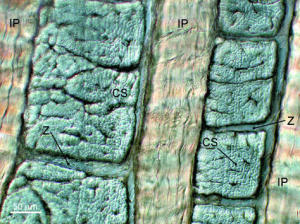
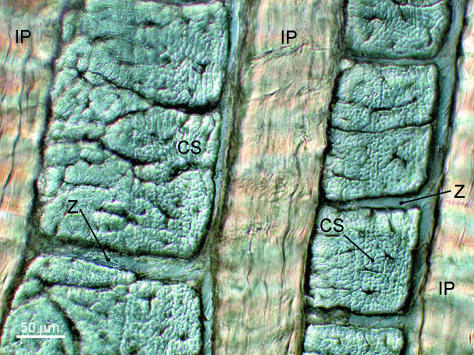
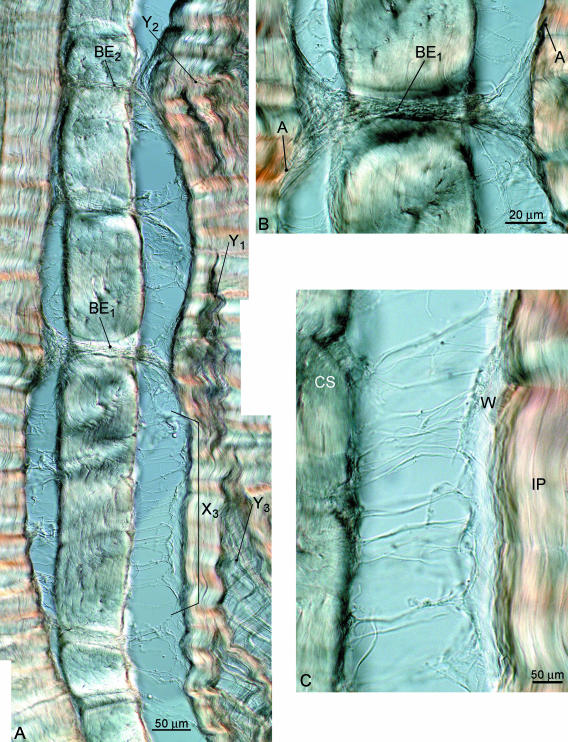
hydrated lamellar section

“Fully relaxed, hydrated interlamellar section showing adjacent lamellae as both in-plane (IP) and cross-sectioned (CS) arrays. Note the compartmental division between the cross-sectioned bundles at Z.”
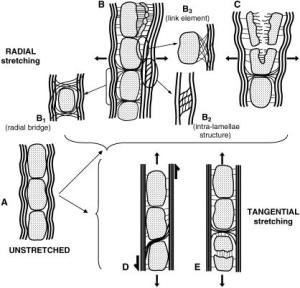
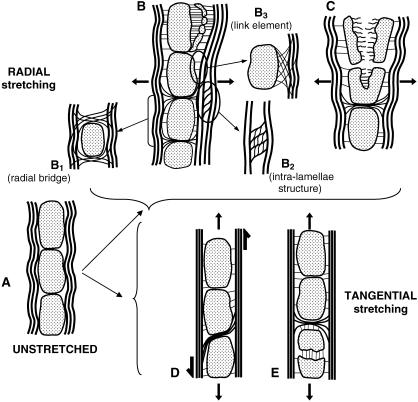
disc stretchng effectsHere you can show the possibility that stretch can potentially lengthen the IVDS.
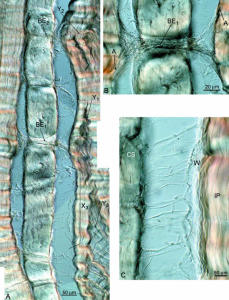
intramellar section subjected to radial stretching

“(A) Interlamellar section subjected to radial stretching and revealing various modes of interconnection; (B) detail of radial bridging element passing between the cross-sectioned bundles; (C) detail of more uniformly distributed linking elements between adjacent lamellae.”<-This is radial stretching which should increase disc width rather than length.

“Interlamellar section radially stretching [causes] progressive fragmentation of cross-sectioned bundles ”
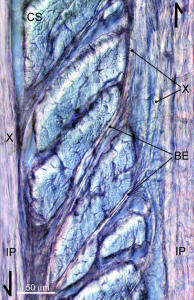
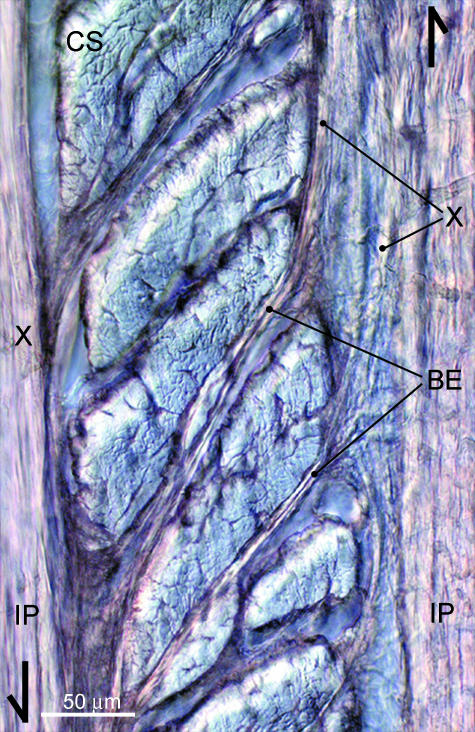
interlamellar tangential stretching“Interlamellar section subjected to tangential stretching. Selective fibre bundle pullout at grip ends has induced a substantial degree of shear between the in-plane arrays, thus revealing further the extent to which bridging elements (BE) pass between the cross-sectioned bundles and connect the neighbouring in-plane arrays (IP).”<-So fibre bundles pull out and bridge elements form resulting in possible overall lengthening in response to stretching.

“With increased stretching the forces transmitted by these same interconnections resulted in a progressive fragmentation of the cross-sectioned bundles involved.  [Fragments  separate] from [their] parent cross-sectioned bundle (CS).”

“the overall morphology of the permanently stretched samples reveals a radial elongation of the cross-sectioned bundles”<-but this is disc width and not height.

This study illustrates a possible mechanism of increasing interverterbral disc height although it’s possible that disc height could be still limited by mechanisms not investigated in this study.

Here’s a study that investigates the effects of twisting directly on the entirety of the spine:

Low back pain development response to sustained trunk axial twisting.

“The trunk axial twisting was created by a torsion moment of 50 Nm for 10-min duration.”

“The results showed that there was a significant  twist creep with rotational angle 10.5° as well as VAS increase with a mean value 45 mm{how would this effect spine height?}. The erector spinae was active in a larger angle during flexion as well as extension after trunk axial twisting.”<-creep implies a change in shape but whether that change involved a longitudinal increase is unclear.

“the elastic forces generated by the passive component of muscles are the main sources of passive resistance at the initial twisting motion, and then toward the end of ROM lumbar posterior ligaments and IVD will start to generate elastic forces and become the main contributor. This finding suggests that prolonged trunk axial twisting could also generate passive tissue creep and cause an alternation in the synergy between lumbar active and passive tissues.”

” The shear forces and moment created by spinal twisting within discs might elicit a shrinkage on spine by making the nucleus pulposus loose some fluid just like twisting a cloth full of water.”<-however this could also make the spine adapt by developing methods to absorb and retain more water.

Here’s a look of individual IVD cells response to loading regimes:

Region specific response of intervertebral disc cells to complex dynamic loading: an organ culture study using a dynamic torsion-compression bioreactor.

“We applied four different loading modalities [1. control: no loading (NL), 2. cyclic compression (CC), 3. cyclic torsion (CT), and 4. combined cyclic compression and torsion (CCT)] on bovine caudal disc explants”<-combined torsion and compression would be most akin to stretching as when you stretch one way you’re compressing another.

“In the CCT group, less than 10% nucleus pulposus (NP) cells survived the 14 days of loading, while cell viabilities were maintained above 70% in the NP of all the other three groups and in the annulus fibrosus (AF) of all the groups.”

“Gene expression analysis revealed a strong up-regulation in matrix genes and matrix remodeling genes in the AF of the CCT group”<-maybe developed of the extracellular matrix could increase height?

“Daily cyclic loading is important for disc health, as it assists in the transport of large soluble factors across the disc and from its surrounding vascular supply and applies a direct and indirect stimulus to disc cells.”<-This would increase height but does stretching apply a stimuli further than that?

” Characteristics of DD include increased cell death, a decrease in disc height due to a loss of essential matrix components which can also be reflected by an increased matrix catabolic gene expression (MMP-3, MMP-13, ADAMTS-4) but decreased anabolic gene expression (collagens and proteoglycans), increased inflammatory response (TNF-a, IL-1b, IL-6) and changes of mechanical properties of the disc (increased stiffness)”<-Although some of these things could also be involved in a anabolic protocol but the main thing we should watch is loss of essential matrix components in terms of reducing height.

“During the day, the disc experiences a pressure range from 0.1–1.1 MPa . However, studies have shown that dynamic compressive loading of >0.8 MPa could induce early DD; dynamic loading of physiological magnitude (1 MPa) at a frequency of 0.2 Hz was suggested to be the best in preserving disc metabolism while a frequency of 0.01 or 1 Hz could stimulate catabolic gene expressions ; signs of mild disc degeneration were seen when loading was applied in a longer term of 8 weeks (8 h/day) even at a physiological magnitude (1 MPa). The complex loading of side bending (in the form of asymmetric compression) and cyclic compression induced a greater structural disruption to the disc than simple cyclic compression”<-This would suggest that the best way of being as tall as possible would be to avoid excessive stimulus.

” torsional[twisting] injury is one of the initiators of disc degeneration, as evidenced by a decrease in disc height and a drop in disc proteoglycan content”<-so getting injured while stretching could possible reduce height.

“cyclic torsion could cause injury to the disc, provoking increased inflammatory (TNF-α and IL-1β ) and altered elastin gene expressions. An increase in elastin content in the AF is one of the observations in degenerated human discs and an alteration in the elastin fiber network might render the AF more susceptible to micro failure under torsion and bending”

“asymmetric dynamic compression (bending with compression) caused annulus fibrosus (AF) delamination and cell apoptosis”

“Discs used in this study had a mean dimension of 16.63±1.55 mm diameter and 9.58±1.22 mm height at day 0. By the end of the experiment, disc volume was increased by 10±5.76% for NL[no load], but increase in disc volume were less than 2% in all the other groups with loading”

“There was a slight increase in mean disc height of around 3% in the NL and CT[cyclic torsion/twisting] groups, while disc height was decreased by about 2% in the groups with cyclic compression (CC and CCT).”

“In the NP, collagen 1 expression was significantly up-regulated in CT. ADAMTS-4 was increased over 1000 fold in both CT and CCT, where its inhibitor TIMP-3 was also increased more than 10-fold”

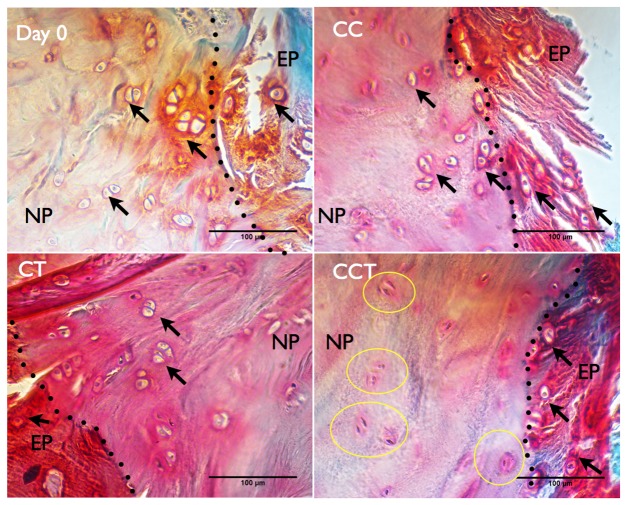
” In the transition zone between the cartilaginous endplates (EP) and the nucleus pulposus (NP) , cells stayed as chondrocyte-like cells (indicated by black arrows) in the CC and CT groups with a round cell nucleus surrounded by lacunae. However, in CCT, very few cells stayed as chondrocyte-like cells in the cartilaginous endplate and cells right across the endplate region changed to spindle-shaped  and the cell lacunae and the cell boundary were lost.”<-This could be a key to height growth.  Maybe one way to restore growth plate is to remove either compressive or torsion forces in the bone.
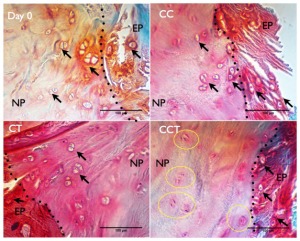
CCT cartilage lossYou can definitely see the loss of cartilage but is it an irreversible loss?

“torsion-compression loading has caused micro-damage to the collagen, therefore disc cells have been activated to compensate for the destruction. As shown in the gene expression result, groups with torsion (CT and CCT) showed a larger increase in both anabolic and catabolic gene expression by AF cells as compared to no loading or pure compression, indicating that AF cells were more sensitive to torsional loading stimulation. Therefore they responded by increasing some matrix production and matrix destruction enzymes to remodel the matrix environment.”

“One possible reason for the difference in response between the NP and AF to the same loading is due to the fundamental difference in the matrix component and structure between NP and AF. AF collagen fibers are aligned in an angle that can withstand shear force but the disorganized gel-like matrix of the NP cannot withstand a high shear force under combined compression and torsion. The NP, which is mainly composed of water, proteoglycans and collagen 2, is more resistant to compressive force than direct shear force as in compression and torsional load. A uniform torque applied to the disc will result in a hoop strain within the tissue, which increases with the distance from the center of rotation. It might be that the reaction of the annulus cells to the applied torsion stress is also different between the outer annulus and the inner annulus fibrosus as the inter-lamellar angle decreases radially from the periphery to the center from 60° towards 40°. Moreover, the elastic fiber arrangements in intra-lamellar and interlamellar zones were shown to be architecturally distinct, suggesting that they perform multiple functional roles within the AF matrix structural hierarchy”
New study suggests osteocytes can modify height growth

Osteocyte-secreted IGF-1 may manipulate height growth via IGFBP secretions but this would only have an effect on adult individuals if IGFBPs could induce chondrogenesis on their own.

Role of Osteocyte-derived Insulin-Like Growth Factor I in Developmental Growth, Modeling, Remodeling, and Regeneration of the Bone.

“Osteocytes secrete large amounts of insulin-like growth factor (IGF)-I in bone.”

“a regulatory role for osteocyte-derived IGF-I in the osteogenic response to mechanical loading”

“transgenic mice with ablation[removal] of osteocytes were unresponsive to unloading and had an impaired mechanotransduction”<-For more on this study see below.

“The long bones of transgenic mice with overexpression of IGF-I in bone showed enhanced osteogenic response to in vivo mechanical loading.”<-thus release of IGF-1 by osteocytes could be a key mediator of loading on bone shape.

“Conditional disruption of Igf1 gene in osteocytes blocked the loading-induced expression of early mechanoresponsive genes, i.e., cyclooxygenase-2 (Cox2), Igf1, and c-Fos”

“ince conditional deletion of Igf1 gene in hepatic cells, which reduced circulating IGF-I levels by >75%, had no effects on bone length and size, but targeted disruption of Igf1 gene in mature osteoblasts or chondrocytes greatly reduced bone length and size without affecting the circulating IGF-I level, it appears that locally produced bone-derived IGF-I, and not the circulating liver-derived IGF-I, is essential for the developmental bone growth.”

“the osteocytes-derived IGF-I-dependent regulation of longitudinal bone growth may involve osteocyte-derived soluble factors. A potential candidate is the IGF binding proteins (IGFBPs). IGF-I has paracrine effects on bone cell production of IGFBPs, and many IGFBPs have IGF-dependent and -independent actions on bone turnover.  Changes in Igf1 expression in a number of cell types have been associated with alterations in the IGFBPs expression profile. For example, target disruption of Igf1 in chondrocytes reduced IGFBP5 expression in the growth plate cartilage. Conditional disruption of Igf1 in mature osteoblasts decreased bone levels of IGFBP3 and IGFBP4. Conversely, conditional disruption of Igf1 in osteocytes increased plasma IGFBP3 level and decreased plasma IGFBP5 level, raising the intriguing possibility that the reduced bone production of the stimulatory IGFBP5 and the increased bone production of the inhibitory IGFBP3 in osteocyte conditional KO mutants may in part contribute to the reduced longitudinal bone growth.”

“The osteocyte Igf1 conditional KO mice [has] 8-12% shorter bone length and small bone size”

Since part of the LSJL hypothesis is that LSJL has a greater effect than normal.  Let’s examine the study which found that removal of osteocytes dapened mechanical loading.

Targeted Ablation of Osteocytes Induces Osteoporosis with Defective Mechanotransduction

“Following a single injection of DT, approximately 70%–80% of the osteocytes, but apparently no osteoblasts, were killed. Osteocyte-ablated mice exhibited fragile bone with intracortical porosity and microfractures, osteoblastic dysfunction, and trabecular bone loss with microstructural deterioration and adipose tissue proliferation in the marrow space, all of which are hallmarks of the aging skeleton. Strikingly, these “osteocyte-less” mice were resistant to unloading-induced bone loss”

Here’s an image that shows the impact of osteocyte ablation on mouse growth plates:
growth plates of osteocyte ablationTg+Dt A shows the growth plate of mouse with less osteocytes.  You can see that it is more disorganized but whether it affects longitudinal bone growth is unclear.  In E is an image of a vertebrae and the ablated osteocyte bone may be shorter by eyeballing it.

Here’s an image of the scattered growth plate in the ablated osteocyte bone:

scattered growth plateGP standing for growth plate.

So, osteocyte IGF-1 contributes to longitudinal bone growth at least by increased organization.  Since increased organization was not apparent in LSJL growth plates, it is still likely that LSJL can stimulate height by a method not available via typical mechanical loading.