Author Archives: Tyler

How much can you increase a child’s height with epigenetic manipulation?

Epigenetic manipulation refers to changing genetic expression of certain genes(in this case height increasing genes) via nutritional or mechanical means.  This manipulation can occur by altering histones, chromatin folding, methylation, telomere length, etc.

The paper below indicates that altering epigenetics can powerfully influence but the question is how to determine the mechanical and nutritional methods that can influence these genes.

Epigenetic heredity of human height

“Genome‐wide SNP analyses have identified genomic variants associated with adult human height. However, these only explain a fraction of human height variation, suggesting that significant information might have been systematically missed by SNP sequencing analysis. A candidate for such non‐SNP‐linked information is DNA methylation. Regulation by DNA methylation requires the presence of CpG islands in the promoter region of candidate genes{So any height increase genes that have CpG islands can be altered by DNA methylation}. Seventy two of 87 (82.8%), height‐associated genes were indeed found to contain CpG islands upstream of the transcription start site, which were shown to correlate with gene regulation. Consistent with this, DNA hypermethylation modules{hypermethylation can result in transcription silencing which can be inherited by daughter cells(a daughter is the cell formed by mitosis)-mitosis occurs in the growth plate most heavily in the proliferative zone} were detected in 42 height‐associated genes, versus 1.5% of control genes, as were dynamic methylation changes and gene imprinting. Epigenetic heredity thus appears to be a determinant of adult human height. Modulation of DNA methylation are candidate to mediate environmental influence on epigenetic traits. This may help to explain progressive height changes over multiple generations, through trans‐generational heredity of progressive DNA methylation patterns.”

Some height increase genes identified in multiple studies:

(ACAN, BCAS3 also known as TBX2, EFEMP1, HHIP, HMGA1, HMGA2, LCORL, NCAPG, PLAGL1, PTCH1, SOCS2, SPAG1, UQCC also known as GDF5, ZBTB38, ZNF678)

“Genes close to the SNP most strongly associated with body size were shown to encode extracellular matrix components, proteases, cell cycle controllers, transcription factors and signaling molecules”

Table 1 in the paper gives a list of height related genes.  Here’s a list of genes related to height increase and whether you want to upregulate or downregulate the genes relative to height increase.

“Functionally‐relevant DNA methylation patterns were thus candidates to be associated with adult stature subgroups in addition to DNA sequence variants. Functionally‐relevant DNA methylation patterns may affect selective mechanisms, thus behaving as true hereditary traits. Consistent with this, a metastable epigenetic heredity of the DWARF1 locus was shown to affect plant size and this phenotype was inherited through mitosis and meiosis”

“DNA methylation patterns can keep record of the nutritional status and affect, in turn, morphometric parameters. Modifications of DNA methylation patterns in growth‐related genes can be inherited trans‐generationally, through incomplete erasure of epigenetic patterning in the germline.”

“Genomic imprinting defects are associated with developmental disorders, including Silver‐Russell, Beckwith‐Wiedemann, and Prader‐Willi syndromes. Genomic imprints are affected by environmental factors, and also associate with several human cancers.”

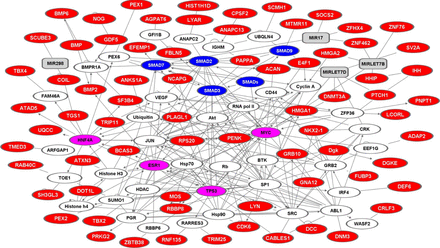
Height gene network

“Proteins are represented as nodes (hubs), the biological relationships between the nodes (edges) are represented as lines. Height‐associated proteins are in red; linker proteins are in white; miRNA are in gray. Major hubs are in magenta; SMAD isoforms are in blue.”

“72 of 87 height‐associated genes (82.8%) were found to contain at least one CpG island in the 2,000 bp upstream of the transcription start site (TSS) (99 CpG islands overall) . Notably, in all CpG islands‐associated height genes, CpG islands overlapped with the TSS, supporting an actual regulatory role in gene transcription”

Notable genes regulated by DNA Methylation according to Table 2 include: BMP2, BMP6, and SOCS2 as well as several not normally associated with height increase.  Notable genes regulating DNA Methylation(that is the control the methylation status of height related genes) include: DNMT3A, DOT1L, HMGA1, HMGA2.

“five genes (ACAN, ANKS1, FBP2, NACA2, ZBTB38) were found to have no evidence of DNA methylation. The remaining genes (94.3%) were shown to undergo broad changes of DNA methylation levels across experimental conditions”

“CpG island methylation in the BMP2 promoter causes loss of BMP‐2 protein expression in transformed cells{You would NOT want this if your desire was to have your child grow taller}. Shut‐down of the BMP6 gene by promoter methylation was observed in malignant lymphomas”

“c‐Myc regulates at least seven height‐associated genes (CDK6, COIL, HMGA1, LIN28B, RBBP8, RPS20, TRIM25/EFP), and its binding to genomic loci is dependent on chromatin structure and CpG methylation.”

“The Beckwith‐Wiedemann syndrome is caused by deregulation of imprinted genes within the 11p15 chromosomal region, i.e., KIP2, H19 and LIT1, whether alone or as interacting regulatory units . Hypermethylation at the 11p15 telomeric imprinting control region (ICR1), are observed in about 5 to 10% of affected patients. Both H19 and LIT1, which encode untranslated RNAs, and IGF2 are either maternally imprinted genes with growth enhancing activity or paternally imprinted genes with growth suppressing activity.”

“Affected children reach an average height of 2.5 SD above the mean at or after puberty, and their growth velocity is above the ninetieth percentile until 4–6 years of age.”

“Up to 60% of cases of Silver‐Russell [dwarfism] syndrome are caused by hypomethylation at the ICR1 on chromosome 11p15, involving the H19and IGF2 genes”<-so underexpression of ICR1 is good for height and overexpression of ICR1 is bad for height if hypermethylation transcriptionally silences expression and hypomethylation increases it.

“c‐Myc regulates the cell cycle, and plays a major role in cell growth during interphase, by regulating genes required for the production of energy and metabolites. The c‐Myc network widely interacts with those driven by other major hubs. c‐Myc is repressed by transforming growth factor β (TGF‐β) through the binding of SMAD3 to the MYC promoter. p53 represses c‐Myc through the induction of the tumor suppressor miR‐145. c‐Myc amply interacts also with the ER network: almost all of the acutely estrogen‐regulated genes with roles in cell growth are c‐Myc targets. Notably, estrogen‐mediated activation of rRNA and protein synthesis depends on c‐Myc. Equally c‐Myc dependent is the estrogen‐induced suppression of apoptosis caused by growth factor deprivation”

“p53 regulates the expression of target genes that modulate chromatin structure and function, cell growth, aging and apoptosis. p53 interacts with components of multiple different histone remodeling complexes, including CBP/EP300 (CBP/p300), GCN5, PCAF, and SETD7 modifying histones at the promoters. p53 also controls DNA methylation levels, and that this affects genome stability”

“ERα regulates at least eight height‐associated genes (BCAS3, BMP2, BMP6, DCC, GLT25D2, PENK, RBBP8, TRIM25/EFP).”

“ERα blockade diminishes the secretion of endogenous growth hormone, the key hormone regulator of linear growth in childhood. This action is mediated by SOCS‐2. The ERα network widely interconnects with the p53, Hh and BMP/TGF‐β pathways. p53 regulates ER expression through transcriptional control of the ER promoter”

Height and Heat

When I perform LSJL on a synovial joint of a limb I do feel an increase in height in that area and that is more than I usual feel due to changes in body heat.

Unilateral Heat Acelerates Bone Elongation and Lengthens Extremities of Growing Mice

warm ambient temperature increases bone blood supply and bone length in young mice

“Local heat could be an alternative to surgery and a supplement to systemic bone -lengthening drugs to noninvasively achieve limb length equalization.”

“3-week old female C57BL/6 mice (N=20 total) were treated once daily to a 40-minute unilateral heating regimen for 14 days post-weaning”

“5-week old mice (N=14) were euthanized for tissue harvest 1 day after the last heat-treatment. OTC was visualized in unfixed proximal tibial slab sections on a fluorescence stereoscope.
Growth rate was estimated from digital images following published methods. 12-week old mice were euthanized 49 days post-heating to evaluate persistent limb length differences at skeletal maturity. Cartilaginous ears were harvested to document a treatment effect, since ear size changes with ambient temperature”

“Skin temperatures of heat-treated limbs and ears averaged 40C as measured by infrared thermometry during the heat treatments. Temperatures of the non-treated side averaged 30C during treatments. Core temperature and respiration were 36C and 60 breaths/min, respectively, under anesthesia. Tibial elongation rate was >12% greater on the heat-treated side of 5-week old mice. The average growth acceleration was nearly 15 µm/day”<-Growth rate does not always mean an increase in adult height forever.

“Ear area and hindfoot length on the heat-treated side were increased 8.8% and 3.5%, respectively, compared to the non-treated contralateral side at 5-weeks. Femoral and tibial lengths were increased 1.3% and 1.5%, respectively. To test whether left-right differences were evident at skeletal maturity, mice were examined 49 days after the last treatment at 12-weeks age.  Importantly, ear area and tibial length were still significantly increased on the heat-treated side of adults”<-in this case it looks like like heat had an impact on height at skeletal maturity.

“unilateral exposure of 40C heat for only 40 min/day increased ear area and hindlimb length on the heat-treated side of young mice.”

Another heat study:

Temperature, heat shock proteins and growth regulation of the bone tissue

Ambient heat modulates the elongation of bones in mammals, and the mechanism of such a plasticity has not been studied completely. The influence of heat on growth and development of bone depends on its values. Five zones of temperature influence on the bone tissue with different biological effects have been distinguished : a) under-threshold thermal zone < 36.6 ºС, insufficient amount of heat is a limiting factor for osteogenesis; b) normal temperature zone 36.6‒37.5 ºС, the processes of breakdown and development of bone in this temperature range is balanced; b) zone of mild thermal shock 39‒41 ºС, the processes of functioning of osteoblasts, osteocytes and formation of the bone tissue intensify; d) the zone of sublethal thermal shock > 42 ºС, growth of bone slows; e) zone of non-critical shock > 50 ºС, bone tissue cells die. We propose a model of the mechanism of influence of heat shock on bone growth. Mild heat shock is a type of stress to which membrane enzymes adenylyl cyclase and cAMP-protein kinase react. Protein kinase A phosphorylates the gene factors of thermal shock proteins, stress proteins and enzymes of energy-generating processes – glycolysis and lipolysis. Heat shock protein HSP70 activates alkaline phosphatase and promotes the process of mineralization of the bone tissue. In the cells, there is intensification in syntheses of insulin-like growth factor-I, factors of mitogenic action, signals of intensification of blood circulation (NO) and synthesis of somatotropin. The affinity between insulin-like growth factor I and its acid-labile subunit decreases, leading to increased free and active insulin-like growth factor I. Against the background of acceleration of the capillarization process, energy generation and the level of stimulators of growth of bone tissue, mitotic and functional activities of producer cells of the bone – osteoblasts and osteocytes – activate. The generally known Allen’s rule has been developed and expanded: “Warm-blooded animals of different species have longer distal body parts (tails) if after birth the young have developed in the conditions of higher temperature”. The indicated tendency is realized through increased biosynthesis of heat shock proteins and other stimulators of growth processes in the bone tissue.”

Heat and prolonged physical loads promote bone elongation. These factors contribute to increase in the delivery of soluble substances needed for growth of the epiphysial plate”

“cold increased the apoptosis of osteocytes and decreased the length of the canals.”

exercises alleviated the effect of low temperatures on the process of elongation of the limbs after 11 days of physical load. Regardless of the temperature, all runner mice had elongated limbs, and individuals that had performed no exercises had shorter limbs.”<-so both exercise and temperature could both be different ways of delivering nutrients to growth plates.

Even one session of heating for ~ 2 hours may increase the activity of protein kinase and the process of phosphorylation.  Heat influence induces HSP expression. They stabilize proteins that strengthen the transmission of the signals of nitrogen oxide (NO), decrease oxidative stress and inflammation of the vessels and improve their function”

“Vessel network is of essential value for transportation of regulators that support processes of endochondral ossification. Bone has a dense capillary network, and the signal molecules that participate in its growth must overcome the cartilage.  The cartilage is included in the epiphyseal plate, but it has no penetrating blood supply”

“The cartilage has no blood vessels and its nutrition is performed by diffusion of substances. The semi penetrable “barrier at the border of vessel -cartilage  surface” obstructs the molecular transport. To study the peculiarities of overcoming this obstacle, a model of heating the hind legs was used for manipulating the blood circulation in bones in 5-week-old female mice. In the experiment, dextrans were used weighing 10, 40 and 70 kDa, which are close in size to physiological regulators. Increase in the temperature in hind legs from 22 to 34 °C led to increase in vascular access of the abovementioned molecules.”

LSJL Update 9-9-2014 Preliminary Measurements of Hand X-rays

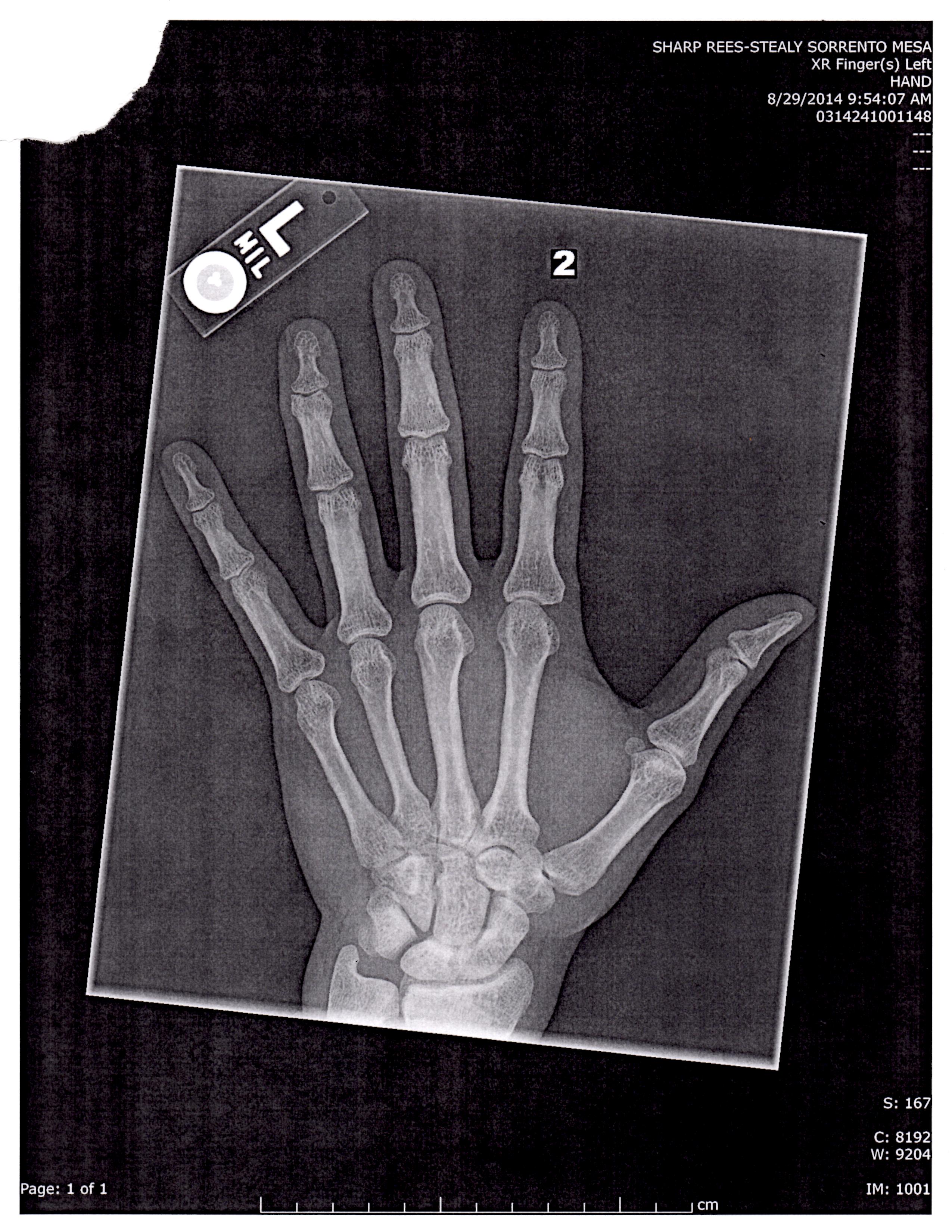
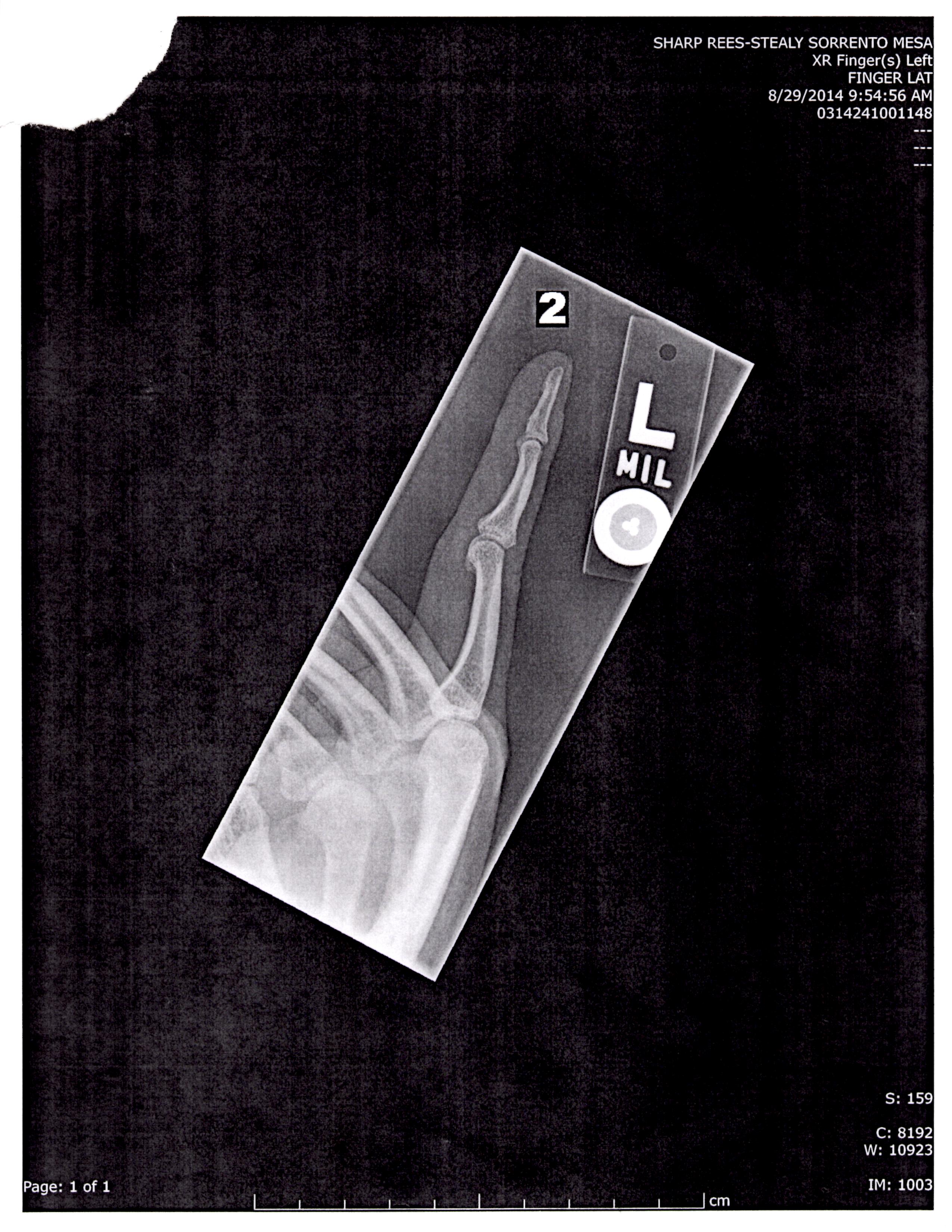
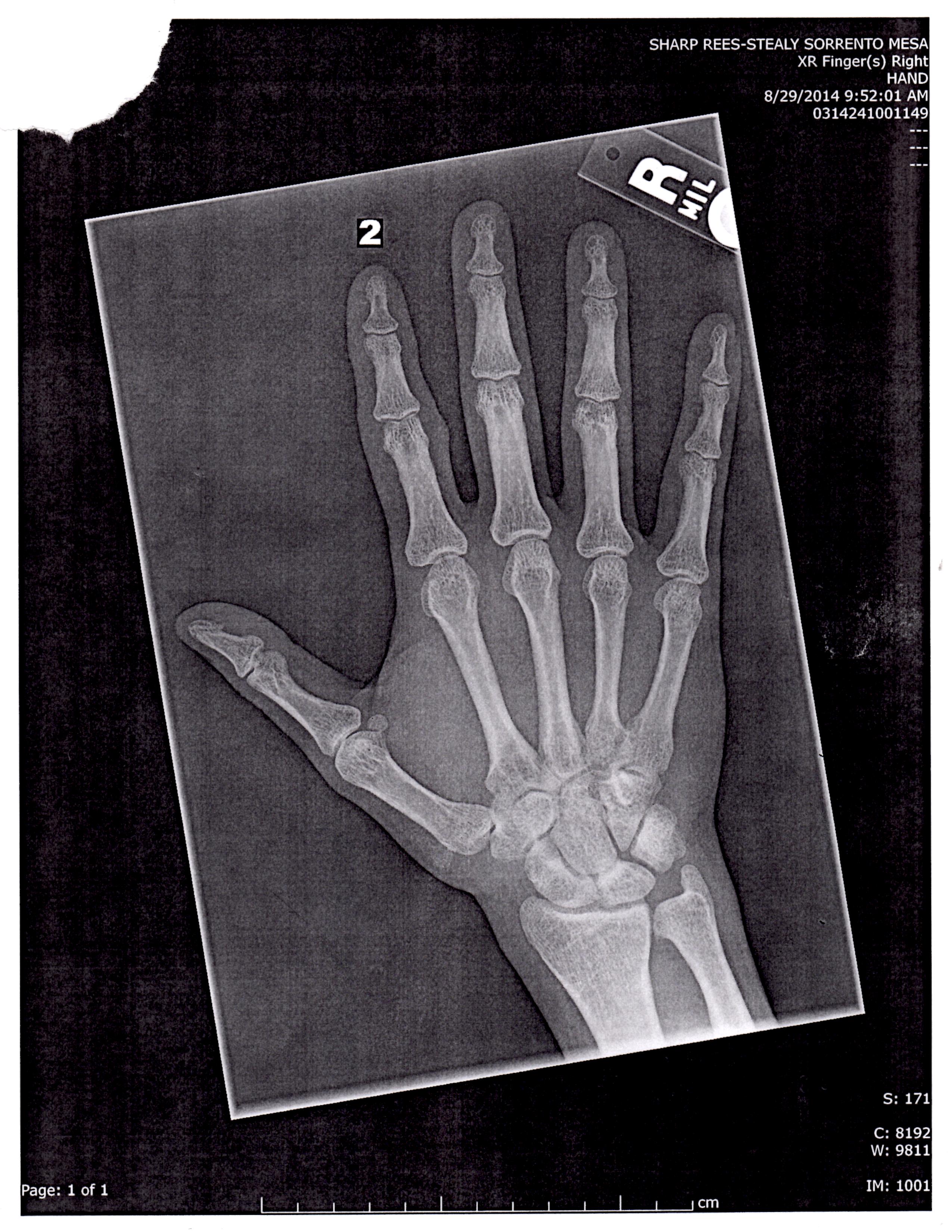
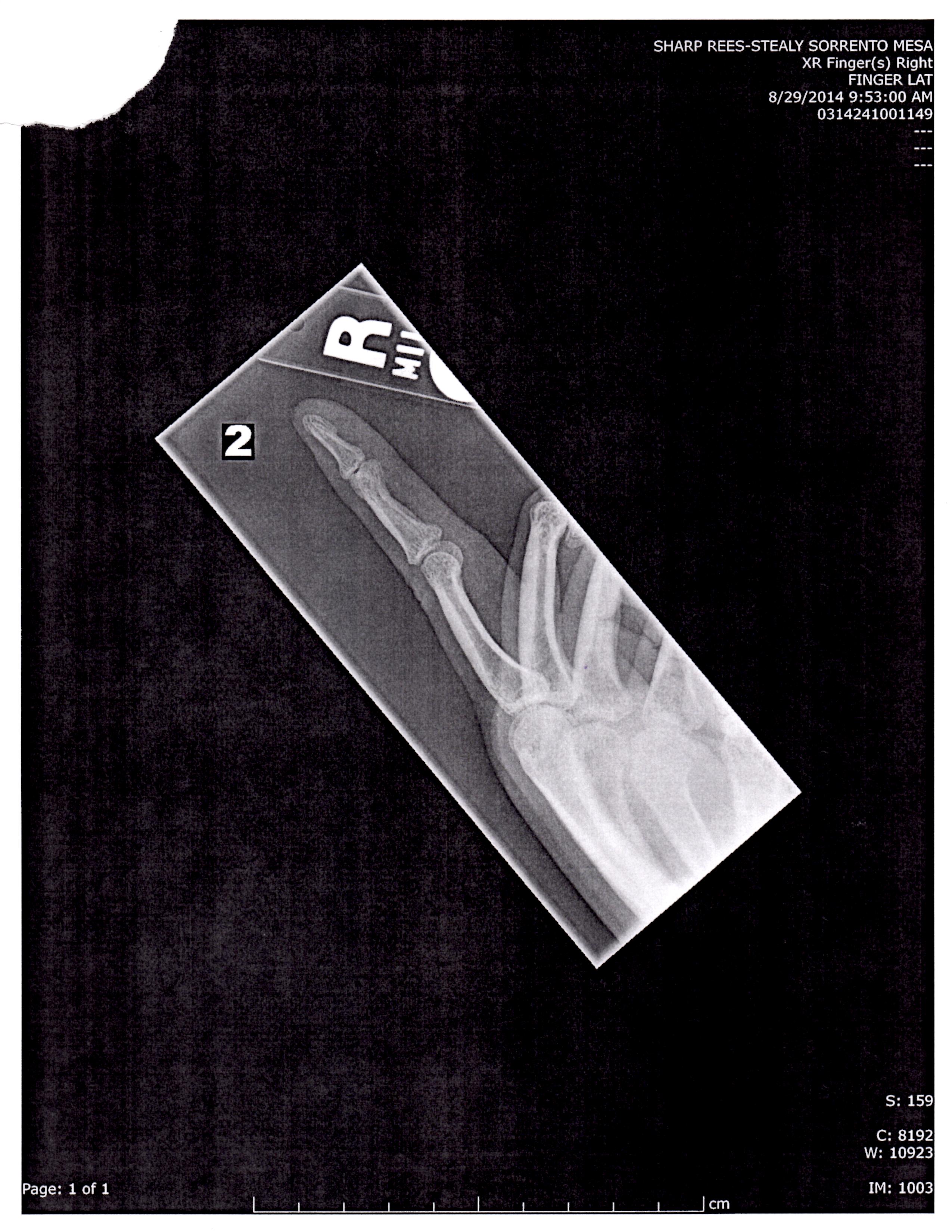
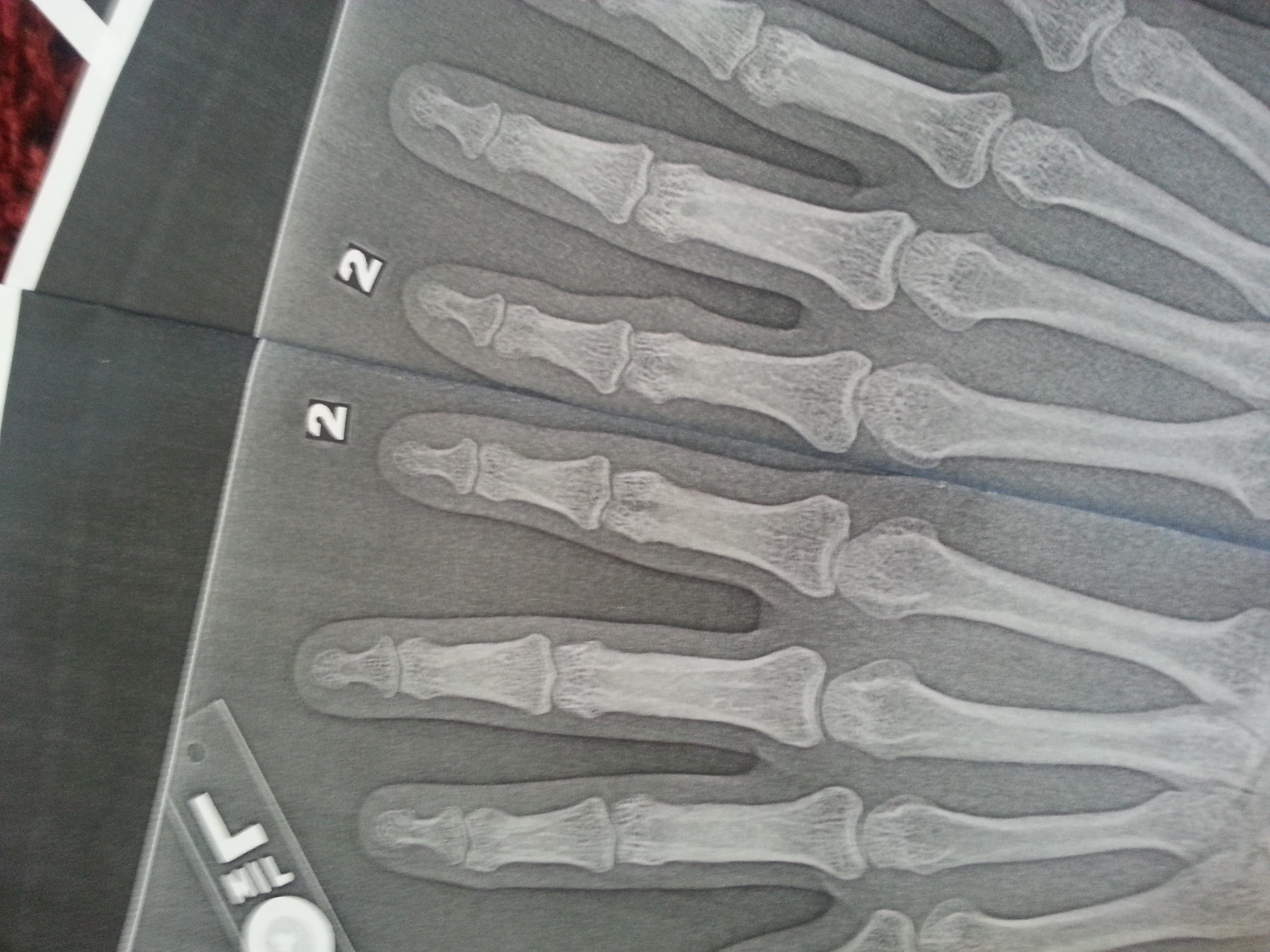
Previously, I posted x-rays of my hands.   I loaded with LSJL clamping the three joints of the right index finger.  The two more distal joints I loaded laterally whereas the more proximal joint I loaded overhead ad the other fingers were in the way. I also loaded the two joints of the thumb.  Michael came to the conclusion that the proximal bone had grown but the two more distal bones had not.  My measurements support this conclusion and I’m going to talk about the ramifications of this as well.  If you can please look at the x-ray post and see if you can validate the measurements.

Previously, at times I was clamping twice a day.  I have since gone to once a day as that was not enough time for the soft tissues to recover and the second clamp tended to be effective.  It was nice having a second chance to clamp if I didn’t feel it was effective but the second daily clamp was always worse than the first.  I just try to make each clamp count and if I don’t feel the clamp is effective I start over.

To measure I used the GIMP software tool.  I used grid lines and made my own using the control key at the absolute top and bottom of each bone.   I used the control key to force a straight line.  Doing the lateral view was harder so there may be more measurement error there.

Even though measurements are in inches they are not representative of my actual hand as the x-ray images are not as big as my hand.
Overhead view:
Right distal phalanx-0.53in

Right middle phalanx 0.78in

Right proximal phalanx-1.36in

left distal phalanx-0.52 in

left middle phalanx-0.79 in

left proximal phalanx-1.34in

Lateral View

Right distal phalanx-0.67in

right middle phalanx-1.00in

right proximal phalanx-1.66in

Left distal phalanx-0.67in

left middle phalanx-1.00in

left proximal phalanx-1.61in

Since there is more measurement error with the lateral view.  We’ll rely only on the overhead view.  That’s an increase of 1.5% in finger length.  A commentator named Alex got a lot smaller percentage increase but was not available to follow up.  To give you an idea a 1.5% increase at 72 inches of height gives you an additional inch of height.    I believed that all three bones had grown.  But perhaps it was just the ganglion cysts giving the illusion of growth.

Thumb

Right distal-0.67in

Right proximal-1.06in

Left distal-0.66in

Left proximal-1.10in

Again, only the proximal bone had grown(I loaded the left thumb with LSJL and the right was unloaded).

Why this could be.  Well:

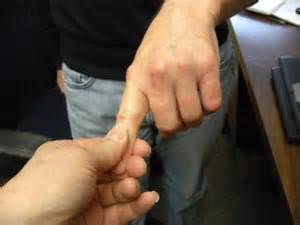
One possibility is that the the joint at the proximal end of the proximal phalanx is more mobile.  For example try pulling your finger like so:

pulling your fingerYou can create quite a lot of separation in the joint.  Same with the wrist which is a part of my arms which have also grown(from about 72.5-74.4″).  I’m not sure what the cause is for the wingspan increase but the mobility of that wrist joint may be a key.

We need to learn more about the properties of these joints and what other joints of the body are of this type.  This is just a theory but it would explain why only the proximal joint has grown.

Evidence that foot length may increase after epiphyseal fusion

If the feet bones can increase in length after epiphyseal fusion perhaps we can use the mechanisms which increase foot length on the long bones.

Gender and age related differences in foot morphology

“Anatomical parameters such as foot length, circumference and height and ankle length, circumference and height were assessed in a sample of males and females divided into three age groups. The groups included young-adult, aged between 20 and 25 years; adult, aged between 35 and 55 years; and old, aged between 65 and 70 years individuals.”

“Comparative analysis of morphometric data between young-adult and adult individuals revealed that the instep length was smaller in adults. The opposite was observed for the great toe and medial foot arch height. Length of ankle was higher in adult than in young-adult individuals, whereas ankle circumference and height were smaller.”<-I don’t know what conclusions to possibly draw from this but there could be something to gather here.

“From a topographic anatomy point of view, foot is in general divided into three parts, namely forefoot, midfoot and hindfoot. The forefoot includes the five toes (phalanges) and the five longer bones (metatarsals). The midfoot represents a pyramid-like association of bones (cuneiform, cuboid and navicular bones) forming the arches of the feet. The hindfoot includes the heel (calcaneus) and the ankle. The heel bone is the largest bone of the foot, whereas the talus bone supports the leg bones (tibia and fibula), forming the ankle”

The elderly is reported to have flatter, longer, and wider feet than younger adults“<-Taken from Age-related differences in foot structure and function.  Although I could not find the information that elderly feet tended to be longer from that study.  They state in regards to this study “Other investigations enlarging their analysis to old people aged 80.2 ± 5.7 years noticed in the elderly group compared with a younger one of the mean age of 20.6 ± 2.6 years flatter, longer, and wider feet than younger adults”

The other citation they use for this is: Foot Health and Shoewear for Women.  And I can’t find anything compelling here other than a statement that a woman’s foot grows larger with age.

“The foot length was measured between the extreme point of heel (foot end) and the extreme point of the longest toe (either first or second toe).”

“The ankle height was considered as the distance between the heel of foot and the line right above the medial malleolus.”

Average foot length of age 35-55 was 269.2 cm and 261.7cm for age 20-25 cm male group.  Foot length was similarly longer for the female middle age versus young adults group.  In males age 65-70 Foot Length was 264.4 cm which is a decrease for middle age but the female group continued to increase in foot length.

So we can’t really conclude that foot length continues to grow with age but this indicates that it may be possible that the feet do grow.

HUGE LSJL update-x-ray proof of LSJL

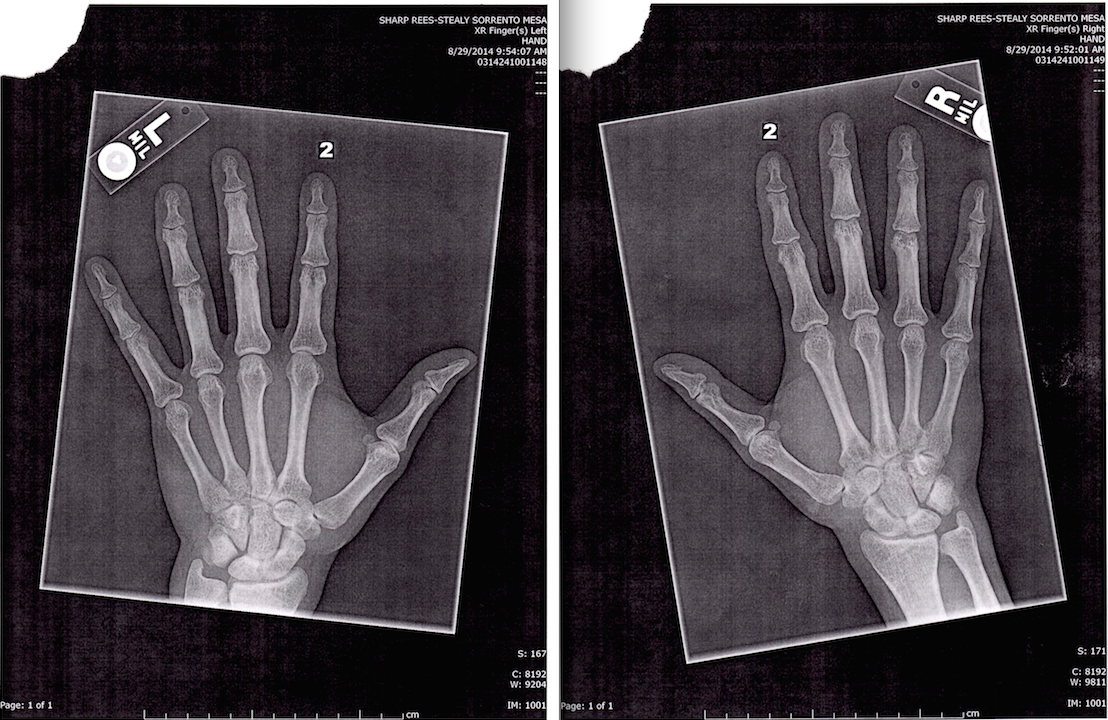
I loaded my right index finger and my left thumb.  This post isn’t finished because I still have to break things down via gimp and it’s a lot harder to measure the bones than I thought.   But I wanted it up right away to get feedback right away. Maybe someone could help measure the bones of the right and left index finger and the right and left thumb.  I need someone to measure the bones of the right and left index finger to confirm that I’ve grown.  The x-ray’s are standardized as you can see by the centimeter mark on the bottom of the page.  Help me with this and we can prove LSJL.

One thing to note about the x-rays.  Is that the whiter something is on an x-ray the denser it is while the blacker it is the less dense it is.  So darker areas of the bone could be some indication of the possibility of a micro growth plate in that region.

X-Ray left hand:

img007

img009

X-Ray right hand:

img006

img008

No visible growth plates but that does not rule out microgrowth plates.  You’d need a lot more than a an x-ray to detect micro growth plates.  The difference in finger length does not seem to be due to swelling nor are there signs of osteoarthritic degeneration.  The bumps seem to be due ganglion cysts(see below).  The epiphysis on the right clamped finger is noticeably thicker.  If you look at the lateral view of the right versus the left finger then the difference is extreme and noticeable.

Here’s a side to side comparison between the two fingers:

20140829_143800The right index finger is longer than the left although I will have to do further analysis with GIMP or have Michael or someone do independent analysis.  Same with the left thumb(clamped thumb being longer than the right).

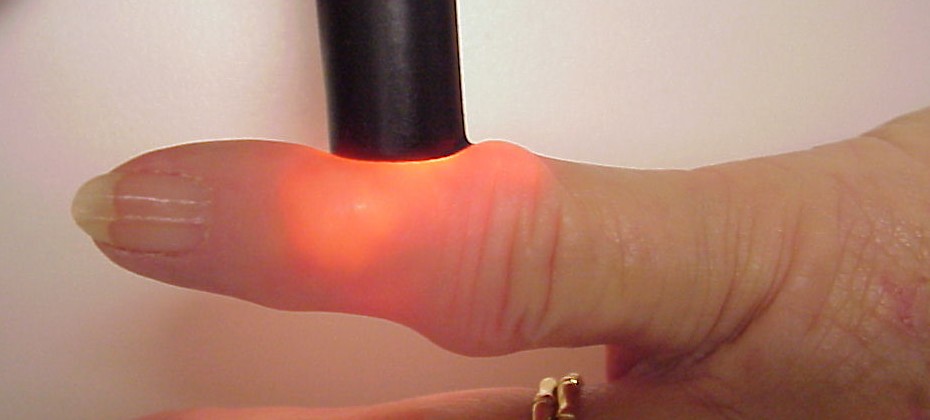
Turns out that I don’t really have osteophytes on my finger but really it’s closer to a ganglion cyst.  See this image here of this photo with someone with ganglion cysts and it’s very similar to how my finger looks:

1547906sThe lump is completely in the soft tissue and cannot contribute to height (see the x-rays)

—————————

Michael: This is what I can say currently after studying the X-ray of the left & right index fingers placed right next to each other. I stared for a full 10 minutes at the picture that Tyler uploaded but could not tell any differences in in the distance between the interphylangeal joints of the right hand compared to the left hand, at least for the index fingers. This is from his own comparison pictures.

However, when I took his pictures and put the pictures together (like below), after carefully looking at the X-ray, there does seem to be a noticeable long bone length difference, where the most proximal bone of the right index finger was just SLIGHTLY longer than the one on the left hand. You have to really look at the specific bone very closely but the difference is noticeable, when viewing the left-right hand X-Ray pictures below from a higher up perspective. When they are put to side to side, there is a difference. Of course, then the question would be, was the right index finger always longer than the leftindex  finger to begin with, from natural bone growth, before ever starting LSJL clamping?

When I looked at the left and right thumb bone X-Rays of the lateral perspective, the difference in thickness of the X-Rays is very noticeable. However, to me, it sort of looks like that the RIGHT thumb is thicker laterally than the LEFT one.

The Problem: I am now in a hotel for a conference in San Francisco and I don’t have an exact ruler on hand. All the measurements are done by eye. To be absolutely sure, I would need to find a ruler though, and maybe even go to a Kinkos or FedEx to blow up the X-ray pictures so that a ruler can be used to really do the most exact measurement possible.

What is obvious though is that the overall right index finger is longer. When you compare the skin edge of the right hand index finger to the one on the left hand, it is very noticeably longer.

X Rays of Metacarpal

LSJL may inhibit Src activation in chondrocytes

This isn’t a breakthrough study but it’s always nice to see a new LSJL study coming out.

Distinctive Subcellular Inhibition of Cytokine-Induced Src by Salubrinal and Fluid Flow.

“A non-receptor protein kinase Src plays a crucial role in fundamental cell functions such as proliferation, migration, and differentiation. Inhibition of Src is reported to contribute to chondrocyte homeostasis. In response to inflammatory cytokines and stress to the endoplasmic reticulum (ER) that increase proteolytic activities in chondrocytes, we addressed two questions: Do cytokines such as interleukin 1 beta (IL1β) and tumor necrosis factor alpha (TNFα) induce location-dependent Src activation? Can cytokine-induced Src activation be suppressed by chemically alleviating ER stress or by applying fluid flow? Using live cell imaging with two Src biosensors (i.e., cytosolic, and plasma membrane-bound biosensors) for a fluorescence resonance energy transfer (FRET) technique, we determined cytosolic Src activity as well as membrane-bound Src activity in C28/I2 human chondrocytes. In response to TNFα and IL1β, both cytosolic and plasma membrane-bound Src proteins were activated, but activation in the cytosol occurred earlier than that in the plasma membrane. Treatment with salubrinal or guanabenz, two chemical agents that attenuate ER stress, significantly decreased cytokine-induced Src activities in the cytosol, but not in the plasma membrane. fluid flow reduced Src activities in the plasma membrane, but not in the cytosol. Src activity is differentially regulated by salubrinal/guanabenz and fluid flow in the cytosol and plasma membrane.”

Interesting that fluid flow reduced Src activation in the plasma membrane but the Cytosol and for Salubrinal it was vice versa.  The plasma membrane is the outside covering of the cell so it makes sense to be more affect by fluid flow as it would be in direct contact with it.  Whereas cytosol is the fluid on the inside of the cell. It would be highly significant if we could identify that LSJL mainly affected proteins in the plasma membrane but not so much the cytosol.

“Src is one of the integrin-dependent signaling proteins involved in mechanotransduction, and it plays critical roles in various cellular processes including proliferation, apoptosis, migration, adhesion, and differentiation. To mediate such a variety of cellular processes, Src’s distinct subcellular activation pattern is required. Src is mainly stationed in the cytosol near the endosomes, and activation of Src requires its translocation to the plasma membrane through the cytoskeleton”

“the shear stress of 2–10 dynes/cm2 has been shown to affect chondrocyte signaling and metabolism either positively or negatively”

“Cells were pretreated with Cytochalasin D (CytoD) for 1 h to disrupt the actin cytoskeleton or with MβCD for 1 h to extract cholesterol from the plasma membrane. CytoD partially blocked Cyto-Src activation, and it completely inhibited Lyn-Src activation. MβCD reduced both Cyto-Src and Lyn-Src activations, although to a lesser degree to Cyto-Src. Collectively, these data suggest that the actin cytoskeleton and lipid rafts are essential components for cytokine-induced Lyn-Src activation”

“Lyn-Src was responsive to fluid flow in a magnitude-dependent manner. In response to shear stress at 5 dynes/cm2, a rapid inhibition of Lyn-Src activity was observed (9.7% decrease). In contrast, shear stress at 10 dynes/cm2 led to its activation (14.9% increase). However, Cyto-Src activity was not altered at any magnitude of shear stress”

According to one article, inhibition of Src kinase activates the chondrocyte phenotype.  The article however did not distinguish between Src activities in the cytoplasma or plasma membrane.  It’s possible for instance that only Src activities in the cytoplasm discourage the chondrogenic phenotype and fluid flow would therefore have no effect.